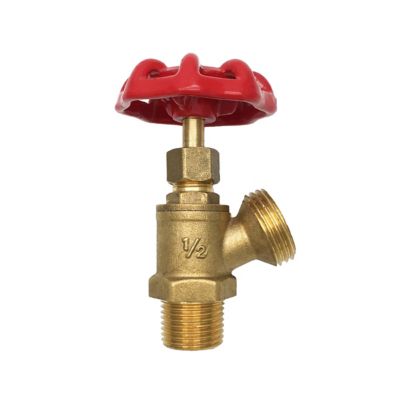
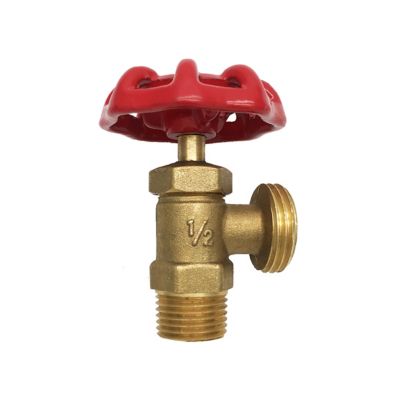
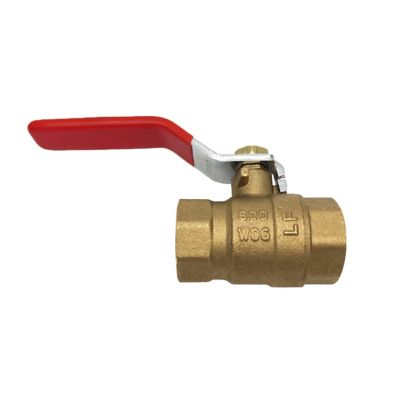
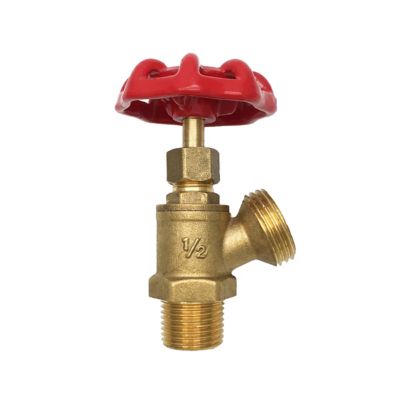
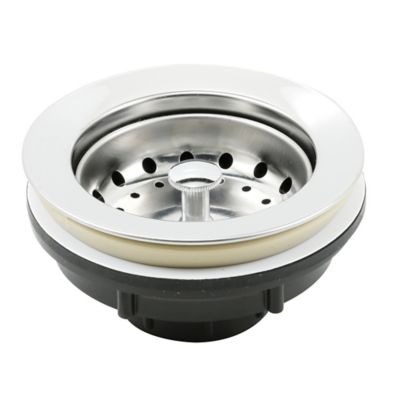
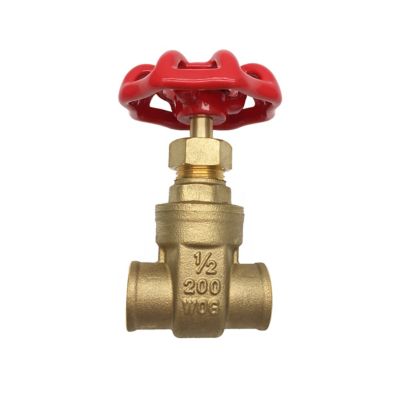
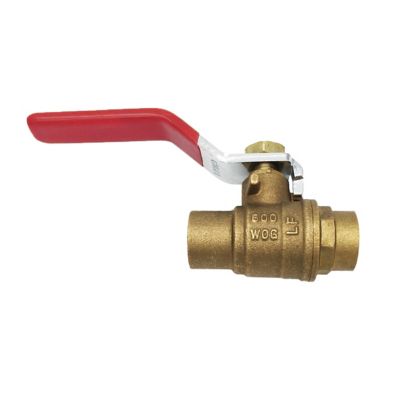
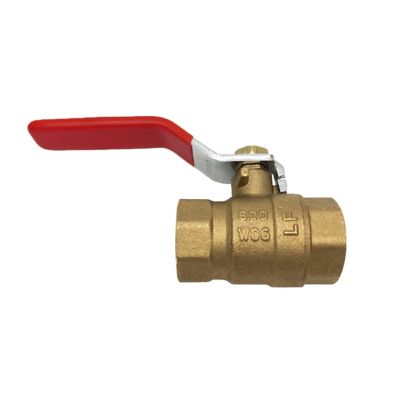
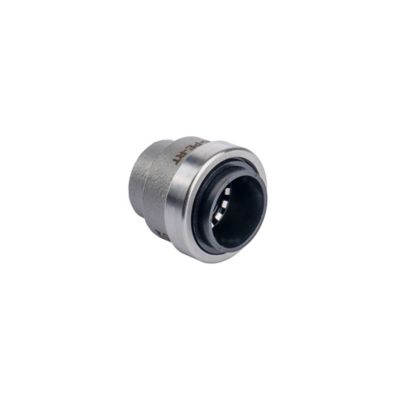
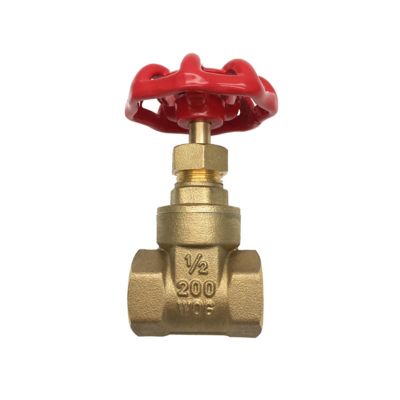
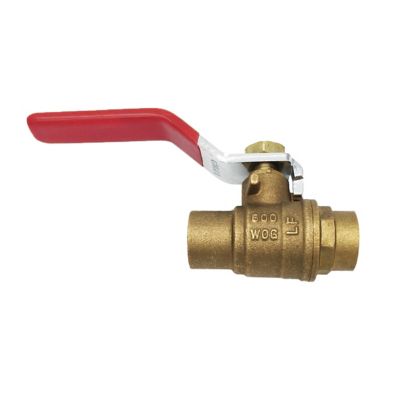
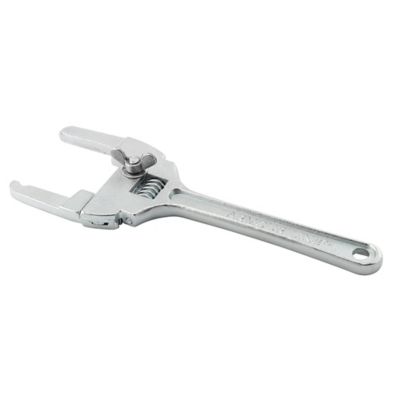
Commercial plumbing supplies cover the water and drain work that keeps a place running, from a single restroom at a feed mill to a row of wash bays at a service shop. Some parts of a system carry water under pressure, some give that water a way out and others let a maintenance crew shut off one branch without taking the whole building out of service. A break room sink might see only a few minutes of activity at a time, while a wash bay can go through several rounds of rinsing in one shift. At a boarding kennel, a lot of water can hit the floor at once, and the drain side has to handle what comes with it. At a farm packing shed, the bigger concern might be keeping the handwashing station open while work goes on elsewhere. The setting helps narrow down what belongs on the job. A drinking water line calls for materials rated for that contact, while a drain line calls for parts suited to the kind of waste it carries and how fast it comes through. Backflow protection matters where water could head the wrong way into a drinking water supply. A wash hose that can reach down into a mop bucket is an everyday example of where that concern comes up. Plumbers, facility crews and folks who look after their own shops may work with the same broad categories of supplies, but the details change with the building. For a new build, part of the job is accounting for how many fixtures might draw water at once. On an existing system, it’s often a matter of what will fit the run that’s already in the wall and how much of that run needs attention.
Material and fit both play a part in how long a repair or installation holds up. Copper, brass, stainless steel and plastics suited to plumbing each have a place, depending on the pressure, what runs through the line and what the outside of it comes in contact with. An exposed run next to a wash station may get splashed with cleaning solution day after day, while a connection tucked beneath a counter may have more trouble from a cart or a mop handle knocking against it. The material at an adjoining connection matters, too. Different metals are not always a good match in direct contact, and a seal that works with plain water may not suit a line that carries something else. As for size, two connections can carry the same trade size on paper and still differ in how the threads engage or where the seal sits. Even an exact match at the connection won’t help much if there’s no room to swing a shutoff handle or get a wrench on it once a sink is back in place. On a long run, support matters as much as clearance. A connection can take extra strain when the adjoining line sags or shifts each time nearby equipment runs. The loads aren’t always obvious when everything is shut off and the line is empty. In a shop where carts and equipment move through tight quarters, the route of a line can make as much difference to its service life as the material it’s made from. There’s a practical side to matching parts on an older system, too. A line may change size or material midway through a building where someone added a sink or split off a branch years back. What’s out in the open by the utility room may not match what’s behind the wall at the other end.
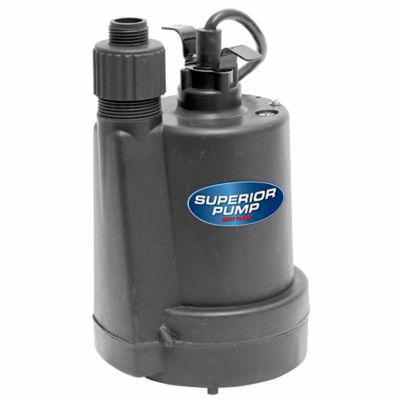
Commercial plumbing also has to make sense for the folks who will look after it once the job is done. A shutoff is more helpful when the person opening the shop can reach it without moving a bench, and a drain that’s prone to collecting grit is easier to care for when there’s room to get to it. Care looks different from one space to the next. In a service bay, dirt tracked in on tires can build up where wash water leaves the floor. In a utility room, a damp mark under a joint or a trail of mineral deposits can be the first sign that a small leak needs a closer look. How often a line gets checked depends in part on what a leak or backup would interrupt. A little water below a utility sink that rarely sees any activity presents a different problem from a leak over a work area that can’t easily be cleared. Some jobs need more than gravity to move water where it belongs. That’s where
Plumbing Pumps fit into the plan, whether water needs to come out of a low collection basin or travel up to a higher discharge line. The distance and rise of that run matter, along with how much water moves through it and whether it carries sediment or other solids. On jobs that tie into shared lines or serve the public, local plumbing requirements may also affect which materials and connections belong in the system. Whether the work is a repair between shifts or part of an addition that will see foot traffic every day, the supplies have to fit the building as it’s actually run. That means standing up to regular cleaning and wear, leaving room for the next repair and keeping the rest of the place working when one section needs service.