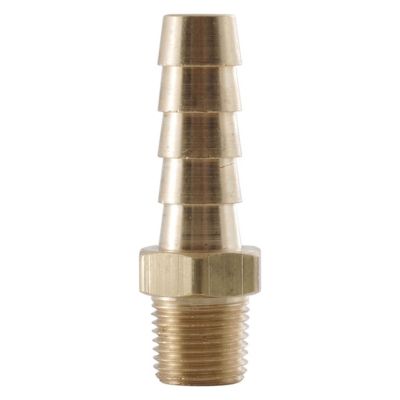
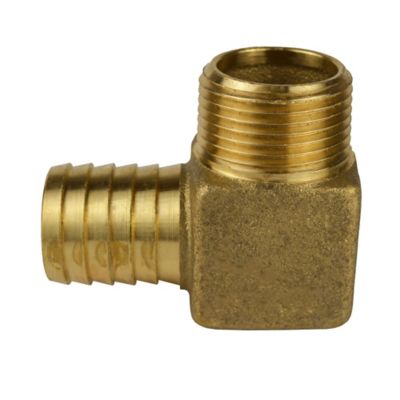
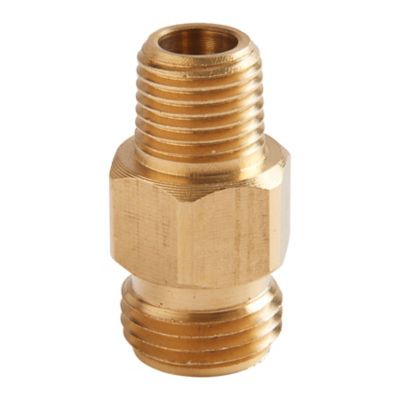
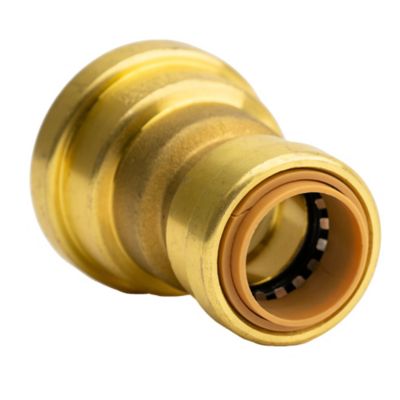
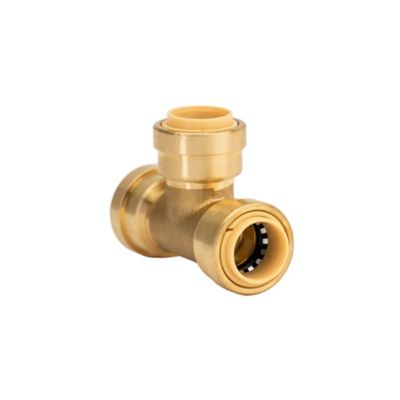
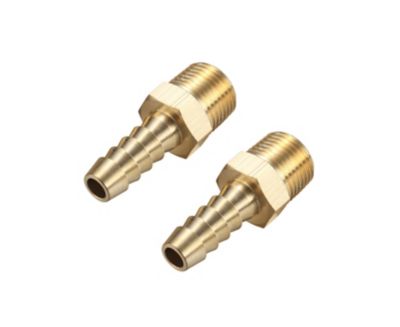
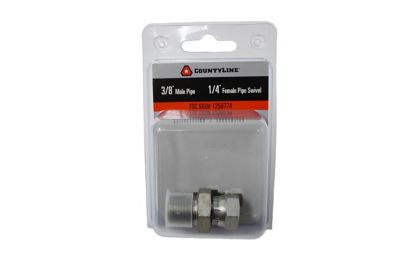
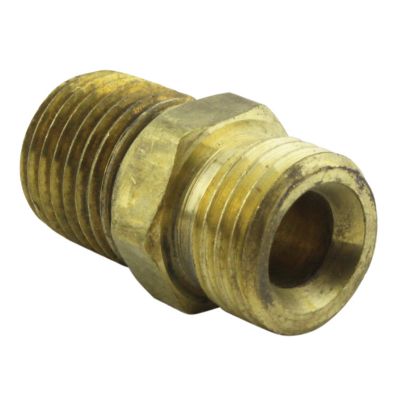
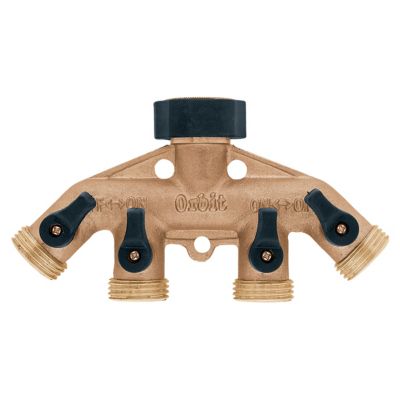
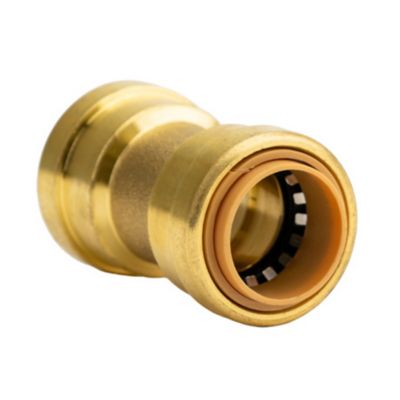
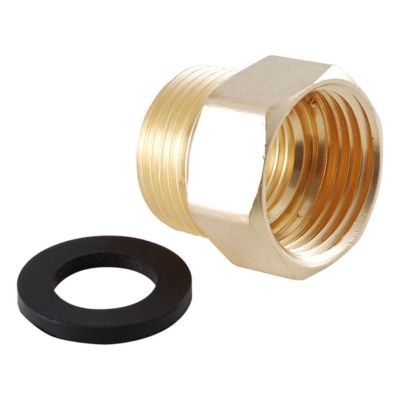
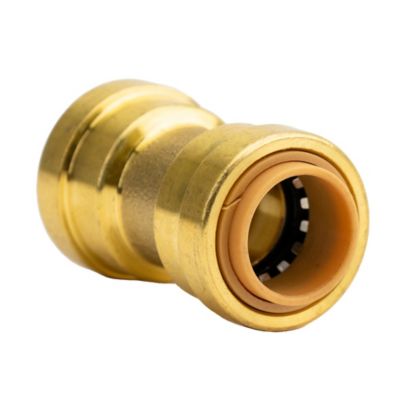
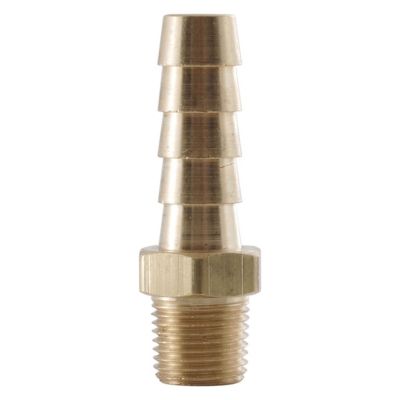
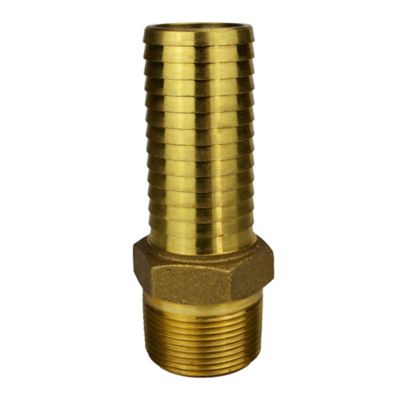
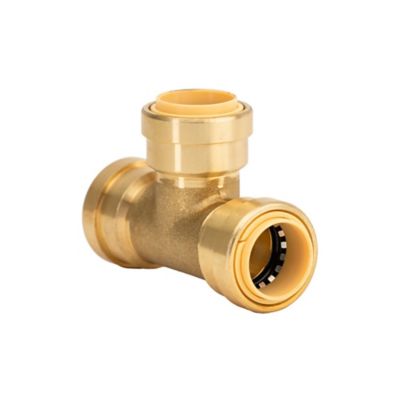
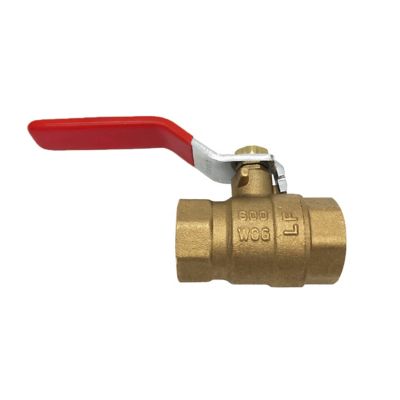
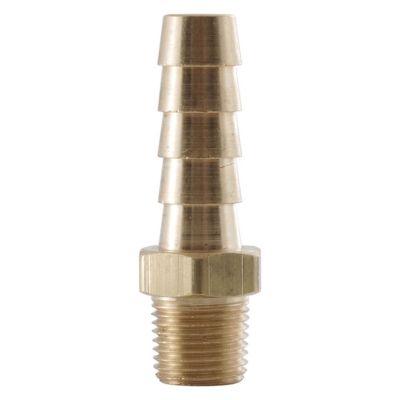
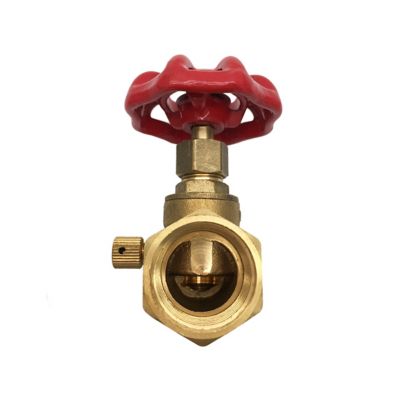
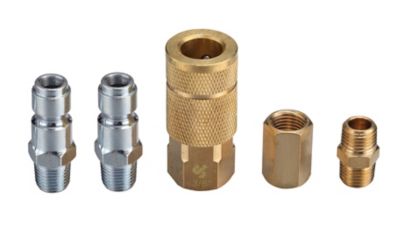
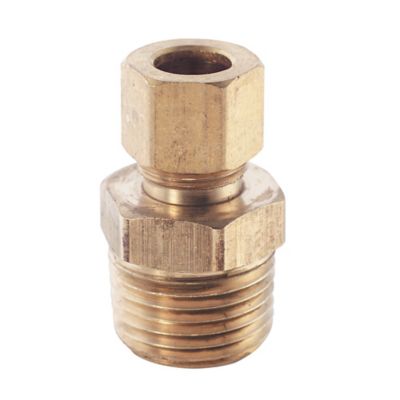
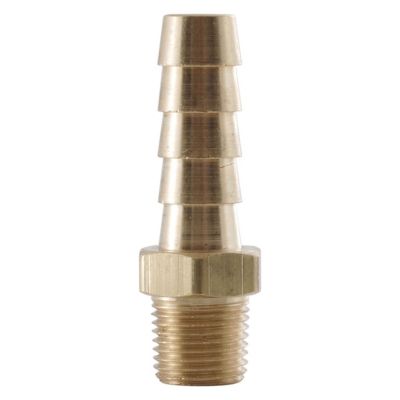
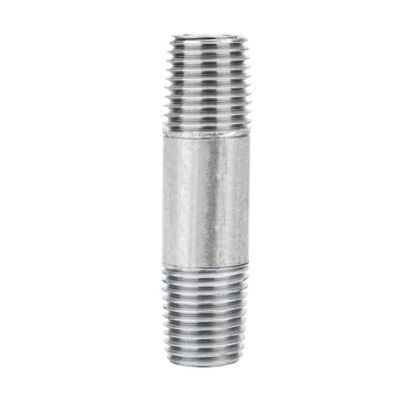
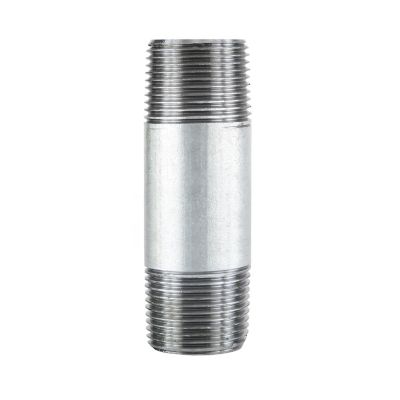
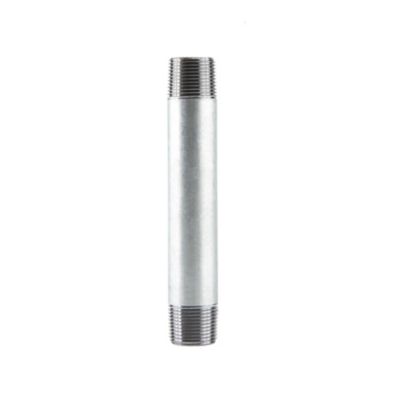
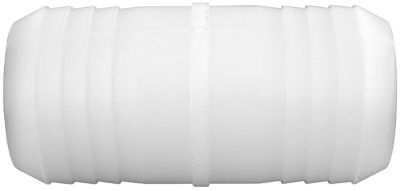
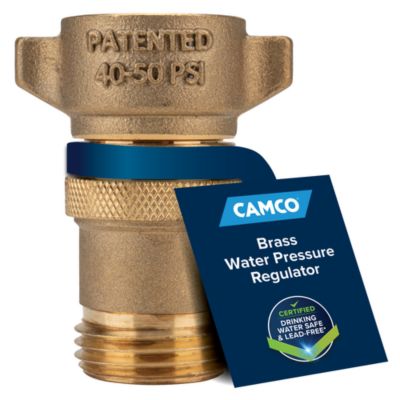
Brass pipe fittings connect sections of pipe, change the direction of a line, create branches and join components with different connection sizes. They handle the small but important jobs that keep water moving through a house, barn, workshop or utility room. Couplings join two pipe sections in a straight run, while elbows turn a line, commonly at 45 or 90 degrees. Tees provide three openings for a branch connection, and reducers connect different nominal pipe sizes. Nipples are short pipe sections with male threads at both ends, making them useful between two fittings or other threaded components. Caps close pipe ends, plugs close fitting openings, and unions provide a connection that can separate without turning an entire pipe run. Those differences matter when a water line needs to turn around a wall stud, branch toward a wash sink or leave room for servicing a pump. Brass is an alloy made primarily from copper and zinc, and its strength, machinability and resistance to corrosion make it a practical material for many plumbing connections. Unlike iron-based metals, brass does not develop iron rust, though it can tarnish or experience other forms of corrosion. Its suitability depends on the alloy, the water chemistry and the fitting’s stated application. A fitting intended for a household water line is not automatically suitable for every chemical, heating or fuel-gas system. For drinking-water service, lead-free compliance and drinking-water certification deserve close attention. Under the federal lead-free definition for pipes and fittings, wetted surfaces must have a weighted average lead content of no more than 0.25%. That does not mean every brass fitting meets the requirement or that lead-free wording alone establishes every aspect of drinking-water suitability. Applicable certifications, such as NSF/ANSI/CAN 61 and 372, help establish the relevant health-effects and lead-content requirements. Clear application information matters whether the connection serves a kitchen faucet, a farmhouse utility sink or a water line supplying an animal-care area.
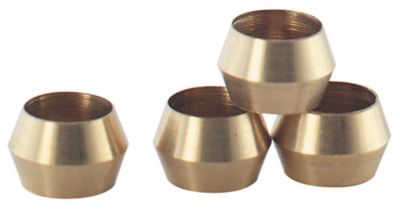
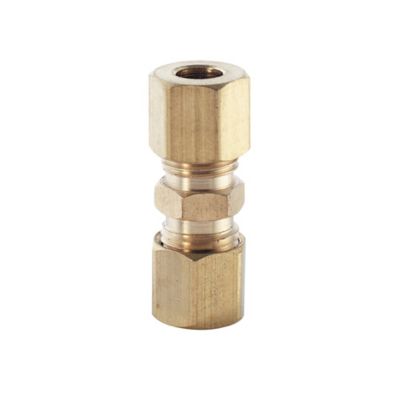
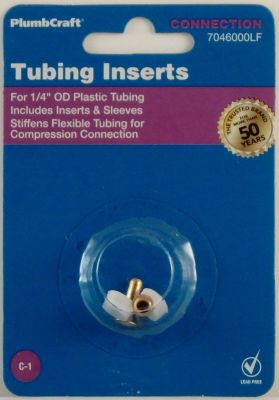
Fit is about more than finding two pieces that look close in size. Many threaded brass pipe fittings have National Pipe Taper connections, commonly called NPT, with tapered threads that tighten together to form a joint with an appropriate sealing material. Male threads sit on the outside of a connection, while female threads sit inside it. Nominal pipe size is a size designation rather than a direct measurement of the outside diameter, so a measurement across a pipe alone may not identify the matching fitting. Thread type matters, too: pipe threads, garden-hose threads and other straight-thread connections are not interchangeable simply because their diameters look similar. Compression fittings work differently, typically using a nut and ferrule to grip compatible tubing and seal the connection without soldering. Their sizing commonly follows tubing outside diameter rather than nominal pipe size. Copper tubing, plastic tubing and PEX each have their own connection requirements, and any necessary support insert or adapter depends on the fitting manufacturer’s specifications. Flared connections are another distinct style, sealing at mating surfaces rather than at the threads. These differences explain why thread sealant belongs only where the connection design calls for it, not automatically on every threaded nut. Pressure ratings, service ratings and compatibility with the pipe material also belong in the comparison, especially around pumps, valves and hot-water lines. The rating of the full assembly cannot exceed that of its lowest-rated component. Space is another practical consideration. An elbow can redirect a line behind a sink, but the connection still needs room for a wrench and a clear path for future inspection. A union near equipment can make later service less disruptive, while a carefully matched reducer can connect different pipe sizes without confusing the connection standards. Comparing brass with other
Plumbing Fittings helps narrow the choice by material, connection style and intended service rather than appearance alone. For a repair on an existing line, identifying the connection at both ends is often more helpful than matching the shape of the old fitting.
Brass fittings make sense for homeowners, plumbers, property caretakers and folks maintaining farm water systems when the fitting specifications match the job. A wash station near the shop, a utility sink beside the laundry area and a pump connection serving a livestock watering system may all call for different sizes and layouts, even when brass is appropriate for each application. The connection should fit the space without forcing pipe out of alignment or leaving equipment weight hanging from a small fitting. Pipe supports and sensible routing help limit strain from vibration, movement and repeated valve operation. More tightening is not always better; excessive force can damage threads, distort sealing parts or crack adjoining components, particularly when metal connects to plastic. Connections between different metals also deserve attention because galvanic corrosion can develop under certain conditions, and some assemblies require an approved transition or isolation method. Brass itself can suffer dezincification in aggressive water conditions, a process that removes zinc from the alloy and weakens the remaining material. Where water chemistry is a concern, an alloy specifically rated for that environment may be important. Routine care is generally about keeping connections accessible, watching for leaks and checking for crusty deposits, persistent staining or changes around a joint. A darker surface alone does not necessarily signal a failing fitting, but recurring moisture should not be dismissed as harmless tarnish. Harsh cleaners can attack metal or nearby sealing materials, so cleaning methods should suit the assembly. Any inspection or service involving disassembly calls for an isolated, depressurized system, with qualified help for regulated or unfamiliar applications. Fuel-gas connections and specialized heating systems require fittings specifically approved for that service, along with installation that follows applicable codes. For everyday water plumbing, the best match brings together the correct size, compatible materials, suitable ratings and enough access for the next repair. Those details help a simple brass connection do its job without turning routine maintenance into a bigger project.