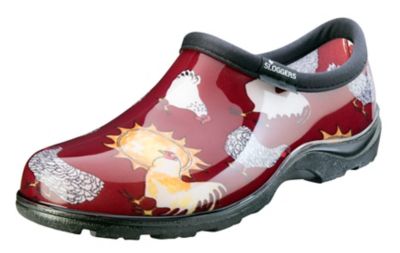
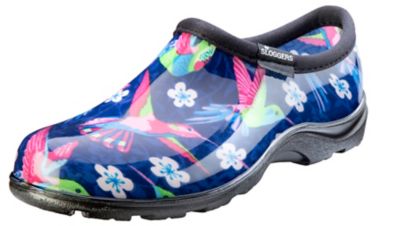
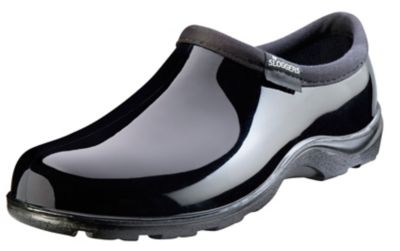
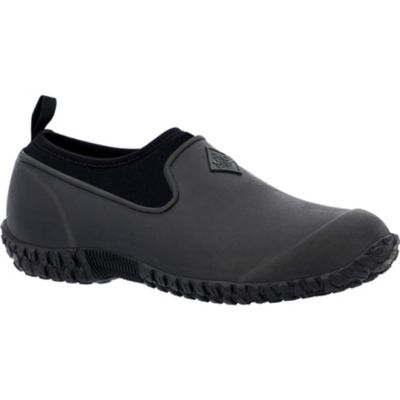
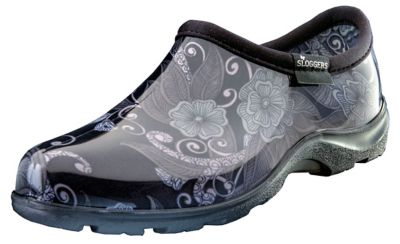
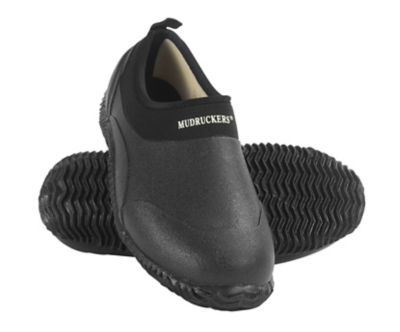
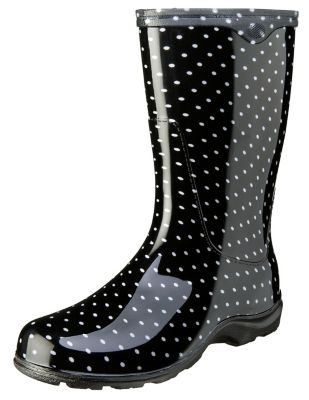
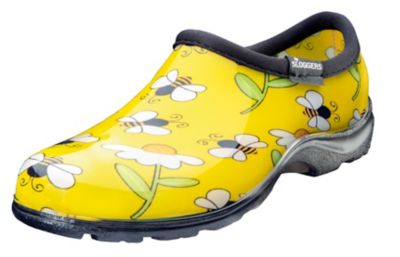
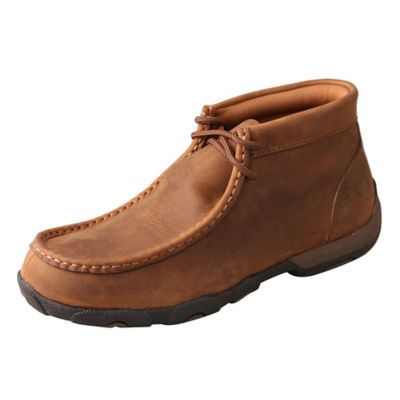
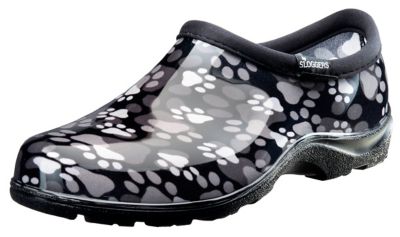
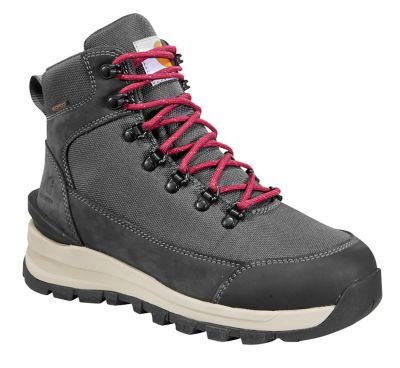
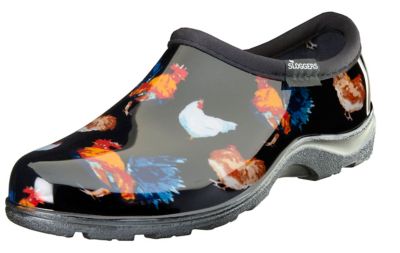
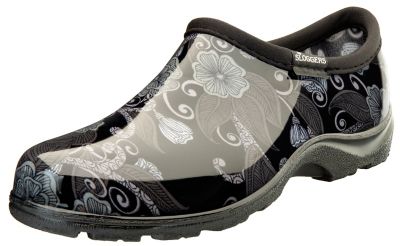
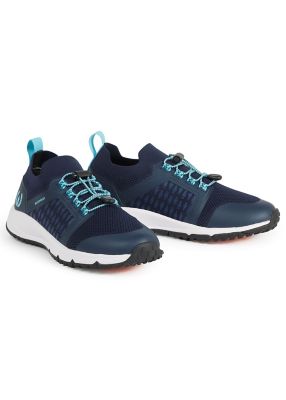
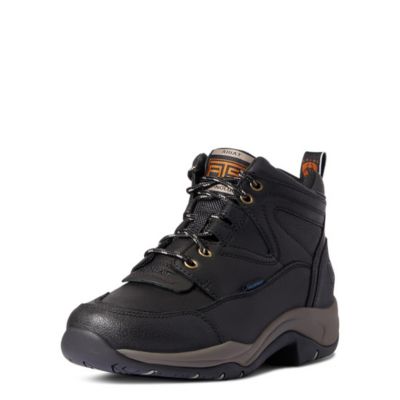
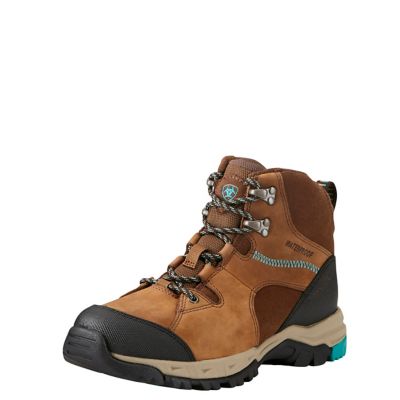
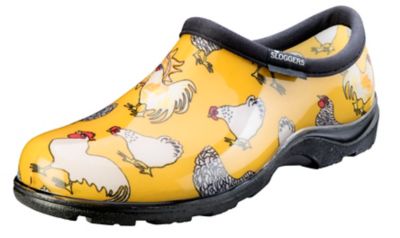
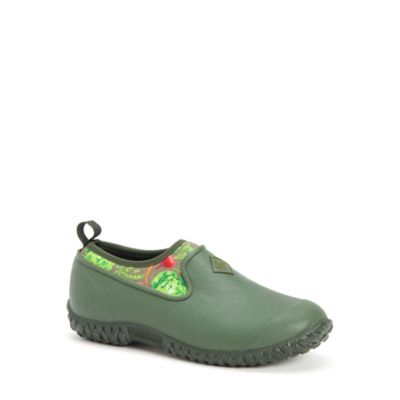
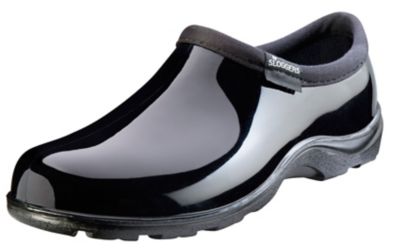
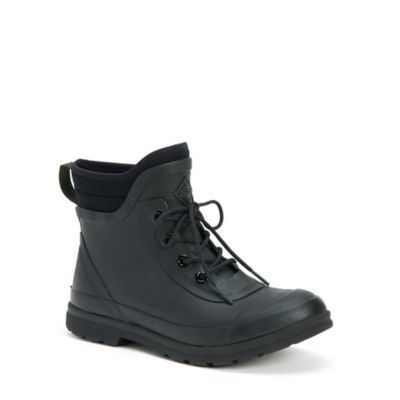
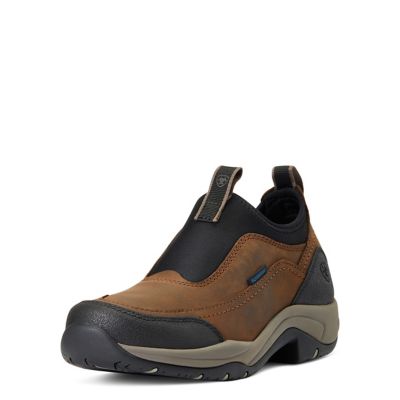
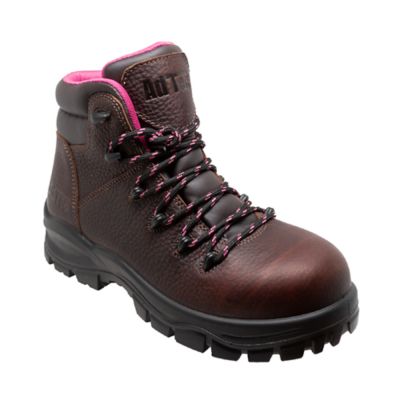
Women's comfortable waterproof shoes pair a water-blocking construction with cushioning, a secure fit, and traction suited to the ground underfoot. They help keep feet dry through rain, wet grass, and everyday splashes, while comfort depends on how the whole shoe fits and moves—not just how soft the insole feels. For women walking down a gravel lane, tending a garden, or heading into town after morning chores, that combination can make a difference over a full day. Waterproof footwear may feature molded rubber, waterproof leather construction, or synthetic uppers backed by a waterproof membrane. Rubber sheds water and wipes clean easily, while leather and synthetic styles offer different levels of flexibility, weight, and airflow. Leather alone does not make a shoe waterproof; the lining, seams, and overall construction matter, too. Sealed seams and a tongue attached along its sides can help limit places where water might enter, depending on the design. A waterproof shoe is also different from a water-resistant shoe, which may handle light splashes without providing the same protection during sustained wet conditions. Even with waterproof construction, water can enter over the opening, so low-cut shoes have practical limits in deeper puddles. Breathable membranes can allow some moisture vapor to escape, but feet can still feel damp from perspiration during active work. Everyday walking shoes often favor flexible movement and a cushioned feel, while trail-oriented styles may have firmer soles and more substantial tread for uneven paths. The outsole deserves attention alongside the upper: widely spaced tread can shed mud more readily, and pronounced lugs can help grip loose ground. A slip-resistance claim is a separate feature to check rather than something to assume from waterproof labeling. Wet boards, smooth concrete, and slick rock each present different footing challenges, and no sole eliminates the need for care. The most useful combination depends on whether the day involves steady walking, frequent stops, or spending several hours on your feet.
A comfortable fit leaves enough room for toes to spread without allowing the foot to slide around inside the shoe. A snug heel, adequate width through the forefoot, and room over the top of the foot all contribute to that balance. Length alone does not tell the whole story, especially for women who need a wider fit, wear thicker socks, or have one foot slightly larger than the other. Trying shoes with the socks intended for regular wear gives a better sense of how the combination will feel on a long walk or a day of errands. Feet often expand somewhat throughout the day, so a fit that feels cramped after several hours is worth taking seriously. Waterproof materials and linings can affect how much an upper stretches, making a comfortable fit from the start more important than counting on a tight shoe to loosen up. Lace-up styles offer adjustment through the instep and can help hold the heel in place on slopes. Slip-on styles make getting out the door simpler, though the opening and heel shape still need to keep the shoe secure without pinching. Underfoot, cushioning helps soften each step, while a stable platform can feel more comfortable than an overly soft sole when standing for stretches at a time. Arch support varies by footbed shape, and a pronounced arch is not automatically a better match for every foot. Removable insoles can be helpful for women who wear their own supportive inserts, provided the shoe has enough interior space and the replacement does not crowd the toes or lift the heel too high. Smooth linings, padded collars, and well-placed seams also matter when walking farther than the distance from the porch to the truck. Flexibility at the forefoot supports a natural step, while enough structure through the middle of the shoe can keep it from feeling overly bendy on rough ground. Comfort should hold up across the actual routine, whether that means carrying groceries, checking a fence line, or walking the dog along a damp path.
Materials and construction also influence how waterproof shoes stand up to repeated wear. Reinforced toe areas can help protect against scuffs, and secure stitching or bonded seams help keep the upper together through regular bending. Outsoles gradually wear down, especially where the heel lands and the forefoot pushes off, so tread condition matters even when the upper still looks fine. A separating sole, cracked rubber, or damaged lining can affect performance and signal that a pair needs attention. Care varies by material, but removing mud and letting shoes dry with good airflow helps keep them ready for the next outing. A soft brush can clear dirt from tread grooves, while a damp cloth is often enough for smooth rubber surfaces. Leather may need a suitable cleaner and conditioner according to the maker's directions; fabric and synthetic uppers can require a different approach. Harsh cleaners, machine washing, and high heat are not appropriate for every shoe. Drying footwear near a heater or in a hot dryer can harm some adhesives and materials, so ordinary air drying is generally the safer starting point unless the care directions say otherwise. Removing insoles when the design allows can help the inside dry more thoroughly. Water-repellent treatments may help moisture bead on certain uppers, but they do not repair a damaged waterproof barrier. For less weight underfoot on everyday walks, browse
Women's Lightweight Waterproof Shoes with fit and traction in mind. A lighter shoe may suit errands and maintained paths, while rougher ground may call for more structure and underfoot protection. Waterproof walking footwear can also make a thoughtful gift for someone who spends plenty of time outside, especially when her size, preferred width, and usual activities are known. Everyday waterproof shoes are not a substitute for protective work footwear when safety-toe, electrical-hazard, or other workplace ratings are required. Matching the shoe to the task helps keep the focus where it belongs: dry feet, comfortable movement, and a steady fit from the first chore to the walk back home.