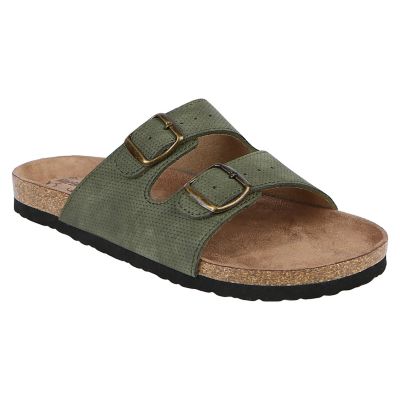
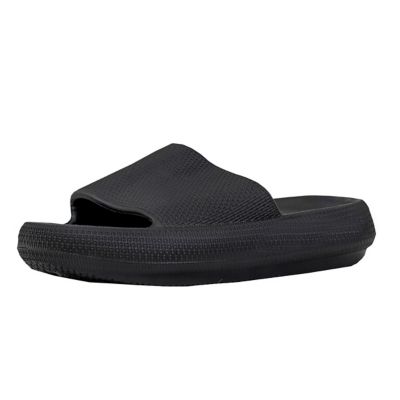
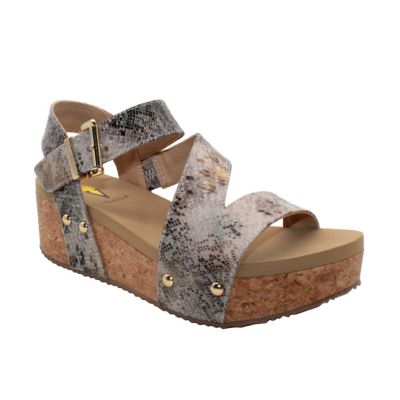
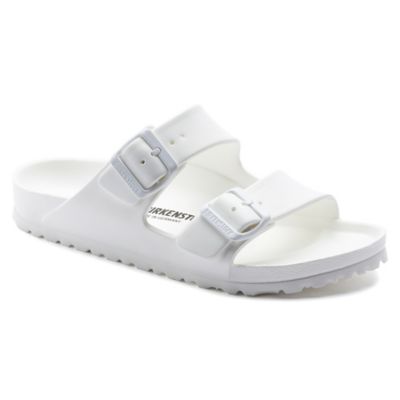
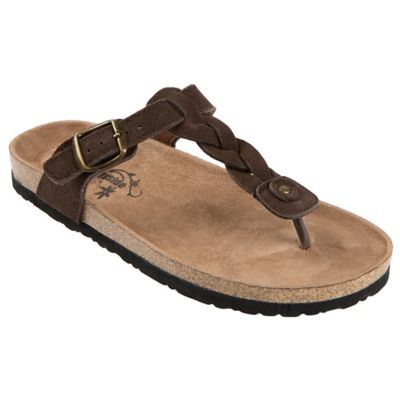
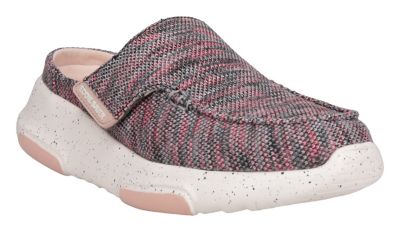
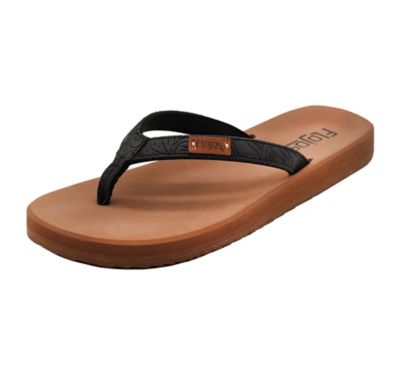
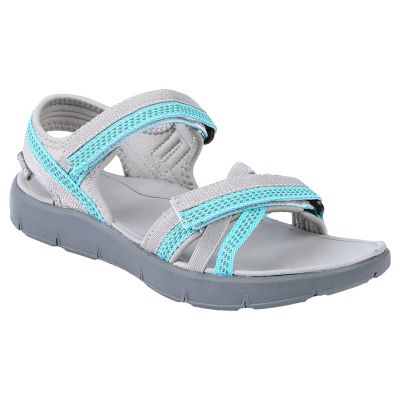
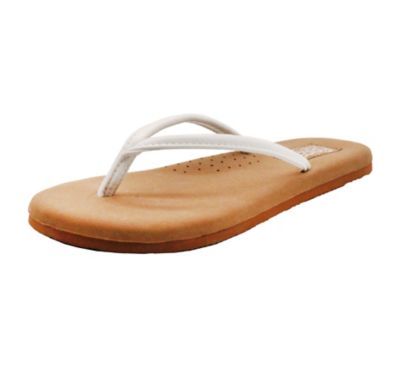
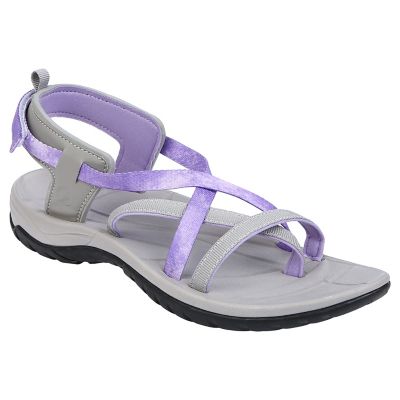
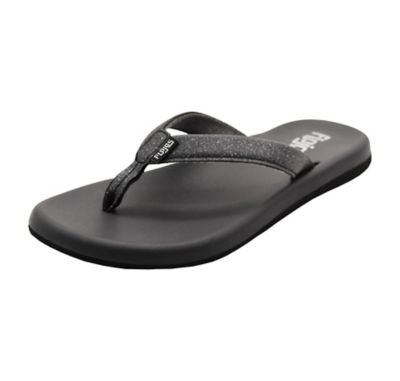
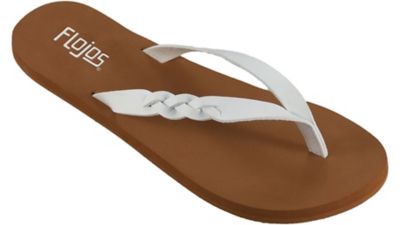
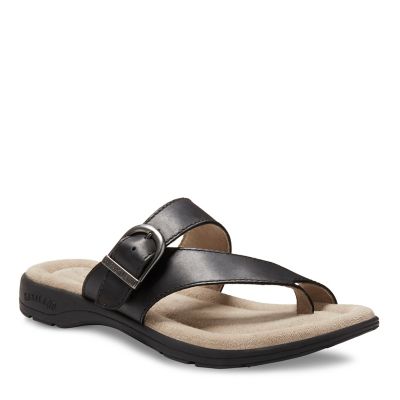
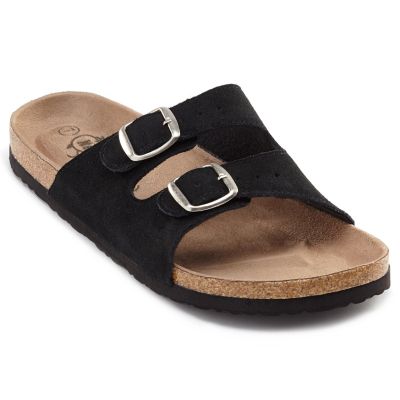
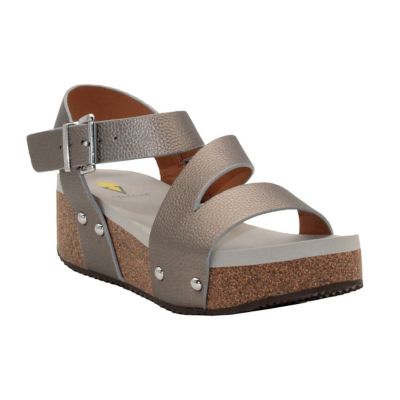
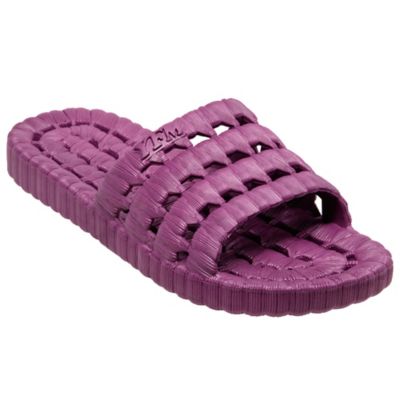
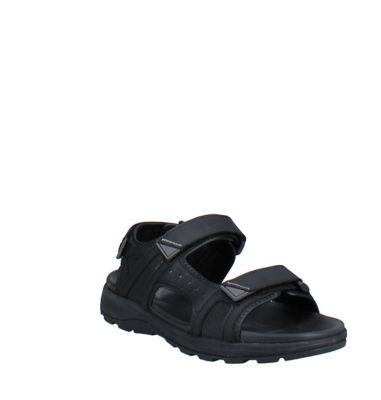
Casual sandals for women bring an easygoing feel to everyday outfits, with styles ranging from slip-on slides and strappy flats to fisherman sandals and cushioned walking sandals. The differences go beyond looks: strap placement, footbed shape and sole construction all affect how a pair feels on a trip into town or an afternoon spent visiting with friends. Slides keep things simple for short outings and time around the house, while sandals with adjustable ankle or heel straps offer a more secure fit for longer stretches on foot. Fisherman styles have an interwoven upper that provides more coverage without the enclosed feel of a shoe. Toe-post sandals leave much of the foot open, and broad cross straps spread contact across the top of the foot rather than concentrating it in one narrow spot. Leather uppers bring a natural texture that pairs well with denim, cotton pants and everyday dresses, though their feel can range from soft and flexible to structured and firm. Synthetic straps can offer a smooth, consistent finish, while textile straps often have a lighter, more flexible feel. The lining matters, too, since the surface against bare skin can make as much difference as the outside material. Smooth seams and softly finished edges help keep straps comfortable where they cross the toes or wrap around the heel. Neutral shades fit easily into a small everyday wardrobe, while brighter colors or patterned straps add a little personality to a plain shirt and jeans. Flat profiles keep the look relaxed, and a modest wedge gives a different shape without the narrow base of a slender heel. From lunch after church to browsing a roadside market, the right style depends on how much walking the day holds and what feels good underfoot. A sandal that looks right with a favorite pair of cropped jeans should also feel comfortable during the ordinary standing, strolling and sitting that fill the day.
Fit is especially noticeable in open footwear because the edges of the footbed and the position of each strap are easy to see and feel. A comfortable fit leaves the toes and heel resting fully on the footbed, without hanging over the front or back. A little room around the foot is helpful, but too much extra length can make a sandal feel awkward. Width deserves just as much attention as length: toes need space to rest naturally, and the outside edge of the foot should not spill over the sole. Adjustable buckles and hook-and-loop straps can help accommodate different instep heights, although a strap cannot make an undersized footbed fit properly. Heel straps should hold the foot in place without digging into the skin, and toe posts should sit comfortably rather than forcing the toes apart. Leather may soften with wear, but an uncomfortable fit is not something to count on fixing through break-in alone. Underfoot, cushioning helps soften contact with hard surfaces, while a shaped footbed can provide a more defined resting place for the heel and arch. Thick padding and support are not the same thing; some women prefer a softly cushioned feel, while others feel more settled on a firmer, contoured base. A secure sandal should move with the foot without requiring the toes to grip at every step. For walking between shops or standing through a community gathering, that combination of fit and support matters more than appearance alone. Sole flexibility also plays a part, allowing movement near the ball of the foot without making the entire sandal feel floppy. Tread can help with grip, but traction varies by material and surface, and no sandal makes every walkway slip-free. Substantial stitching, neatly joined straps and firmly attached hardware contribute to how well footwear holds together through repeated wear. Even a well-constructed casual sandal has its limits: open footwear belongs with everyday leisure activities, not chores involving livestock, sharp tools, heavy equipment or other hazards that call for protective footwear.
Care depends on the materials, and a little attention after everyday wear can help sandals keep their shape and finish. Loose dirt caught around straps, stitching and footbed edges is easier to remove before it builds up. A soft brush or cloth is often enough for surface dust, while deeper cleaning should follow the maker’s directions for the upper, lining and sole. Smooth leather may benefit from a suitable leather care product, but suede and nubuck need a different approach to protect their textured surfaces. Synthetic and textile components have their own cleaning limits, so a washable-looking strap does not necessarily mean the whole sandal can go into a washing machine. Footbeds also deserve attention because they sit directly against the skin; gentle cleaning and complete drying help keep them fresh between wears. Direct heat can affect adhesives, shrink some materials or stiffen leather, making a well-ventilated spot away from a heater a better place to dry footwear. Fastening straps before storage helps prevent them from catching on neighboring shoes, and keeping heavier footwear off the uppers helps avoid bent buckles and flattened straps. Occasional checks for loose stitching, separating soles or worn tread can reveal when a pair needs attention or replacement. For travel, sandals with a low profile take up less room in a bag, while adjustable styles offer flexibility for days that include both sitting and walking. As a gift, casual sandals make the most sense when the recipient’s size, preferred width and favorite strap style are already known; comfort is personal, especially with footwear worn against bare skin. For outfits or outings that call for more coverage,
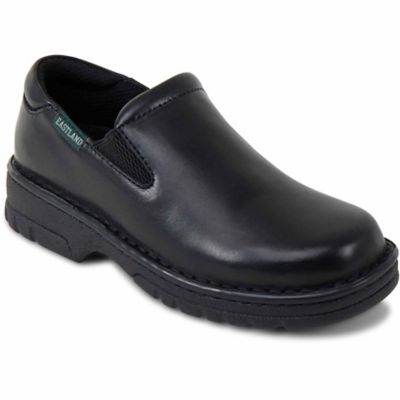
Casual Leather Shoes For Women offer a closed-toe alternative with a similarly relaxed feel. Sandals earn their place in an everyday footwear lineup through a comfortable fit, materials that suit the routine and a shape that feels natural from the first step out the door to the walk back home.