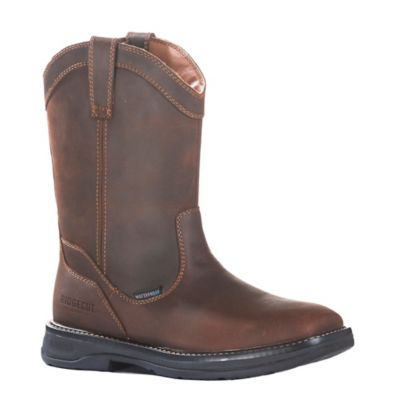
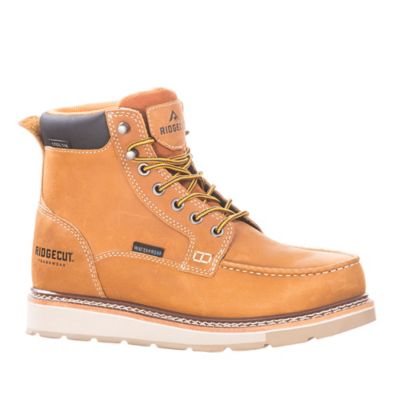
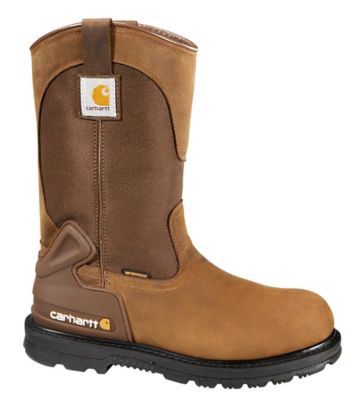
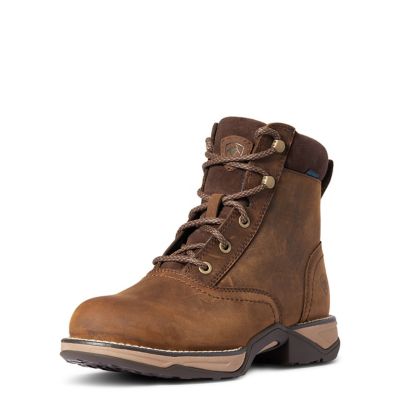
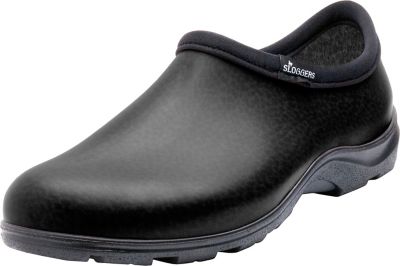
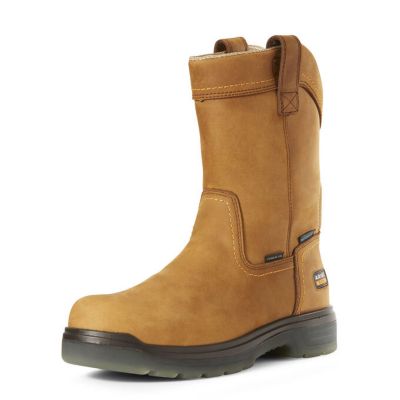
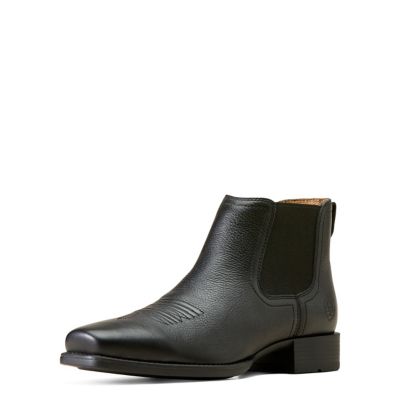
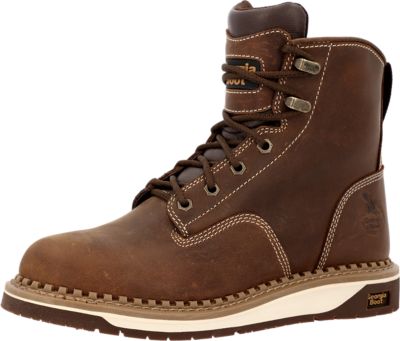
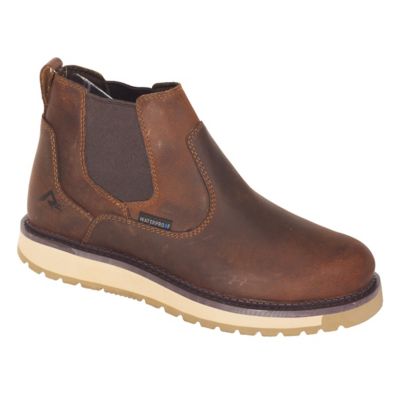
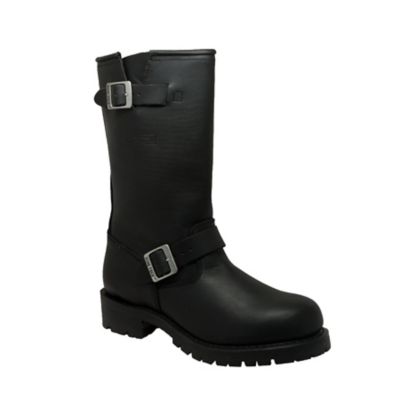
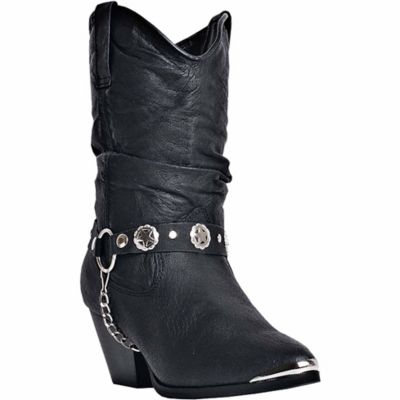
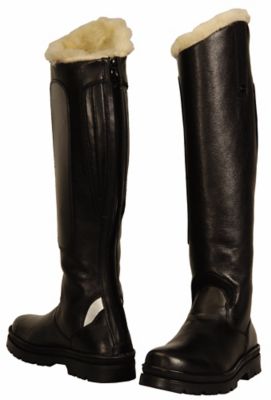
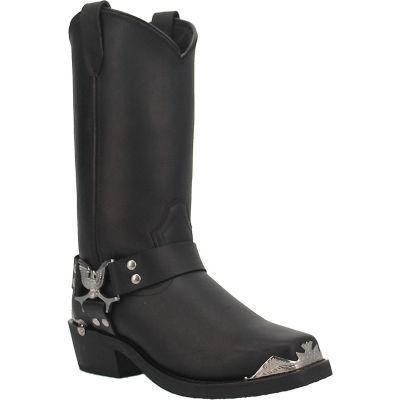
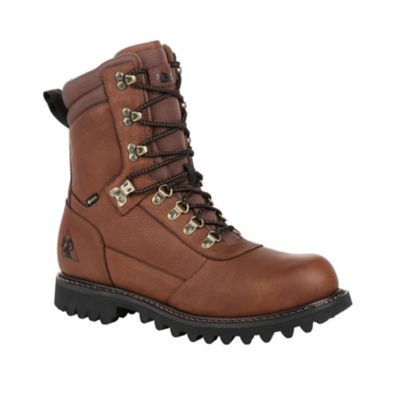
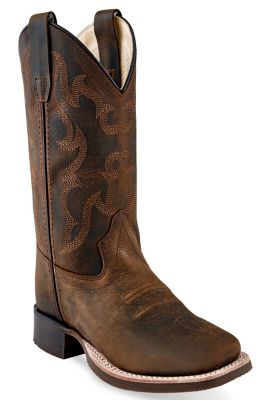
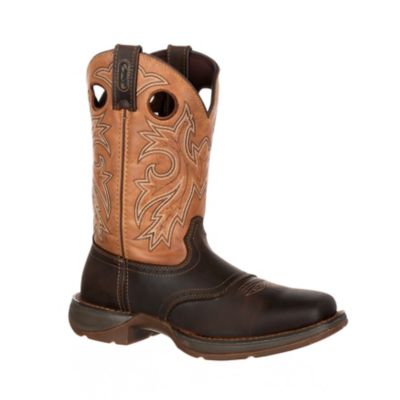
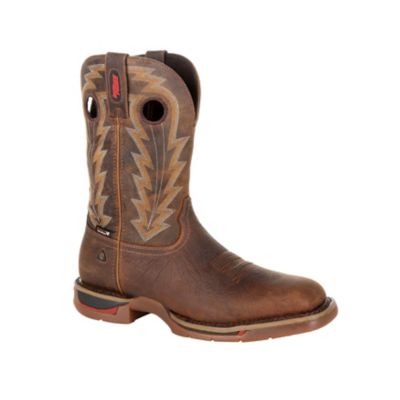
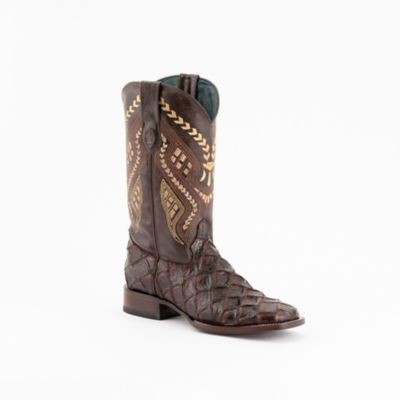
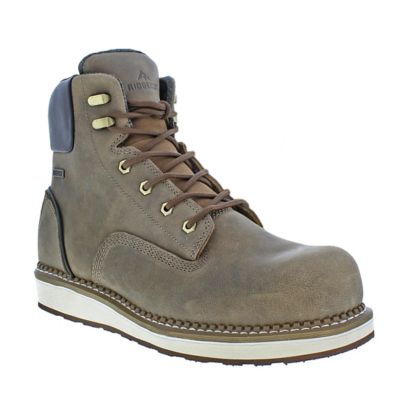
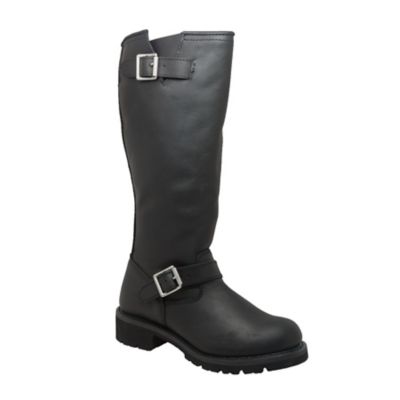
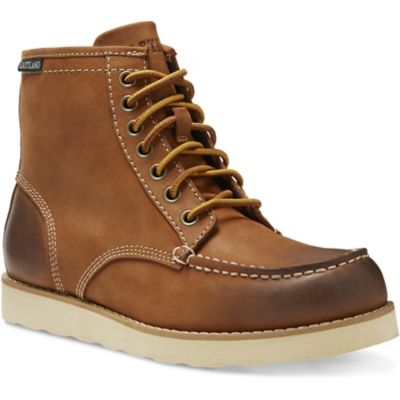
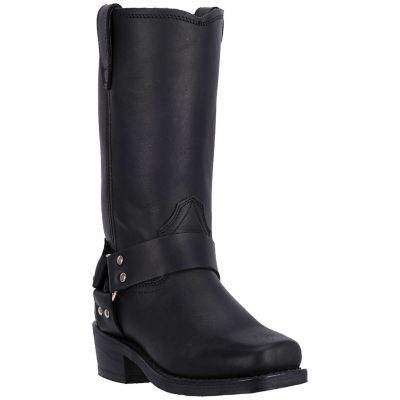
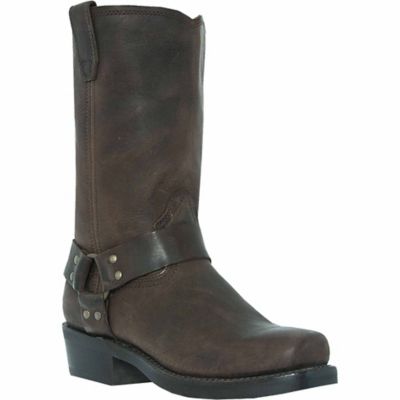
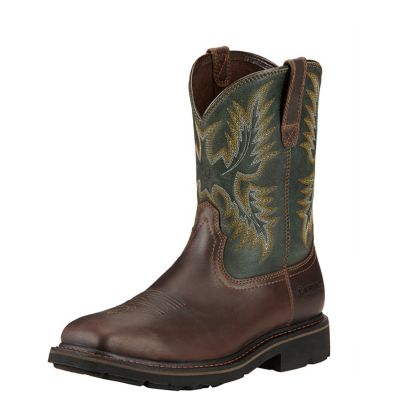
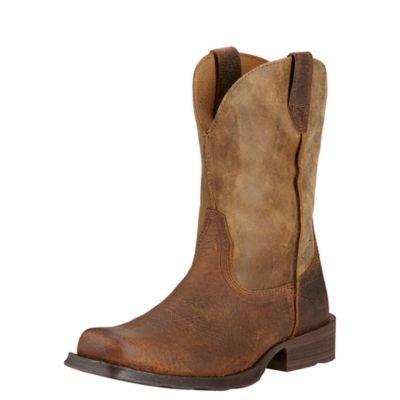
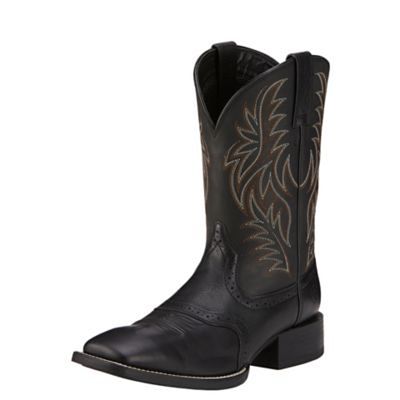
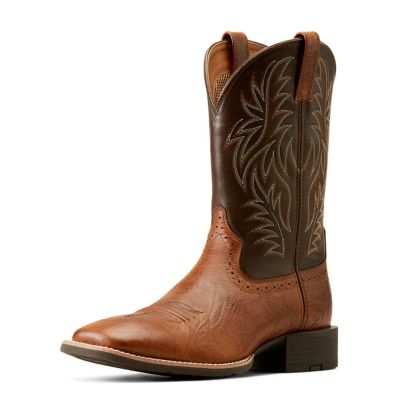
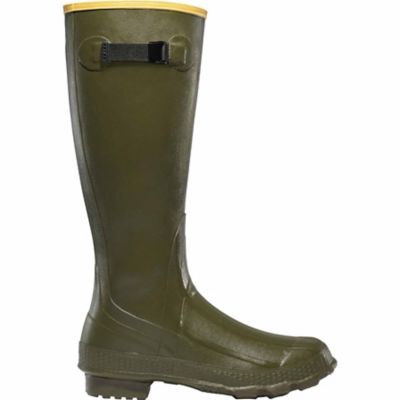
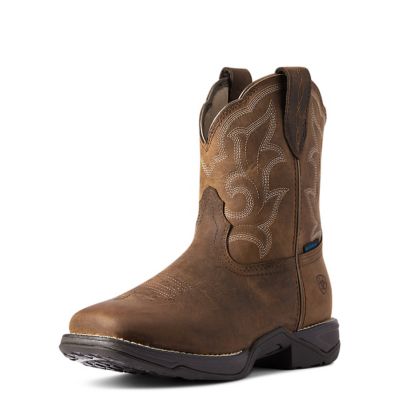
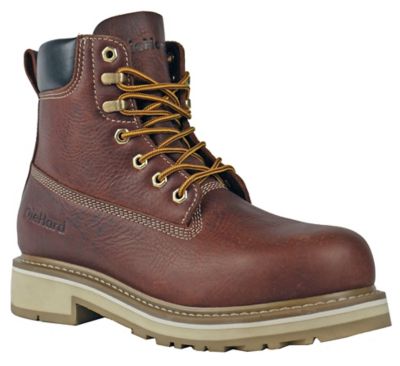
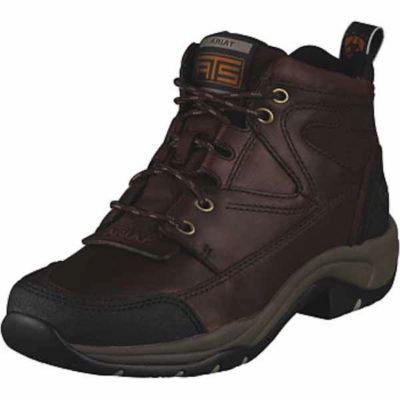
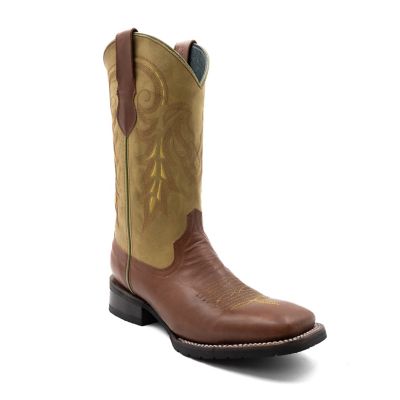
Comfortable leather boots bring together a good fit, cushioning underfoot and support that suits the day ahead. For some folks, that means steady footing through a morning of chores; for others, it means a pair that feels good walking across town or standing through a long shift. Leather has a natural feel and can soften with wear, but comfort comes from the whole boot, not just the upper. Toe shape, sole flexibility, heel height, lining and footbed all affect how a pair feels from the first step to the last walk back to the truck. Full-grain leather keeps its natural surface and often starts out firmer, while many top-grain leathers have a smoother finish and a softer initial feel. Suede and nubuck offer a soft, textured surface, though they generally need more attention around mud and moisture. Leather thickness and finish matter, too: a substantial work boot may feel quite different from a lighter ankle boot, even when both have leather uppers. Inside, smooth seams and a well-fitted lining help limit rubbing, while moisture-managing materials can make a difference when feet warm up during an active day. Cushioned footbeds soften the feel underfoot, and supportive contours may help distribute pressure more evenly. Neither feature makes up for a poor fit, but both can contribute to everyday comfort. Comfortable leather boots come in several shapes, including lace-up work styles, pull-on Western silhouettes, ankle boots and Chelsea styles with stretch panels. Lace-up designs allow more adjustment across the instep, while pull-on construction keeps getting out the door simple. A lower heel often suits walking and standing, and a taller shaft adds coverage around the ankle or calf. The right combination depends on whether the day calls for gravel lanes, shop floors, a church gathering or a little of each. Good everyday comfort starts with matching those details to the places the boots will go.
Fit deserves as much attention as the leather itself, especially when boots will stay on for hours. A comfortable toe box gives toes room to rest naturally without squeezing them together, and the widest part of the foot should sit comfortably in the widest part of the boot. A broad or rounded toe can offer welcome space, although the actual width and shape matter more than appearance alone. Going up in length to make a narrow boot feel wider can leave too much movement elsewhere. Width options are worth considering for feet that need extra room, and a higher-volume fit may better accommodate a fuller instep. The heel should feel secure without painful pressure; a small amount of heel movement can be normal in some new pull-on boots, but repeated rubbing or slipping forward suggests a mismatch. Leather may give a little across pressure points as it settles in, yet break-in should not mean putting up with pinched toes or numbness. Socks are part of that fit. A pair that feels roomy with thin socks may feel snug with heavier ones during the cooler months, and feet often need a little more space later in the day. Removable insoles offer flexibility for people who wear their own supportive inserts, provided the boot has enough interior depth to accommodate them without crowding the foot. Underneath, cushioning and structure do different jobs. A soft footbed can ease the feel of a hard surface, while a supportive midsole and shank help manage flex through the boot. A sole that bends near the ball of the foot supports a natural step, though some work settings call for a stiffer build. For walking around a fairground or spending an afternoon on concrete, overall weight also matters. Heavy construction has its place, but it is not automatically more comfortable. A balanced boot feels secure at the heel, leaves breathing room at the toes and supports the foot without fighting every stride.
Intended use helps separate a comfortable everyday leather boot from one suited to tougher conditions. Rubber outsoles with defined tread can provide grip on uneven ground, while shallower tread may track less dirt from the driveway into the house. Slip-resistant construction can help on certain surfaces, but no sole guarantees footing on ice, wet boards or slick barn floors. For jobs with specific hazards, safety-toe protection and other workplace features need to match the employer’s requirements; a sturdy-looking leather upper alone does not establish protection. Weather protection also varies. Leather is not automatically waterproof, and water-resistant finishes are different from boots built with waterproof membranes and sealed construction. Insulation can add warmth for slower outdoor tasks during the cooler months, while lighter linings may feel better for active work or days spent mostly indoors. Shaft height matters for coverage, but calf fit matters just as much: taller boots should leave room for comfortable movement and the clothing worn beneath them. For everyday outfits, jeans and leather boots are a familiar match, and ankle or taller silhouettes can work with skirts and dresses, too.
Women's Leather Boots offer another way to explore the theme with fit and styling in mind. Across styles, regular care helps leather stay supple and stitching remain easier to inspect. Brushing away dry dirt, wiping off mud with a damp cloth and letting boots dry away from direct heat can help prevent unnecessary wear. Conditioning products should suit the leather’s finish, since smooth leather, suede and nubuck do not all take the same treatment. Wet insoles benefit from time to dry, and rotating pairs gives interiors a chance to air out. Worn-down heels, separating soles and loose stitching deserve attention before a small problem grows. Leather boots can also make a thoughtful gift for someone who spends plenty of time on their feet, especially when their size, width and preferred style are known. The best match is a pair that fits their actual routine, from feeding time to supper out.