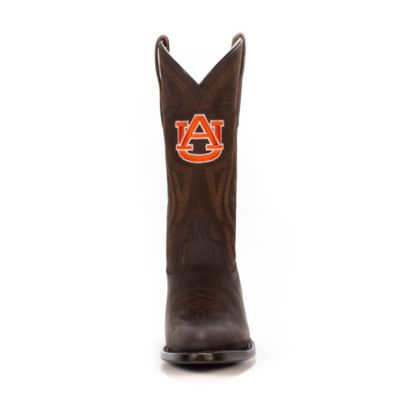
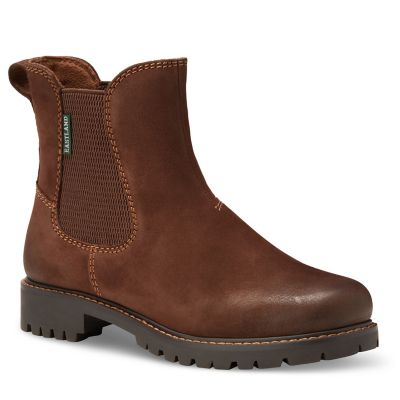
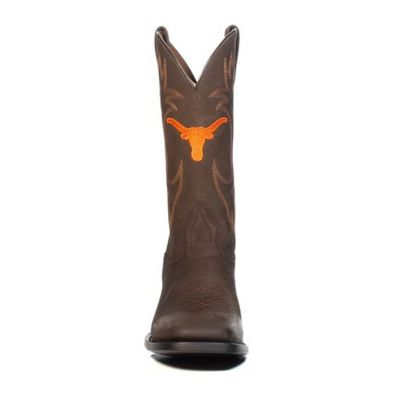
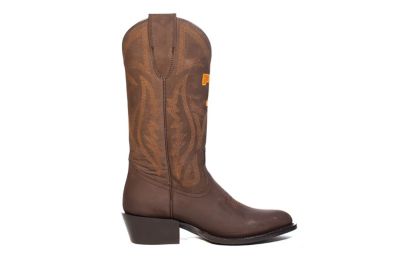
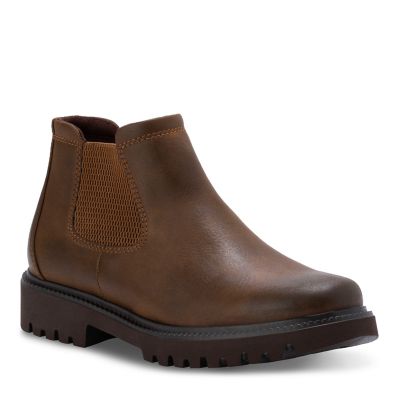
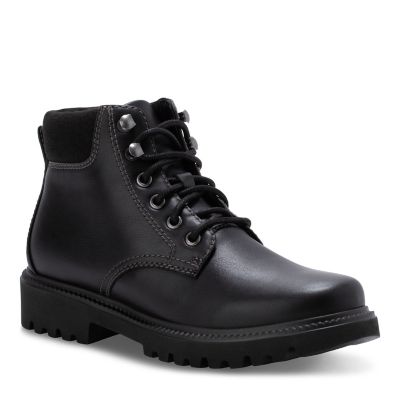
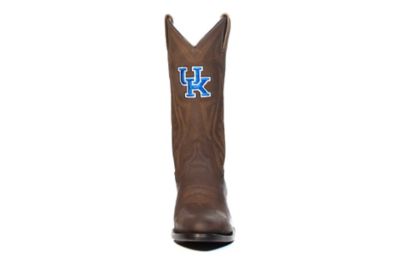
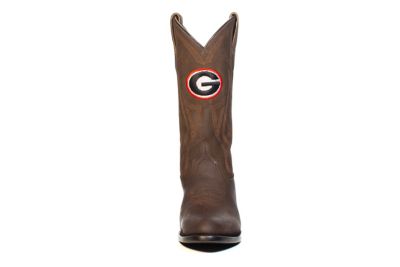
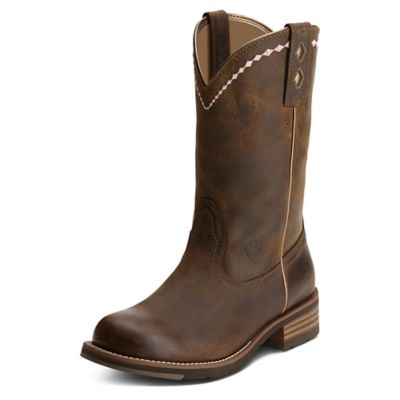
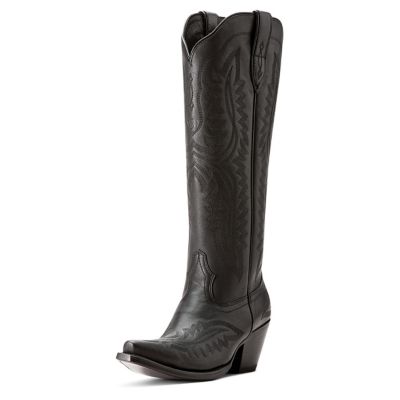
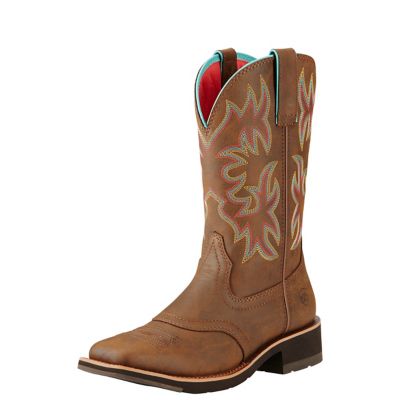
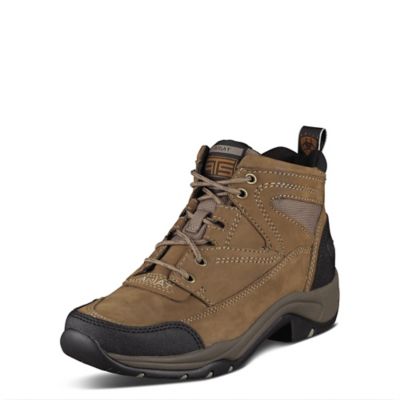
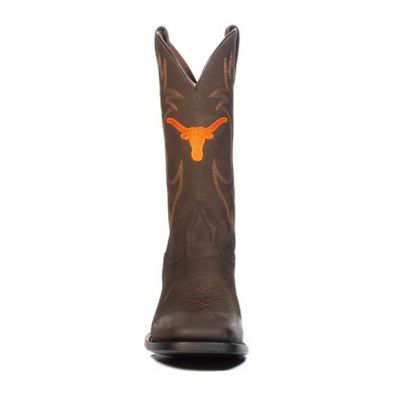
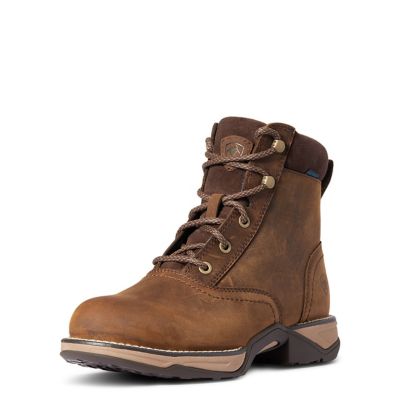
Comfortable college boots bring together a secure fit, underfoot cushioning, and enough flexibility for the miles between classes, meals, work, and home. Campus days rarely happen in one place: there’s the walk from the parking lot, a long stretch at a lab bench, stairs to the library, and an evening spent on your feet with friends. Boots that feel balanced through those changes earn their place by the door. Cushioning softens contact under the heel and forefoot, while a shaped footbed helps support the foot rather than simply surrounding it with foam. A steady heel, room for toes to spread, and a sole that bends near the ball of the foot all contribute to a more natural stride. Lightweight construction can also make a difference when a backpack is already carrying a full day’s worth of books. Leather, suede, and synthetic uppers each bring a different feel to campus footwear. Leather can soften and develop creases with regular wear, suede offers a softer surface, and synthetic materials vary in weight, flexibility, and cleaning needs. The lining matters, too, especially for students who keep their boots on through back-to-back lectures. Breathable linings and moisture-managing footbeds can help keep the interior more comfortable during long stretches of wear. Lace-up boots offer adjustment across the top of the foot, pull-on boots keep getting dressed simple, and ankle boots fit easily into an everyday rotation. Western boots bring a familiar look for students who want a little hometown character on campus. Across these styles, reinforced stitching, a well-attached sole, and substantial material at high-wear areas are worth noticing. A padded collar may soften contact around the ankle, while a smooth interior helps limit rubbing. The best match is less about a particular silhouette and more about how the whole boot feels from the first walk across campus to the last trip up the dorm stairs.
Fit is where comfortable college boots either settle into the routine or become a distraction. The foot should sit securely without pressure across the toes, instep, or sides, and toes should have space to move without sliding forward at every step. Trying boots with the socks intended for everyday wear gives a better sense of that balance; thicker socks take up more room than a thin pair. Checking both feet matters because one may be slightly larger, and a fit check after a normal day of activity can reveal tight spots that were less noticeable earlier. A short walk should include turns, a few steps, and time standing still. Those movements can reveal whether the heel rubs, the foot slips, or the shaft presses against the leg. Some pull-on and western styles allow a little heel movement at first, but repeated rubbing or a foot that slides around calls for a closer look at size and shape. Leather may soften with wear, but pinched toes and uncomfortable pressure are not a good starting point. Laces allow small adjustments between the forefoot and ankle, while elastic panels and zippers make certain styles easier to get on and off. Shaft height and opening size affect comfort when sitting through a lecture just as much as when walking to the next building. Low, broad heels generally offer a steadier platform for frequent walking than narrow, taller heels. Outsole tread is another practical detail, especially on routes that cross pavement, brick paths, and packed ground. For students who wear an orthotic, a removable footbed can make room for that support without crowding the foot, provided the boot has enough interior space. Even a soft insole can feel wrong if it lifts the heel too high or squeezes the toes. Comfort comes from the fit of the complete boot, not one feature by itself.
College life asks footwear to move between plenty of settings, so straightforward care helps boots stay ready for the next outing. Dust and loose dirt are easier to brush away before they settle into seams, and cleaning methods should match the upper material. Smooth leather may benefit from a suitable cleaner and conditioner, while suede generally calls for a brush and care products made for its textured surface. Synthetic uppers have their own cleaning requirements, making the care label a useful place to start. Boots that collect perspiration need time to air out, and removable footbeds can be taken out when the maker’s instructions allow it. Direct heat can damage leather, adhesives, or other components, so a little patience is better than setting boots beside a heater. Rotating pairs, when practical, gives the interiors more time to dry between wears. Keeping an eye on worn tread, loose stitching, damaged laces, and uneven heel wear can help catch small problems before they interfere with a busy day. Style matters alongside that upkeep: ankle boots pair easily with jeans or casual pants, lace-up styles bring a grounded look, and western silhouettes work with denim for class, club meetings, and trips back home. For students whose plans include tailgates, stadium steps, and long stretches of standing,
Boots for College Gamedays brings that part of campus life into focus. Students heading from class to a campus job should also check any workplace footwear requirements, since everyday comfort does not automatically mean a boot has a protective toe or job-specific sole. As a graduation or heading-to-college gift, boots can be a practical reminder of home, especially when the style suits the student’s usual clothes and daily routine. Knowing the recipient’s size, preferred fit, and favorite boot shape makes the choice more personal. A pair that feels right and fits the day’s plans has a good chance of becoming part of the regular campus lineup.