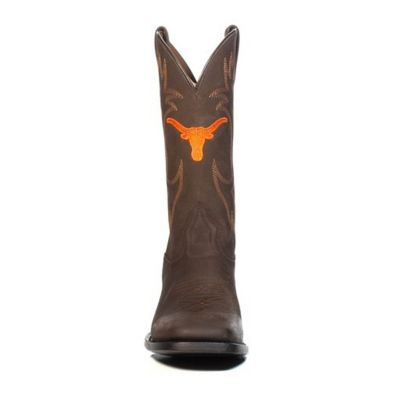
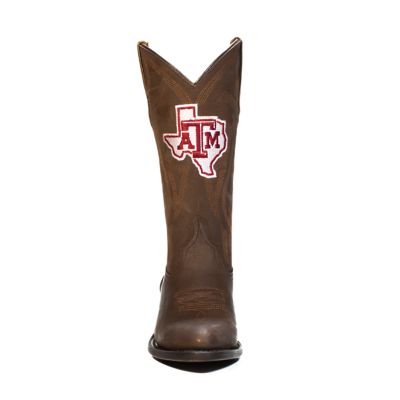
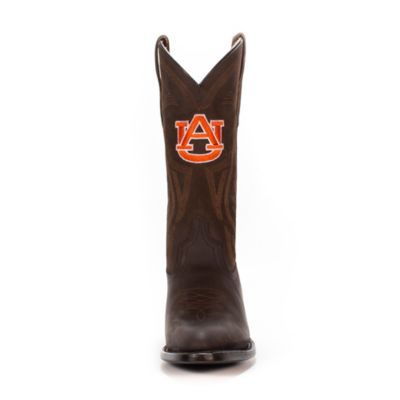
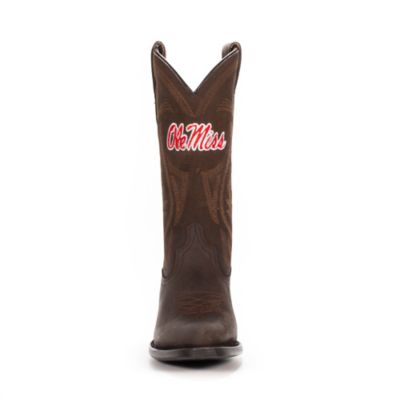
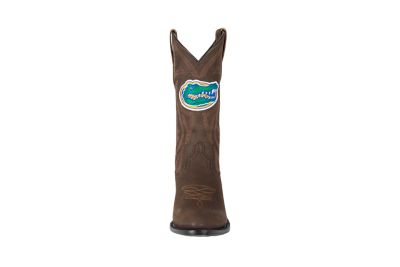
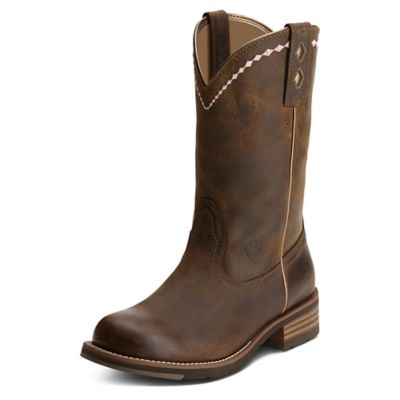
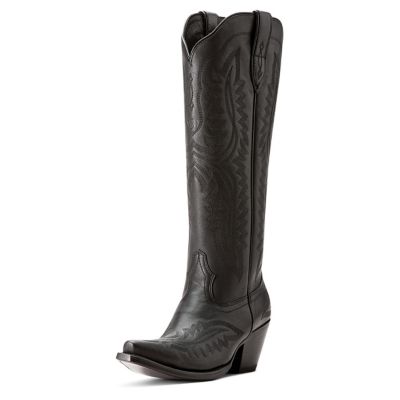
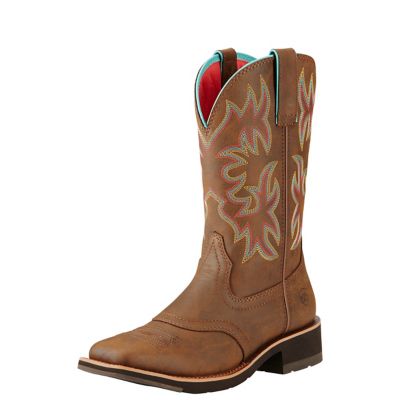
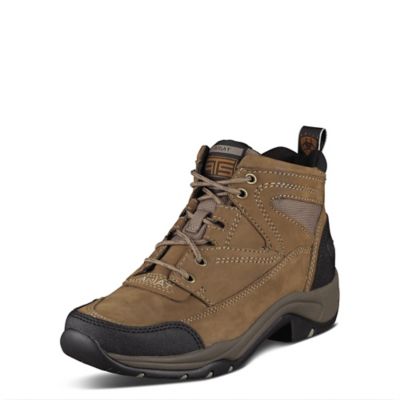
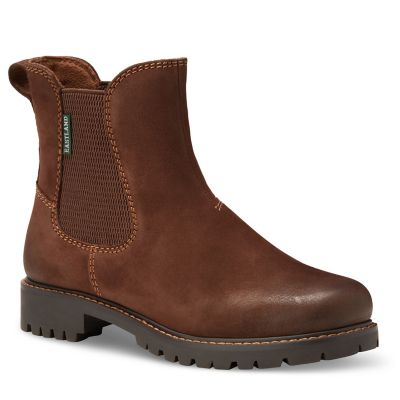
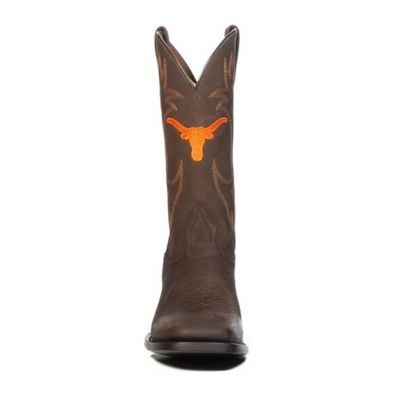
Boots for college gamedays bring a Western look to tailgates, campus walks, stadium seats, and the gatherings that keep going after the final whistle. Cowboy boots and other Western styles pair naturally with school colors, whether the outfit starts with straight-leg jeans and a team sweatshirt or a dress and denim jacket. For students, alumni, parents, and fans traveling in for a rivalry game, the right pair needs to do more than look good in a tailgate photo. A typical game day can mean walking from a distant parking lot, standing beside the grill, climbing stadium steps, and heading across campus for a bite afterward. That mix makes shaft height, heel shape, toe room, and outsole design worth a closer look. A lower walking heel can feel more settled during long stretches on foot, while a taller angled heel gives a more pronounced cowboy profile. Square, round, and pointed toes each bring a different look, but the shape also needs to suit the foot inside. A broad-looking toe does not always mean a wider fit, and a pointed style should still leave space ahead of the toes. Tall shafts make stitching and color part of the outfit when worn with shorts, skirts, or dresses; shorter shafts sit more quietly beneath pants. Leather offers a traditional feel and can develop a softer, broken-in character with wear, while suede has a textured surface that calls for more care around spills and damp ground. Synthetic uppers bring another set of finishes and care needs, depending on their construction. School spirit can come through in a boot color that echoes a jersey or in a neutral shade that works with several team outfits. Brown, tan, and black are easy partners for denim, while brighter accents can make the boots a bigger part of the gameday look without needing a school name on the shaft.
Comfort matters most when kickoff is still hours away and there is plenty of walking left. The fit of gameday boots starts with enough room for the toes to rest naturally, a secure feel across the instep, and a heel that stays controlled as the foot moves. Pull-on Western boots may have a little heel movement at first, but repeated rubbing, pinching, or toes pressing against the front are signs that the fit needs another look. Leather can give with wear, though break-in time will not turn a boot that is too short into the right size. The socks planned for game day also affect fit: a thicker cushioned pair takes up more space than a thin dress sock, and seams that feel minor at home can become noticeable after a long campus walk. Smooth linings, cushioned footbeds, and support under the arch can help with comfort, but no single feature guarantees that a boot will suit every foot. For fans comparing those details,
Comfortable College Boots offers another place to focus on footwear for time spent on campus. Outsoles deserve just as much attention as the uppers. Rubber tread can provide grip on a mix of surfaces, while smoother soles have a different feel underfoot and may call for extra caution on slick steps or damp pavement. Even a sole designed for traction cannot remove every slipping risk. The boot’s weight and flexibility matter, too, especially when the route includes several blocks between the tailgate and the stadium gate. A pair that bends comfortably at the ball of the foot is better suited to that walk than one that fights every stride. Wearing boots for shorter outings before a full football Saturday gives feet time to settle into them and helps reveal pressure points before the day turns into hours of standing. On bleachers or crowded concourses, a steady heel and a secure fit are more useful than extra height.
College football outings can take boots from dusty parking areas to grassy tailgate spots and concrete stadium ramps, so construction and care play a real part in keeping a pair ready for the next game. Even stitching, firmly attached soles, and reinforced areas around high-wear points are details worth noticing. Leather thickness alone does not tell the whole story; the way the upper, lining, heel, and sole work together affects how the boot handles repeated wear. Some fans want a pair mainly for campus events and casual evenings, while others want boots that also fit life around the farm or trips into town. Those needs may overlap, but a Western look does not automatically make a boot suitable for riding, heavy chores, or a jobsite. Purpose-built features matter when footwear moves beyond the tailgate. For gameday wear, care often starts with brushing away grit before it settles into seams and wiping off spills before they leave a mark. Smooth leather generally benefits from a cleaner and conditioner intended for that material, while suede calls for its own brush and care products. Too much conditioner can change leather’s appearance, so product directions and a small test area matter. Damp boots should dry with airflow, away from a heater or other direct heat that can damage the material. Water-resistant treatments and waterproof construction are not interchangeable, and neither replaces checking the maker’s care guidance. Letting a pair air out between outings can also help keep the inside fresh. Boots make a thoughtful gift for a college student, a recent graduate, or an alum who never misses a home game, especially when the recipient’s usual size, width, and preferred heel height are known. A familiar color and an easy-to-pair shape can carry well beyond the stadium, from campus dinners to hometown gatherings. The strongest gameday choice is a pair that feels right on the foot, works with team-day clothes, and holds up to the walk back to the truck after the crowd clears.