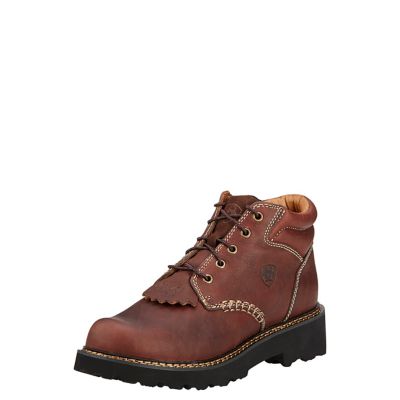
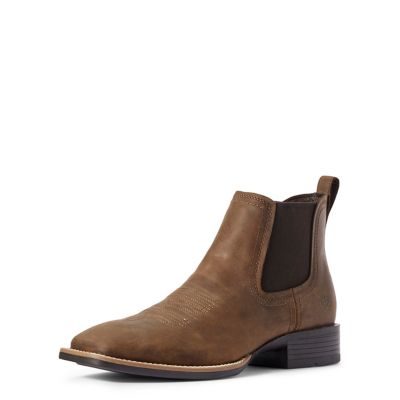
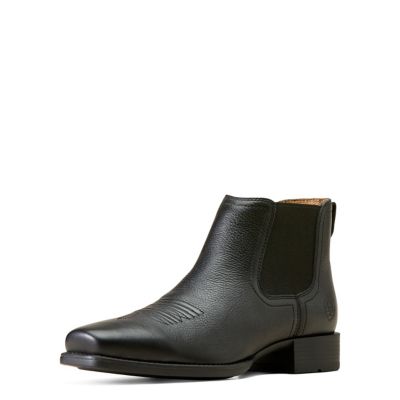
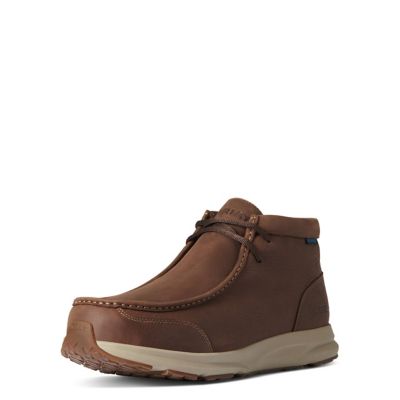
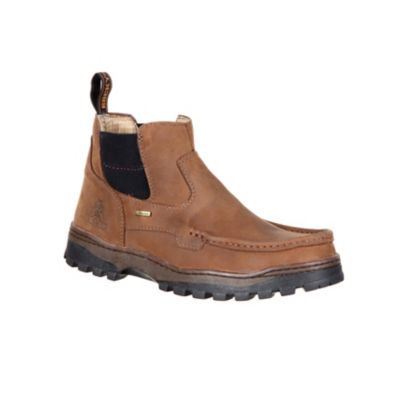
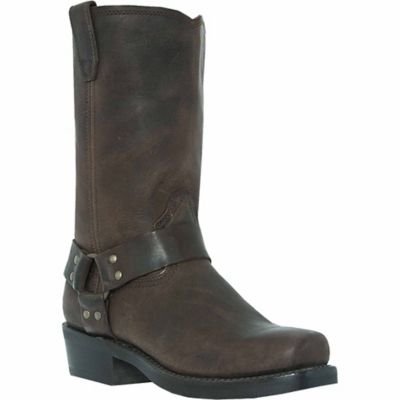
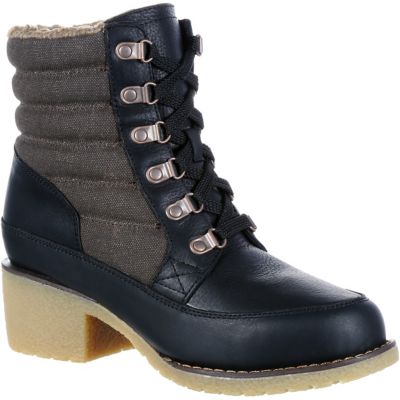
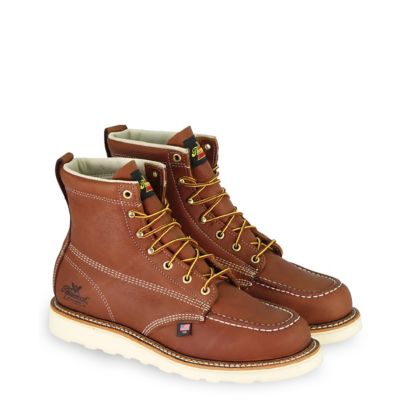
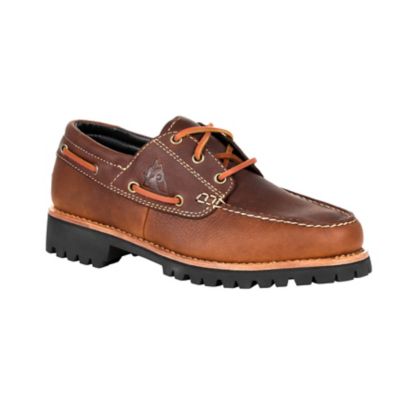
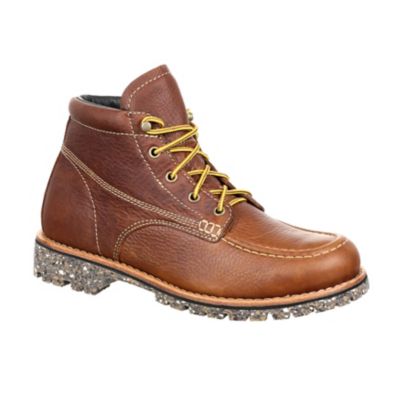
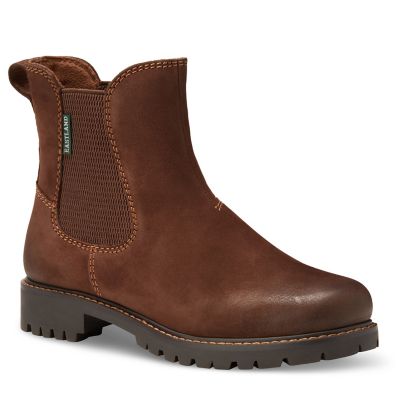
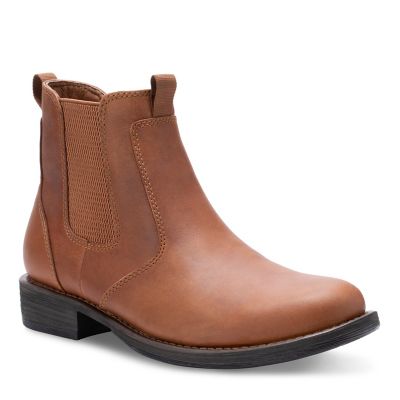
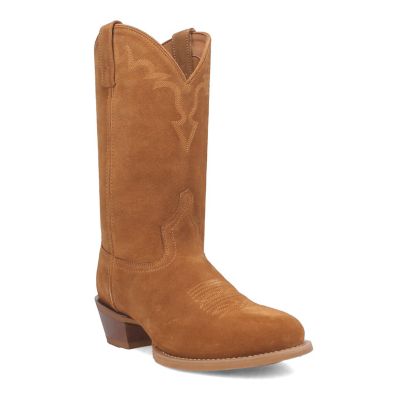
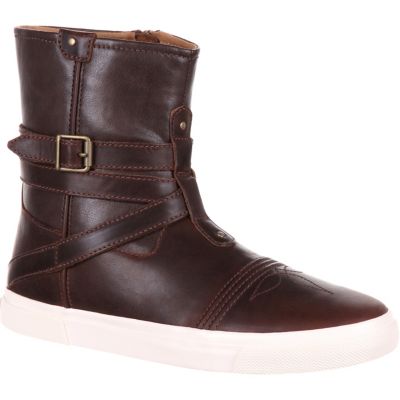
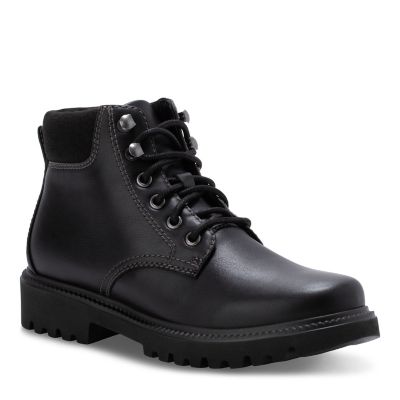
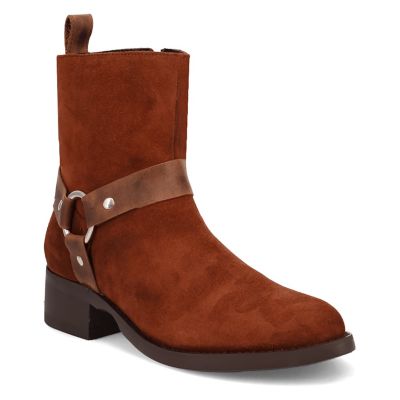
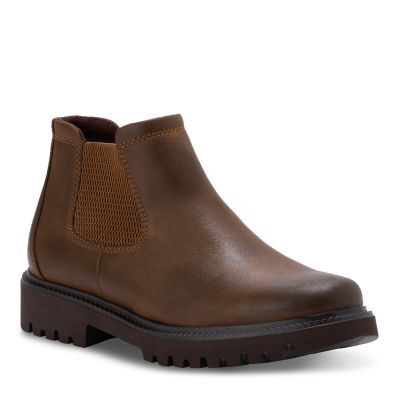
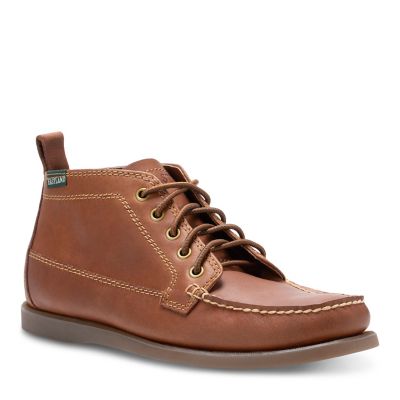
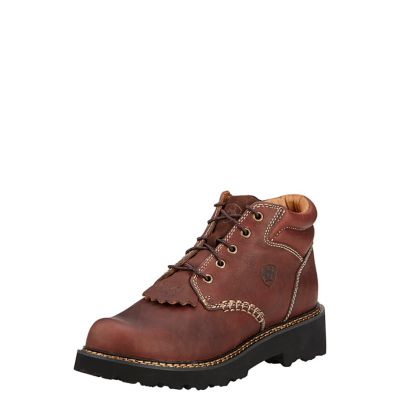
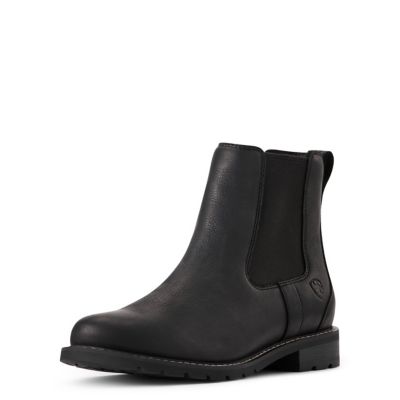
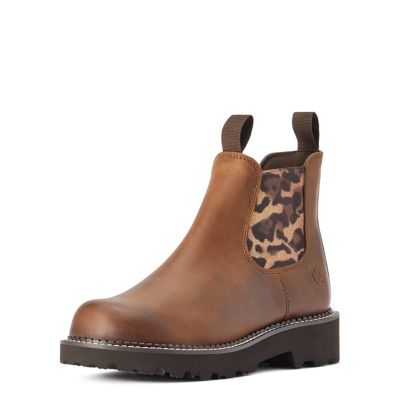
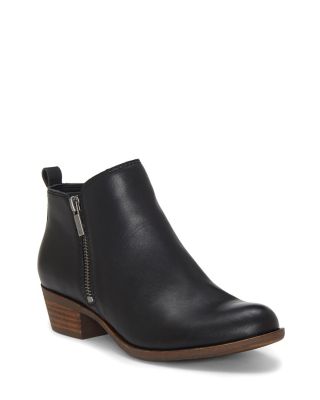
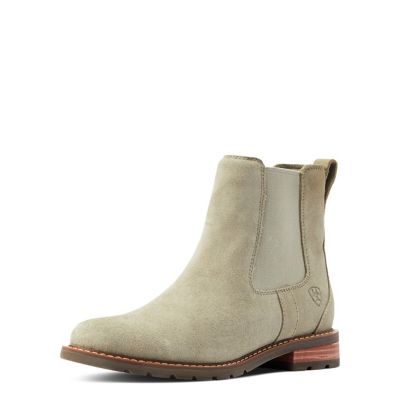
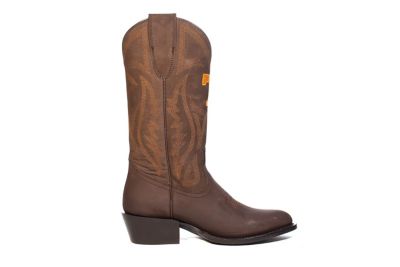
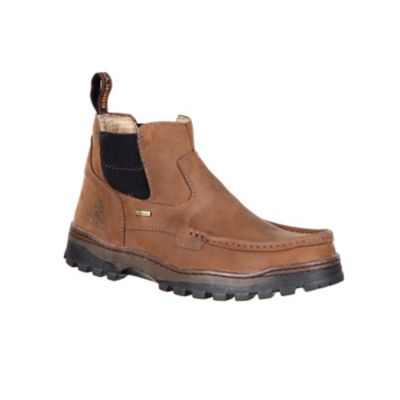
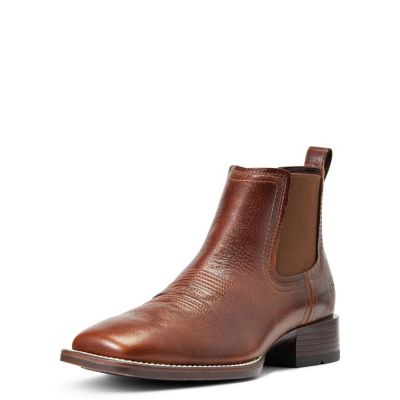
Casual boots for college have to pull their weight. A typical day on campus can mean walking from a residence hall to class, crossing a gravel parking lot, standing in line for lunch, and heading back out for a study group or club meeting before dinner. The right pair should look easygoing with jeans, joggers, chinos, leggings, or workwear-inspired layers while giving feet enough support for all those miles. Look for cushioning underfoot, a steady heel, and a sole with dependable tread instead of a flat, slick bottom that feels fine in a store but wears hard on sidewalks. Lace-up boots offer a secure fit and can be adjusted with thicker socks as the weather turns cooler. Chelsea-style and other slip-on boots are handy for busy mornings, especially when a student is trying to get out the door with a backpack, coffee, and half a dozen things on their mind. Rugged outdoor-inspired boots bring extra stability for uneven paths and wet ground, while cleaner leather or suede styles can move from a daytime lecture to dinner without looking out of place. College boots are also a thoughtful gift for a student heading away from home. A dependable pair can become part of the everyday uniform, whether campus life means brick walkways in a small town, broad concrete paths in a city, or muddy shortcuts between buildings after a hard rain. For students who spend fall weekends cheering from the stands, tailgating with friends, or walking across a chilly parking field, browse
Boots for College Gamedays for more ideas that fit the occasion.
Comfort deserves just as much attention as appearance. Boots that look great on a shelf can become a nuisance if the toe box pinches, the heel slips, or the footbed goes flat halfway through the day. Leave enough room for toes to spread naturally, but avoid sizing so large that the foot slides forward on stairs. Try boots with the socks you expect to wear, since a lightweight pair for warm days fits differently from a thicker wool blend during the cooler months. Walk across a hard floor and pay attention to pressure beneath the heel and ball of the foot. A cushioned insole, flexible forefoot, and supportive arch can make a noticeable difference when a student is covering several miles without thinking about it. Some boots need a short break-in period, particularly when made with firm leather, so wearing them around the house or on shorter trips helps soften stiff areas before a full day on campus. If the first few wears cause rubbing, do not ignore it; a properly fitted boot should settle in without leaving sore spots. Weather is another practical consideration. Treated leather, sealed seams, water-resistant finishes, and waterproof membranes help keep feet more comfortable when rain catches a student between buildings. For wet grass, slushy sidewalks, or slick leaves, a rubber outsole with defined lugs offers more confidence than a smooth fashion sole. Suede has a soft, casual look that pairs nicely with denim and chinos, but it generally needs more care and is better suited to drier conditions unless it has been specially protected. In places where cold weather is common, consider room for warm socks without making the boot tight, and look for insulation or a lining that adds comfort without making the boot bulky.
A practical college wardrobe usually benefits from boots that can handle more than one setting. Neutral colors are easy to wear with everyday clothes, while darker finishes tend to hide dust and scuffs picked up on sidewalks or under cafeteria tables. A simple lace-up pair can bring a little structure to relaxed clothing, and a low-profile slip-on can make casual outfits feel more pulled together without looking dressed up. For students who work part time, live in a dorm, or spend weekends outdoors, durability matters more than a delicate finish. Quality stitching, reinforced eyelets, a sturdy heel counter, and a well-made rubber outsole can help boots stand up to repeated use. Welted construction may allow resoling on some styles, while bonded or molded soles can keep weight down and offer a more flexible feel; either option can work when the materials and workmanship are sound. Check the return policy and sizing information before ordering, especially when buying a gift, and remember that foot shape varies from one person to the next. Once a pair is in regular rotation, brush away dirt after walks, let damp boots dry naturally away from direct heat, and use the cleaner or conditioner recommended for the material. Stuffing boots with plain paper can help them hold their shape while they dry, but high heat from a vent or heater may damage leather, adhesives, and finishes. With basic care, a good pair of casual boots can cover early-morning classes, long walks through changing weather, weekend errands, and evenings around campus with the same steady comfort. It is the kind of everyday footwear that earns its place by being ready when plans change and the path ahead is not quite as clean, dry, or short as expected.