Comfort wear for men is everyday clothing built around a soft feel, an easy fit and room to move, whether the day calls for relaxing at home, running errands or spending a few hours on the road. It includes relaxed knit tops, pull-on bottoms and casual layers that feel comfortable without looking like something meant only for bedtime. A good everyday outfit can go from coffee at the kitchen table to a stop at the feed store without much fuss. Fabric plays a big part in that versatility. Cotton has a familiar, soft feel and absorbs moisture, while cotton blends can bring together that softness with added stretch or shape retention. Polyester blends often dry faster than all-cotton fabrics, which can be helpful for men who move between downtime and light activity. Rayon adds a smooth feel and fluid drape, while a small amount of spandex gives fabric more give when bending, reaching or settling into a chair. The fabric name alone does not tell the whole story, though. Knit structure, weight and finishing all affect how clothing feels against the skin. A brushed interior feels different from a smooth jersey knit, and a looped backing offers a different texture from fleece. Lighter knits tend to drape closer to the body, while more substantial fabrics can provide a little more coverage and structure. Some men prefer the familiar feel of cotton for a quiet evening with a book; others like a smoother blend for travel or an afternoon spent out and about. Men who spend much of the day in stiff work clothes may especially appreciate a change into something that does not pinch at the waist or pull across the shoulders. Comfort clothing earns its place through those ordinary moments: sitting through a ballgame, stretching out on the couch or taking the long way back from the mailbox. The right choice feels natural for the wearer’s routine rather than demanding a whole different way of dressing.
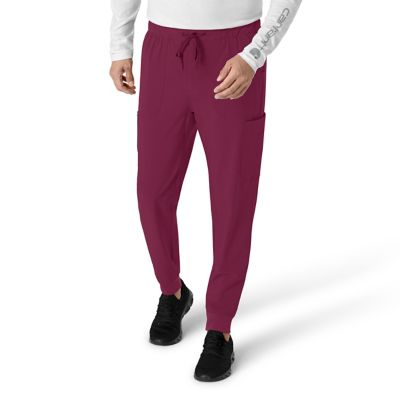
Fit makes just as much difference as fabric, especially when clothing needs to feel good both sitting down and moving around. Relaxed cuts offer space through the chest, seat and thighs, while a closer fit can feel less cumbersome for walking or light exercise. Neither needs to be tight to stay in place. Shoulder seams that sit comfortably, sleeves that allow reaching and a rise that suits the wearer’s build all help prevent constant tugging and readjusting. A waistband should stay put without digging in during a long drive or folding over when seated. Elastic offers give, and an adjustable drawstring can help fine-tune the fit as long as it does not create a hard knot against the stomach. Pocket placement matters, too. Deep pockets can keep small belongings from slipping out, but heavy contents may pull a soft knit out of shape or bounce against the leg. Bottom openings are another practical detail: a cuff can keep fabric clear of the heel, while a straight opening leaves more room around the ankle. Length deserves attention because even a soft pair of bottoms becomes bothersome if the hem bunches underfoot. For men who split their downtime between relaxing and staying active,
Comfortable Gym Clothes for Men offers a related starting point for clothing suited to movement. Flat seams, flexible fabric and a cut that allows a full stride are useful features for an easy walk or a stretching session. For a long ride in the passenger seat, smooth waistbands and seams that do not press into the skin may matter more. Easy layering also adds flexibility without requiring a complicated outfit. A top that lies smoothly beneath another layer is less likely to bunch at the underarms or ride up across the back. Comfort wear suits casual routines and downtime, but it does not take the place of protective work clothing when a job calls for it, and loose fabric or dangling cords need care around moving equipment.
Clothing that stays comfortable after repeated washing depends on both its construction and its care. Even stitching, neatly finished seams and reinforced pocket openings are worth a look because those areas take regular strain. Ribbed cuffs and waistbands should stretch comfortably and return toward their original shape rather than staying loose after each wear. Fabric that feels pleasantly substantial should still bend easily; stiffness is not the same thing as strength. The care label gives the clearest direction for washing and drying, particularly with blends that contain stretch fibers or fabrics with a brushed surface. Excessive dryer heat can contribute to shrinking, affect elastic and change the feel of some knits. Turning garments inside out can help limit surface rubbing in the wash, while separating soft clothing from rough fabrics and exposed hardware can reduce snagging. Pilling may develop where fabric repeatedly rubs, such as between the thighs or beneath the arms, and its appearance can vary with the fibers and knit. Paying attention to those details helps set sensible expectations for regular wear. Fit after laundering matters as much as fit on the first day, especially for men who prefer a consistent sleeve length or do not want a waistband getting tighter. Straightforward care routines are often a better match for everyday clothing than special handling that is easy to put off. Comfort wear can also make a thoughtful gift for a dad, brother, partner or grown son, particularly when the giver knows his preferred fit and usual size. Familiar colors, a soft texture and a cut similar to what he already reaches for make the choice feel personal without getting complicated. For men settling in after work, spending more time at home or traveling to see family, comfort comes down to clothing that fits their actual day. Soft fabric, sensible details and freedom of movement make everyday downtime feel a little easier, from the first stretch in the morning to putting feet up at the end of a long day.