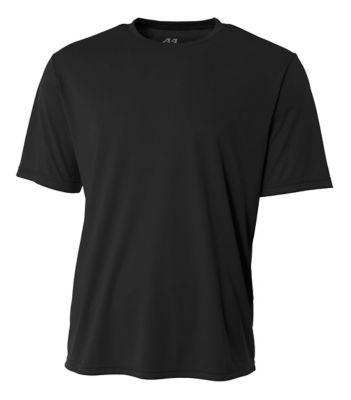
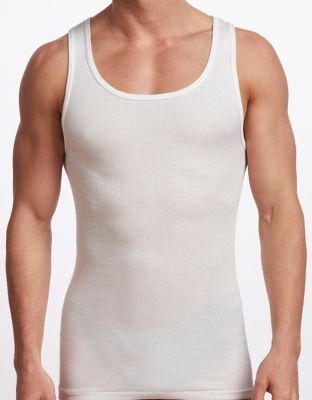
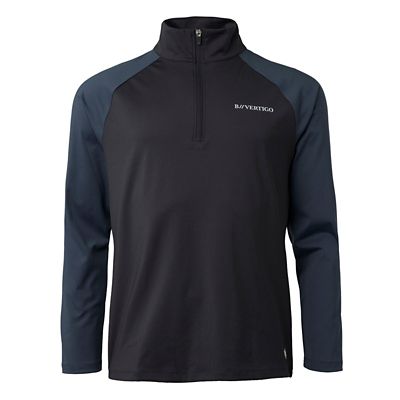
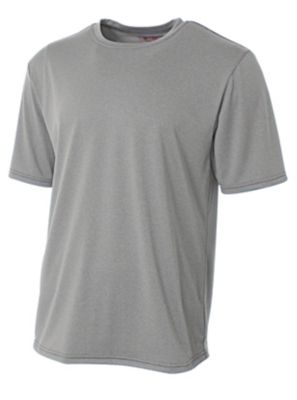
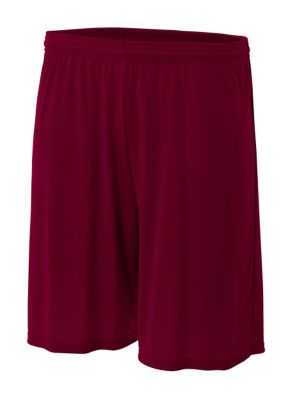
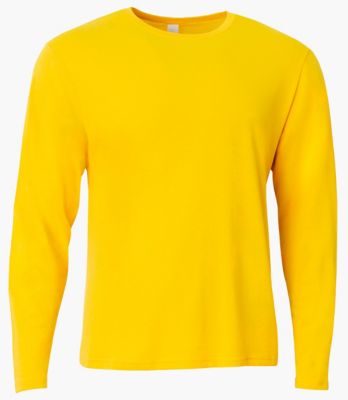
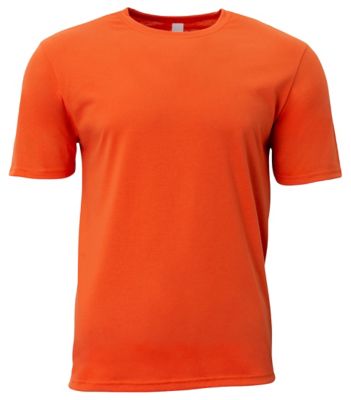
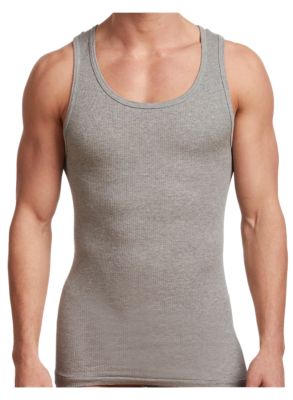
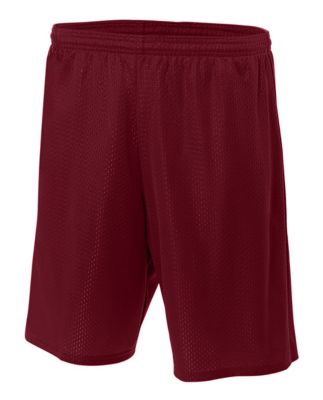
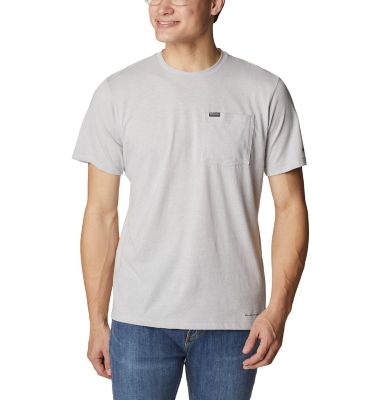
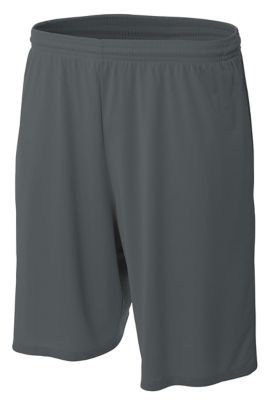
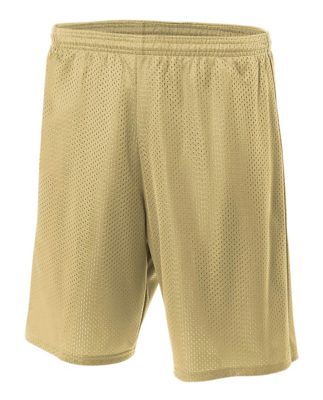
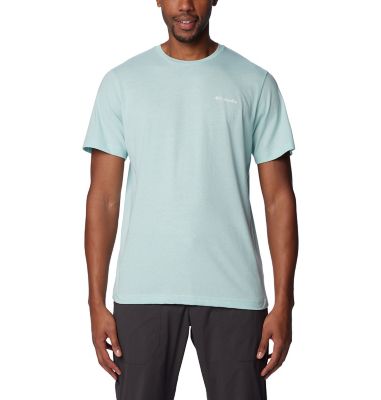
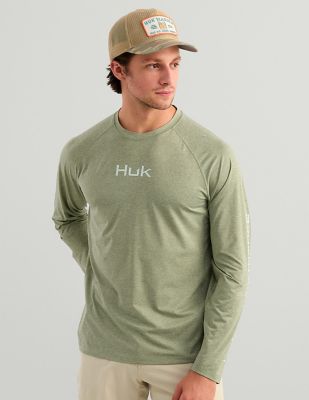
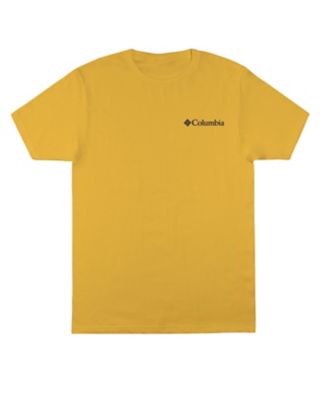
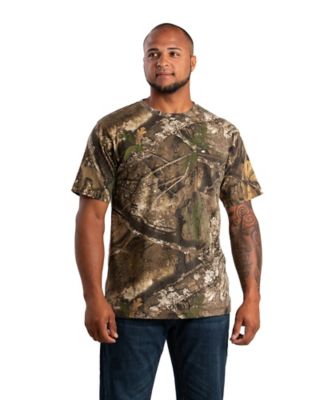
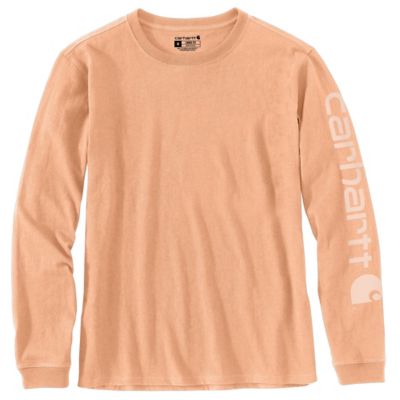
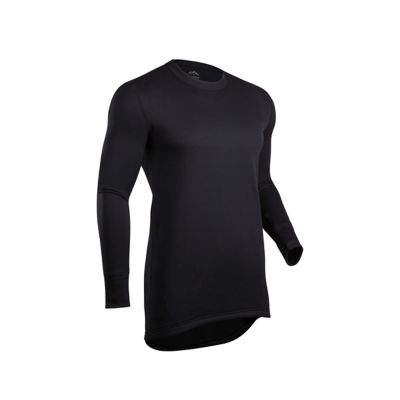
Workout clothes for men are built around freedom of movement, comfort against the skin, and fabrics that handle the demands of exercise. From lifting in a garage gym to walking laps at the track, the right combination of shirts, shorts, and training pants helps keep clothing from becoming a distraction. Polyester and nylon blends are common in men’s activewear because they generally dry faster than cotton, while added spandex or elastane gives fabric stretch for bending, reaching, and taking a full stride. Moisture-wicking fabric moves perspiration away from the skin toward the fabric’s outer surface; quick-drying fabric releases that moisture more readily. Those features work together, but they aren’t the same thing, and a garment’s construction matters along with its fiber content. Mesh panels and open knits can let more air pass through, while a denser knit may provide more coverage and stand up better to contact with benches or exercise mats. Cotton has a familiar, soft feel that suits easy walks, stretching, and lighter sessions, though it tends to hold moisture longer when the effort picks up. Cotton-performance blends offer a middle ground for men who prefer that everyday T-shirt feel. Merino wool blends are another option for managing moisture and resisting odor, with care needs that depend on the full fabric blend. There’s no single fabric that fits every routine. A man moving between the weight rack and a stationary bike may want a different feel than someone doing mobility work on the floor. Lightweight fabrics can feel less restrictive during repeated movements, while slightly heavier fabrics may offer more structure and coverage. The useful details are practical ones: a shirt that doesn’t cling with every movement, shorts that bend without pulling, and pants that stay out of the way of equipment. Clothes that feel right make it easier to focus on the next set rather than keep adjusting a hem or waistband.
Fit makes a noticeable difference in how men’s workout clothing performs, and that means more than picking a familiar size. Athletic cuts vary through the shoulders, chest, seat, and thighs, so size charts and body measurements offer a better starting point than a size label alone. A training shirt should allow an overhead reach without binding across the back, and its length should provide the coverage the wearer wants during presses, stretches, or floor exercises. Flat seams and smooth seam placement can help limit rubbing, especially under the arms and along the inner thighs. A relaxed cut provides room to move, but extra fabric can bunch beneath the body on a bench or get in the way around equipment. A closer fit can reduce loose material without needing to feel tight. Compression garments are meant to sit snugly against the body, though they still need to allow comfortable breathing and unrestricted movement; snug clothing shouldn’t cause numbness, pinching, or pain. For bottoms, a waistband that stays put during a squat or lunge matters more than how it looks while standing still. Drawcords offer adjustment, wider waistbands can spread pressure, and a gusseted crotch can provide room through deep bends. Four-way stretch allows fabric to give both across and along the garment, which can suit mixed routines with lifting, cycling, and stretching. Shorts length comes down to movement and personal coverage preferences: shorter inseams leave more of the thigh free, while longer inseams provide additional coverage but need enough room through the leg. Built-in liners add support for some wearers; unlined shorts allow a separate choice of underwear or compression layers. Pocket placement deserves attention, too. A phone that sits comfortably during a walk may bounce during a jog or press into the hip on a bench. Secure closures and pockets positioned away from contact points can make the difference between carrying essentials comfortably and setting them aside before every exercise.
The best workout wardrobe fits the routine a man actually keeps, whether that’s a few lifting sessions between workdays, regular walks down a gravel lane, or a mix of strength and cardio at the local gym. Shirts and bottoms don’t need matching colors to work well together; compatible fits and comfortable fabrics matter more. For another part of that everyday training setup, explore
Exercise Shirts for Men. Clothing that moves easily from a workout to a quick stop in town can be handy, though exercise apparel and workwear serve different jobs. Lightweight training fabrics aren’t a replacement for protective clothing around machinery, sparks, chemicals, or other jobsite hazards. For exercise, resistance to repeated stretching, surface abrasion, and laundering helps determine how well clothing holds up over time. Even stitching, reinforced stress points, and fabric that recovers its shape after stretching are useful construction details. Care habits matter just as much. Following the garment’s care label protects stretch fibers, finishes, and any bonded details, since wash and drying requirements vary. Letting sweat-soaked clothing air out before laundering helps keep it from sitting damp in a closed gym bag. Turning garments inside out can reduce surface friction in the wash, and fastening zippers helps keep them from catching nearby fabrics. Fabric softener can interfere with moisture-management finishes, so the label is worth checking before adding it. High dryer heat may affect elastic components; air-drying or a lower-heat setting may be appropriate when the care instructions allow it. For a birthday gift or a practical pick for a dad, brother, partner, or adult son, familiar fits and preferred activities are helpful starting points. Someone who likes roomy shirts may not enjoy a close-cut training top, even if both wear the same labeled size. A few well-chosen pieces that suit the wearer’s movement, comfort preferences, and laundry routine can earn a steady place in the weekly rotation.