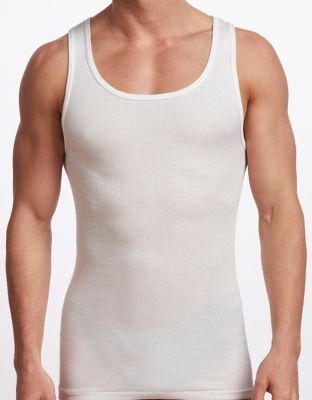
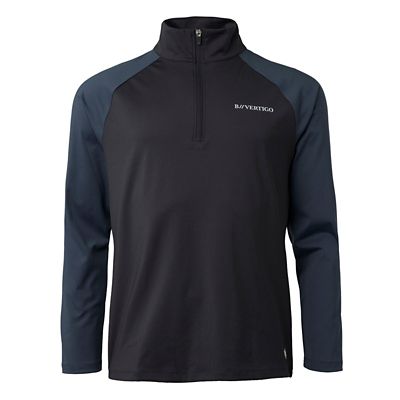
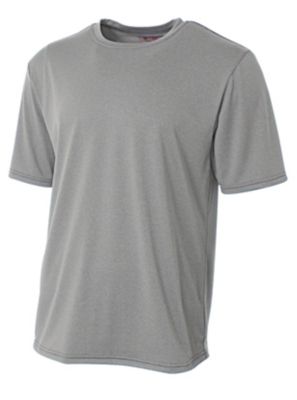
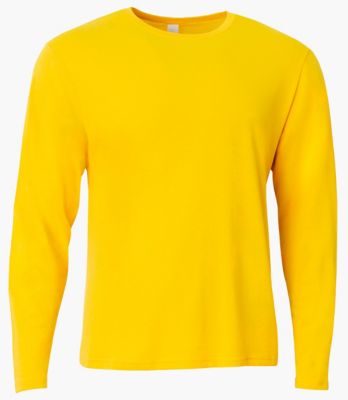
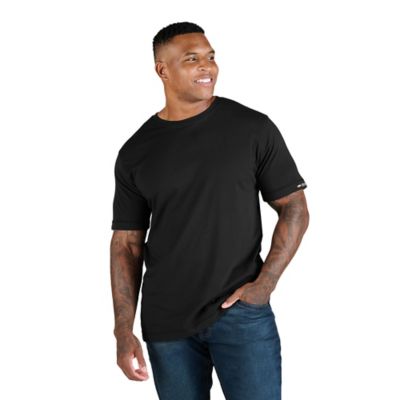
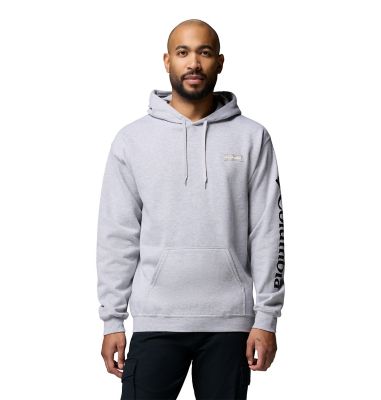
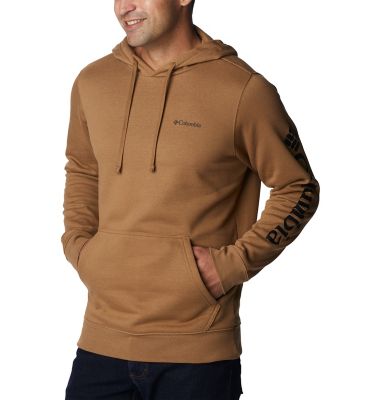
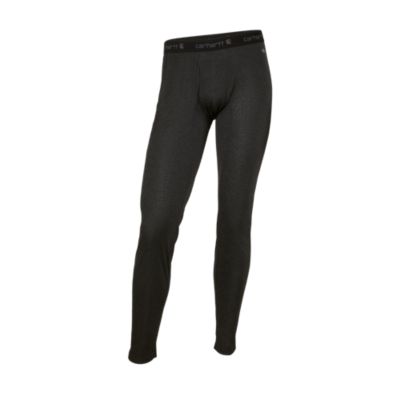
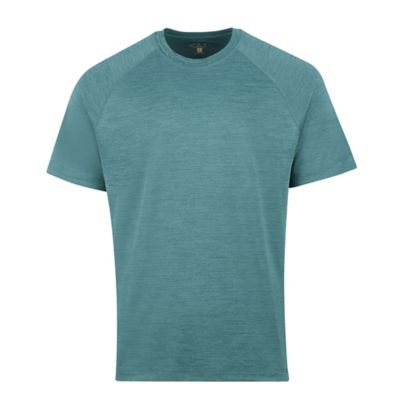
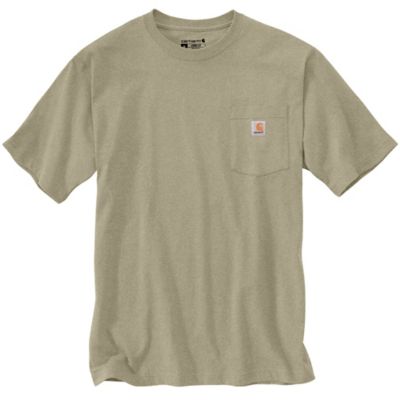
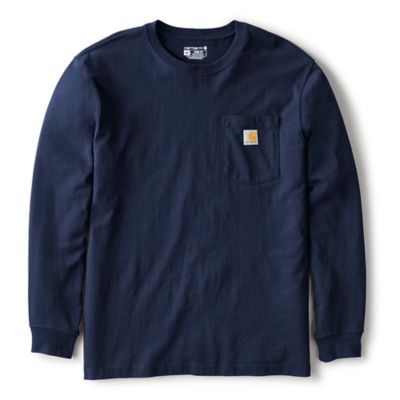
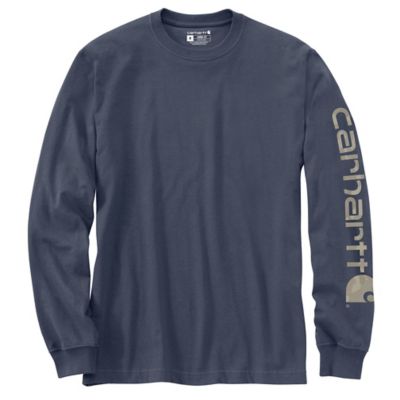
Comfortable gym clothes for men give you room to move, help manage sweat and stay out of the way when the work gets tough. Whether a workout means lifting before a shift, walking on a treadmill or getting back into a regular exercise routine, comfort comes from the way fabric, fit and construction work together. Lightweight polyester and nylon blends are common in men’s workout clothing because they tend to dry faster than cotton and can feel smooth against the skin. A little elastane, also called spandex, adds stretch for squats, lunges and overhead movements. Moisture-wicking fabric helps move sweat away from the skin and spread it across the material so it can evaporate. Breathability is a separate consideration: an open knit or mesh panel allows air to pass through, which can make a difference during steady movement. Cotton offers a familiar, soft feel for light exercise and lifting sessions with longer breaks, though it absorbs moisture and may stay damp longer. Blends can combine that familiar feel with stretch and faster drying, depending on their construction. Fabric weight matters, too. A lighter shirt can feel less restrictive through a circuit, while a more substantial knit may offer the coverage a man prefers when bending or stretching. Neither fabric weight nor fiber content tells the whole story; the inside surface, seams and overall cut also affect how clothing feels through repeated movement. Smooth seams and necklines that lie flat can help limit rubbing, especially when a workout involves repeated arm motion.
Breathable Workout Clothes for Men can be a good match for treadmill sessions, exercise classes and other activities where airflow matters. The goal is clothing that feels comfortable from the first warm-up movement through the last set, without constant tugging at a collar or pulling a shirt back into place.
Fit makes just as much difference as fabric in men’s gym clothes. A shirt needs enough room across the shoulders and upper back for reaching, rowing and pressing, but excess fabric can bunch beneath the body on a weight bench. A relaxed fit offers breathing room without needing to hang loose everywhere, while a closer athletic fit can keep material from shifting during faster movement. Compression garments fit more snugly by design, but they still need to allow a full range of motion without pinching or leaving uncomfortable pressure at the edges. Shirt length comes into play when reaching overhead or leaning forward; a hem that stays put offers coverage without getting caught under the hips. With workout shorts and joggers, comfort often comes down to the waistband, rise and room through the seat and thighs. An elastic waistband with an adjustable drawstring can help keep bottoms in place during repeated bends and changes of direction. Stretch fabric and a gusseted crotch can provide extra movement where it counts, particularly at the bottom of a squat or during a deep lunge. Shorts with a shorter inseam leave more of the leg free, while longer cuts offer additional coverage. Built-in liners provide a close inner layer, though some men prefer unlined shorts so they can choose their own undergarments. Joggers offer full-length coverage, and tapered legs can keep loose cuffs away from the feet. Pocket placement deserves attention, too: a phone that sits comfortably while standing may press against the hip during a seated exercise or bounce during a jog. Secure pockets are handy between activities, but heavy pocket contents can pull at otherwise comfortable clothing. For men heading to the gym after a day on the farm, in the shop or on the road, easy-moving athletic clothing can make that change of pace feel a little simpler.
Comfort also depends on how well workout clothing holds its shape and feel after repeated wear and washing. Reinforced seams, securely attached waistbands and fabric that springs back after stretching are useful construction details for clothing that sees regular exercise. Areas that rub against benches, equipment or the inner thighs may show wear sooner, so intended use matters as much as softness on the hanger. A featherlight fabric suited to walking or steady cardio may not offer the same resistance to abrasion as a denser knit. Care labels provide the best direction for each garment, especially when stretch fibers, liners or moisture-wicking treatments are involved. Washing workout clothing promptly after a sweaty session helps keep odors from settling in, and allowing damp garments to dry before putting them in a hamper helps avoid a lingering musty smell. Turning clothing inside out can expose the surfaces that collect sweat and body oils. Fabric softener can interfere with moisture management in some performance fabrics, so it is worth checking the garment’s instructions before adding it. Excessive dryer heat can also be hard on elastic fibers; following the listed drying directions helps preserve stretch and fit. A regular rotation gives each piece time to wash and dry thoroughly between workouts. For everyday wear, simple cuts and comfortable waistbands can carry men’s athletic clothing beyond the gym to errands, stretching at home or relaxing after a long day. Workout clothing can also make a practical gift for a husband, dad, brother or friend who enjoys staying active. Familiar sizing, preferred coverage and the kind of exercise he actually does are better starting points than guessing at a completely different style. Whether the routine involves steady walks, strength training or a little of both, comfortable men’s gym clothing earns its place by moving easily, feeling good against the skin and holding up to regular wear and care.