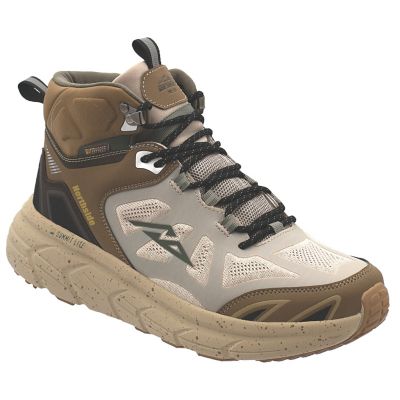
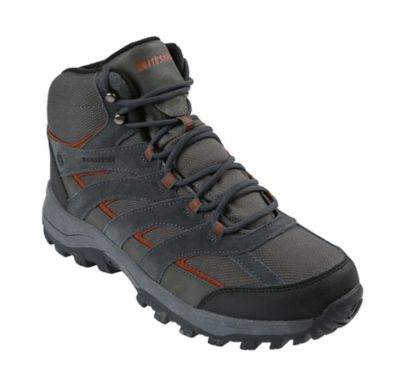
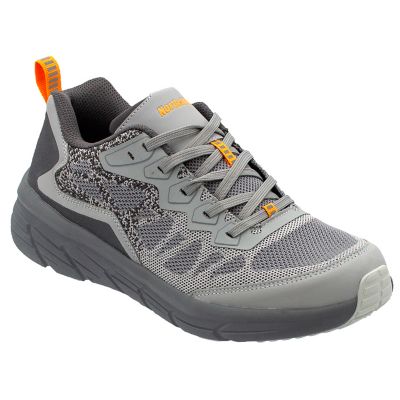
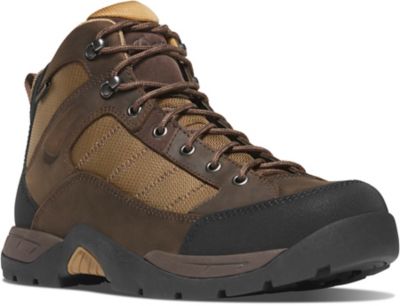
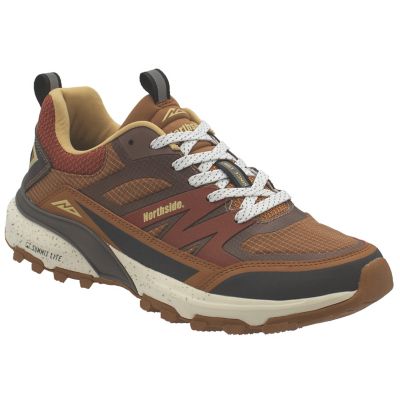
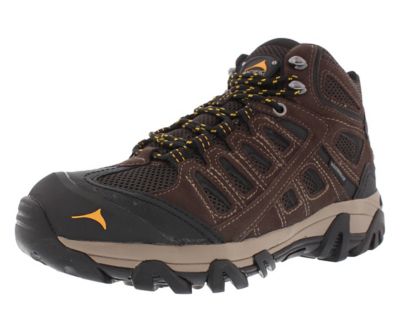
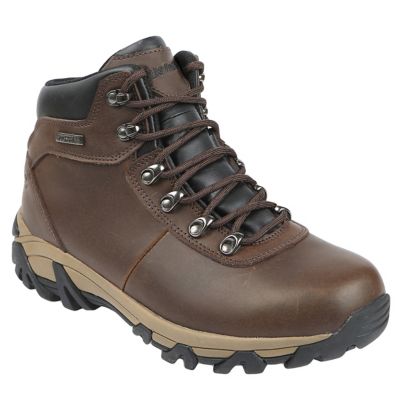
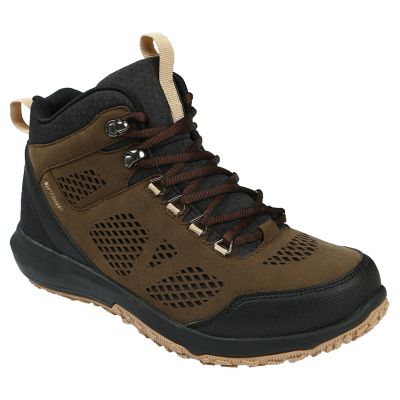
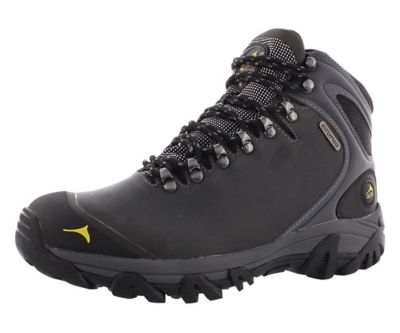
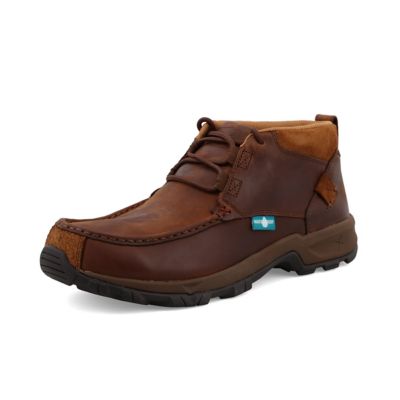
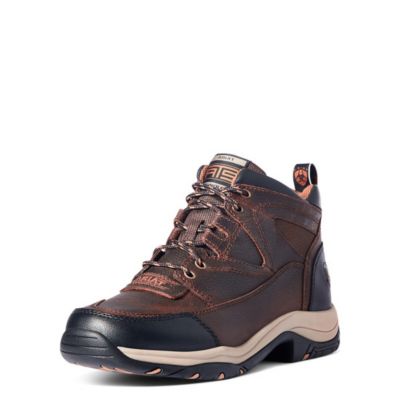
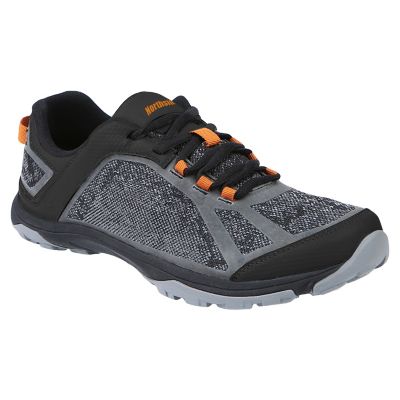
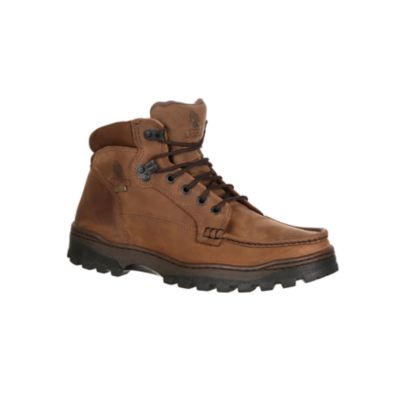
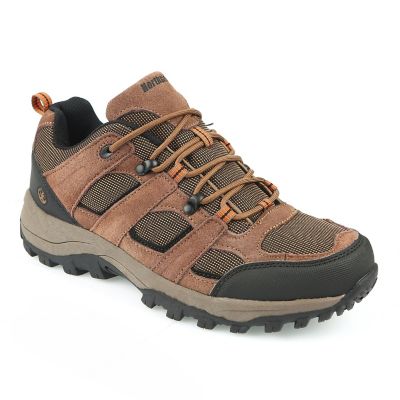
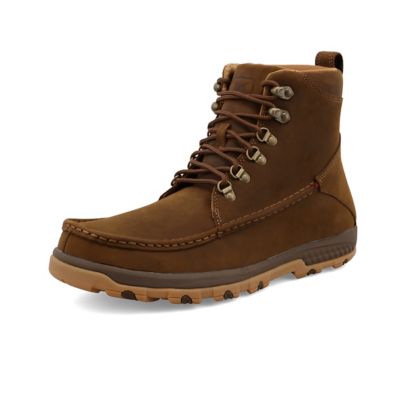
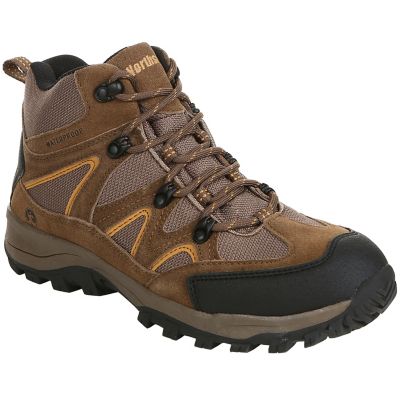
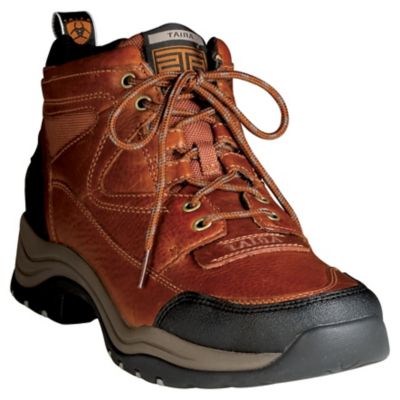
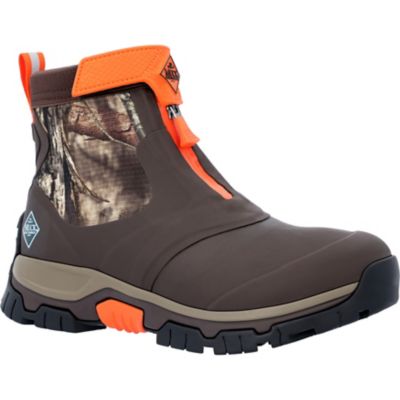
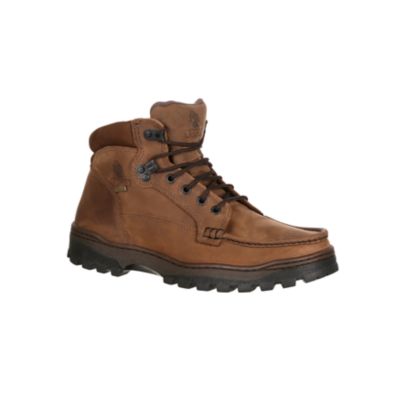
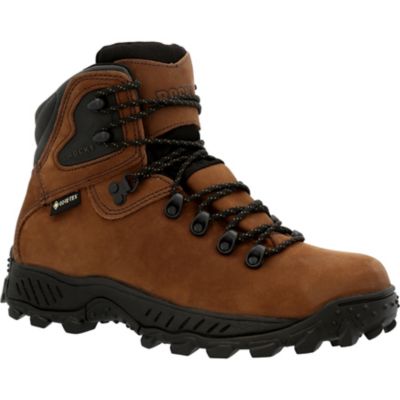
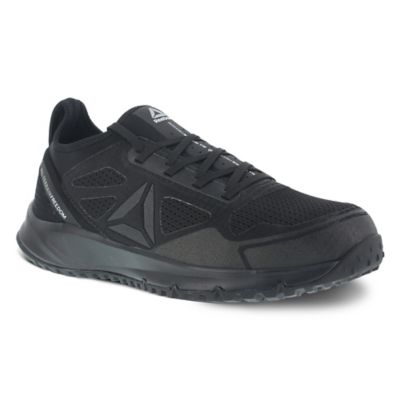
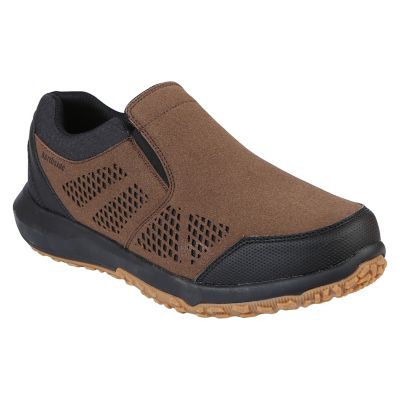
Walking gear for men brings together supportive footwear, easy-moving clothing, and practical accessories for everything from a lap around town to a long stretch down a gravel lane. The right setup depends on the ground underfoot, the distance ahead, and how much weight comes along. Smooth pavement calls for a different tread than loose dirt or uneven paths, while a short walk with the family may call for less gear than several miles across rolling ground. Footwear is a sensible place to start. Walking shoes generally balance cushioning, flexibility, and support, helping the foot move comfortably from heel contact through toe-off. Look for enough room to spread the toes without letting the heel slide around, along with a secure midfoot fit that does not pinch when the laces are snug. Trying footwear with the socks normally worn for walking gives a better sense of the fit, and checking both feet matters since one can be slightly larger than the other. Feet may also swell over a longer outing, so a cramped toe box can become more noticeable as the miles add up. Mesh panels allow airflow, leather uppers can offer structure and resistance to scuffs, and synthetic materials often keep weight down. Each material has its own care needs, so construction matters as much as appearance. A flexible forefoot can suit a steady stride on level ground, while a firmer platform and deeper tread may make more sense on rougher routes. Deep lugs are not automatically better for every walk; tread should match the surface rather than simply look rugged. For a closer look at footwear suited to time outside, explore
Outdoor Footwear For Men. Whatever the style, comfort should be evident from the start. Persistent rubbing, pressure across the top of the foot, or toes pressing against the front are reasons to reconsider the fit rather than count on a long break-in period. A comfortable pair should also hold the foot steady when turning a corner or stepping off a curb.
Clothing for walking should leave room to stride, bend, and step over a low branch without pulling at the waist or knees. Men’s walking pants and shorts often work best when the cut allows movement without leaving extra fabric to bunch between the legs or catch along a path. A gusseted crotch, shaped knees, or a little stretch in the fabric can make a difference when climbing a grade or crossing a shallow ditch. Check the waistband while sitting as well as standing, especially if a belt or small pack will sit against it. Pocket placement matters, too. A phone bouncing against the thigh can get bothersome well before the walk is over, and an overloaded cargo pocket can tug clothing out of place. Secure pockets help keep keys and other small belongings close without interfering with a natural stride. Fabric choices come down to feel, airflow, and how the material handles perspiration. Cotton has a familiar, soft feel, though it tends to hold moisture longer than many synthetic fabrics. Polyester and nylon blends can dry faster, while stretch fibers help clothing move with the body. Merino wool blends are another option for managing moisture next to the skin, particularly in socks and lightweight base garments. Seams deserve attention anywhere fabric repeatedly brushes the body, including under the arms, between the thighs, and around sock toes. Socks should fit smoothly, with the heel pocket in place and no wrinkles under the foot. Extra cushioning may feel good at the heel and ball of the foot, but thick socks also take up room inside a shoe. Match sock thickness to the available space rather than squeezing a heavier pair into an already snug fit. A shirt that stays comfortable across the shoulders and under the arms helps keep attention on the route instead of constant tugging and adjusting. The aim is a combination that feels easy after the first mile, not just while standing in front of a mirror.
Accessories earn their place when they solve an everyday problem without weighing the walker down. For a short loop near home, a secure spot for a phone, identification, and keys may be plenty. Longer routes can call for drinking water, a small snack, and a way to carry essentials without filling every pocket. A compact pack or waist pack should sit close enough to limit bouncing, with straps adjusted so the load does not swing at each step. Keep heavier belongings near the body and avoid carrying more than the outing calls for. Walking poles can provide additional points of contact on uneven ground, though the handle height and wrist strap adjustment need to suit the person carrying them. Reflective details can help a walker stand out around driveways and road crossings when light is limited, but they do not replace paying attention to traffic or choosing a safer route. For someone who walks a dog, hands-free carrying space can leave room to manage a leash without juggling a phone and water bottle. Care also plays a part in how walking gear holds up over repeated outings. Brush loose dirt from footwear, loosen the laces before taking shoes off, and follow the care label for each upper material. Let footwear air out away from direct heat, and remove insoles for drying only when the manufacturer allows it. Wash clothing according to its label, close pocket fasteners before laundering, and skip fabric treatments that conflict with moisture-managing finishes. Check soles for worn tread, look for seams beginning to separate, and pay attention when cushioning no longer feels even from one foot to the other. Walking gear can make a thoughtful gift for a man who enjoys morning miles, campground strolls, or walks along the back roads, especially when his usual size, preferred fit, and everyday route are already known. The best match is gear that fits his routine and stays comfortable enough to reach for again.