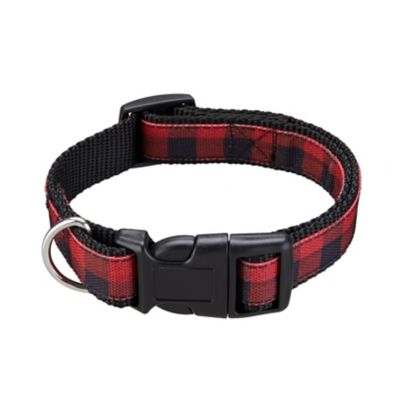
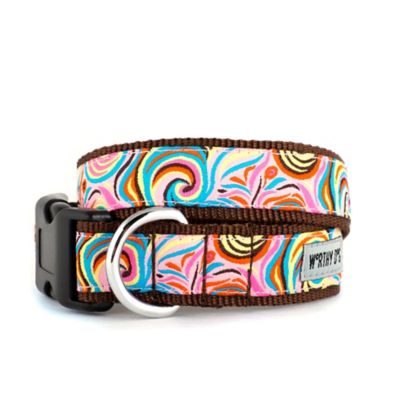
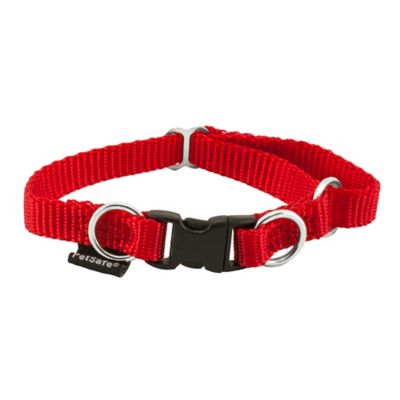
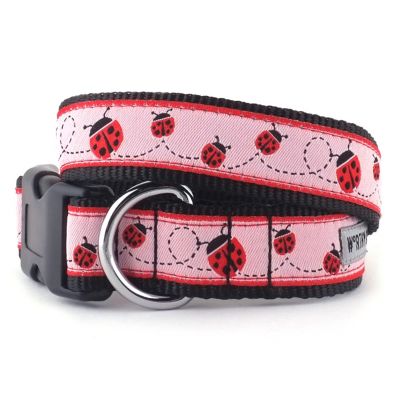
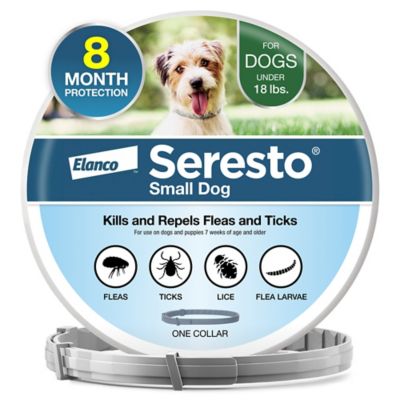
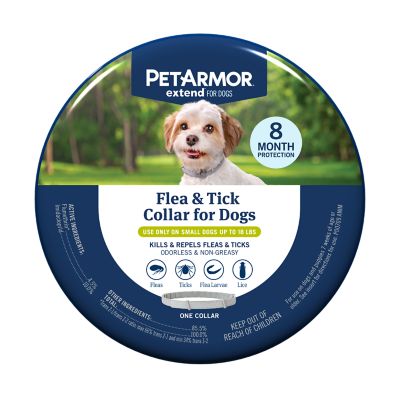
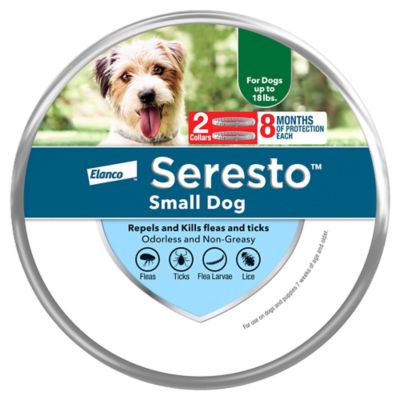
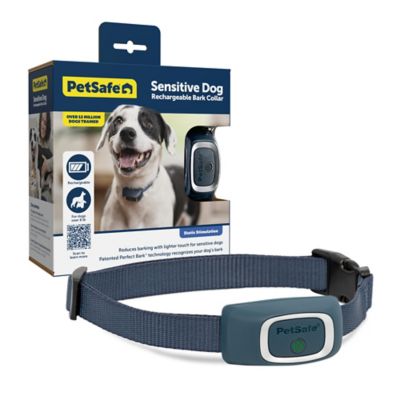
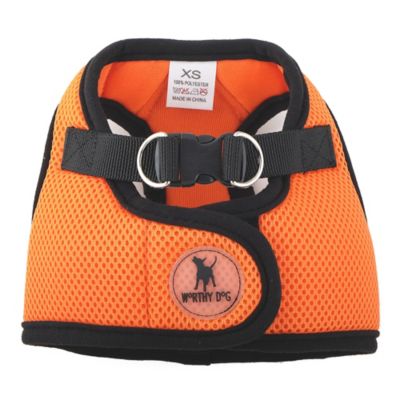
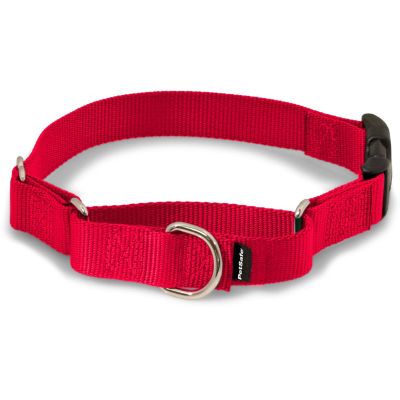
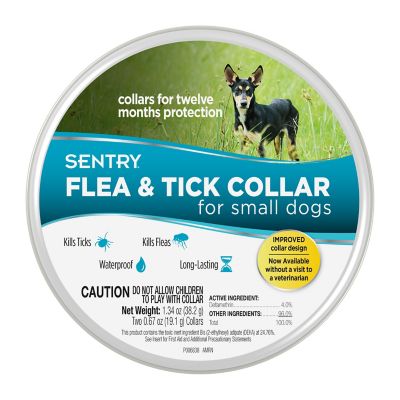
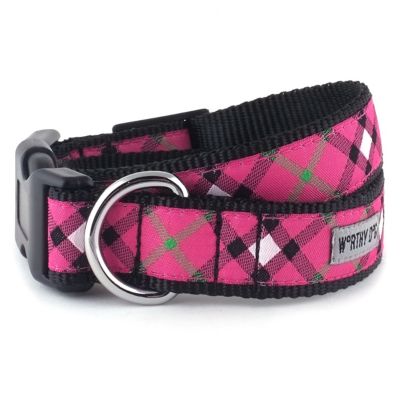
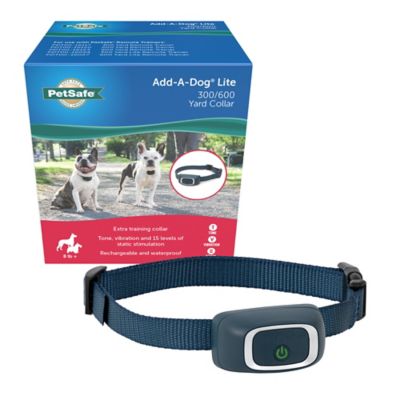
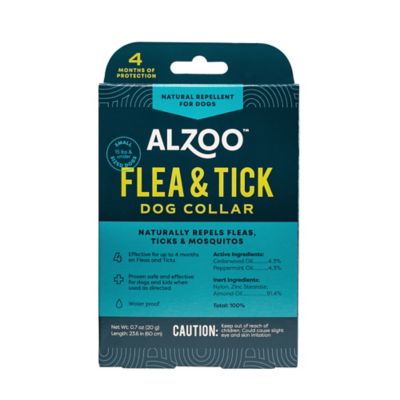
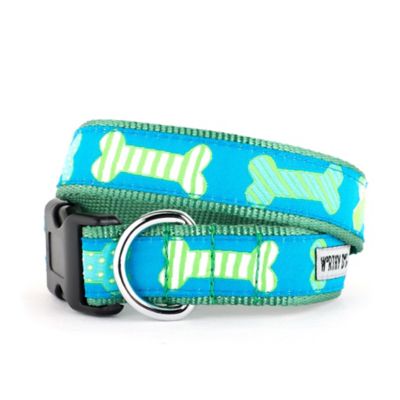
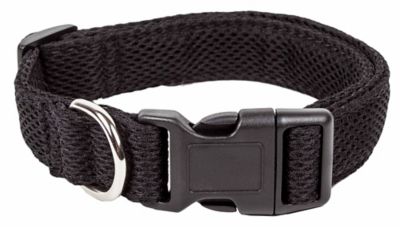
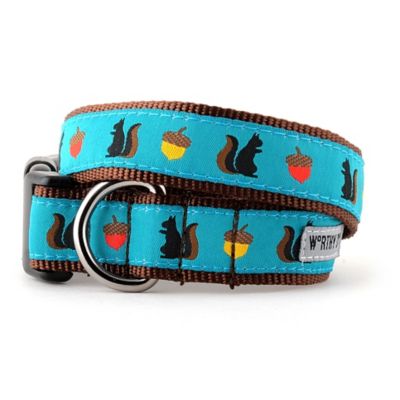
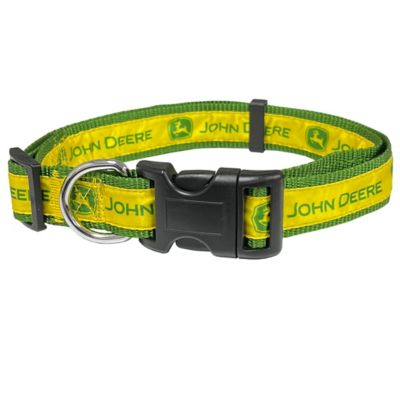
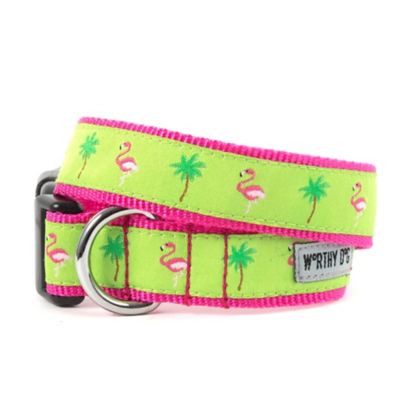
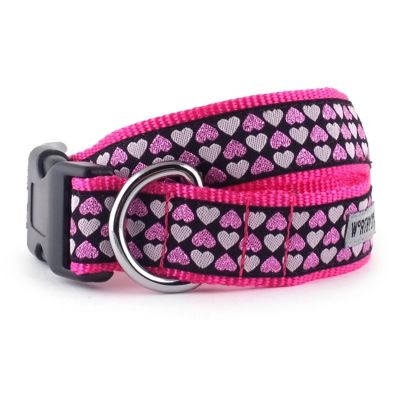
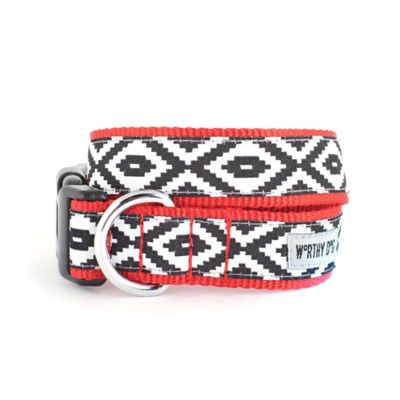
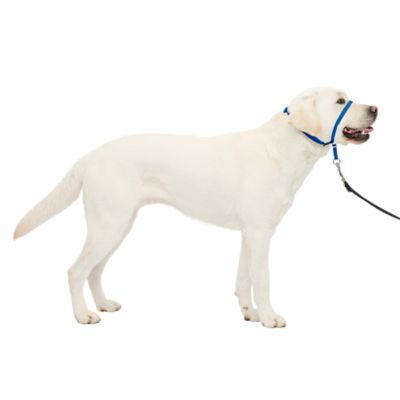
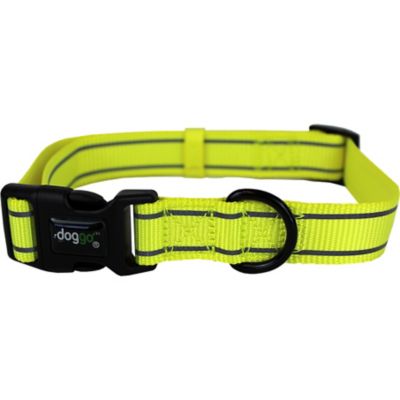
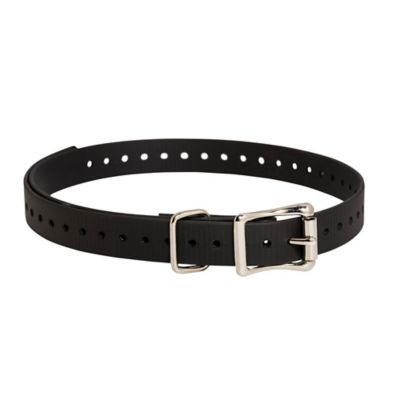
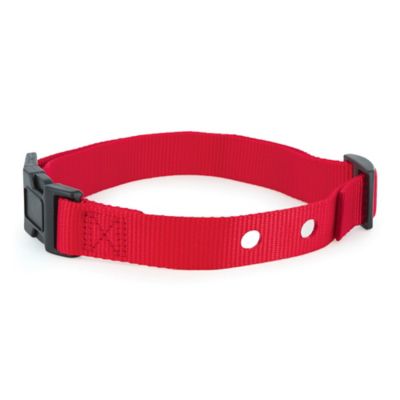
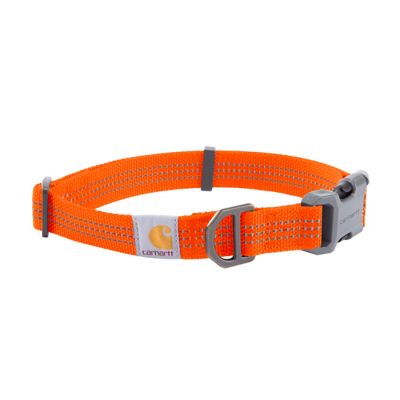
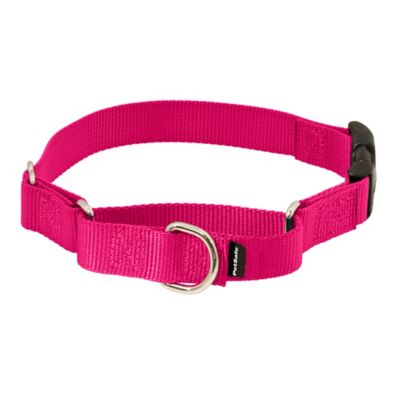
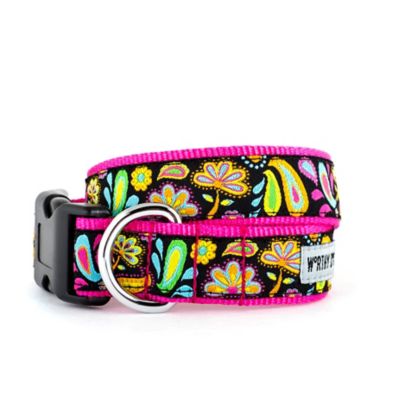
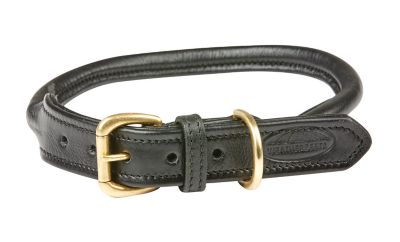
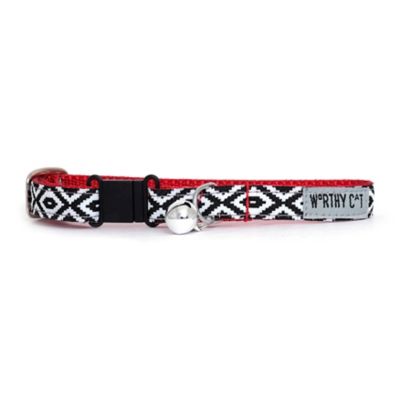
Collars for extra small dogs are made with little necks, light frames, and everyday comfort in mind. They’re a handy choice for Chihuahuas, Yorkies, Toy Poodles, Pomeranians, Maltese, puppies, and other petite companions that can feel weighed down by a standard dog collar. Most extra-small styles fit necks in the neighborhood of 8 to 12 inches, though sizing can vary from one collar to the next. Narrow straps, often around 3/8 inch to 1/2 inch wide, help keep the collar proportional without crowding the dog’s throat or shoulders. To find a better fit, use a soft tape measure around the base of your dog’s neck, where the collar naturally rests. Keep the tape comfortably snug rather than tight, then compare that measurement with the seller’s size range. A collar should sit securely without pinching, rubbing, or sliding over the dog’s head. Once it’s fastened, you should be able to slip two fingers between the collar and your dog’s neck. That simple check is especially important for fast-growing puppies, dogs with fine coats, and tiny breeds whose necks can change more quickly than expected. If your dog falls between sizes, pay close attention to the adjustment range, buckle placement, and overall weight instead of choosing by breed name alone. A petite dog with a fluffy coat may need a different fit than a short-haired dog with the same neck measurement, and a delicate puppy may do best with the lightest practical hardware. Browse coordinating options, including
Cute Dog Collars for Small Dogs, when you want a collar that is useful for daily wear and has a little extra personality.
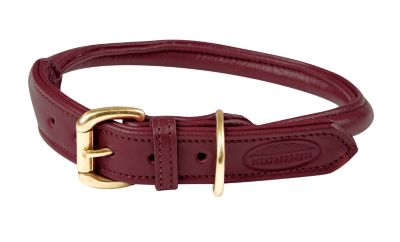
When comparing collars for extra small dogs, look for materials that match the way your dog spends the day. Nylon is a popular all-around choice because it is lightweight, flexible, and easy to clean after a romp through the yard, a dusty gravel lane, or a damp patch of grass. Waterproof or quick-drying materials can be useful for dogs that enjoy puddles, creekside walks, swimming, or muddy play. Leather may offer a soft, classic feel as it breaks in, but it still needs regular inspection for cracking, stiffness, or moisture damage. Whatever the material, check the stitching around the buckle and D-ring, run your fingers along the edges for rough spots, and make sure the hardware is small enough that it does not pull heavily on your dog’s neck. Extra-small collars should have proportional buckles, adjusters, and leash rings; oversized metal pieces can bang against a little dog’s chest, catch on furnishings, or make the collar tiring to wear. A flat, smooth design is often more comfortable under a harness or beneath long fur. Collars can hold identification tags and provide a visible place for contact information, which is helpful if a curious little dog slips through a gate or darts out during a delivery. They can also support routine habits, from heading out for a morning walk to settling in for an evening trip around the property. For leash walks, check that the collar and leash connection are appropriate for your dog’s size and strength, and consider a properly fitted harness if your veterinarian or trainer recommends taking pressure off the neck. A collar should never be used as a substitute for supervision, a secure fence, or careful training. Inspect it often, especially after active play, and replace it if the webbing frays, the buckle no longer closes firmly, or the adjustment slips.
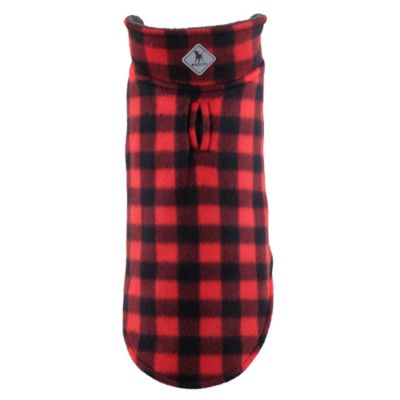
An extra-small dog collar can make a thoughtful gift for someone bringing home a new puppy, adopting a senior toy breed, or welcoming a little companion into the family. It is also a practical addition to a puppy starter bundle with food, bedding, bowls, grooming supplies, and a leash. When giving one as a present, a gift receipt or flexible sizing option is useful because the recipient may need to measure the dog first or exchange a collar as the puppy grows. Many people keep a spare collar on hand for muddy days, overnight washing, travel, or visits to the groomer. During the warmer part of the year, a clean, lightweight collar can make outdoor time more comfortable, while during cooler months it can be paired with a coat or sweater as long as the layers do not crowd the neck or interfere with the buckle. Bright colors or reflective details may help a small dog stand out during walks in fading daylight, near barns, along country roads, or around a busy campground, but visibility features should never replace a leash and close attention. Before each outing, take a quick look at the fit, confirm the identification tag is readable, and make sure the collar is sitting flat. Tiny dogs bring plenty of spirit to the farm, porch, trail, and living room, and the right collar gives them a comfortable, dependable way to carry identification and join in on everyday adventures.