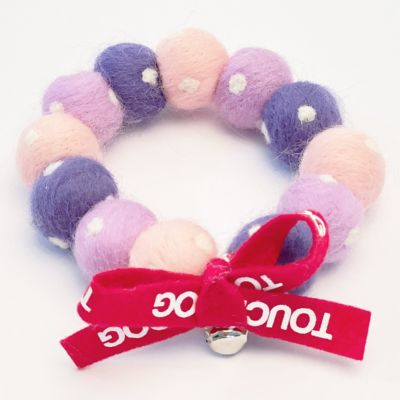
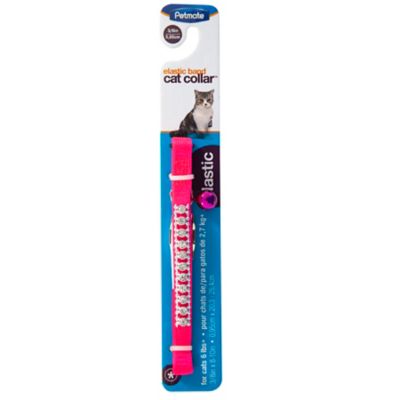
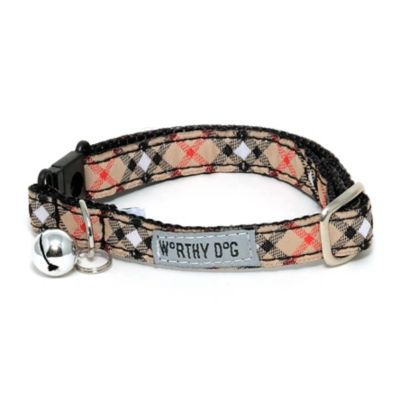
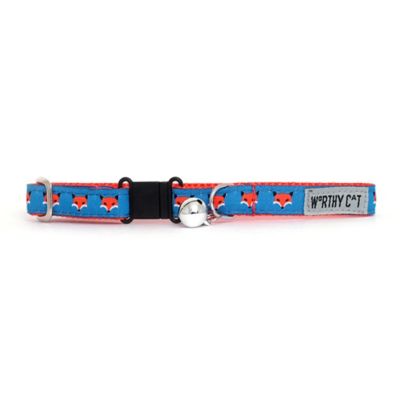
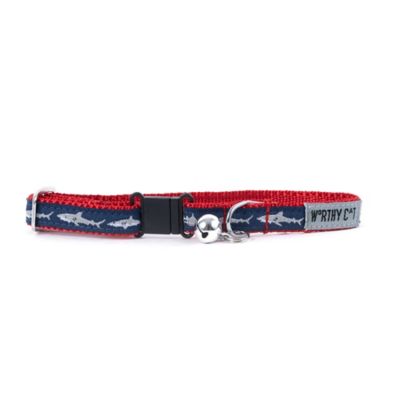
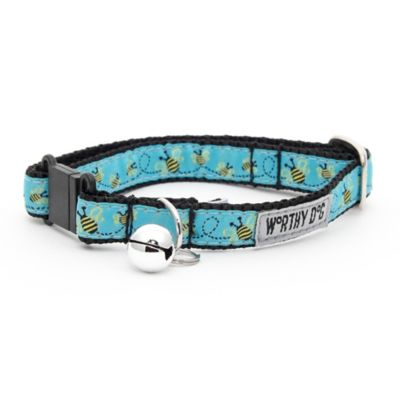
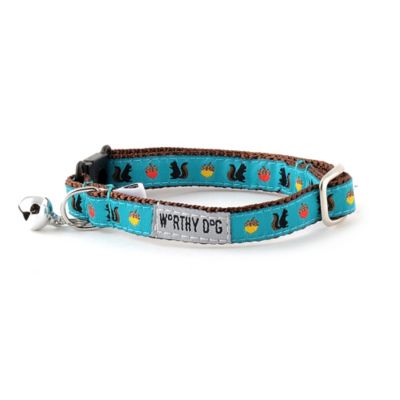
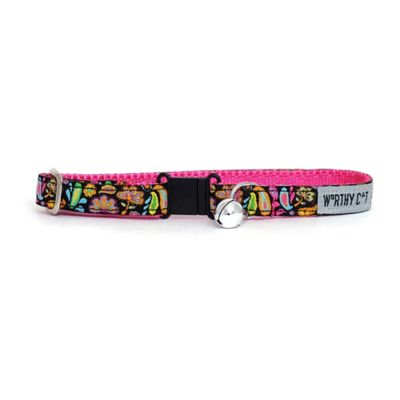
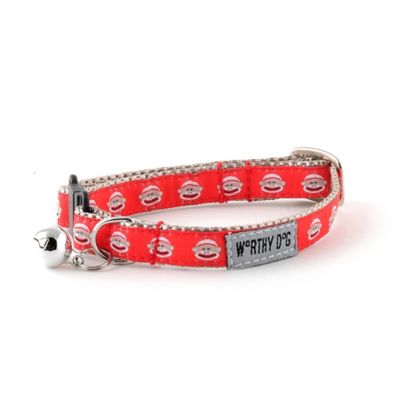
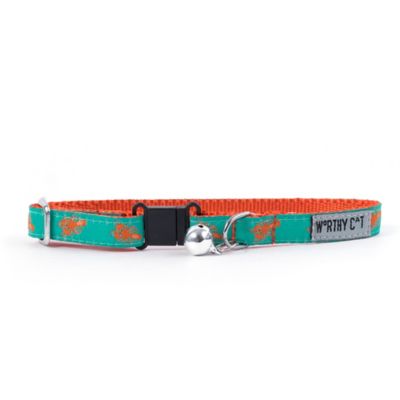
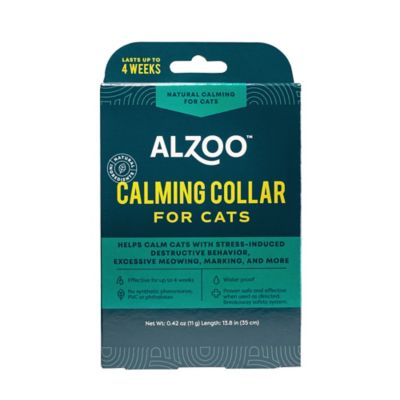
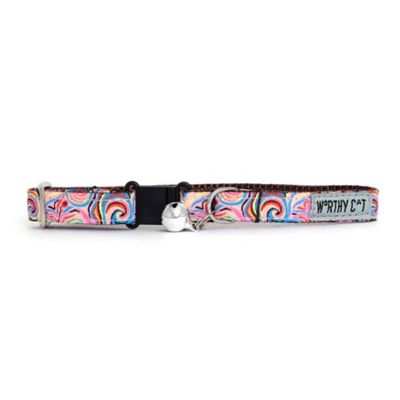
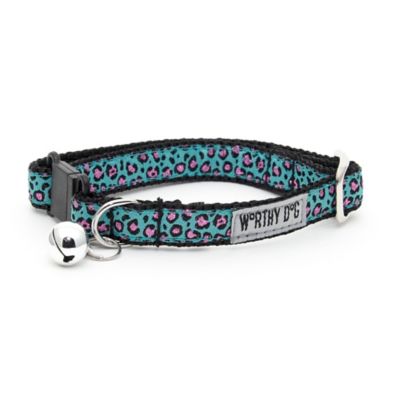
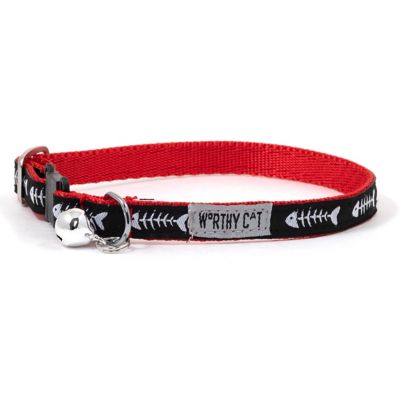
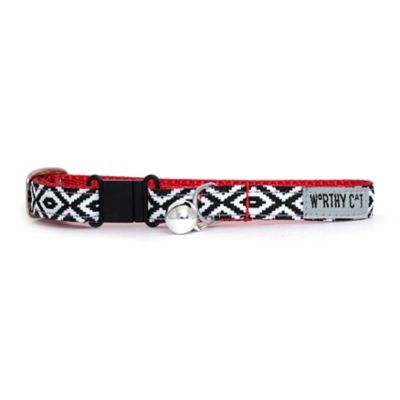
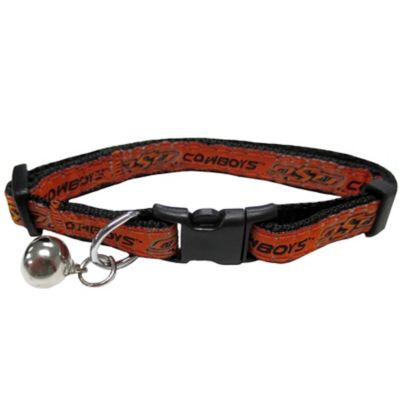
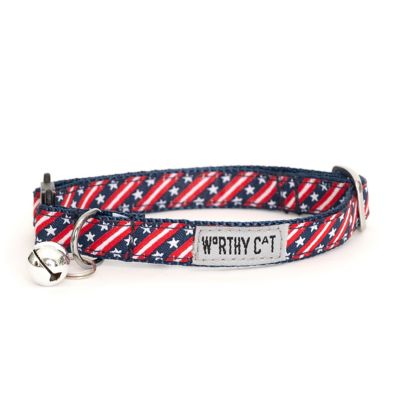
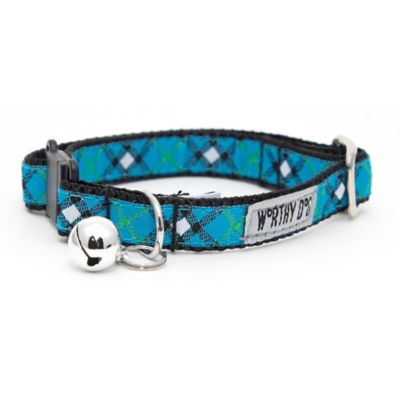
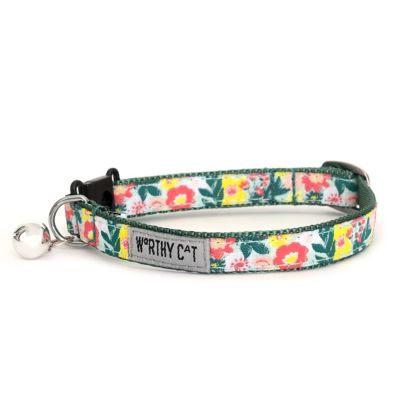
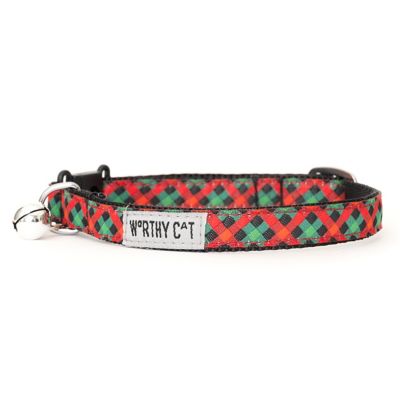
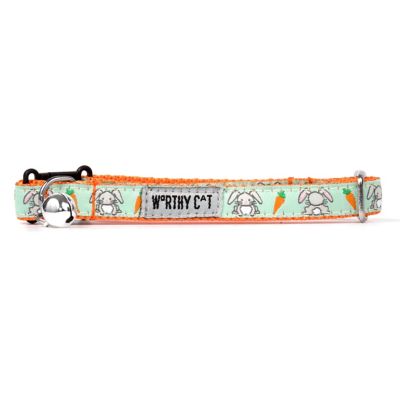
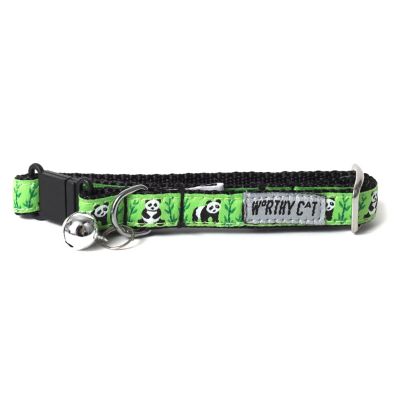
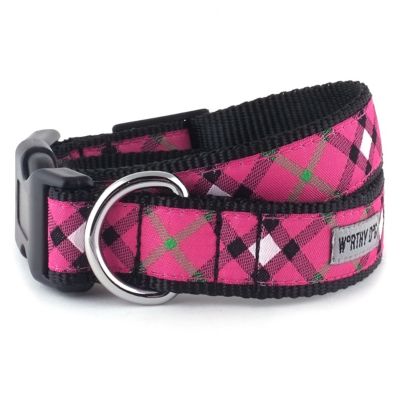
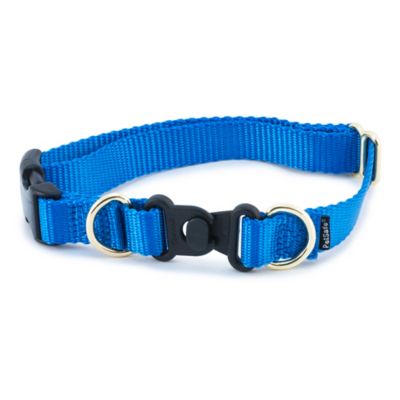
Cat collars for small cats are designed to carry identification without putting an oversized band or heavy buckle around a little neck. The category includes collars for growing kittens and for adult cats that stay petite, and those two groups do not always need the same fit. A kitten may outgrow an adjustment setting quickly, while a small adult may wear the same size for years. Neck measurements and the collar’s stated adjustment range tell more than a size name alone, since “small” can mean different things across designs. A lightweight band with enough adjustment room makes it easier to get a close, comfortable fit without leaving a long strap end hanging loose. The collar should allow comfortable breathing and swallowing while sitting close enough that a paw or lower jaw cannot easily slip underneath. A common fit check is room for two fingers between the collar and the neck, along with any fitting directions supplied for that design. Thick fur can hide extra space, so judging by appearance alone may leave a collar looser than it looks. Narrow bands and compact hardware often suit a smaller frame, but width is only part of the picture; buckle size, strap stiffness, and tag weight all affect how a collar feels during everyday movement. For a cat that spends the day watching birds through a window or following someone from the kitchen to the laundry room, a collar offers a visible place for contact information if an open door leads to an unexpected outing. A clearly readable phone number can help someone get in touch without needing special equipment. Identification works best as a combination: a collar and tag provide visible information, while a microchip offers another way to connect a found cat with registered contact details. Neither replaces keeping those details up to date. Small cat collars with a simple shape and minimal dangling hardware keep that practical purpose front and center, whether the wearer is a newly adopted kitten or a full-grown cat with a slight build.
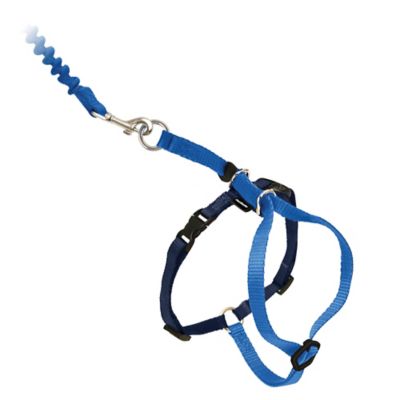
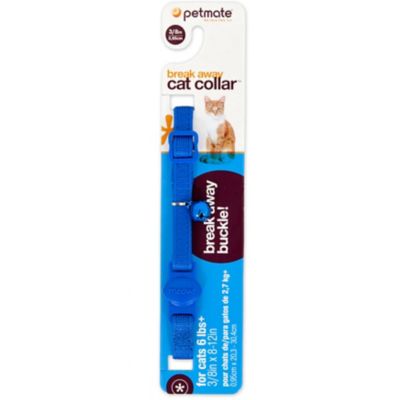
Materials and closures make a noticeable difference in how a small collar wears. Woven nylon and polyester are common choices because they can provide a thin, flexible band without much weight. A smooth underside, tidy edges, and flat stitching help reduce rubbing where the collar rests against the coat. Softness matters, but so does structure: a band that twists, bunches, or leaves a stiff edge against the neck may be bothersome even when its length is right. Leather has a different feel and care routine, and a thick strap or large metal buckle can add more weight than a petite cat needs. Breakaway closures are an important consideration for cat collars because they are designed to release under tension if the collar catches on something. That feature matters around chair frames, shelving, carriers, and other places where a curious cat may squeeze through a tight opening. A buckle that opens when its tabs are pressed is not necessarily a breakaway buckle, so the closure description deserves a close look. Any stated age or weight recommendations also matter, especially for a very small kitten whose body weight may not operate a release mechanism as intended. No collar removes every snagging risk, and a breakaway design may come off during an escape attempt or rough play. That tradeoff is part of its purpose rather than a reason to substitute a fixed closure. Identification collars are not a substitute for a properly fitted cat harness during leash time; pulling against a collar can put pressure on the neck or open a breakaway fastening. Color, pattern, and reflective details offer room for personality without changing those basics. A bright band may be easier to spot against dark fur, while a contrasting tag can make its lettering easier to read. Bells add sound, but not every cat welcomes the noise near its ears. Extra charms and large tags can also crowd a short band, making a lighter, simpler setup a sensible match for a smaller cat.
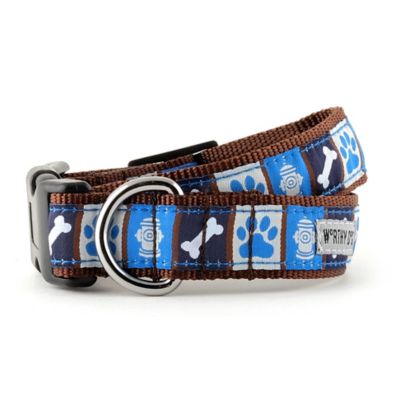
Everyday care helps a collar stay comfortable and keeps small problems from turning into bigger ones. Food crumbs, loose hair, and dust can collect under a band even on a cat that rarely leaves the house. Washable fabric can be convenient, though cleaning methods depend on the material, buckle, and any reflective finish. Following the care label, rinsing away any permitted cleaner, and letting the collar dry fully before putting it back on help prevent residue and dampness from sitting against the skin. Leather may call for a different routine, and treatments should be suitable for something worn close to an animal’s coat. Regular checks can reveal frayed edges, loose stitching, a cracked buckle, or an adjustment slide that no longer holds its position. A tag ring that has pulled open or lettering that has worn faint also deserves attention. Growing kittens need frequent fit checks, and adult cats may need an adjustment after changes in weight or coat thickness. Hair loss, redness, or repeated scratching around the neck can signal that the fit, material, or an underlying skin concern needs a closer look; persistent irritation calls for veterinary advice. For a newly adopted cat, a short, supervised introduction to the collar gives the household a chance to notice rubbing, snagging, or trouble with the fit before it becomes part of the daily routine. A collar can also be a thoughtful gift for someone welcoming a small cat, especially when the neck measurement and preferred closure are known beforehand. In a home with several pets, different colors can make identification easier at a glance, though each animal still needs gear suited to its own size and behavior. Households shopping for a little canine companion as well can explore
Cute Dog Collars for Small Dogs, while keeping cat-specific release features in mind for feline family members. For a small cat, the best match is less about extra trim and more about a light feel, suitable fit, clear identification, and hardware that serves a practical purpose.