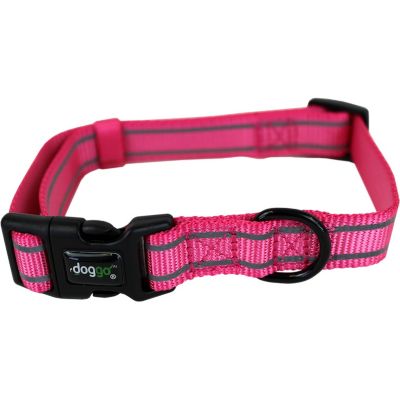
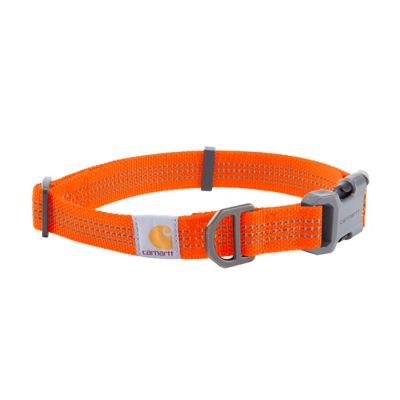
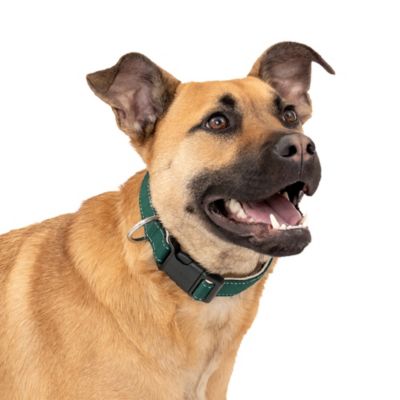
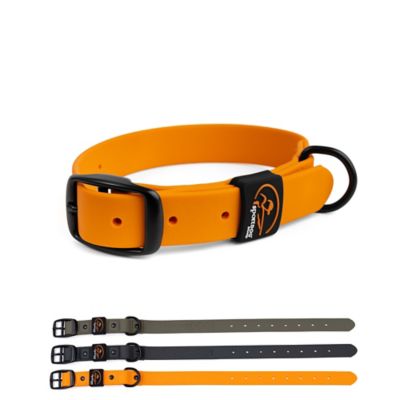
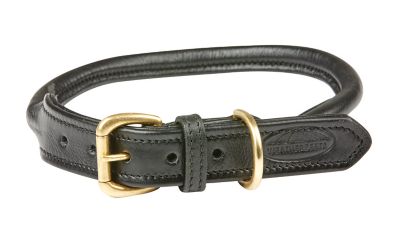
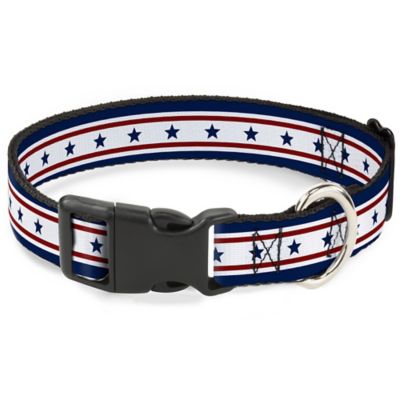
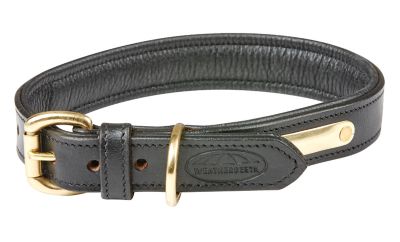
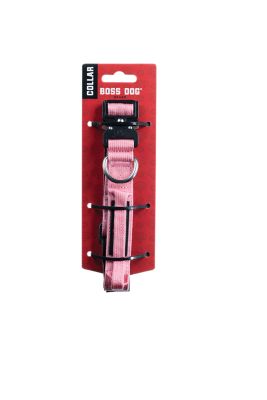
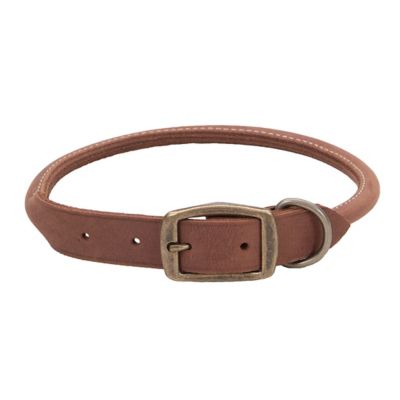
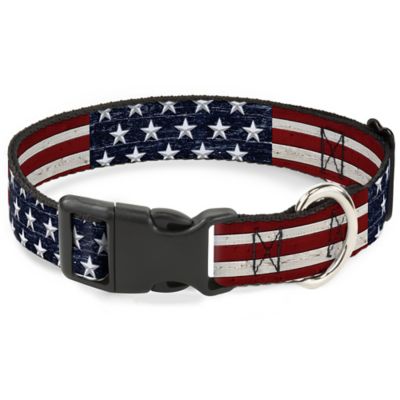
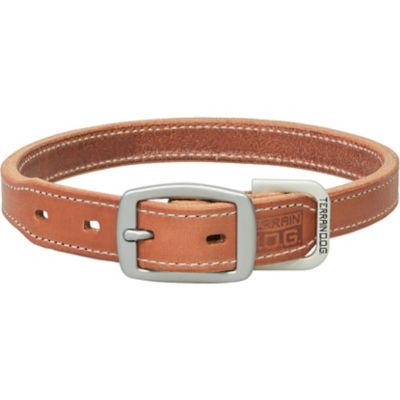
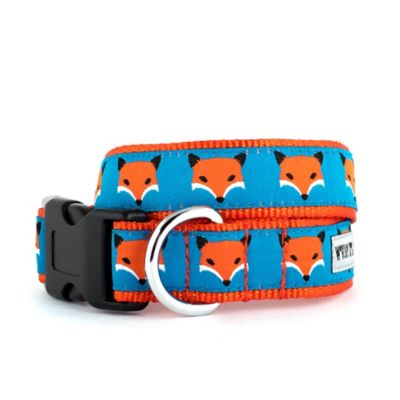
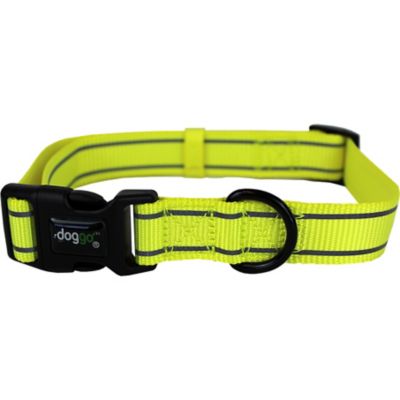
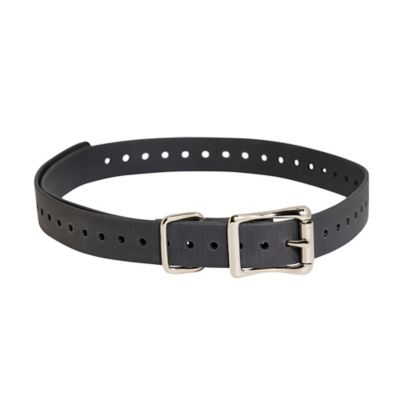
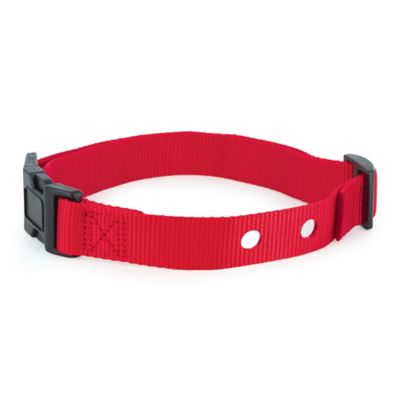
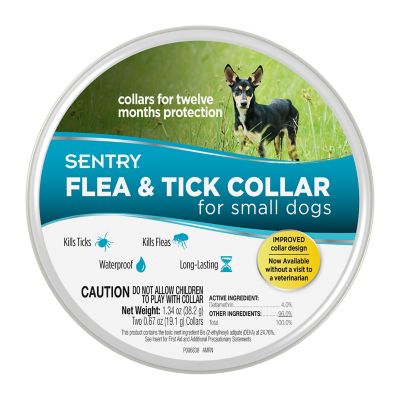
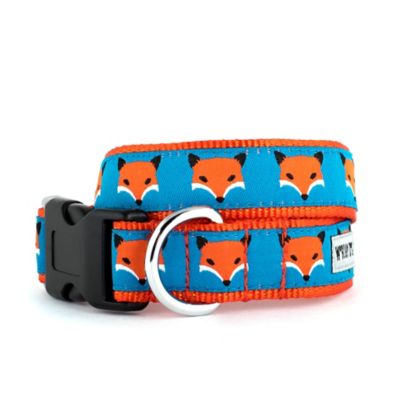
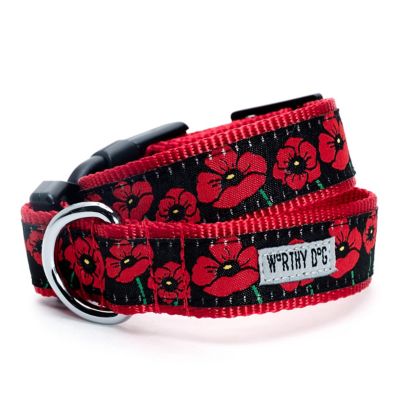
Dog collars help keep identification close at hand, and many provide a leash attachment for everyday walks. From a puppy’s first trips beyond the yard to an older farm dog’s ride into town, the right collar balances comfort, secure fastening, and a fit suited to the dog wearing it. Flat collars are a common choice for daily wear because they hold tags without adding much weight or getting in the way of normal movement. Materials make a noticeable difference in how a collar feels and how much attention it needs. Nylon webbing is lightweight, flexible, and generally easy to clean, making it a practical option for dogs that spend plenty of time nosing around the yard or stretching out on the porch. Polyester webbing is another common choice, with care requirements that depend on its construction and finish. Leather has a substantial feel and can soften with regular wear, though it needs appropriate cleaning and conditioning to help prevent drying and cracking. Coated webbing offers a smooth surface that can make wiping away dirt simpler, while fabric-covered styles add color and pattern over a supporting strap. Padding, including neoprene on some designs, can cushion the contact area, but thicker construction may also hold moisture against the neck if it stays damp. A dog that enjoys a dip in the pond needs a collar that can be cleaned and dried according to its care directions, not just one that looks ready for the water. Collar width matters alongside material: a broader strap spreads contact across more surface area, while a narrower, lighter collar may suit a small dog better. Neither width nor thickness replaces proper sizing. Solid colors, woven patterns, and contrasting trim give owners room to pick a look that stands out against their dog’s coat, while smooth edges, tidy stitching, and manageable hardware weight help make that collar comfortable enough for ordinary days. For a working dog, an easygoing house companion, or a pup learning the routine, practical construction deserves as much attention as appearance.
A well-fitting dog collar stays in place without pinching, restricting movement, or leaving enough room for the dog to slip free. Neck measurements matter more than breed labels or body weight alone, since two dogs of similar size can have very different neck shapes. Measure around the place where the collar will rest, then compare that measurement with the stated adjustment range and sizing directions. Room for two fingers beneath a flat collar is a common starting point, but the final fit should follow the maker’s guidance and account for the dog’s size, coat, and build. Thick fur can hide excess space, and a collar that seems snug against the hair may fit differently closer to the skin. Puppies need frequent fit checks as they grow, while adult dogs need another check after noticeable changes in weight or coat length. Families shopping for a midsize companion can explore
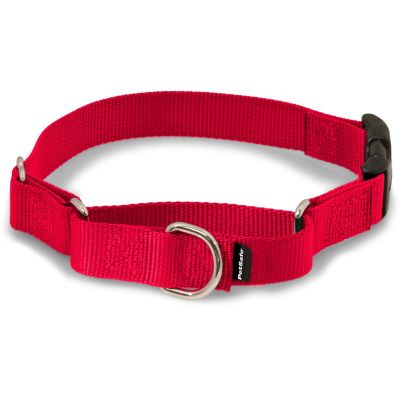
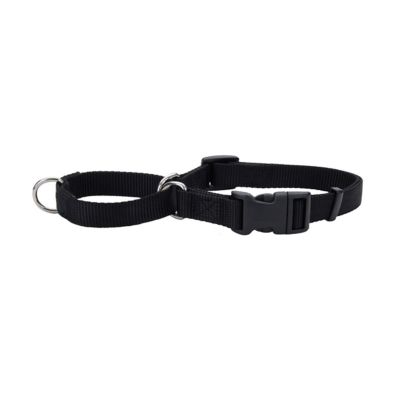
Dog Collars For Medium Dogs with those measurements in hand rather than relying on the word “medium” alone. Closures also affect daily handling. Side-release buckles make putting a collar on and taking it off straightforward, while traditional pin buckles fasten through set holes and may offer less room for fine adjustment. Adjustable sliders should hold their position without creeping loose during ordinary movement. A clearly identified leash ring provides the intended attachment point; a small tag ring should not be mistaken for load-bearing hardware. Martingale collars have a limited-slip design that can help reduce backing out when properly fitted, particularly for dogs whose heads are narrower than their necks. They require supervision and are not appropriate for unattended wear or tethering. For a dog that pulls hard, a properly fitted harness may be a better walking option than placing that force on the neck. Reflective details can help a collar stand out when illuminated by headlights or a flashlight, but they do not replace a leash, close supervision, or attention around driveways and roads. Each feature serves a different purpose, so the best match depends on the dog’s habits as much as its measurements.
Daily care helps a dog collar stay comfortable and gives owners a chance to catch wear before a fastening or attachment point fails. Dirt, grit, and dried mud can collect around buckles, beneath adjustment sliders, and along stitching, especially after a dog spends an afternoon investigating fence lines or following someone between the house and barn. Cleaning directions vary by material, so a washable webbing collar and a leather collar should not automatically get the same treatment. Some fabric collars allow gentle washing, while leather generally calls for a suitable cleaner and conditioner rather than a long soak. Any collar should dry fully before going back onto the dog, and the skin underneath deserves a look for redness, hair loss, or rubbing. Persistent irritation warrants advice from a veterinarian rather than another round of tightening or loosening. Frayed edges, stretched holes, cracked buckles, bent rings, and loose stitching are signs that a collar needs replacement. Hardware should close completely and sit without sharp edges against the neck. Identification tags also need occasional attention: lettering must remain readable, contact information should stay up to date, and attachment rings should remain closed. A collar and visible identification work alongside a microchip rather than replacing it. At home, removing collars before crate time or rough play can reduce snagging risks, and no everyday collar should serve as an unattended tie-out. For households with several dogs, different colors or patterns can make collars easier to tell apart when everyone is gathered by the door. A collar can also make a thoughtful gift for someone welcoming a puppy or adopted dog, provided the recipient has the right measurements and a say in the fastening style. Matching the collar to the dog’s daily routine matters more than choosing the boldest pattern or heaviest strap. Comfortable contact, sound hardware, readable identification, and straightforward care are the details that earn their keep through walks, rides, training sessions, and time spent close to home.