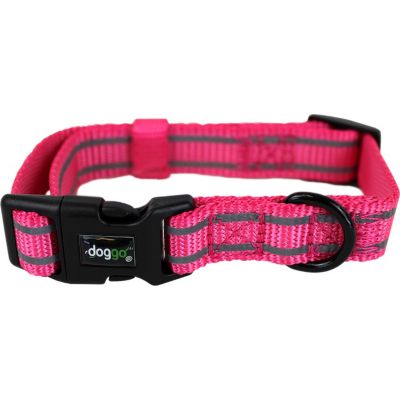
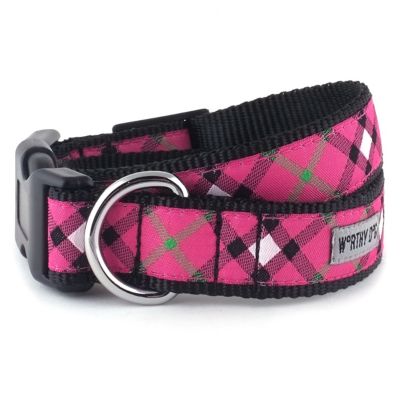
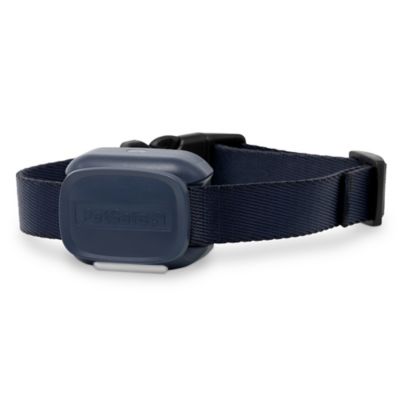
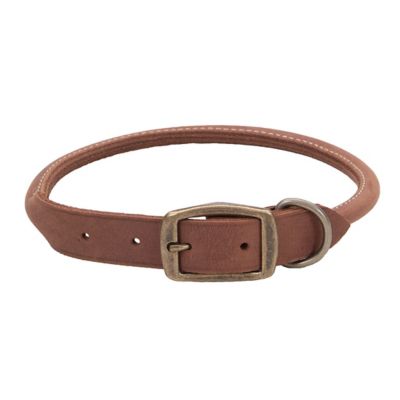
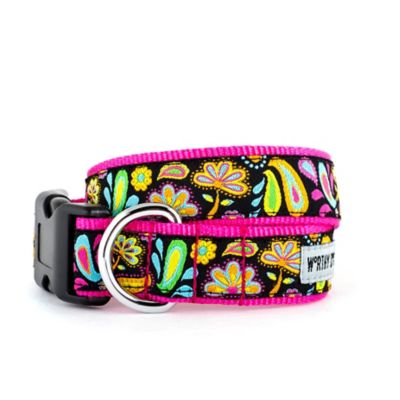
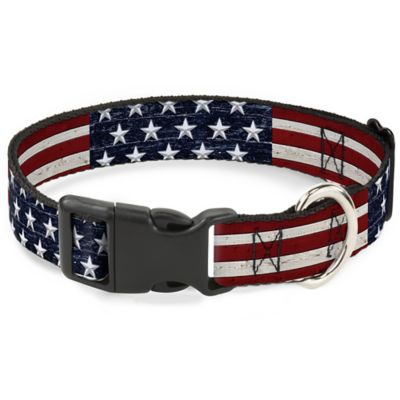
Cute dog collars for small dogs bring a little personality to an everyday essential, whether a little terrier is riding along to the feed store or a Chihuahua is keeping an eye on things from the porch. Floral prints, gingham checks, polka dots, bright solids and playful patterns can all suit a small dog without overwhelming its frame. The best match balances that cheerful look with soft edges, a comfortable width and hardware that feels light against a little neck. Narrow collars around 3/8 inch to 5/8 inch wide are common choices for small dogs, though the right width depends on the dog’s build, neck length and the collar maker’s recommendations. A tiny toy breed may need a narrower, lighter collar than a sturdy small terrier, even when their neck measurements are close. Nylon webbing offers a flexible base for colorful patterns, while polyester often holds printed details well and is straightforward to clean according to its care label. Cotton fabrics and ribbon overlays add texture, but their backing, stitching and edge finish matter just as much as the fabric seen on top. Leather has a different feel and generally calls for leather-specific care; thickness and flexibility are especially important on a petite dog. Soft linings can help reduce rubbing, provided they do not make the collar too thick or trap moisture against the skin. For everyday wear, a smooth underside and neatly finished seams deserve as much attention as a pretty print. A bow or flower can add charm for a family photo, but any attachment should be light, firmly secured and positioned where it will not bother the dog’s chin or ears. Small dogs already carry plenty of character. A well-proportioned collar lets that character show without a heavy buckle, oversized trim or a large cluster of tags getting in the way of ordinary sniffing, strolling and settling down beside a favorite person.
Fit makes the difference between a collar that simply looks sweet and one that belongs comfortably in a small dog’s daily routine. Size labels such as extra small and small vary between manufacturers, so neck circumference and the stated adjustment range offer a better starting point than breed name or body weight alone. A soft measuring tape placed where the collar normally rests gives a useful measurement, with the manufacturer’s sizing directions determining how much room to allow. The familiar two-finger check is a general fit reference, not a substitute for those directions: there should be comfortable clearance without enough looseness for the collar to slip over the head. With especially tiny dogs, finger size can make that check less helpful, so attention to the actual fit matters. The collar should not press into the throat, rub behind the ears or catch the jaw when the dog lowers its head. An adjustable design offers room for small changes, but extra strap length should stay tucked into its keeper rather than hanging where it can be chewed. Puppies need frequent fit checks as they grow, and a haircut can change how a collar sits on a long-coated dog. For particularly petite necks,
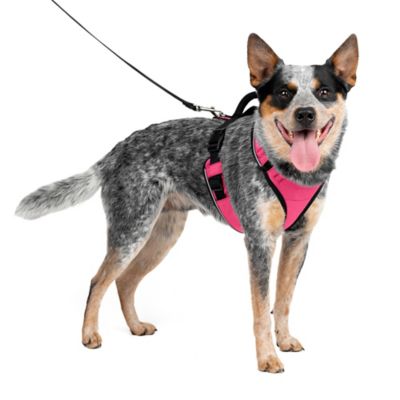
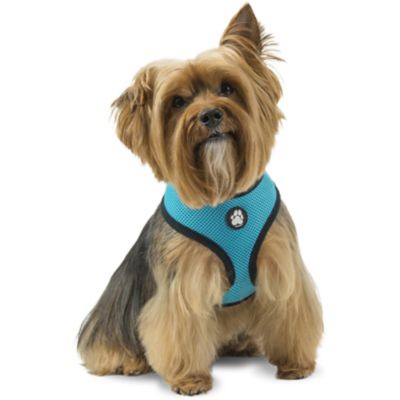
Collars For Extra Small Dogs provides a more size-focused place to browse, with the same attention to measurements and hardware weight. Closures deserve a close look, too. Side-release buckles should click fully shut, while traditional buckle tongues should seat securely in their holes. A leash ring and a tag attachment point may serve different purposes, so the collar’s design determines where each connection belongs. For a small dog that pulls, coughs with neck pressure or has a known airway concern, a properly fitted walking harness can keep leash force off the throat while a lightweight collar carries identification. Toy breeds can be susceptible to tracheal problems, and a veterinarian can help with individual concerns. A collar is not a lifting handle or a substitute for a suitable vehicle restraint, no matter how sturdy its hardware looks.
Everyday life gives a small dog’s collar plenty to contend with, from dusty paths to a splash at the water bowl, so construction and care have a real place alongside color and pattern. Even stitching, reinforced attachment points, smooth metal edges and webbing that holds its shape all contribute to how well a collar stands up to regular wear. Hardware should be proportionate to the dog while still suited to the collar’s intended purpose; the lightest closure is not automatically the right one for every small dog. Checking the buckle, adjustment slide and ring during routine handling can catch a loose seam, a crack or a bent part before it becomes a bigger problem. Fraying, a closure that no longer latches fully or a strap that slips out of adjustment means it is time for a replacement. Cleaning needs vary by material, and the care label should set the method. Many fabric collars can be gently washed with mild soap and thoroughly rinsed, while leather generally needs a different approach. A collar should dry fully before going back on the dog, and the skin beneath it deserves a look for redness, tenderness or tangled hair. Long coats can mat under a collar, especially where a buckle or tag rests, making regular brushing and brief skin checks worthwhile. Removable bows and other accents may need separate cleaning, and anything that becomes loose or invites chewing should come off. For walks around town, visits with family or a quiet ramble down the lane, a simple collar with a legible identification tag keeps the everyday purpose clear. Patterns with strong contrast can stand out against dark fur, while richer colors can show nicely on pale coats; the choice can be playful without sacrificing comfort. A cute small dog collar can also make a thoughtful gift for someone welcoming a little companion, especially when the dog’s neck measurement and the owner’s preferences are known. Soft contact surfaces, sensible proportions and a secure fit give that good-looking collar a practical place in the dog’s day.