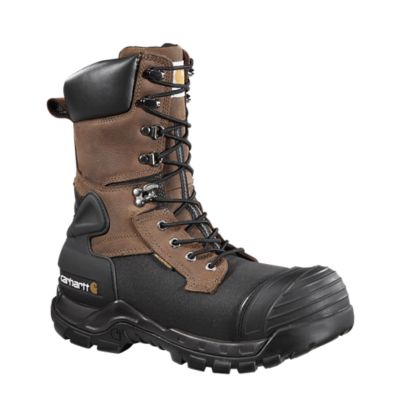
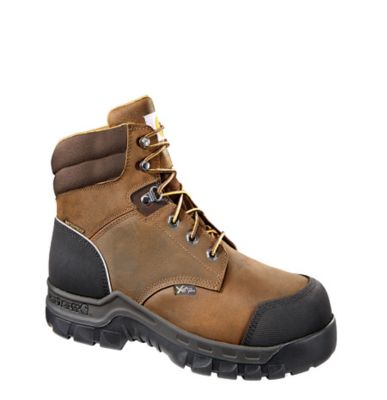
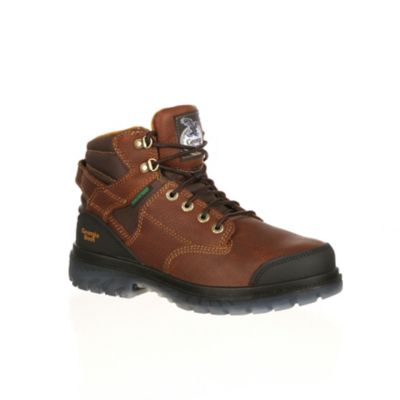
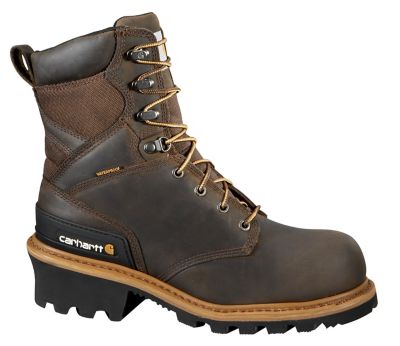
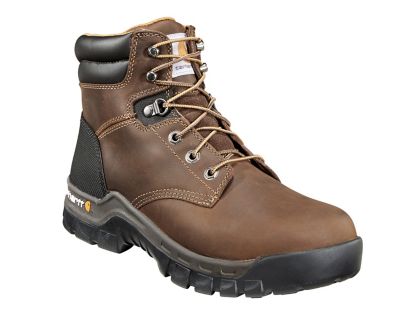
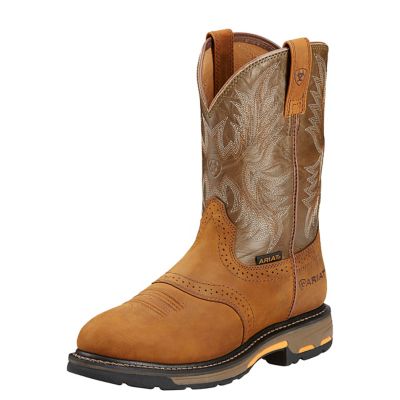
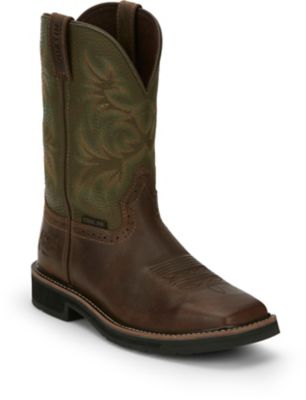
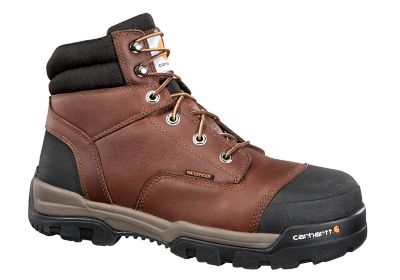
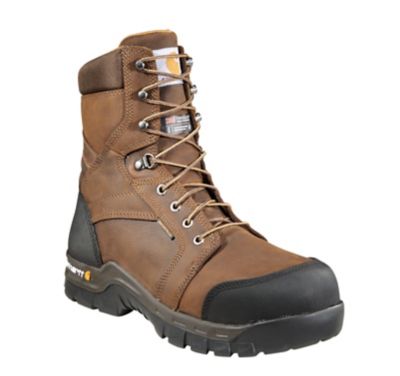
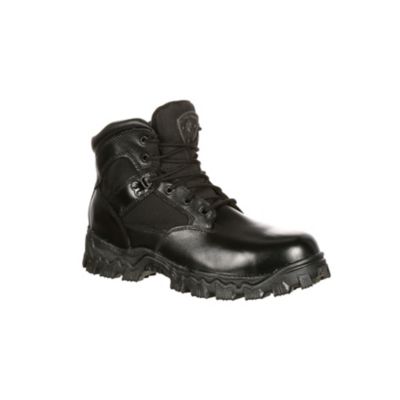
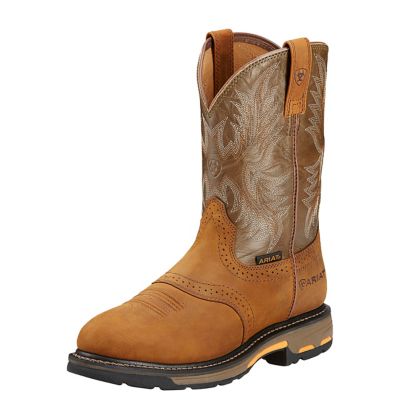
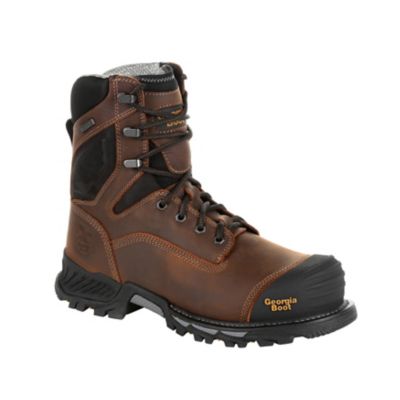
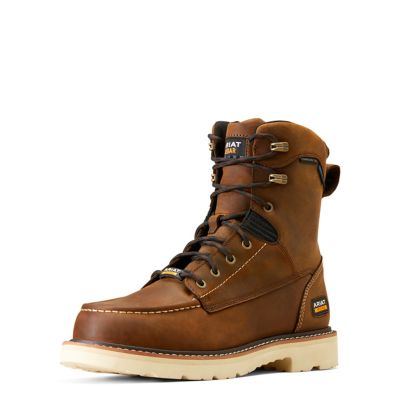
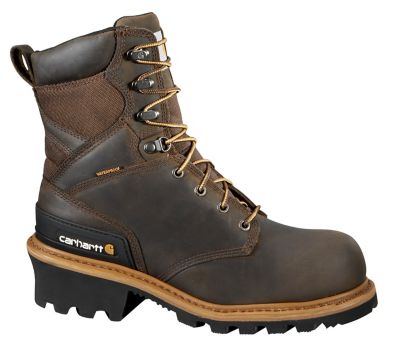
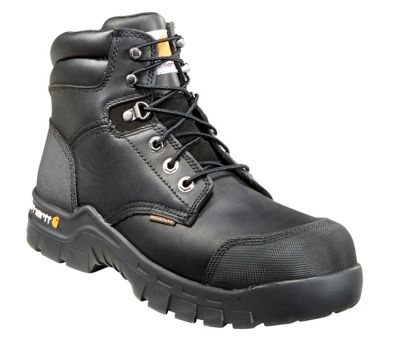
Cold weather composite toe work boots are built for long days when the ground is frozen, the wind cuts across an open field, and a regular pair of work shoes leaves your feet cold before the job is halfway done. They combine a protective safety toe with insulation, weather-resistant construction, and outsoles made to help keep you steady on wet, muddy, icy, or uneven ground. Composite toes are made from non-metallic materials such as carbon fiber, fiberglass, or reinforced plastic. Unlike steel, these materials do not transfer cold as quickly, which can help toes stay more comfortable during winter work. Composite toes are also often lighter than steel toes, making a noticeable difference when you spend the day walking fence lines, climbing in and out of equipment, hauling feed, or working on concrete floors. Look for boots that meet ASTM F2413 safety standards for impact and compression protection, and check the product details for electrical hazard protection if your work calls for it. Insulation levels can vary, with common options ranging from lighter insulation for cool, active work to 400g or 600g insulation for colder conditions. More insulation is not always better for every job; a person working hard outdoors may prefer a moderately insulated boot that allows heat and moisture to escape, while someone standing still in a cold shop, loading dock, or hunting blind may appreciate extra warmth. A waterproof or water-resistant upper helps keep out puddles, slush, rain, and melting snow, while a waterproof-breathable membrane can help move perspiration away from your feet. Full-grain leather is valued for durability and can soften with wear, while synthetic materials may offer a lighter feel and quicker break-in. Whichever style fits your routine, pay attention to the tongue and gusset design, seam sealing, heel support, and boot height. A taller boot gives snow, mud, and water fewer chances to get inside, especially when you are stepping through tall grass or crossing a soggy lot.
Choosing the right cold-weather work boot comes down to matching the boot to the work, the weather, and the way your feet fit. Start with the socks you expect to wear. Thick wool or moisture-wicking work socks take up more room than everyday cotton socks, so try boots on with the socks you will actually use and leave enough space to wiggle your toes. A snug heel helps reduce rubbing, but your toes should not press against the safety toe or the front of the boot. Walk up and down an incline if possible, since a boot that feels fine on level ground may let your foot slide forward when climbing a ladder or walking a hill. Look for an outsole with deep, well-spaced lugs for mud and loose soil, along with slip-resistant rubber for smooth floors and wet surfaces. Flex zones, cushioned footbeds, and supportive midsoles can ease the pounding that comes from standing on concrete or spending hours behind the wheel of a tractor. Keep in mind that even a well-insulated boot will not stay warm if it fits too tightly, because cramped toes have less room for a warm layer of air and reduced circulation. Let wet boots dry fully between shifts, remove the insoles when needed, and avoid placing leather boots directly against a heater, which can dry and crack the material. These boots make a practical gift for a farmer, ranch hand, mechanic, utility worker, warehouse employee, delivery driver, or anyone who works outdoors as the weather turns cooler. They can also be a helpful choice for a new hire building a dependable work wardrobe or for a family member preparing for snow removal, property maintenance, or long hours around livestock. If wet conditions are part of the daily routine, browse
Waterproof Composite Toe Boots to compare additional weather-ready options. A dependable pair of cold-weather composite toe boots helps make early-morning chores, winter construction, roadside work, and busy days around the farm more manageable by giving your feet a warmer, safer, better-supported place to stand.