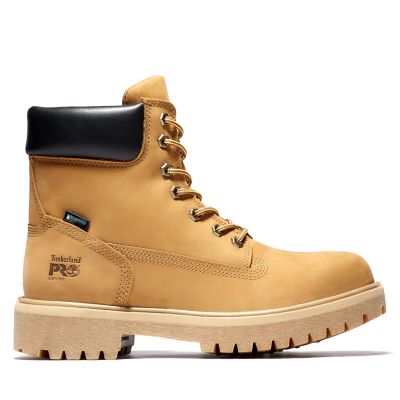
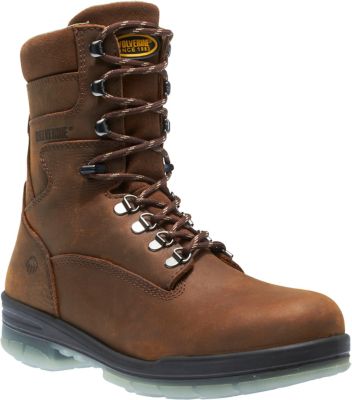
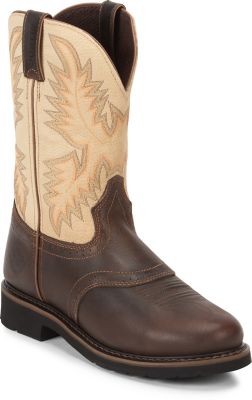
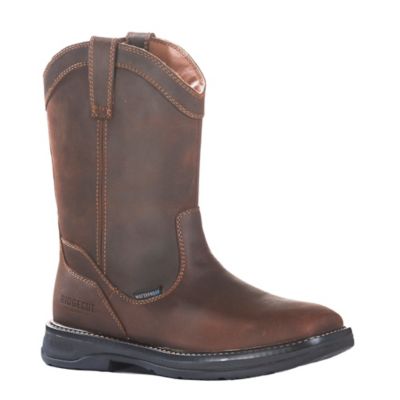
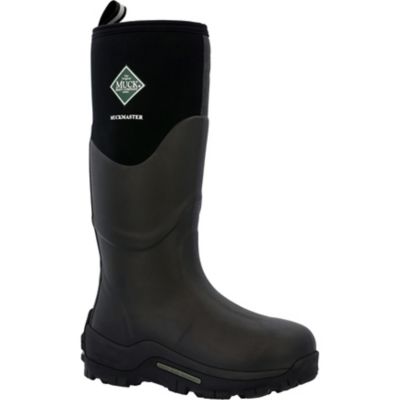
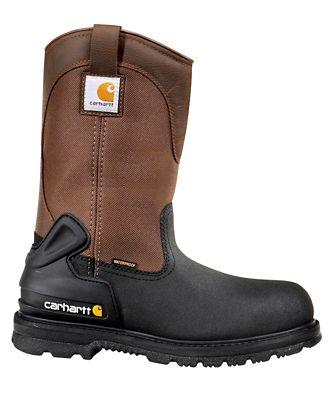
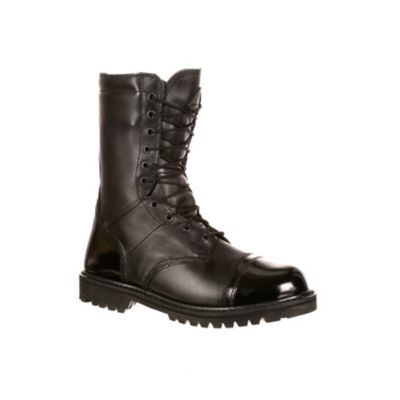
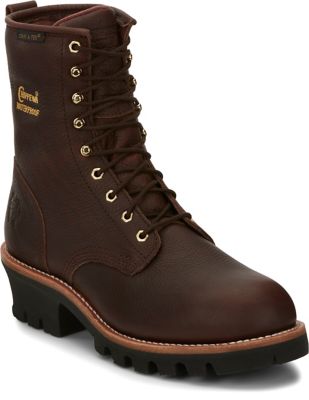
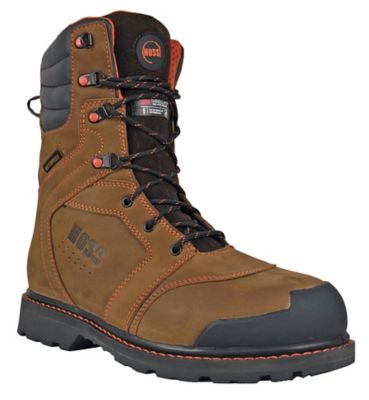
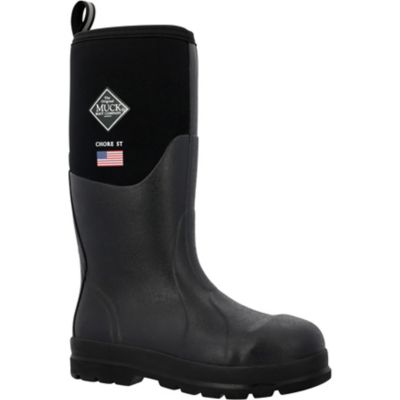
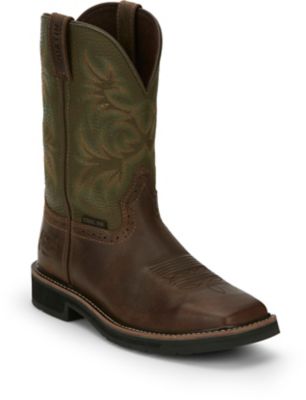
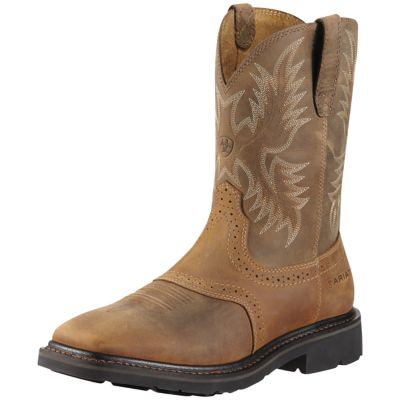
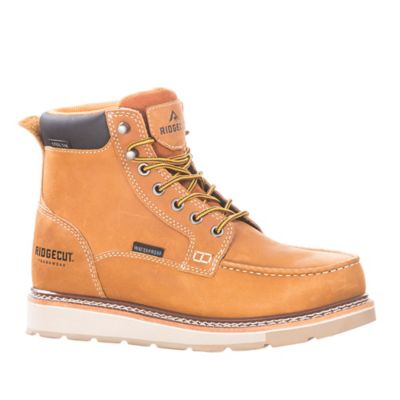
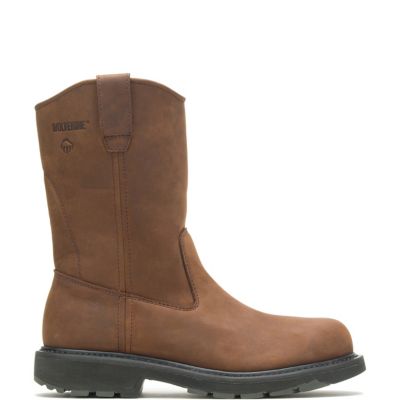
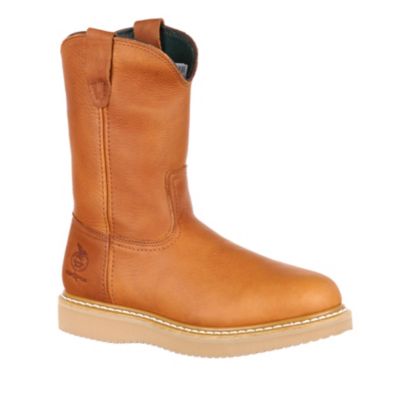
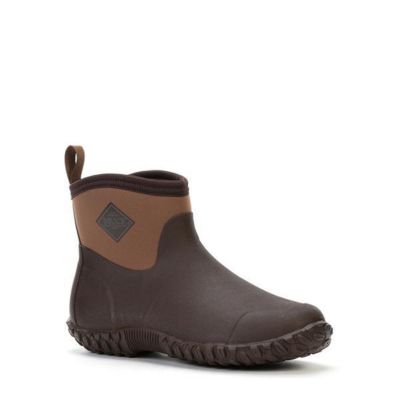
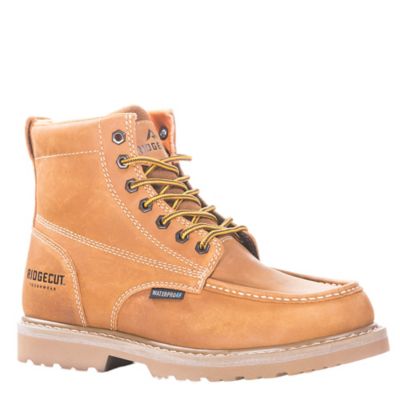
Men's winter work boots earn their place by the back door when chores mean crossing frozen ground, carrying feed through slush or spending hours on a cold shop floor. The right pair brings together warmth, weather protection and support without making every step feel like extra work. Different jobs call for different builds: feeding livestock may involve wet bedding and muddy barn lots, while fence repairs can mean long stretches on uneven ground with little shelter from the wind. Leather uppers offer a sturdy feel and can soften with wear, while rubber lowers help keep wet snow and muck away from the foot. Fabric panels can reduce weight and help moisture escape, though overall protection depends on the boot's construction. Waterproof membranes, sealed seams and gusseted tongues can help block water from entering, but water-resistant materials alone do not provide the same protection as a waterproof design. Shaft height matters, too, especially where snow piles against gates or puddles collect around water troughs. Water can still enter over the top, so coverage needs to suit the ground underfoot. Insulation adds warmth, with lighter amounts often making sense for steady walking and heavier amounts offering more warmth for slower tasks or extended time standing. Insulation weight is not a temperature guarantee; activity level, circulation, socks and exposure all affect comfort. A man moving hay may need a different balance than someone watching a gate or operating equipment with limited foot movement. Moisture-managing linings help move perspiration away from skin, an important consideration when a morning starts with hard work and ends with a long ride in the truck. Snow tracked into a heated barn or workshop can turn to water quickly, making wet-weather protection useful even when most of the day is spent under a roof. Winter work footwear needs to handle those changes without getting in the way of the job, whether that means climbing into a tractor, walking a gravel drive or standing at a workbench.
Fit makes a noticeable difference over a full workday, particularly when thicker socks are part of the routine. Men's insulated work boots should leave enough room for toes to move without allowing the foot to slide around inside. A cramped toe box can compress socks and limit circulation, working against the warmth the insulation is meant to provide. Extra length is not a substitute for the right width, and a loose heel can lead to rubbing on repeated trips between the barn and the house. The socks worn for chores belong in the fit check, along with any footbeds or orthotics that will be part of everyday wear. Lace-up styles allow adjustments across the instep and around the ankle, which can be helpful when feet swell over the course of a long shift. Pull-on boots offer a straightforward option for frequent trips outdoors, though a secure fit through the instep is still important. Cushioning softens the feel of hard surfaces, while a supportive midsole and stable heel can help feet feel more settled when carrying loads or walking across rutted ground. Outsole tread deserves attention beyond how deep the lugs look. Open tread patterns can help shed mud, and rubber compounds made for cold conditions may stay more flexible as temperatures drop. No outsole makes slick ice safe, so footing, pace and appropriate traction equipment still matter around frozen steps, ramps and packed snow. Toe protection is another job-specific consideration. Safety-toe boots belong where workplace rules or impact hazards call for them, and any required protection should match the standards listed for the boot. A soft toe may suit chores without those hazards, but it does not replace a required safety toe. The same care applies to electrical-hazard and slip-resistance claims: the stated rating and workplace requirements matter more than appearance. Boot weight, ankle flexibility and space around equipment pedals also affect how comfortably a pair fits into the day's work.
A pair that holds up to repeated chores depends on both its construction and the attention it gets after coming inside. Reinforced stitching, protected toe areas and well-joined uppers and soles can help boots stand up to scuffs from barn doors, gravel and equipment steps. Even a stout build benefits from having manure, mud and road salt cleared away before they settle into seams or dry against the material. A soft brush and damp cloth handle much of that cleanup, with care products chosen for the particular leather, rubber or fabric. Leather conditioners and water-repellent treatments need to match the manufacturer's directions, since some formulas can change the finish or affect how a membrane performs. Drying calls for patience rather than a spot against a heater. Direct heat can dry out leather and weaken bonded parts, while room-temperature airflow gives moisture a gentler way out. Removable footbeds can come out to dry separately when the care directions allow it, and opening the tongue helps air reach the lining. Boots put away wet may still feel clammy the next morning, even when their insulation is substantial. Regular checks around flex points, heel edges, laces and seams can reveal wear before a small problem becomes a wet sock halfway through chores. Storage in a dry, ventilated spot also helps keep a pair ready between winter jobs. For gift giving, men's winter work boots make sense for someone who spends plenty of time tending animals, maintaining property or working outdoors, but knowing his size, width and job requirements matters more than guessing from appearance. A familiar closure style and enough room for his usual socks help make the gift practical. For less demanding work and everyday wear,
Men's Casual Work Boots offer another category to consider alongside insulated footwear. Matching the boot to the task keeps the focus where it belongs: comfortable feet and getting the day's work done.