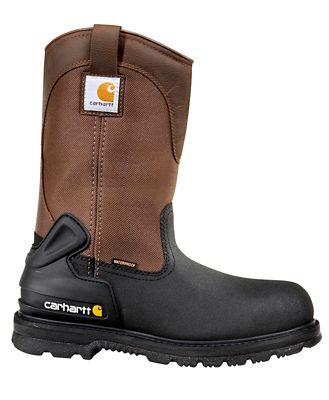
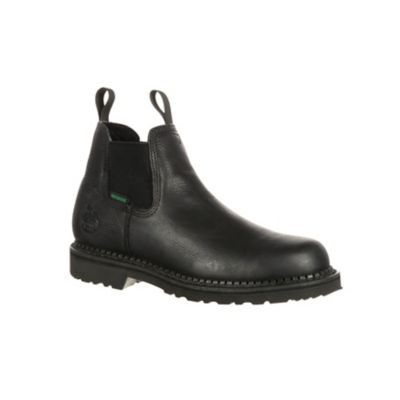
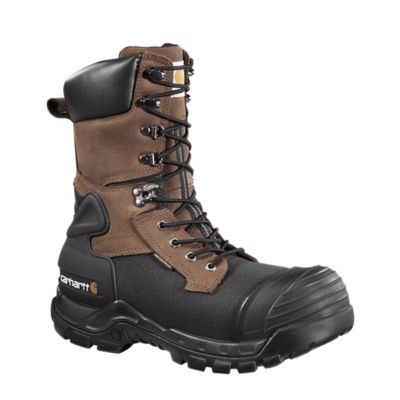
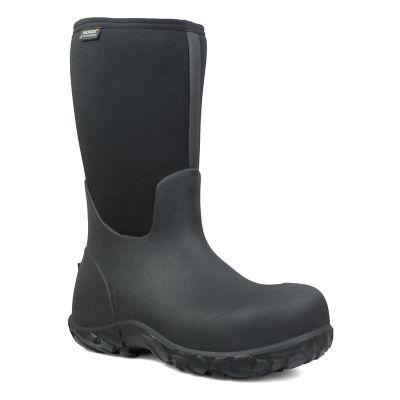
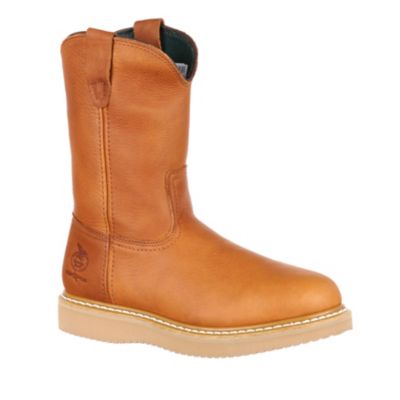
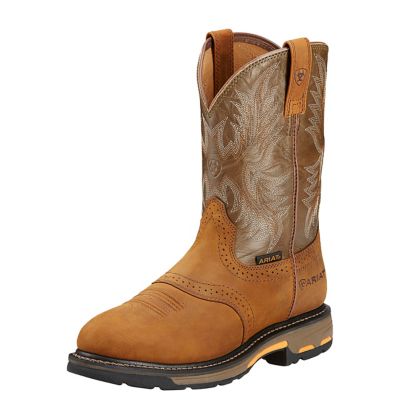
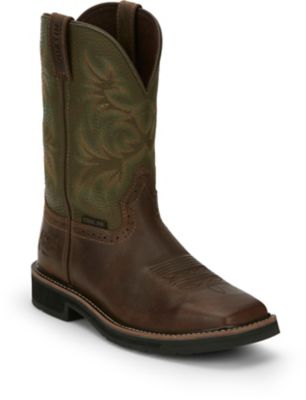
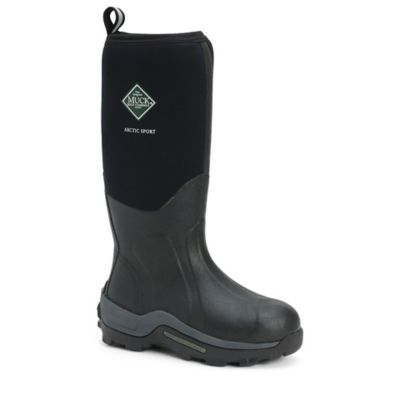
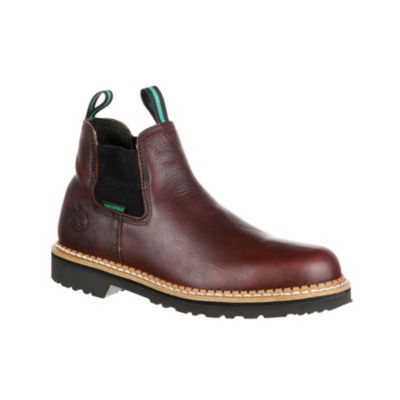
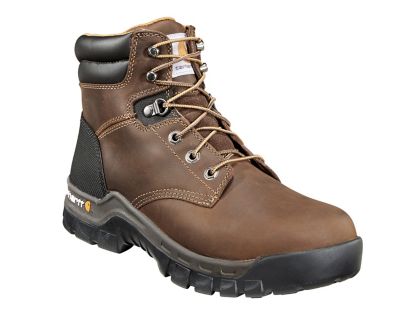
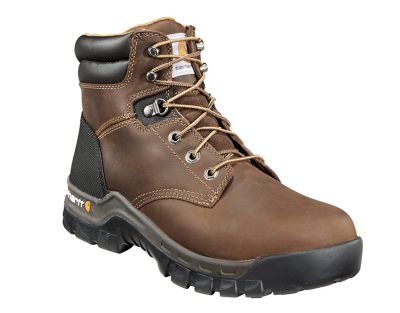
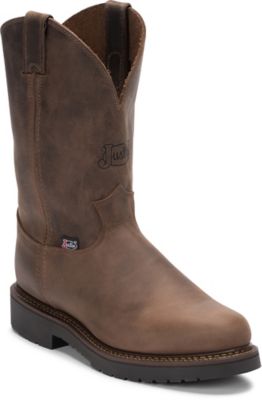
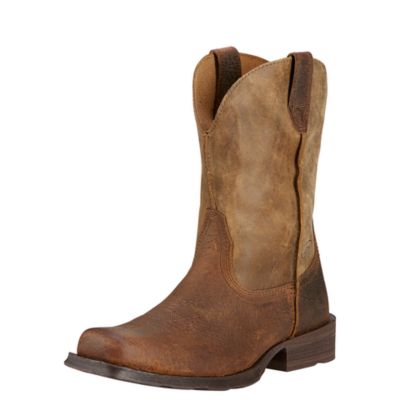
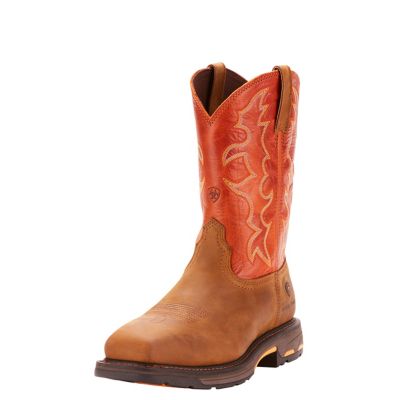
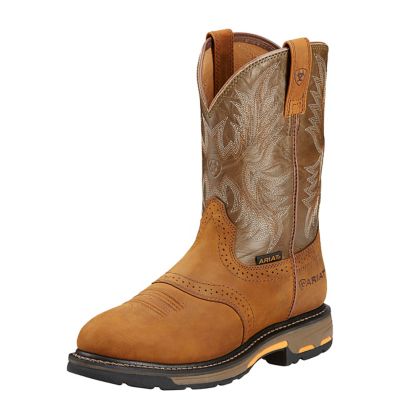
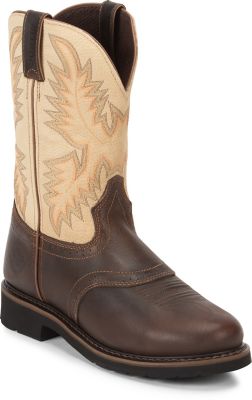
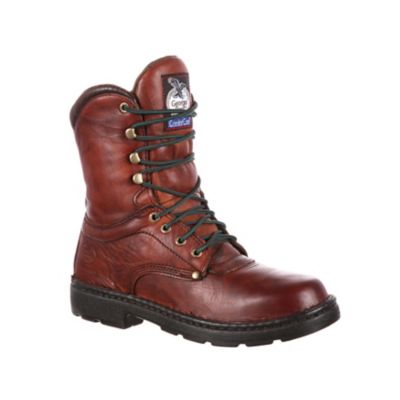
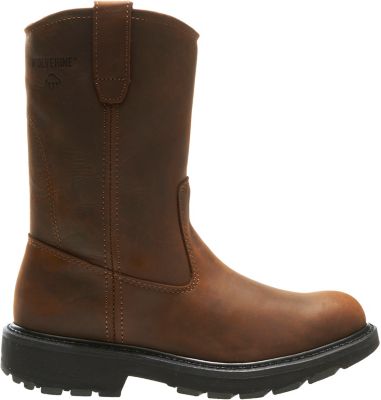
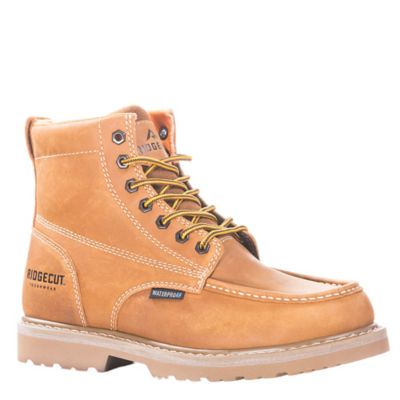
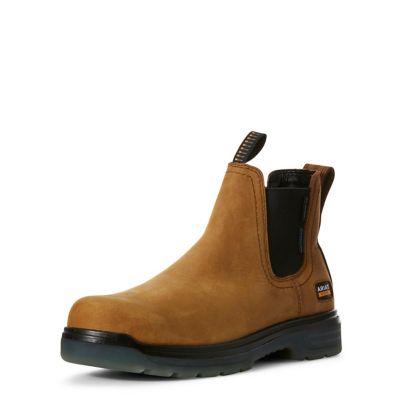
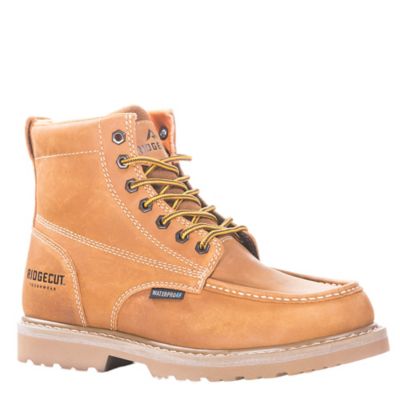
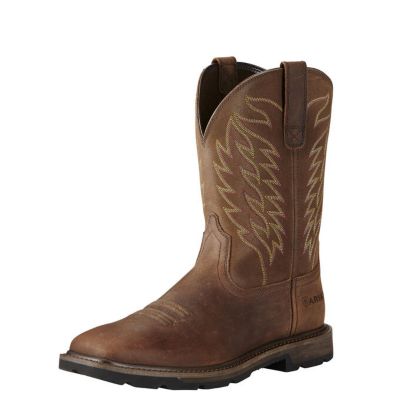
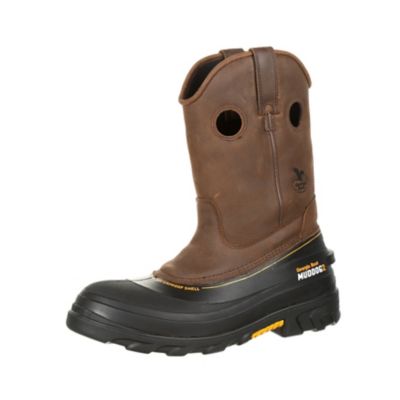
Men’s cold weather work boots are built for the days when the ground is frozen, the barnyard is wet, and a regular pair of work shoes leaves your feet cold before the job is half done. They are a practical choice for farmers, ranchers, construction crews, delivery drivers, utility workers, outdoor maintenance teams and anyone who spends long stretches on their feet during the cooler months. The right pair can help keep warmth in, moisture out and each step planted when conditions turn slick. Start with the kind of work and weather you expect to face. Insulation is one of the biggest differences between cold weather boots and everyday work boots. Lighter insulation, often in the range of 400 to 600 grams, can be a good fit for active work where you are walking, climbing or hauling most of the day. Heavier insulation, such as 800 grams, 1,000 grams or more, is better suited to long periods spent standing in cold conditions, checking livestock at first light, running equipment outdoors or working in deep winter weather. More insulation is not always better for every job, though. Feet can sweat during hard work, and damp socks can leave you colder once you slow down. Think about how much you move, how long you stay outside and whether you will be stepping indoors and outdoors throughout the day. Waterproof construction is just as important as insulation when the ground is covered with slush, wet leaves, puddles or melting snow. Look for boots with waterproof leather or synthetic uppers, sealed seams and a waterproof-breathable lining that helps moisture from the outside stay out while allowing some interior heat and perspiration to escape. A taller boot can add protection when walking through snow, wet grass, mud or shallow standing water, while a shorter boot may feel easier to move in for shop work and general chores. A gusseted tongue, snug collar or built-in gaiter can help keep cold air, grit and snow from finding their way inside. Pay attention to the sole, too. Cold-weather work boots need more than a deep-looking tread; they need a rubber compound and tread pattern that remain dependable on wet ground, packed snow and icy surfaces. Wide, well-spaced lugs can shed mud, while smaller gripping features may help provide contact on hard, slick ground. No boot can make ice harmless, so slow down, use handrails and watch for uneven spots around gates, ramps and equipment. If your job involves oil, grease, chemicals or other slippery surfaces, check that the outsole is rated for the conditions you face. For added job-site protection, choose a safety toe that matches your workplace requirements. Steel toes offer strong impact and compression protection, but they can feel colder because metal conducts outdoor temperatures. Composite safety toes do not transfer cold in the same way and may be more comfortable in frigid conditions, though they still need to meet the safety standards required for your work. Check employer rules and the boot’s safety rating before making a decision.
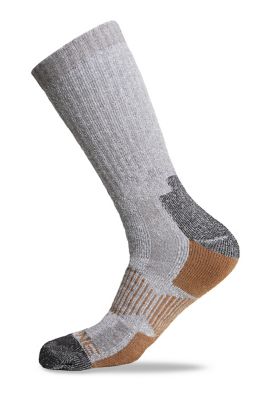
Comfort and fit matter even more when a pair of boots will be worn through a full shift. Try them on with the socks you normally wear for outdoor work, preferably later in the day when feet have naturally expanded. Your heel should stay mostly in place without pinching, and your toes should have enough room to wiggle without sliding forward on downhill walks. Leave room for a warm sock, but do not size so large that your foot moves around; extra space can create blisters and make it harder to keep steady on uneven ground. A supportive footbed, cushioned insole and stable heel can make a long day of feeding, fencing or loading feel easier. Some workers prefer a flexible boot for climbing in and out of a truck, while others want a firmer platform for lifting, shoveling or standing on concrete. Lacing systems, pull-on shafts and side zippers each have their place, so consider whether you need a close, adjustable fit or quick on-and-off convenience. Break in new boots gradually before taking them out for an all-day job. Wear them around the house, shop or yard for short periods, and pay attention to rubbing at the heel, ankle or toe box. A moisture-wicking wool or synthetic sock can help manage perspiration better than cotton, which tends to hold dampness against the skin. Avoid wearing two thick pairs if they make the boot tight, since compressed insulation loses some of its ability to hold warmth and restricted circulation can make feet colder. Let boots dry fully between uses, remove the insoles when needed and keep them away from direct high heat that can crack leather or damage adhesives. Brush off mud and salt, treat leather according to the maker’s directions and inspect the tread, stitching and waterproof areas regularly. Cold weather work boots also make a useful gift for a dad, husband, son, brother, friend or outdoor worker who spends weekends hunting, chopping firewood, walking the property or caring for animals. For a gift, pay close attention to size, preferred boot height, safety-toe needs and the kind of weather the recipient typically handles. If warmth is important but a heavy insulated boot would be too much for active work, a comfortable everyday option may be a better fit; explore
Mens Comfortable Work Boots for additional choices. Whether they are headed to the barn before sunrise or finishing a long shift beside a cold gravel road, a well-fitted pair of men’s cold weather work boots helps keep feet warm, dry and ready for the work ahead.