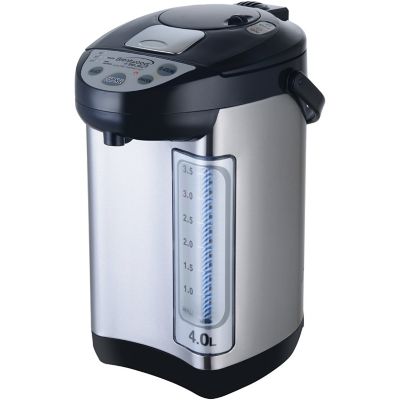
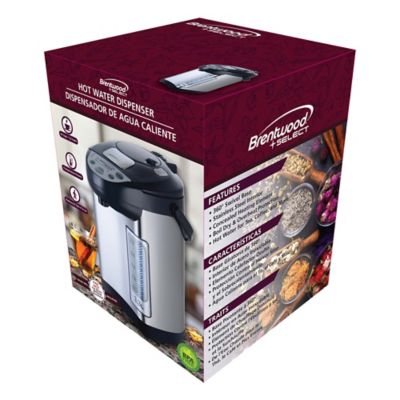
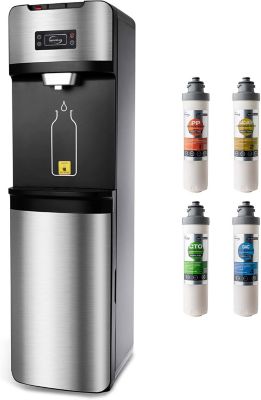
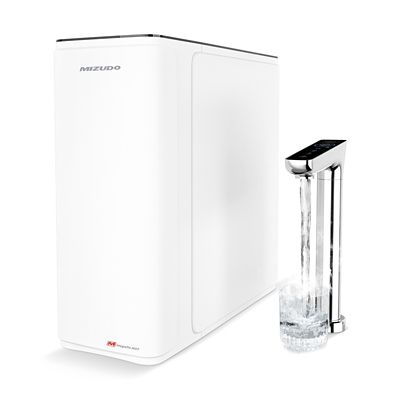
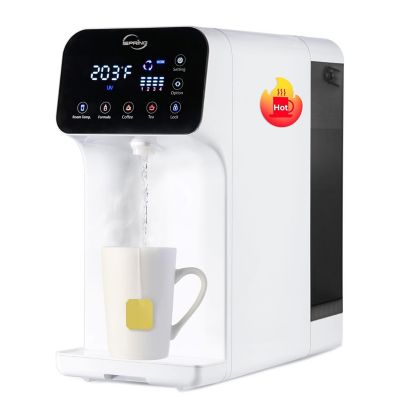
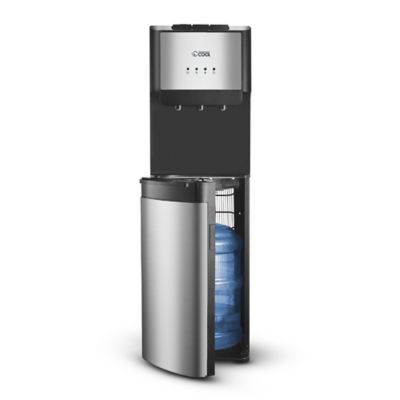
Home hot water dispensers keep hot water close at hand for tea, instant coffee, oatmeal, broth, and other everyday kitchen jobs. Depending on the design, they heat water as it passes through the machine or store heated water in an insulated tank, so a warm mug does not always mean filling a kettle and waiting for it to boil. That convenience fits a busy farmhouse kitchen just as well as a small apartment, especially when folks head out at different times in the morning. The main types are countertop instant hot water dispensers, electric water boilers with keep-warm settings, and under-sink hot water dispenser systems. Countertop models generally draw from a reservoir filled by hand and plug into a suitable household outlet. Some heat individual portions in seconds, though timing depends on the starting water temperature, selected setting, and amount dispensed. Water boilers, sometimes called thermo pots, heat a larger batch and hold it at a selected temperature for repeat servings. Under-sink systems typically connect to the home's cold water supply and keep a small heating tank below the counter, delivering hot water through a separate faucet at the sink. Many dispensers provide near-boiling water, but maximum temperatures and adjustment options vary by design. A lower setting can suit certain teas, while hotter water works well for instant soup or a recipe that calls for hot water. These appliances are especially handy during the cooler months, when a mug of tea after feeding livestock or a quick bowl of oatmeal before heading outside becomes part of the daily rhythm. They also suit households with several tea drinkers, home offices with regular coffee breaks, and kitchens where the stovetop is already busy with supper. For someone who enjoys a daily cup, a countertop dispenser can make a practical housewarming gift, provided its footprint, controls, and refill routine fit the recipient's kitchen.
The way a home hot water dispenser fits the kitchen matters as much as how quickly it heats. A countertop unit needs a level, water-resistant surface, clearance for ventilation, and room above the reservoir for filling or removing the lid. Cabinet height can make a difference, especially when a machine sits beneath a low shelf. Spout clearance also matters: a favorite travel mug or tall insulated tumbler may not fit beneath every outlet. A removable drip tray can simplify wiping up splashes, while a clearly marked water-level window makes it easier to see when a refill is due. Reservoir capacity is best understood in terms of the household's usual servings rather than cup counts alone, since a small teacup and a big chore-day mug hold very different amounts. A larger boiler may suit several people pouring drinks throughout the morning, while a smaller reservoir can fit a kitchen where counter space is tight. For tank-style models, both stored volume and recovery time affect how many hot servings can follow one another. Adjustable temperature settings, portion controls, and keep-warm functions offer different kinds of convenience, but not every design includes each feature. Stainless steel tanks and interiors are common choices for surfaces that stay in contact with hot water; other designs include food-contact plastic components, glass water-level windows, and insulated outer housings. Material specifications, accessible tank openings, and replaceable filters or service parts all help indicate how an appliance will fit into a long-term household routine. Under-sink installations involve another set of fit considerations, including space around plumbing and waste disposals, a compatible faucet opening, the required electrical connection, and the correct water-supply fittings. A dispensing faucet and heating tank must be compatible rather than simply similar in size. These systems serve a different purpose from
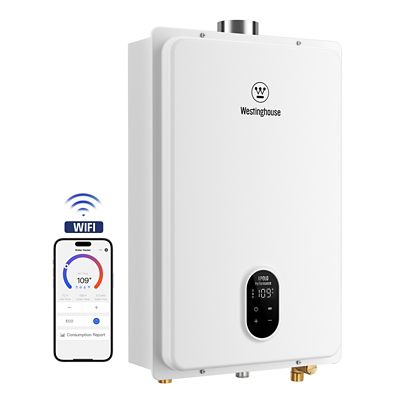
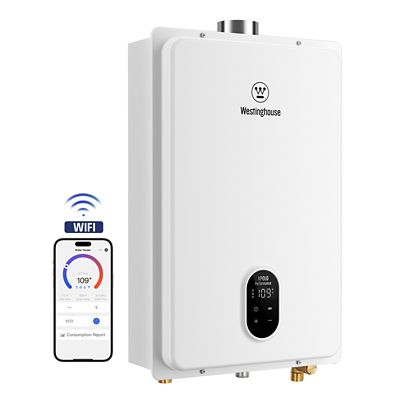
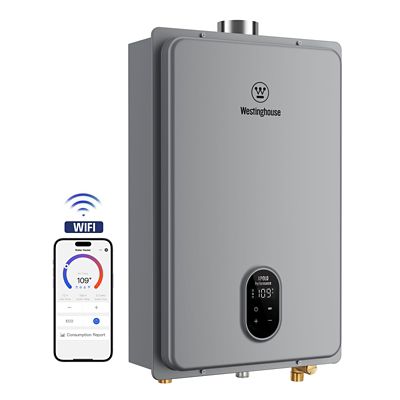
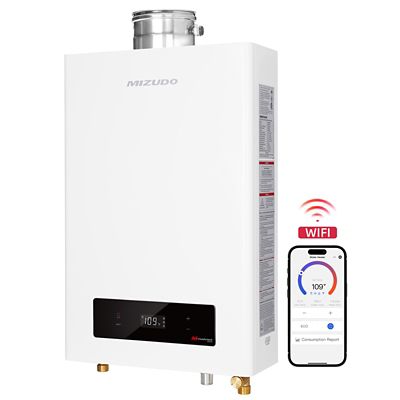
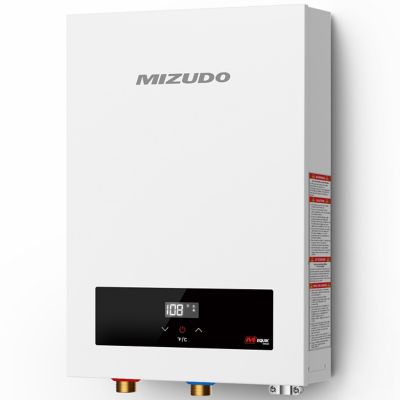
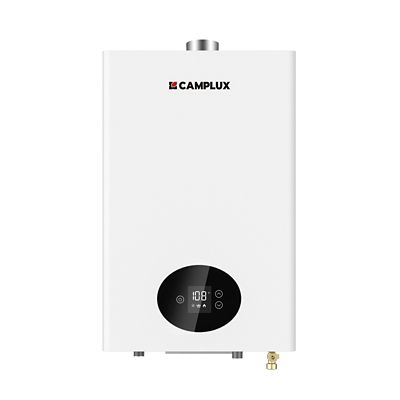
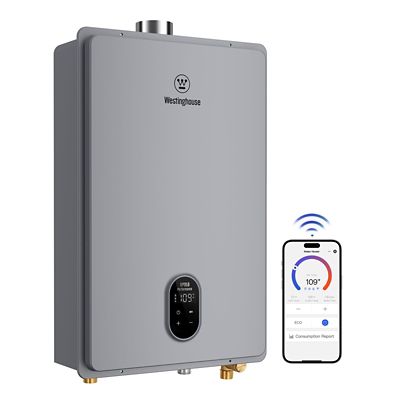
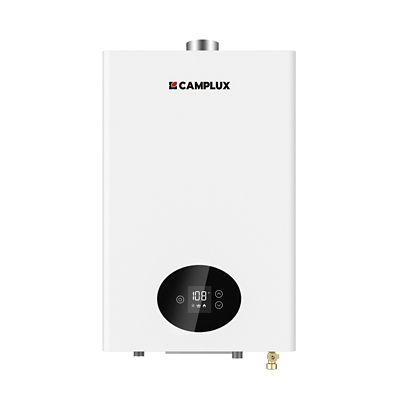
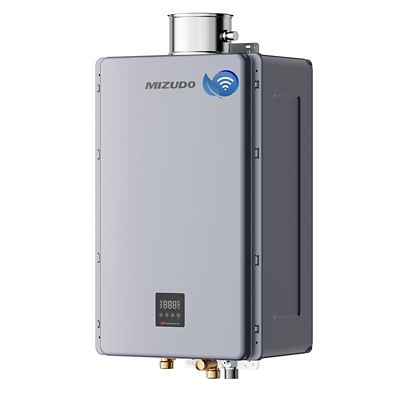
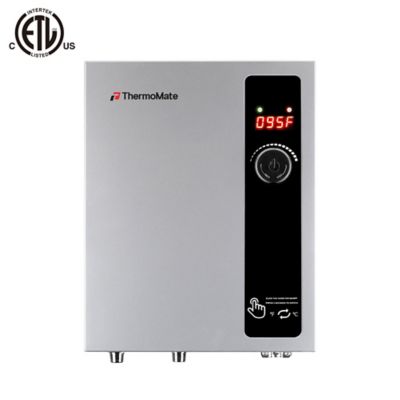
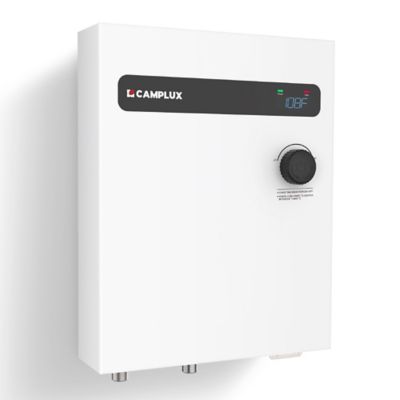
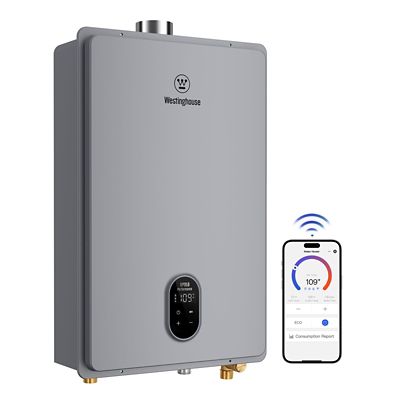
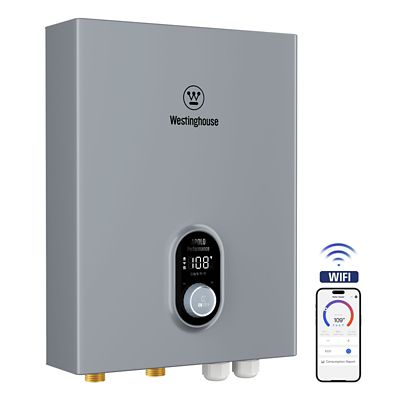
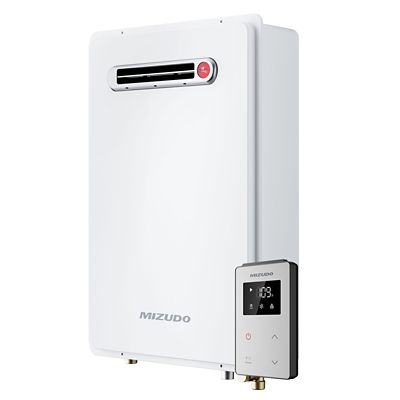
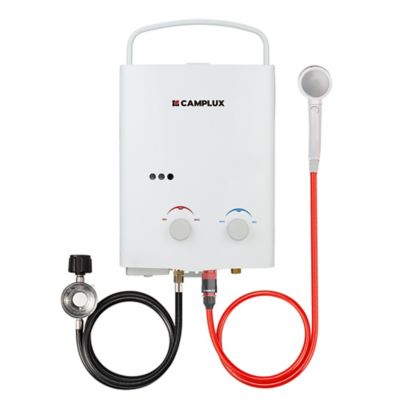
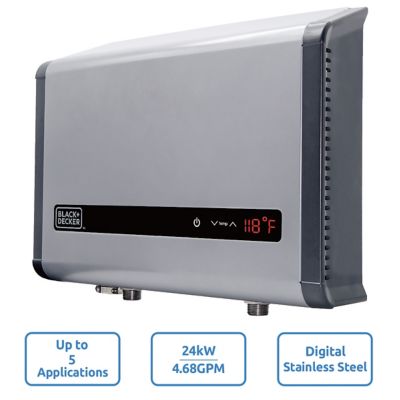
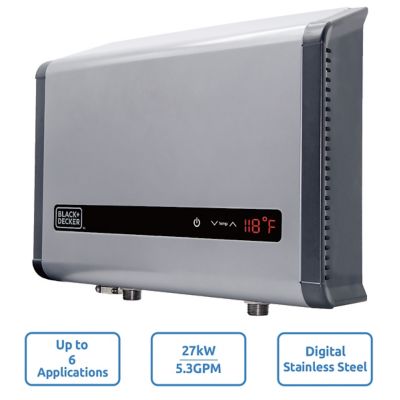
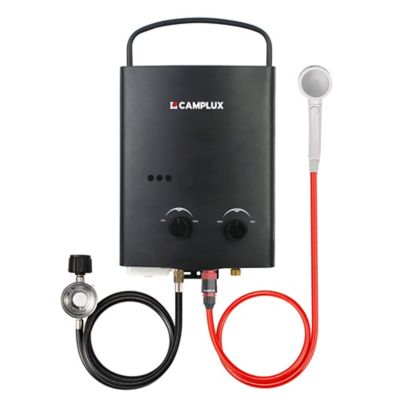
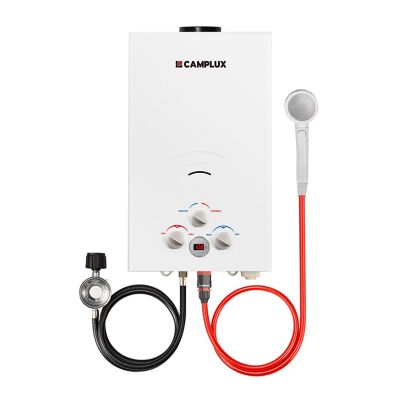
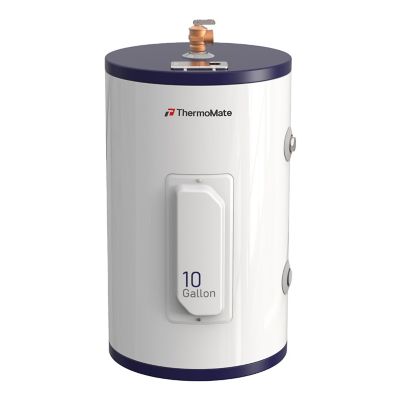
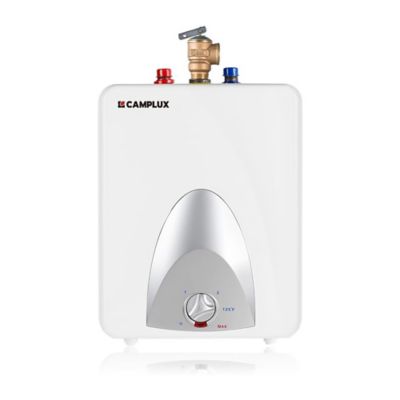
Small Electric Hot Water Heaters, which generally supply heated water to a plumbing fixture rather than near-boiling drinking water through a dedicated dispenser. That distinction matters when outfitting a kitchen, utility sink, or other work area.
Everyday care helps a hot water dispenser keep working smoothly and keeps mineral buildup from becoming a bigger chore. Hard water can leave scale inside reservoirs, heating chambers, tanks, and spouts, sometimes affecting heating performance or water flow. Homes on well water may have mineral levels that make the manufacturer's cleaning schedule especially important, although municipal water can leave deposits, too. Descaling methods differ by appliance, so the approved cleaner, dilution, and rinsing process matter; vinegar is not suitable for every system. A filter may improve taste or reduce certain substances when rated for that purpose, but filtration does not automatically remove hardness or make unsafe water safe to drink. Dispensers should receive potable water, and any filter needs replacement at the specified interval. Removable reservoirs and trays make routine rinsing more manageable, while a smooth exterior takes little more than a gentle wipe once the appliance is safely cooled and disconnected as directed. Water-only appliances should not receive milk, broth, tea leaves, or drink mixes unless the manufacturer expressly allows them. Those ingredients belong in the cup or cooking vessel after dispensing. Safety deserves equal attention because near-boiling water can scald quickly, even when it comes from a small countertop machine. Child locks, guarded controls, automatic shutoff features, and dry-boil protection can add safeguards, though their presence and operation vary. A stable location away from counter edges, cords kept out of reach, and enough room to set a cup down securely all support a safer daily routine. Steam and hot spouts also call for care when filling tall containers or lifting reservoir lids. For a household that uses hot water in short bursts, heat-on-demand operation may fit better than keeping a tank warm for long stretches; frequent drink makers may appreciate stored hot water instead. Actual energy consumption depends on capacity, insulation, settings, and household habits. The best fit brings together the right serving capacity, manageable upkeep, comfortable controls, and a setup that leaves plenty of room for the rest of kitchen life.