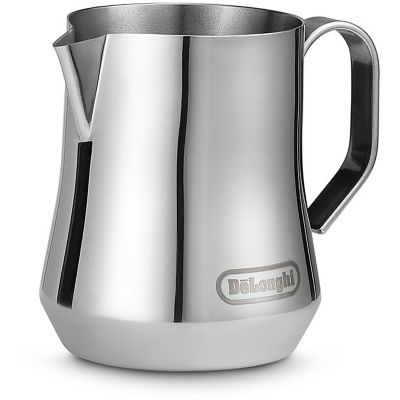
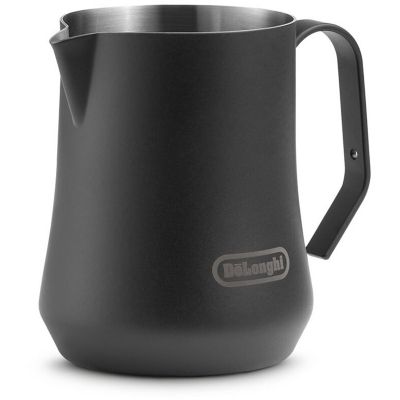
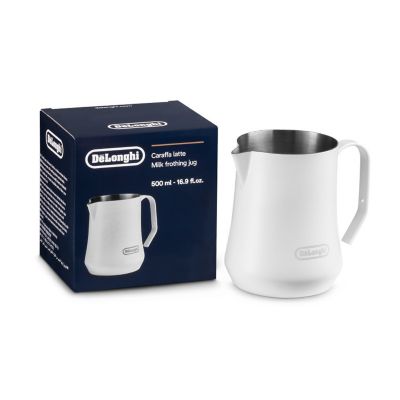
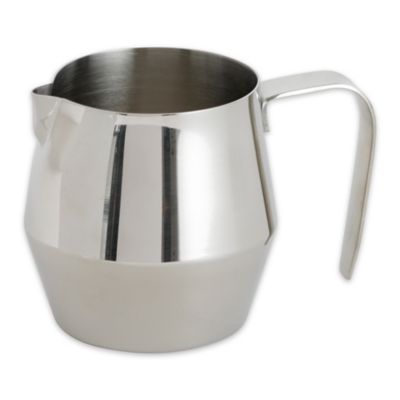
Milk frothing pitchers for lattes bring the steaming and pouring steps together in one handy vessel, whether coffee happens before chores or alongside a slow breakfast at the kitchen table. The pitcher holds milk while a steam wand adds heat and air, giving the milk room to circulate into a smooth texture with fine bubbles. That silky mixture, often called microfoam, blends with espresso more evenly than a stiff cap of large bubbles. The pitcher itself does not create foam; its shape supports the movement of milk during steaming and gives you control when it is time to pour. Capacity is one of the biggest differences to consider. A 12-ounce pitcher generally suits smaller individual drinks, while a 20-ounce pitcher gives more working room for a larger latte or two modest servings. Those numbers describe pitcher capacity, not the amount of milk that should go into it. Milk needs headroom to expand, so a starting fill around one-third to one-half of the pitcher is a common working range, depending on its shape and the steam wand. A pitcher filled near the rim leaves little space for circulation and makes spills more likely. Going too large for a small splash of milk can also make it harder for the wand to reach the right depth. Matching capacity to the drinks you actually make helps keep portions consistent without leaving much extra milk behind. Milk frothing pitchers pair naturally with
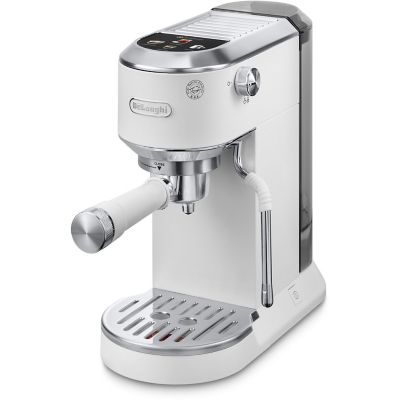
Home Espresso Machines equipped with steam wands, but physical fit matters as much as capacity. Clearance beneath the wand, its range of movement, and the height of the pitcher all affect how comfortably the setup works. A compact coffee corner benefits from a pitcher that slips beneath the wand without awkward tilting, while someone making several drinks may prefer enough room to steam a larger batch and divide it between cups.
Stainless steel is a common material for latte pitchers because it tolerates repeated heating, cleans readily, and resists corrosion with proper care. Food-contact 304 stainless steel is a familiar choice, though material grade alone does not tell the whole story. A smooth interior, an evenly formed pouring lip, and a firmly attached handle all matter during everyday use. Heavier walls can give a pitcher a substantial feel, while a lighter vessel may be easier to maneuver during a slow pour. Neither weight automatically makes a pitcher the better match; comfort depends on hand size, grip, and how much milk is inside. There should be enough handle clearance for a secure hold without pressing fingers against the hot body. Because metal surfaces heat up during steaming, a comfortable handle is more than a finishing touch. Spout shape changes the way milk leaves the pitcher. A broader, rounded spout can suit steady pours and simple hearts, while a narrower, more pointed spout can help with finer lines and detailed patterns. Practice and milk texture still matter more than the spout alone. A clean, even stream makes a difference whether the goal is a leaf pattern or simply a latte without milk running down the cup. The relationship between the handle and spout also affects balance, especially when tipping the pitcher near the end of a pour. Interior measurement marks can make repeat portions easier, provided they remain readable beneath the rim. A milk thermometer offers another useful check, since judging heat by touch varies from person to person. Milk for lattes is commonly steamed to about 130–150°F, with the preferred target depending on the milk and the drinker. The pitcher should also leave enough room for the steam wand to establish circulation without striking the bottom or throwing milk over the edge.
Everyday usefulness goes beyond latte art. The same general pitcher shape can support milk preparation for cappuccinos, flat whites, and other espresso drinks, though each drink calls for a different balance of liquid milk and foam. Someone who likes a smooth, milk-forward latte may value a controlled, steady pour more than a sharply pointed spout. A coffee enthusiast practicing hearts and rosettas may pay closer attention to the lip shape and how the pitcher balances as the milk level drops. Whole milk often produces a creamy texture, while lower-fat milk and plant-based drinks behave differently under steam. Oat, soy, and almond beverages vary by formulation, and versions intended for coffee may handle steaming differently from everyday drinking varieties. That variation is worth keeping in mind before blaming the pitcher for foam that separates quickly or pours unevenly. A consistent starting amount and fresh, properly chilled milk make it easier to judge how the pitcher performs from one drink to the next. Care is straightforward but important: milk residue can dry around the spout, cling inside the base, and collect near seams. Prompt rinsing after pouring, followed by washing according to the manufacturer's directions, helps keep those areas clean. Dishwasher suitability depends on the pitcher, especially when finishes, coatings, or attached parts are involved. Abrasive pads and harsh cleaners can scratch surfaces, so a soft sponge and thorough drying are sensible choices when the care directions allow them. An empty pitcher is easier to inspect for residue than one sitting in cloudy rinse water. For gifting, a milk frothing pitcher makes sense for a new espresso-machine owner, a home coffee hobbyist, or someone who enjoys making drinks for family and friends. Matching its size and height to the recipient's setup matters more than an eye-catching finish. A well-matched pitcher earns its place beside the coffee maker through comfortable handling, manageable cleanup, and enough pouring control to make a favorite latte feel like part of an easy daily routine.