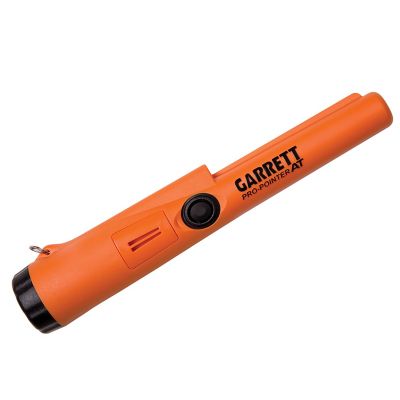
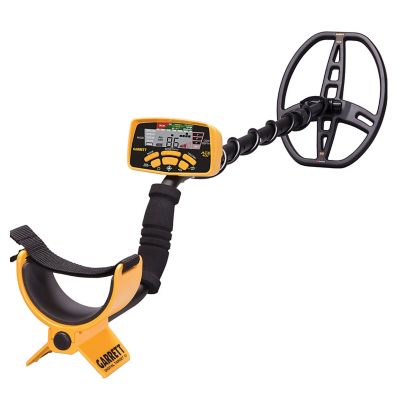
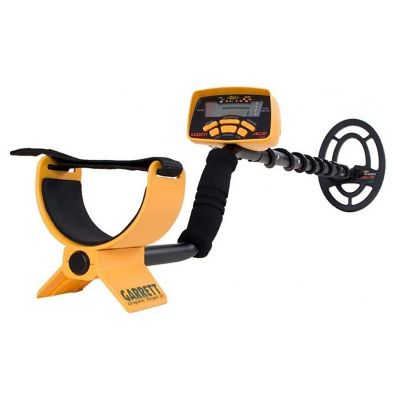
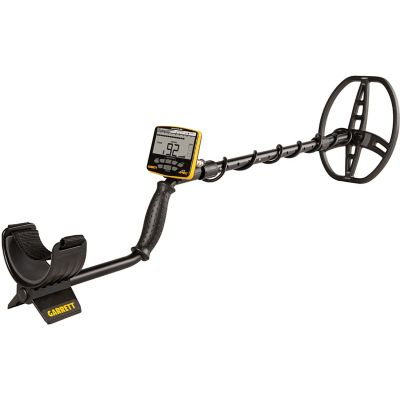
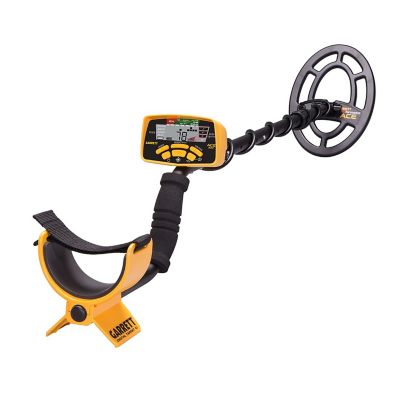
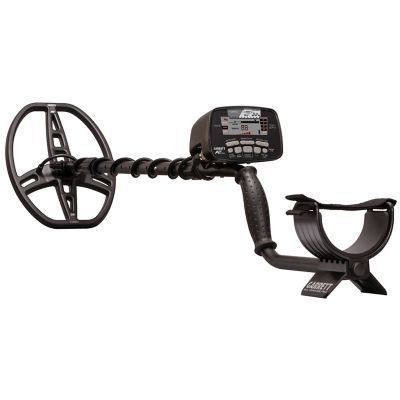
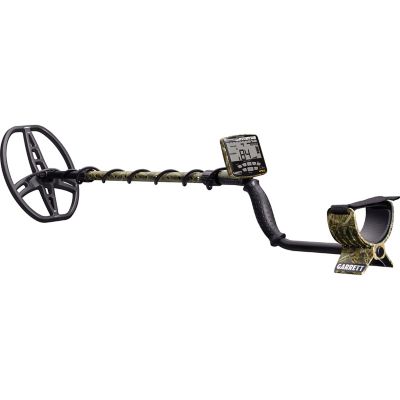
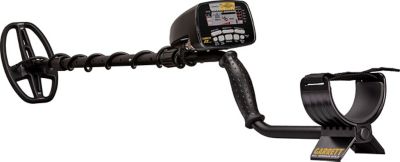
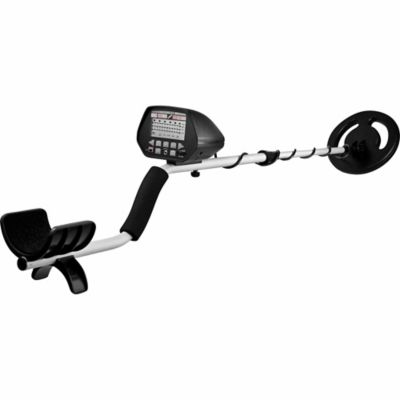
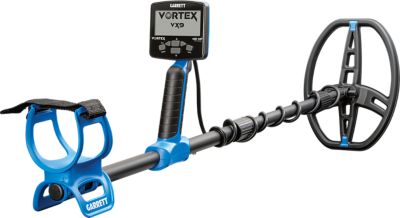
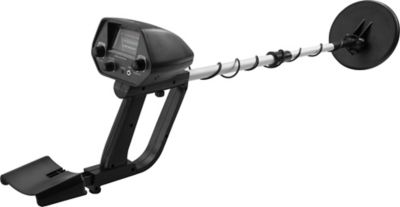
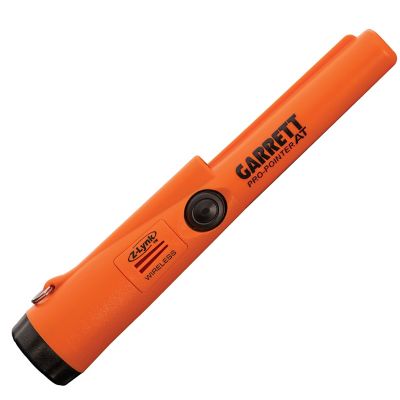
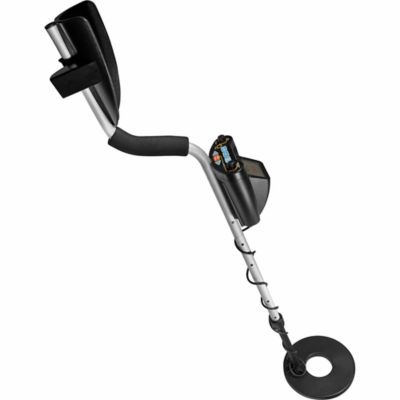
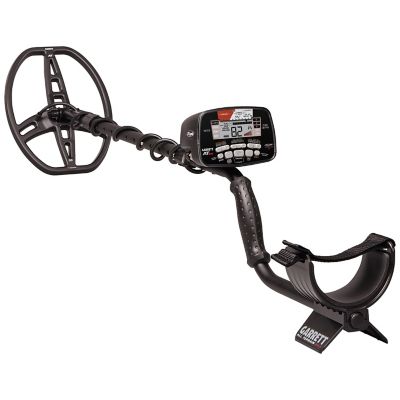
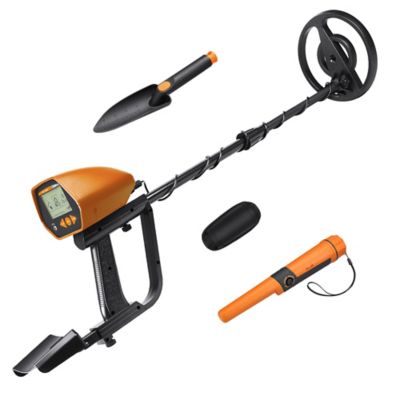
Coin detectors can mean a couple of different things, so it helps to know which kind of treasure-hunting setup fits the job. In most outdoor settings, a coin detector is a handheld metal detector designed to locate coins, tokens, jewelry, and other metal objects beneath soil, gravel, sand, or leaf litter. These detectors use an electronic coil to send a signal into the ground and receive a response from nearby metal. A screen or tone can then provide clues about the target’s likely material, depth, and size. Some units are simple enough for a first-time user, while others offer adjustable sensitivity, target identification, depth readings, discrimination controls, and audio settings that help separate a possible coin from a rusty nail or scrap iron. A second meaning is a smartphone coin scanner app, which uses a camera and image recognition to identify a coin after it has been found. These apps can be handy for recognizing dates, countries, mint marks, and unusual designs, but an app’s value estimate is best treated as a starting point rather than a guaranteed selling price. For outdoor searching, look for a detector with a comfortable balance, an adjustable shaft, an armrest that does not dig into your elbow, and controls you can understand without stopping every few minutes to study a manual. A lighter detector is often easier to swing for a full afternoon, especially for younger users or anyone covering a large pasture, park edge, or stretch of shoreline. Weather-resistant construction is useful when the ground is damp or the day turns misty, while a waterproof search coil can make a real difference in wet grass and shallow water. Check whether headphones, batteries, a carrying case, or a digging tool are included, since those extras can affect the total cost of getting started. A detector with adjustable sensitivity is useful in mineral-heavy soil, near old fences, or around farm buildings where buried metal may create a busy mix of signals. Discrimination settings can help reduce unwanted targets, though no setting can identify every coin perfectly. The best results come from learning the detector’s sounds and display together, then digging carefully enough to leave the ground looking nearly untouched.
Coin detecting suits a wide range of people. Families can use it as an outdoor activity that gets everyone away from screens and walking across the yard, a campsite, a permissioned field, or a quiet stretch of beach. Kids often enjoy the first beep and the suspense of brushing soil away from a target, while adults may appreciate the history behind an old coin found near a former home site, barn, schoolhouse, or country road. It can also make a thoughtful gift for someone who enjoys local history, camping, fishing, hiking, gardening, or hands-on hobbies. A detector does not have to be reserved for serious treasure hunters; a basic model can provide plenty of fun in a backyard, around an established fire ring, or along a well-used trail. More experienced users may prefer additional control over frequency, sensitivity, recovery speed, ground balance, and audio response so they can adapt to different soil conditions and search for smaller or deeper targets. Before using one, check local rules and ask permission when searching private property. Public land, parks, beaches, historic sites, and organized events may have their own restrictions, and some places prohibit digging altogether. It is good practice to carry a small hand digger, wear sturdy gloves, fill every plug, and pack out any trash that comes up. Old wire, nails, pull tabs, and bottle caps are common finds, especially around barns, fence lines, picnic areas, and former gathering spots. Treat every signal carefully, since an ordinary-looking object may be fragile, sharp, or historically interesting. A pinpointer can narrow down the target after the main coil locates it, and a pouch with separate sections helps keep coins, junk metal, and personal items organized. During the warmer parts of the year, search early or late in the day when the ground is more comfortable to work. As cooler weather settles in, open fields and wooded edges can offer better visibility after leaves begin to fall, but solid footwear and layered clothing help make longer outings more enjoyable.
After a coin is found, a phone-based scanner can help with the next step. Place the coin on a plain, well-lit surface and capture clear images of both sides, keeping the camera square to the coin and avoiding glare from direct sunlight. Recognition tools compare the design, lettering, date, and other visible details with a large reference library, which can make it easier to identify foreign coins, older issues, commemorative pieces, and unfamiliar denominations. They may also point out features such as mint marks, errors, or varieties that deserve closer inspection. Cleanliness matters, but avoid scrubbing or polishing a potentially old coin, because harsh cleaning can leave scratches and lower collector interest. A soft brush can remove loose dirt, while stubborn material is better left for a professional opinion. Scanner results should be checked against reliable references, especially when a coin appears rare or valuable. Condition, demand, scarcity, authenticity, visible damage, and the difference between a common date and a scarce date can all change the market value. A digital identification is not the same as a professional grading service, and a price shown online may reflect an asking price rather than what buyers actually pay. Whether the goal is finding a lost keepsake, building a collection, researching local history, or giving a beginner a hobby they can enjoy outdoors, the right coin detector should match the user’s experience, strength, search location, and expectations. Keep spare batteries on hand, store the detector away from heavy moisture, and follow the manufacturer’s care instructions so it is ready for the next walk. For shoppers comparing other equipment categories that support clean, dependable work around the home, barn, or shop, Tractor Supply also offers
Particle Filters. A good coin-detecting setup is less about chasing a guaranteed treasure and more about paying attention to the land, learning the machine, and enjoying the small surprise of what turns up beneath your boots.