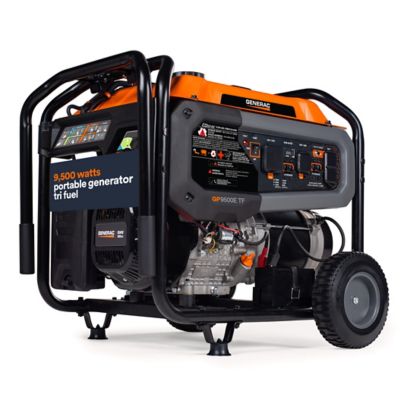
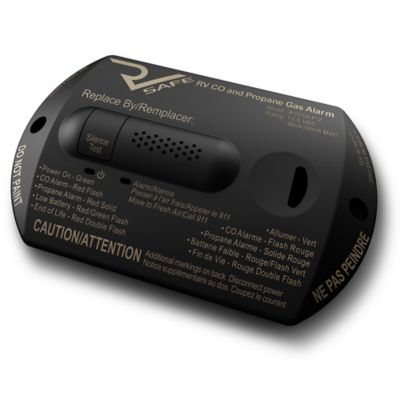
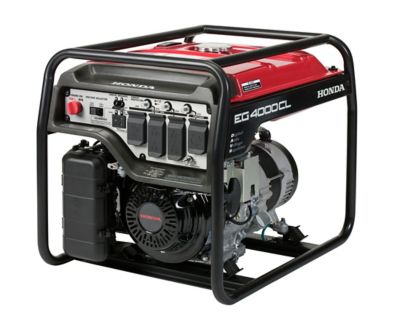
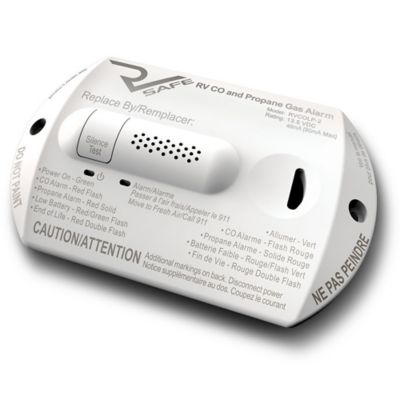
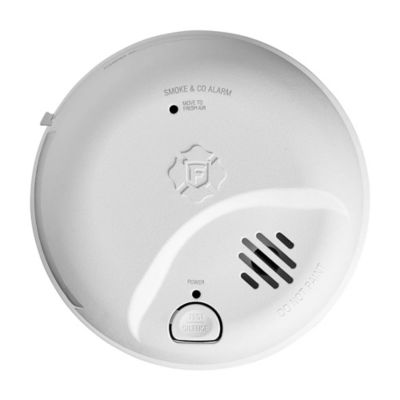
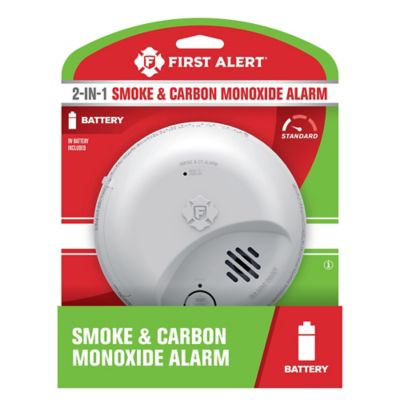
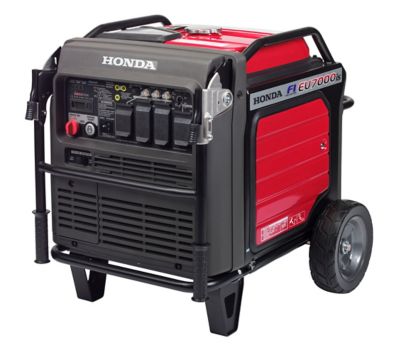
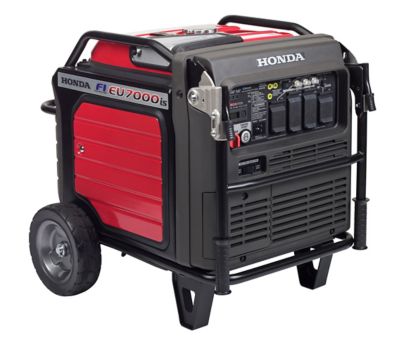
When it comes to keeping your home, barn, or shop safe, carbon monoxide monitors are one of those must-have tools that folks sometimes overlook until they really need them. Carbon monoxide is a sneaky gas—no color, no smell, and no taste—so you won’t know it’s there without a proper detector. Whether you’re heating your home with a wood stove, running a generator during an outage, or just firing up the gas grill in the garage, there’s always a risk that carbon monoxide can build up in enclosed spaces. That’s why these monitors are so important, especially as the weather warms up and folks spend more time working on projects indoors or out in the shop. Even with windows open, equipment like tractors, ATVs, or small engines can create enough CO to be dangerous. It’s a good idea to have a monitor on every level of your house, especially near sleeping areas, and in any outbuildings where fuel-burning appliances are used. Many folks also like to keep one in their camper or RV, since carbon monoxide can sneak up on you in tight quarters.
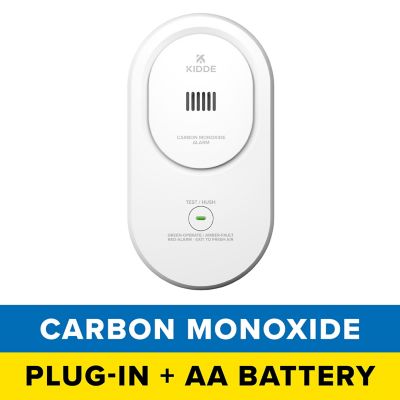
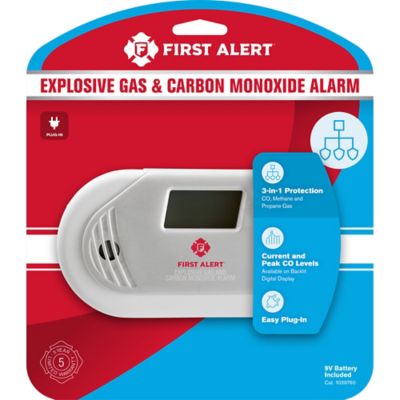
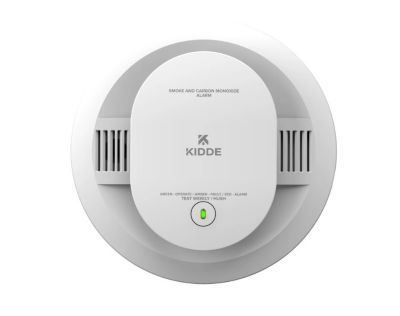
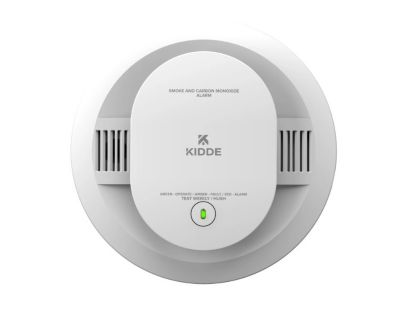
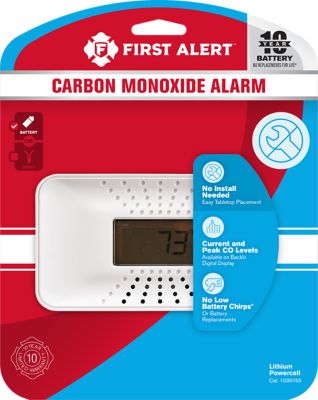
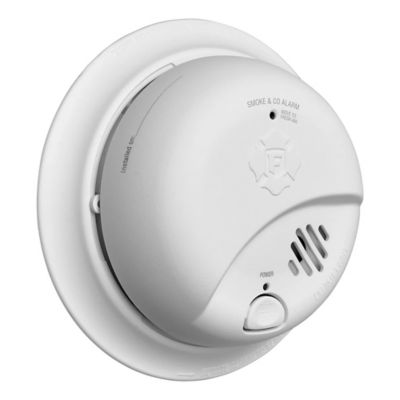
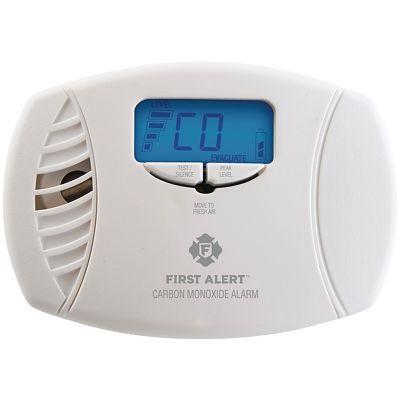
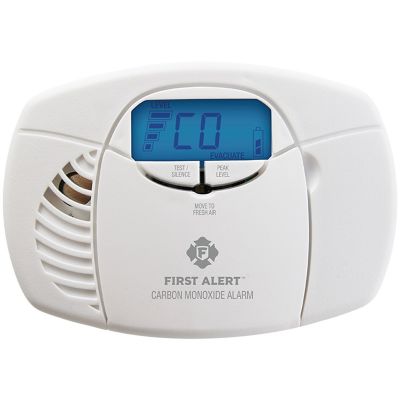
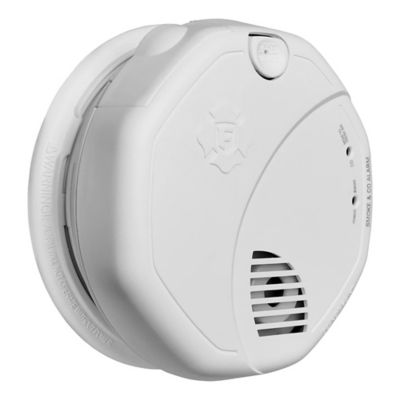
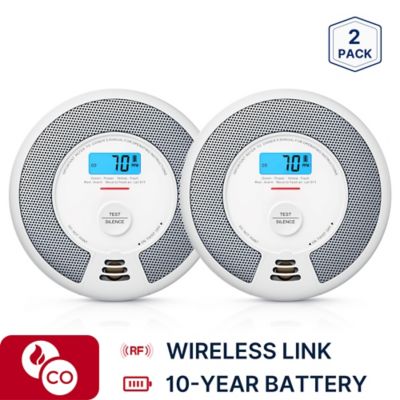
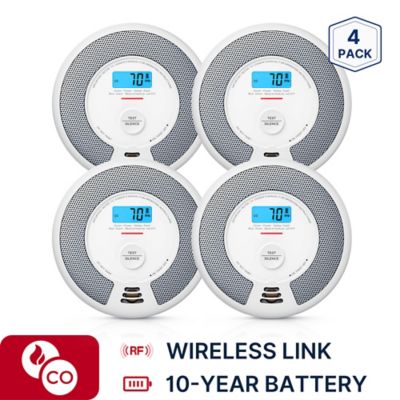
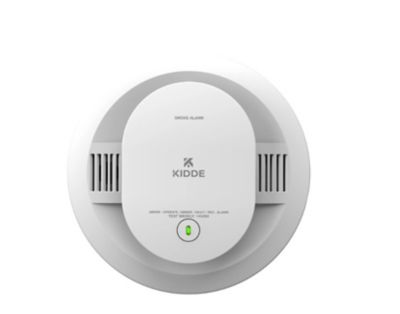
Choosing the right carbon monoxide monitor comes down to where you need protection and how you want to install it. Plug-in models are convenient for most homes—just pop them into an outlet and they’re good to go, often with a battery backup in case the power goes out. If you’ve got spots without easy access to outlets, or you want to move the detector around, battery-operated models are a solid choice. These days, you can find units with sealed batteries that last up to 10 years, so you don’t have to worry about swapping out batteries every few months. Hardwired models are a good fit if you’re building new or doing a remodel, since they tie right into your home’s electrical system and can often be linked with smoke alarms for whole-house coverage. No matter which style you pick, make sure to test your alarms every month—most have a simple “test” button—and replace standard batteries every six months if your device isn’t sealed. Remember, the sensors inside these monitors don’t last forever; plan to swap out the whole unit every 7 to 10 years, or as the manufacturer recommends.
Carbon monoxide monitors make a thoughtful gift for anyone moving into a new place, setting up a workshop, or outfitting a hunting cabin. They’re especially appreciated by folks with older homes or those who rely on wood, propane, or kerosene for heat. If you’re already thinking about safety upgrades, you might also want to check out
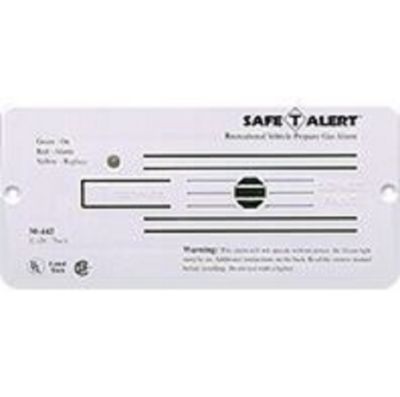
Propane Sensors for added peace of mind around fuel storage areas or RVs. When installing a CO monitor, avoid placing it within 10 feet of fuel-burning appliances, near ceiling fans, vents, or in damp areas like bathrooms, since these spots can interfere with the sensor’s accuracy. If the alarm ever sounds, don’t take chances—head outside to fresh air right away and call for help. A little preparation goes a long way, and with the right carbon monoxide monitor in place, you can get back to focusing on the things that matter most, knowing your home and family are protected.