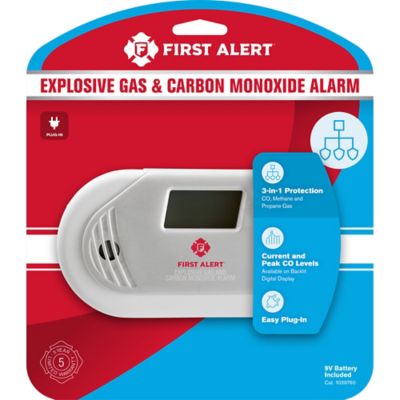
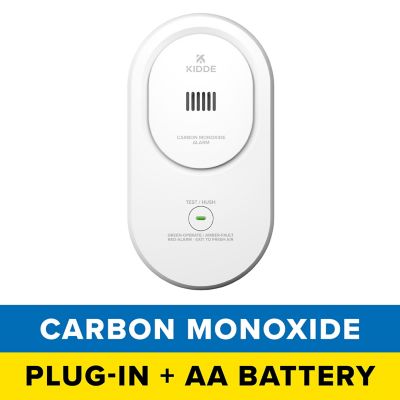
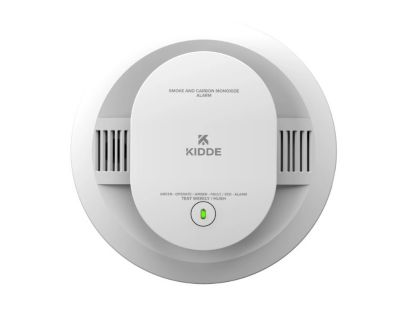
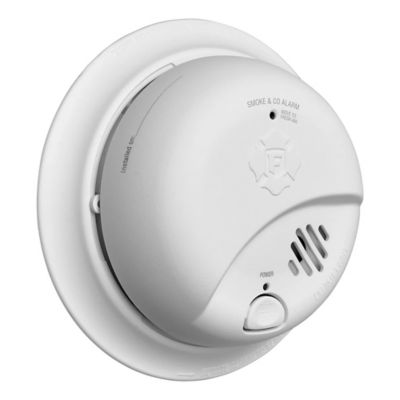
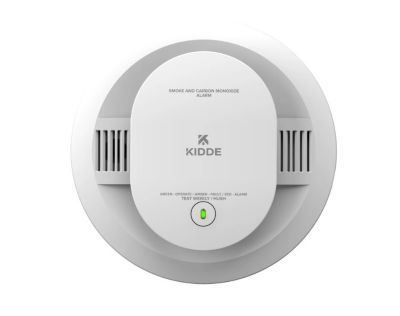
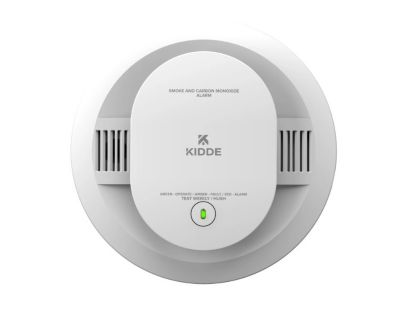
Carbon monoxide detectors provide an early warning of dangerous carbon monoxide, or CO, in the air. This colorless, odorless gas can build up when fuel-burning equipment malfunctions, vents become blocked, or engines run in enclosed spaces. A woodstove taking the chill off the house, a gas furnace heating the bedrooms, and a water heater tucked into a utility room all make CO detection an important part of home safety. Homes with attached garages also need attention, since exhaust can travel from the garage into living spaces. Carbon monoxide alarms monitor the air and sound a warning when CO reaches levels that trigger the alarm’s sensor, giving people a signal to get outside and call for help. They do not replace proper ventilation, appliance maintenance, or safe operation of heating equipment. For farm families, homeowners, renters, and folks settling into a new place, the right alarm starts with the building and its power setup. Battery-operated carbon monoxide detectors offer placement flexibility without needing a nearby outlet, while plug-in alarms connect to a suitable wall receptacle. A plug-in model with battery backup can keep monitoring during a power outage, provided its backup battery is working. Hardwired alarms connect to the home’s electrical system and may also include backup power; installation requirements and compatibility matter, especially when replacing an existing alarm. Sealed-battery designs reduce routine battery changes, although the entire alarm still needs replacement at the end of its rated service life. During the cooler months, when furnaces run longer and fireplaces see more attention, these differences become practical household considerations rather than just details on a package. A bedroom down the hall, a finished basement, and a second-floor sleeping area each deserve attention when planning coverage. One alarm near the furnace is not a substitute for alarms throughout the home in the locations called for by the manufacturer and local requirements.
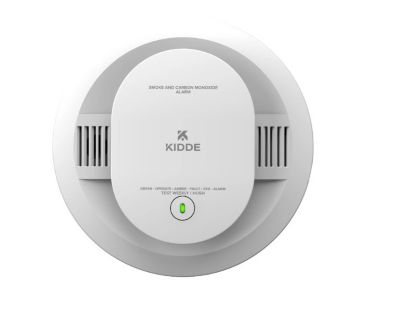
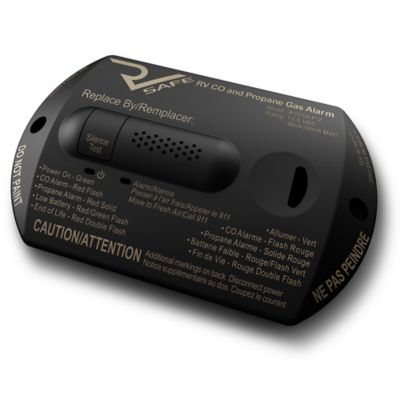
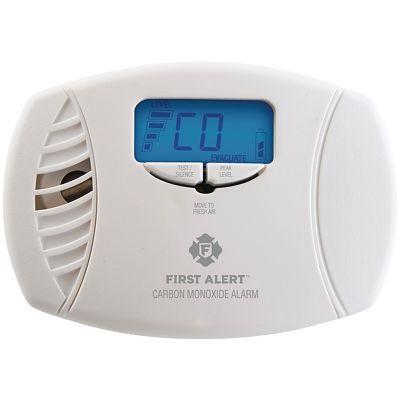
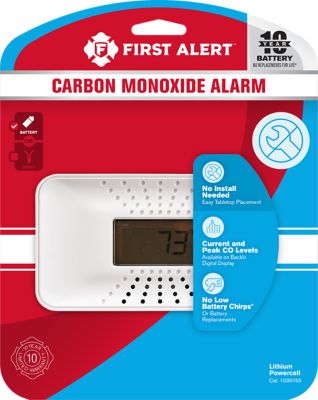
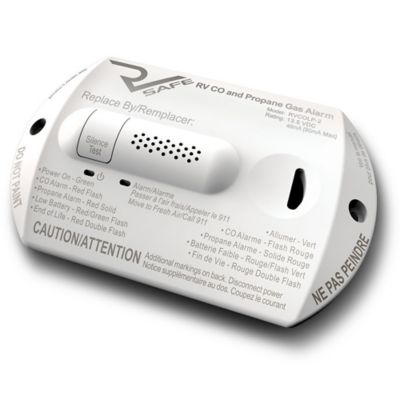
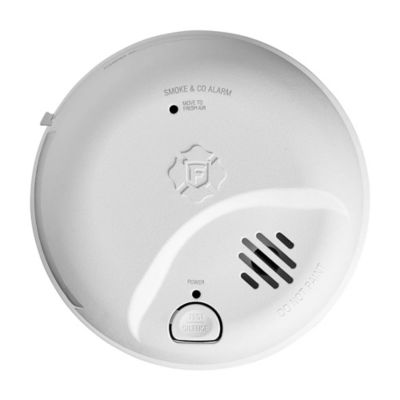
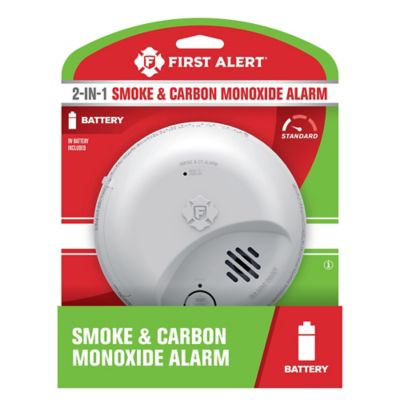
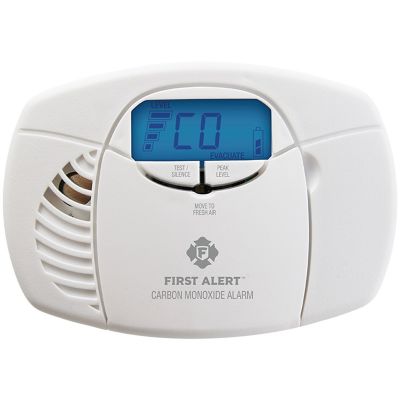
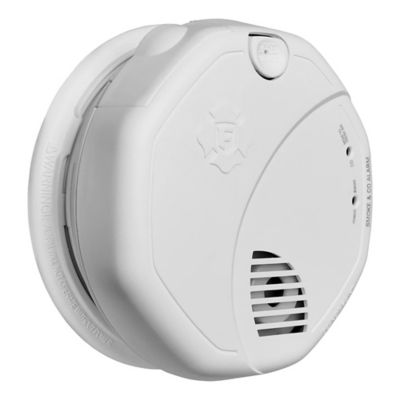
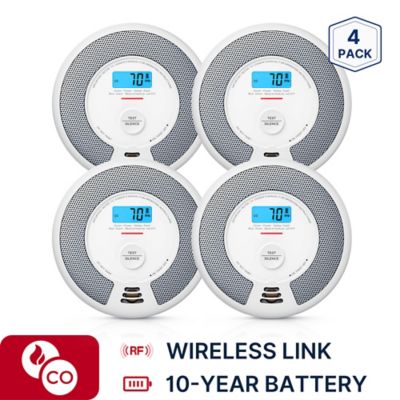
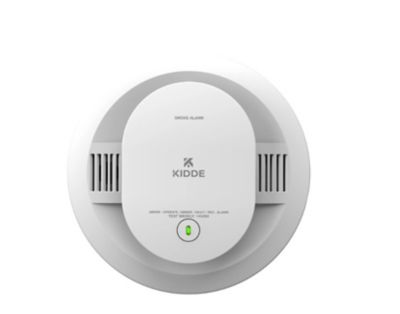
The best fit for a space involves more than the size of the alarm housing. Residential carbon monoxide detectors generally have compact plastic housings with openings that allow room air to reach the sensor. Wall-mounted, ceiling-mounted, and plug-in designs have different placement requirements, so the mounting method should suit both the room and the manufacturer’s directions. Install CO alarms on every level of the home and outside each separate sleeping area, with any additional locations required by local code. Carbon monoxide mixes with room air, so there is no single mounting height that applies to every alarm. Follow the instructions for the particular design instead of assuming every detector belongs near the floor or ceiling. Keep placement within the stated temperature and humidity limits, and follow specified distances from fuel-burning appliances, vents, windows, and other sources of drafts. An ordinary indoor alarm is not automatically suitable for a dusty barn, damp outbuilding, unheated shed, or garage. For a camper or other recreational vehicle, look for an alarm specifically rated for that setting. Features also shape how an alarm fits daily life. A digital display can show CO readings in parts per million, while a peak-level memory may help show whether a higher reading occurred earlier. A display does not replace the audible warning, and a low reading should never override symptoms or an alarm signal. Indicator lights can help distinguish normal operation from a fault, while separate low-battery and end-of-life signals make upkeep easier to track. Interconnected alarms can spread a warning through a larger home, but the devices must be compatible with one another. For someone who is deaf or hard of hearing, consider compatible notification equipment designed for that person’s needs rather than relying on sound alone. Combination smoke and carbon monoxide alarms cover two different hazards in one housing; standalone CO alarms do not detect smoke. A look at
Smoke Detectors for Home Safety can help round out protection against fire as well. For residential CO alarms, look for a recognized testing laboratory’s listing to the applicable safety standard, such as UL 2034.
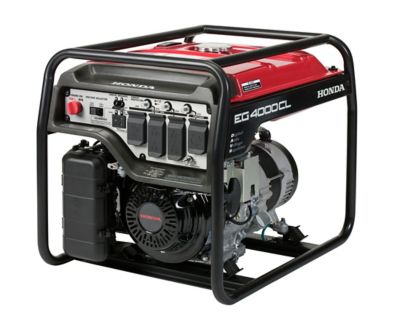
Long-term performance depends on the sensor’s rated life, the installation environment, and regular care—not simply whether the case still looks fine. Many residential carbon monoxide alarms have a service life of roughly five to ten years, but the replacement date printed on the alarm and the manufacturer’s instructions take priority. An end-of-life warning means the alarm itself needs replacement; a fresh battery will not renew an expired sensor. Testing with the test button at least once a month, following the manufacturer’s directions, helps check the alarm’s circuitry and warning sound. Never test a detector with vehicle exhaust, an open flame, or another improvised source of carbon monoxide. Keep the housing’s air openings clear with the cleaning method specified in the instructions, and avoid paint, cleaners, or sprays that could interfere with the sensor. Replace removable batteries on the stated schedule or when the low-battery signal sounds, and never disconnect an alarm just to stop a recurring chirp. In a farmhouse where everyday sounds include a furnace blower, laundry equipment, and boots crossing the mudroom, knowing the difference between a maintenance chirp and an emergency alarm matters. Everyone in the household should recognize the warning signal and know the way outside. If a carbon monoxide alarm sounds, move everyone outdoors to fresh air immediately, call 911 or the fire department from outside, and stay out until emergency responders say it is safe to return. Do not remain indoors to find the source. Headache, dizziness, nausea, weakness, or confusion can be signs of CO poisoning and call for immediate attention, even without an alarm warning. Prevention remains essential alongside detection: have fuel-burning heating equipment and chimneys serviced as recommended, never run a vehicle in an attached garage even with the door open, and operate portable generators outdoors at least 20 feet from the home, with exhaust directed away from windows, doors, and vents. Matching carbon monoxide detectors to the home’s layout, power needs, and occupants helps make this small piece of safety equipment a sensible part of everyday life.