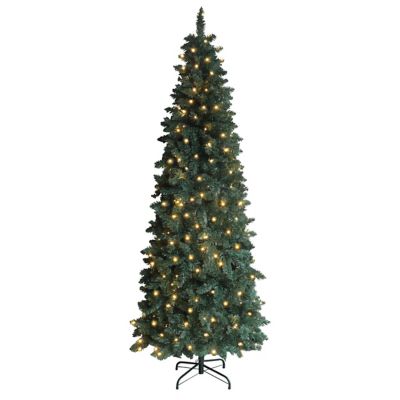
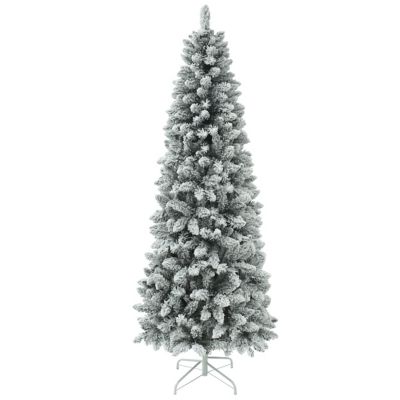
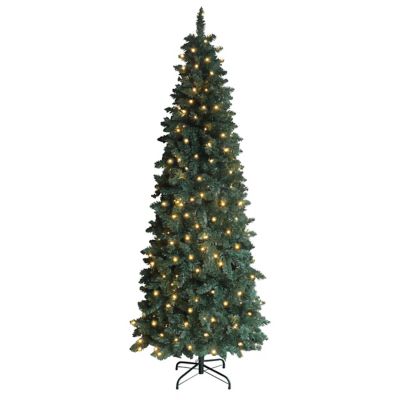
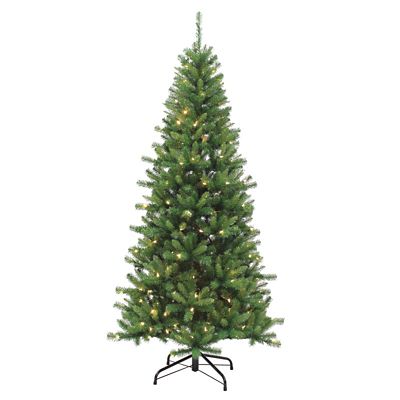
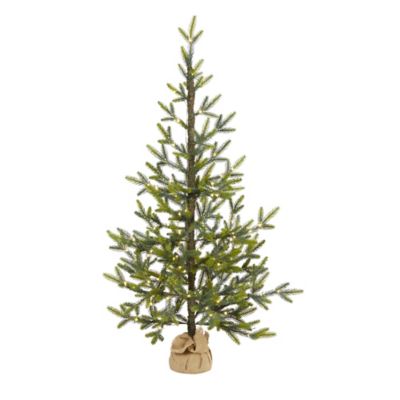
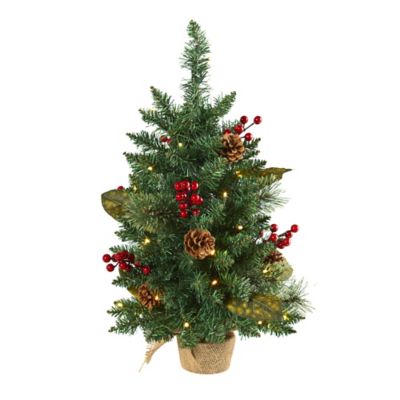
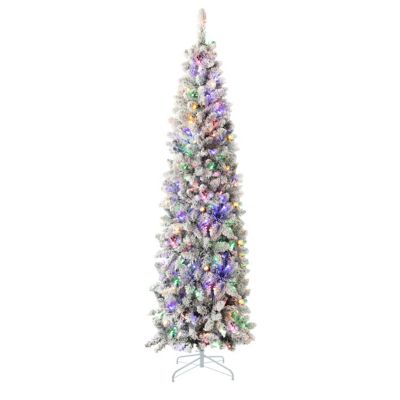
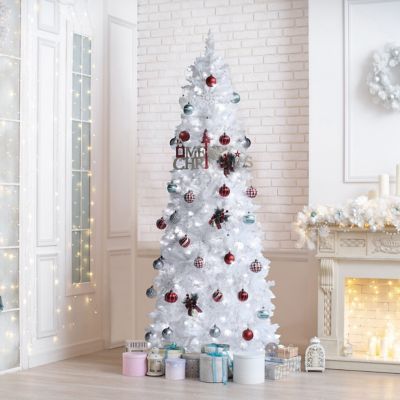
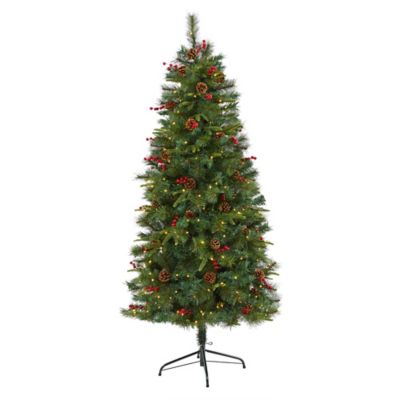
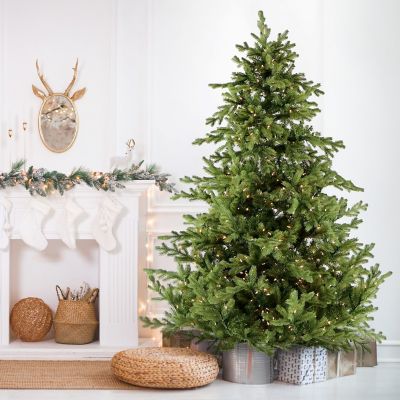
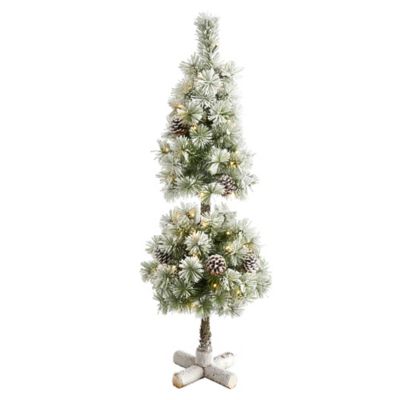
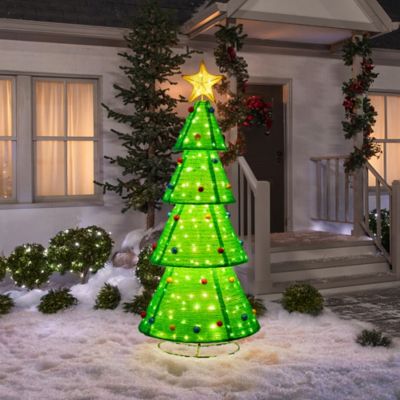
A Christmas tree with lights brings a familiar holiday glow to a farmhouse living room, a front entry or the corner where the family gathers after chores. With lighting already arranged along the branches, a prelit tree takes some of the work out of getting the house ready for Christmas and leaves more time for hanging favorite ornaments. Artificial trees also offer a consistent shape from one holiday season to the next, whether you prefer a broad evergreen silhouette or something narrow enough to leave a clear path through a busy room. Branch materials influence that look. Molded polyethylene tips can capture the shape and texture of evergreen needles, while PVC needles help create fullness; some trees combine both materials. Branch color, tip shape and the amount of open space between limbs all affect how the finished tree looks with lights shining through it. A dense profile gives small ornaments plenty of places to nestle, while more open branching leaves room for larger keepsakes to hang freely. Green branches offer a familiar backdrop for red ribbon and wooden ornaments, while flocked branches bring a snowy appearance indoors. Fit matters just as much as appearance. The listed height may include the stand, so the space needed for a star or angel belongs in the room measurements, too. Width deserves a close look, especially beside a recliner, near a doorway or in a room that still needs space for visiting family. A slim tree can make sense in a smaller home without taking over the seating area, while a fuller tree needs enough floor space for its lowest branches. A level spot, a properly fitted stand and clearance from fireplaces, heating vents and busy walkways help the arrangement work for everyday household traffic. For homes with curious cats, wagging tails or little hands reaching toward low branches, placement can matter more than squeezing in the tallest tree possible.
The lighting sets the mood as much as the branches do. Warm white lights give a tree a soft glow that pairs naturally with gingham ribbon, pinecones and ornaments collected over the years. Multicolor lights bring a brighter, playful feel that suits family rooms and Christmas mornings with children. Some lighting systems offer a choice between white and multicolor settings, while others keep to a single color or effect. LED lights generally draw less electricity and give off less heat than incandescent lights, though the color tone and brightness can vary between systems. Light count alone does not tell the whole story: spacing, branch density and how deeply the bulbs sit within the tree all influence the overall appearance. Evenly distributed lights can illuminate both the outer tips and the inner branches, giving ornaments depth rather than leaving a bright outline around a dark center. A tree positioned in a front window may call for a different level of brightness than one beside the television. Controls are another practical consideration, especially when the outlet sits behind furniture. Foot switches, remotes and timers can make daily operation easier when those features are included.
Christmas trees with smart lights bring another set of possibilities, with features that may include app controls, scheduling or adjustable effects, depending on the lighting system. Phone, network and controller requirements are worth checking before choosing connected lighting. For any lighted tree, the electrical details deserve the same attention as the branch shape. Indoor and outdoor ratings are not interchangeable, and a covered porch does not automatically provide the protection an indoor-only tree needs. Manufacturer instructions identify the intended location, power connections and any limits on linking sections or adding light strings. Keeping cords out of foot traffic and away from pinching furniture helps the setup stay tidy. An accessible outlet also makes it easier to disconnect the tree when leaving home or turning in for the night.
A tree that goes together without a wrestling match can make the holiday setup a lot more pleasant. Hinged branches fold down from the center pole, while other constructions may require more individual assembly; the instructions and section design determine how much handling is involved. Tree weight matters for anyone carrying sections up from a basement, climbing attic stairs or setting everything up without an extra pair of hands. Sturdy branch attachments, a stable base and manageable sections support repeated assembly and packing. Most artificial branches need some shaping after storage, with tips spread in several directions to fill gaps and reveal the tree’s intended outline. Taking care around light wires while shaping helps protect the connections. Ornament weight matters, too. Small fabric ornaments and lightweight balls place different demands on a branch than heavy glass keepsakes or large metal pieces. Stronger interior branches are often the better spot for heavier ornaments, provided the tree’s construction supports them. For someone setting up a first home, downsizing to a smaller place or finding tangled light strings harder to manage, a lighted tree can also be a thoughtful Christmas gift. Room dimensions, storage space and comfort with assembly are more helpful gift considerations than height alone. After the holiday, gentle handling helps preserve both the shape and the lighting. A soft, dry cloth or another cleaning method permitted by the manufacturer can lift settled dust; electrical components should stay dry. Damaged cords, loose connections or broken bulbs need attention according to the lighting instructions before the next setup. Storage works best when branches are folded without forcing them and cords are tucked where they will not catch or pinch. A tree bag or properly sized carton helps keep dust off between celebrations. With room to store it and a little care during packing, a Christmas tree with lights can remain part of the family’s holiday routine for years to come.