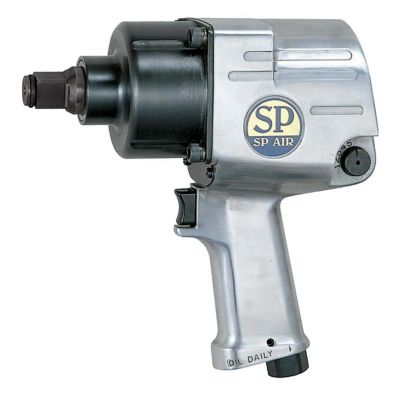
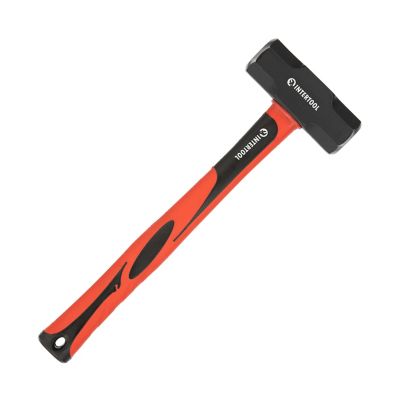
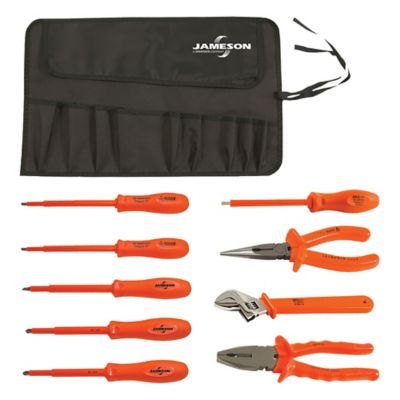
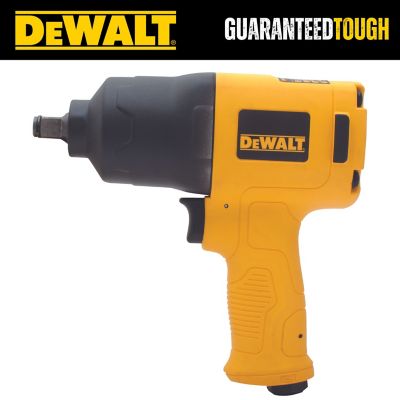
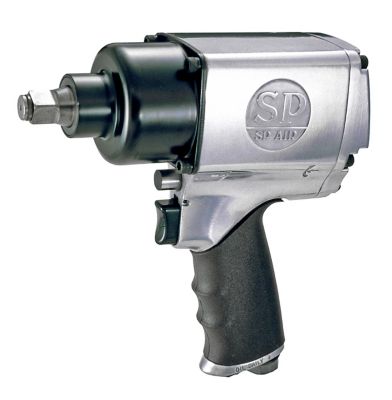
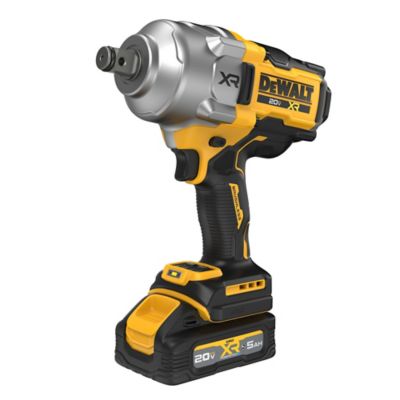
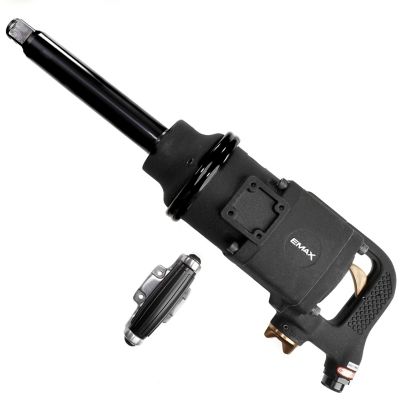
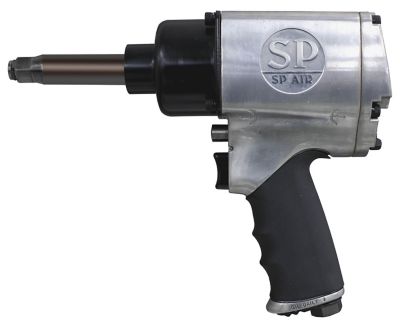
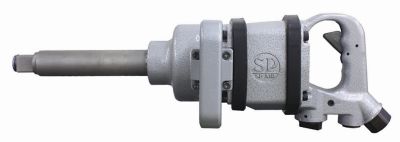
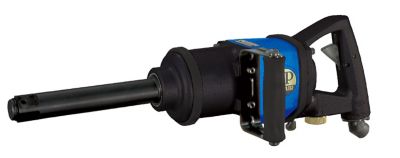
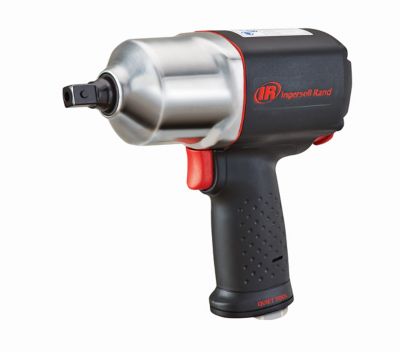
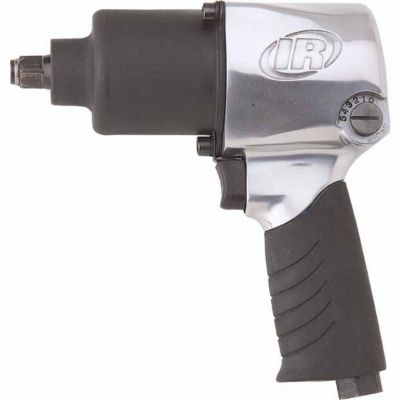
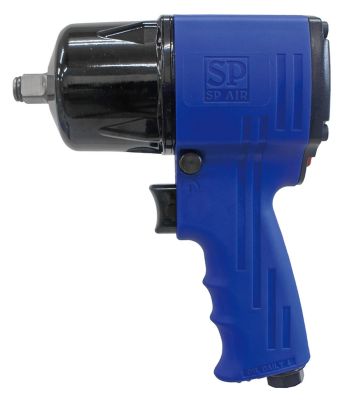
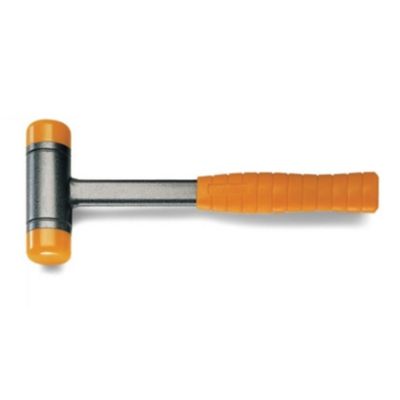
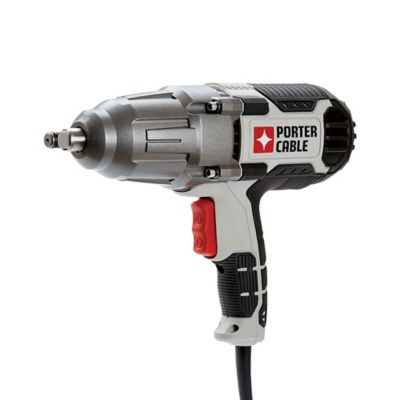
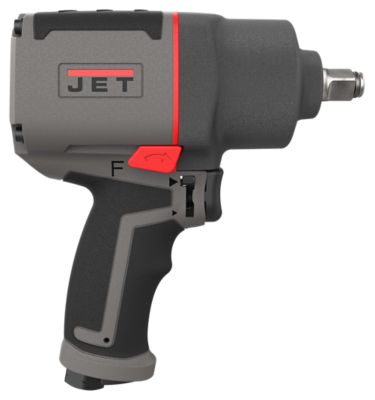
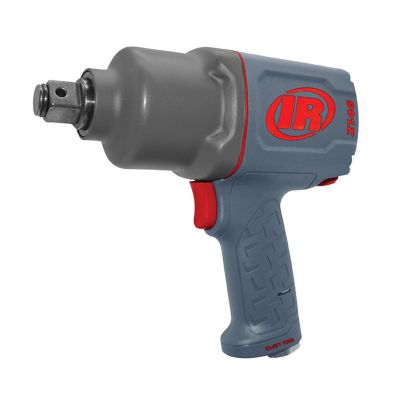
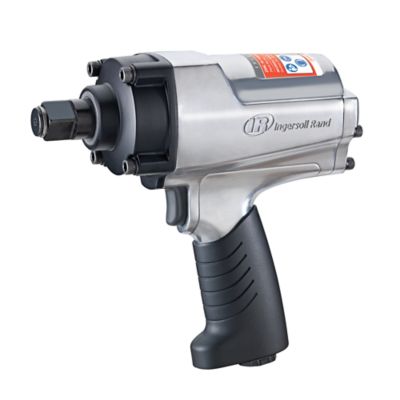
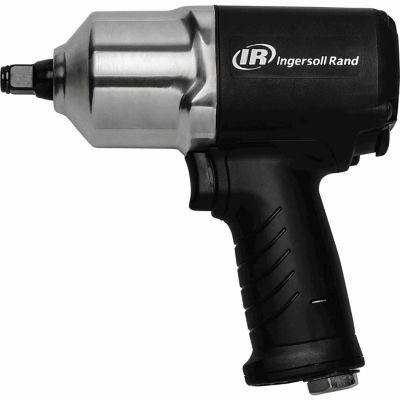
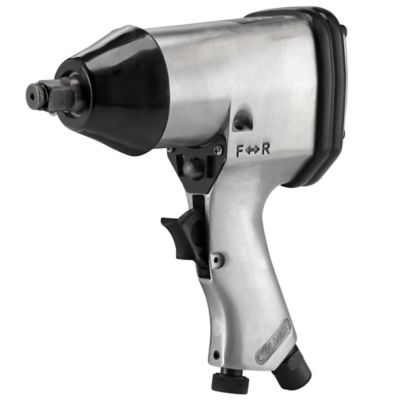
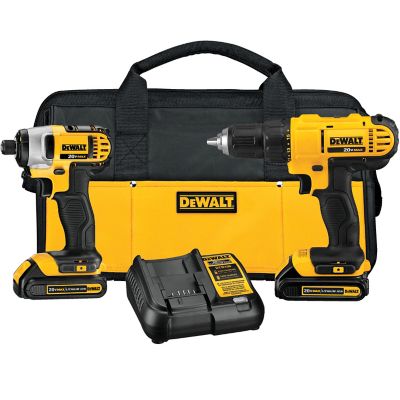
High impact tools bring repeated hammering force to jobs that call for more than steady turning power. In a farm shop, garage or equipment shed, that usually means impact wrenches and impact drivers for fastening work, along with hammering tools for tasks involving masonry, metal or demolition. An impact wrench delivers rotational blows through a square drive, helping loosen stubborn nuts and bolts or run fasteners down efficiently. An impact driver also delivers rotational blows, but its hex chuck typically holds compatible screwdriver bits and other hex-shank accessories. The difference matters when the work ranges from equipment repair to fastening boards on an outbuilding: a socket-driven connection and a screw head call for different tool fittings. Related options such as
Impact Hammers bring attention to another side of impact work, where repeated striking force serves a different purpose than turning a fastener. Hammering action directed along a bit or chisel can support drilling, chipping or material removal, depending on the tool’s design and approved attachments. These categories share a hard-working role, but they are not interchangeable. Around the farm, rotational impact tools fit tasks such as loosening equipment hardware, servicing machinery and handling repeated fastening jobs. In automotive work, they help with fastener removal where access and connection size allow. For fencing crews, property owners and builders, an impact driver can make repeated screw driving less of a chore than working each fastener by hand. The right match starts with the task itself: turning a nut, driving a screw, drilling into masonry and breaking material apart each place different demands on the mechanism and attachment. That practical distinction keeps the focus on tools suited to the work rather than simply the highest power claim. A tool that fits between a frame rail and a bracket can be more useful than a larger one that cannot reach the fastener, while heavier equipment work may call for a larger drive and more turning force.
Power source, torque range and physical fit shape how high impact tools handle a full day’s work. Cordless designs allow movement between the shop, a parked trailer and equipment farther from an outlet, with battery capacity and compatible charging equipment influencing how long the work can continue between charges. A larger battery may extend runtime, but it also adds weight, especially noticeable when fastening above shoulder height or reaching into a tight space. Pneumatic impact tools connect to an air supply and make sense in work areas equipped with a suitable compressor. Their performance depends on more than the tool alone: required airflow, operating pressure, hose diameter and restrictive fittings all affect the air reaching the mechanism. Corded designs bring another option where an electrical connection is practical and the cord can stay clear of the work. Across these types, torque figures need a close look. Fastening torque and breakaway torque describe different capabilities, and maximum ratings do not mean every connection needs that much force. Smaller hardware, softer materials and threaded assemblies can suffer damage from excessive tightening. Variable-speed triggers and selectable power settings, where included, offer more control as a fastener approaches its seated position. Wheel fasteners and other critical connections still call for final tightening with a torque wrench to the equipment manufacturer’s specification. Drive size, socket size and clearance deserve equal attention. The square drive must match the socket connection, while the socket opening needs to match the fastener in the correct SAE or metric size. Impact-rated sockets and accessories are built for repeated shock loading; ordinary hand-tool sockets are not a substitute. A well-fitting socket helps reduce slipping and damage to fastener corners. Tool length, head shape and handle position also affect access around axle housings, brackets and crowded engine compartments. For a person working underneath a trailer or alongside a tractor wheel, those details can make the difference between a straightforward reach and an awkward struggle.
Construction and upkeep matter just as much as turning force when tools spend their days around grease, metal filings and busy workbenches. Impact-rated sockets commonly feature chrome-molybdenum or other alloy steel selected for repeated striking loads, while tool housings may combine metal gear cases with engineered outer shells and grip surfaces. Materials alone do not tell the whole story; intended application, assembly design and operating limits all contribute to service life. A comfortable grip and manageable weight help with control, especially when a repair involves several dozen fasteners instead of just one. Gloves can change how a handle feels, so trigger reach and secure hand placement are worth considering alongside overall size. Noise and vibration are part of impact work, making suitable hearing protection and eye protection important companions. Flying rust, chips and damaged accessory pieces create hazards even during a familiar repair, and rotating attachments need room away from loose clothing and other snag points. Care requirements vary by power source and manufacturer. Some pneumatic tools require specified lubrication, while cordless tools need clean battery contacts, open ventilation passages and charging practices that follow the manufacturer’s directions. Grinding dust and debris should not be left packed around moving parts, vents or accessory connections. Disconnecting the air supply, unplugging a cord or removing a battery before changing accessories helps prevent an unexpected start. Storage also plays a part: keeping tools and attachments together in a dry, protected spot makes it easier to find the correct socket and spot a cracked accessory before the next job. For mechanics, ranchers, farmers and property owners, high impact tools earn their place through repeated, practical work, from freeing a stubborn equipment fastener to assembling a sturdy shop fixture. They can also make a thoughtful gift for someone who maintains vehicles or handles repairs around an acreage, especially when the power system, drive size and intended tasks match the recipient’s setup. The most useful choice is the one that fits the work, the operator and the equipment already in the shop.