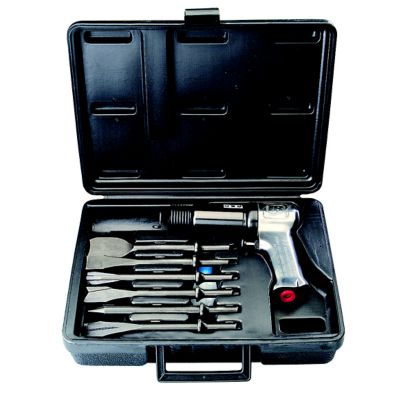
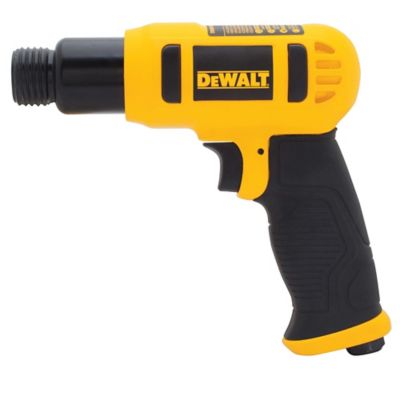
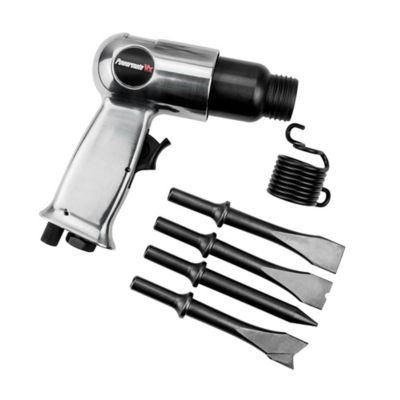
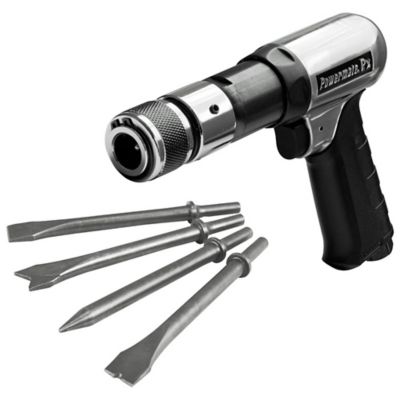
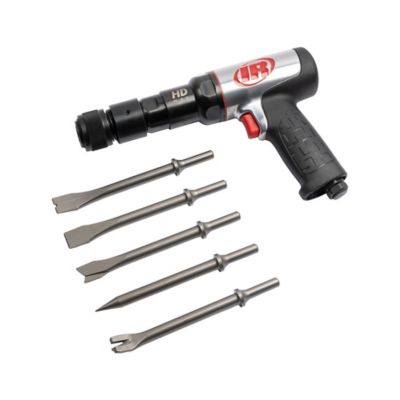
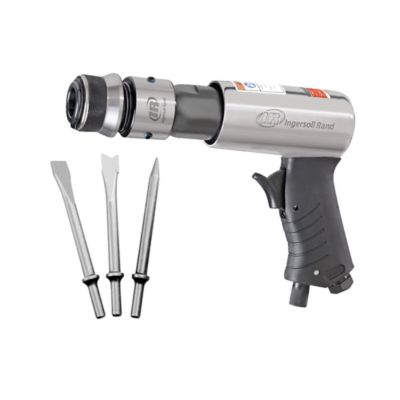
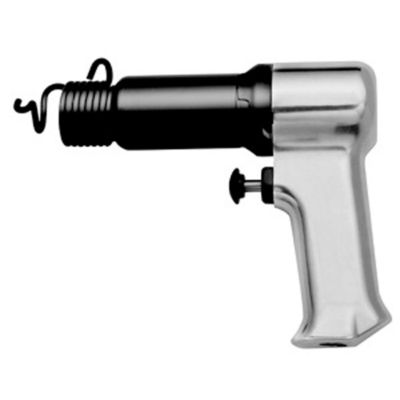
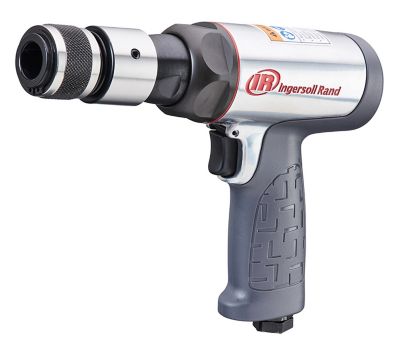
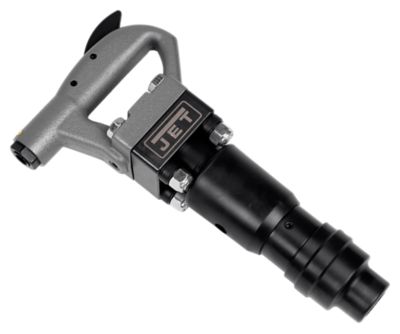
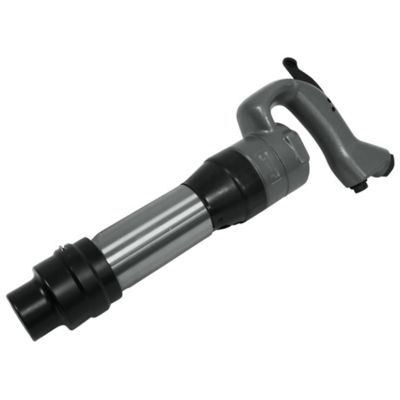
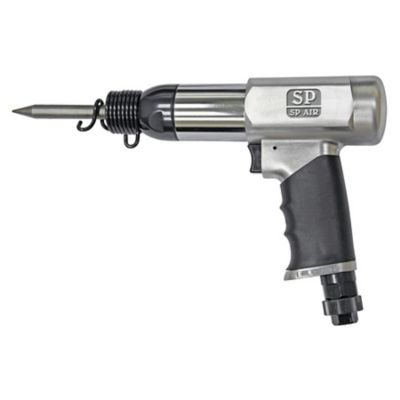
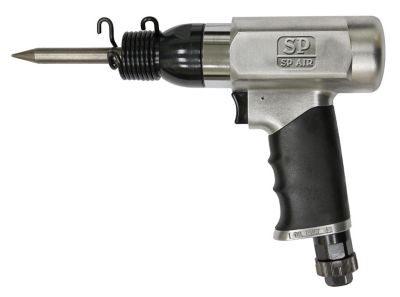
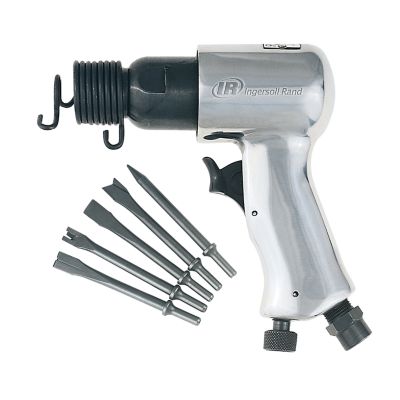
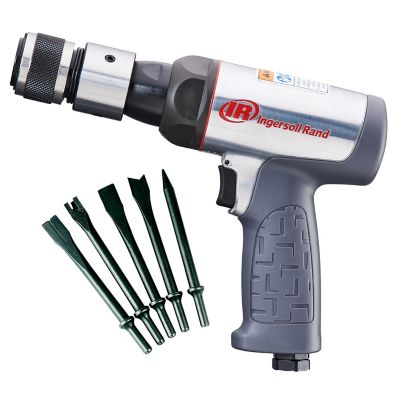
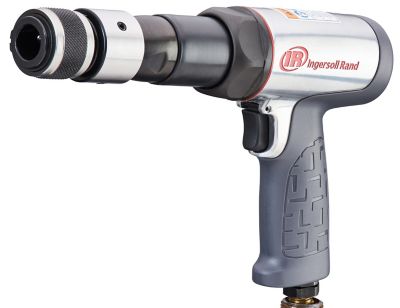
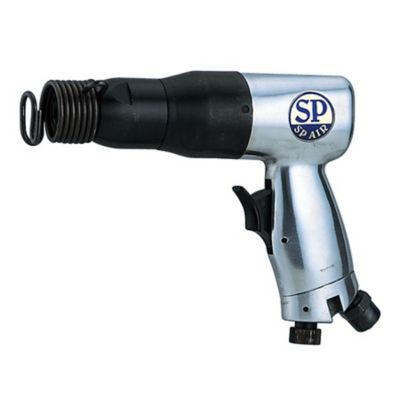
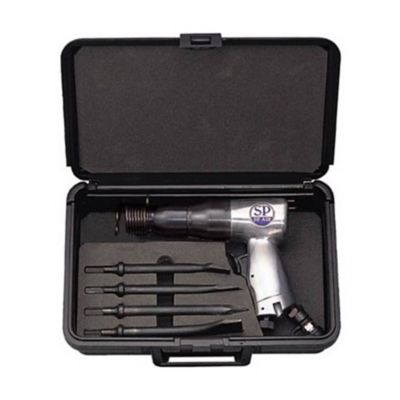
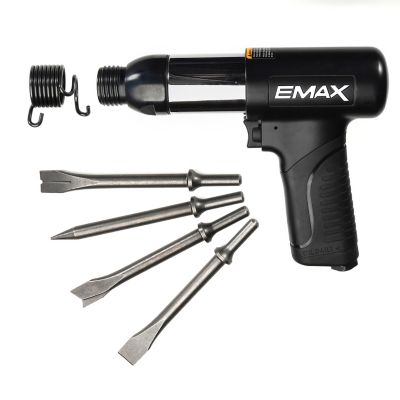
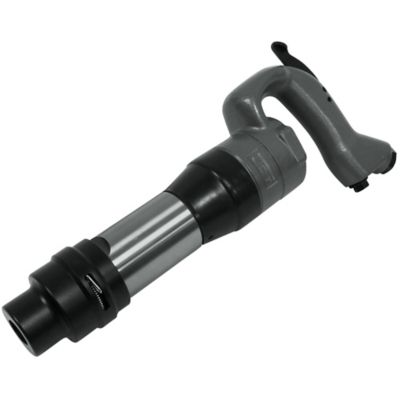
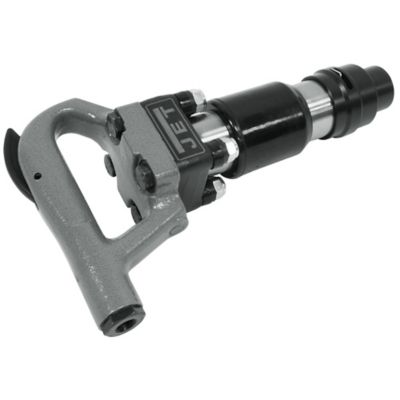
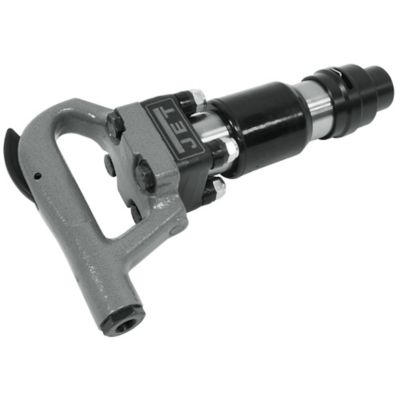
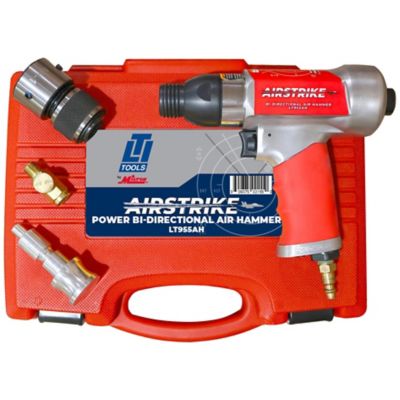
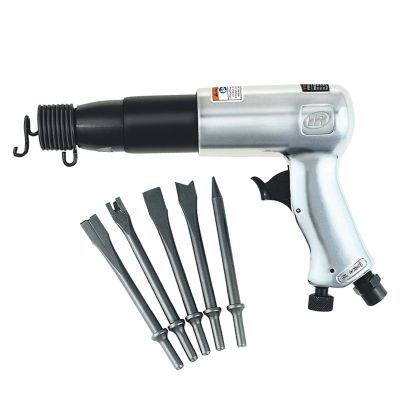
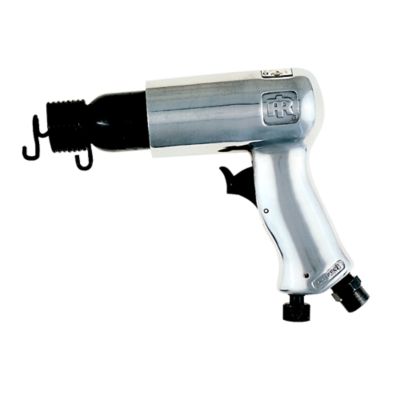
Air powered chipping hammers, also called pneumatic chipping hammers, bring concentrated striking force to jobs where scraping, prying, or hand tools fall short. Powered by compressed air, these handheld tools are made for breaking away concrete, removing tile and mortar, scaling weld slag, knocking rust and scale from metal, and clearing stubborn material from masonry and equipment. On a farm, ranch, shop, or jobsite, a chipping hammer can help with repairs that call for steady impact in a compact tool. It may come in handy when cleaning up a weld before inspection, opening a small section of concrete for a repair, or separating old material from a surface before the next step. Air-powered tools also fit well in busy work areas where a compressor is already part of the setup. When choosing among air powered chipping hammers, start with the material and the amount of removal involved. Shorter strokes, around 2 inches, generally offer quick blows and closer control for lighter chipping, surface cleanup, tile work, and detail jobs. Longer strokes, often 3 to 4 inches, deliver a deeper hit for harder material and more demanding demolition. Blow rates can reach about 5,000 blows per minute on lighter air hammers, while larger tools may trade some speed for greater impact. Looking at stroke length and blow rate together gives a clearer picture than either number alone. A fast tool can help with thin layers and small spots, while a longer stroke may make more sense when the hammer needs to bite into dense concrete or stubborn scale.
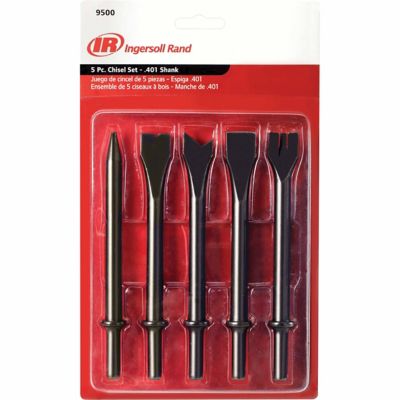
Your air compressor needs to match the hammer's requirements for the tool to perform as intended. Many pneumatic chipping hammers call for roughly 14 to 31 CFM at 90 PSI, with the exact demand depending on the hammer size and design. Check the compressor's delivered CFM at the stated pressure instead of relying only on its tank size. A large tank may provide a short burst of air, but a compressor that cannot keep up will cause the hammer to slow, pause, or lose striking force during a longer job. An air hose with the proper inside diameter, clean fittings, and enough length to reach the work area can also help maintain airflow. Keep the air supply clean and dry with suitable filtration and lubrication, following the tool maker's directions for oiling or an inline lubricator. Shank style is another important point. A .580-inch hex shank helps resist chisel rotation and is common for controlled chipping work. A .680-inch round shank may suit certain rotating or heavier applications. Chisels and other attachments must match the hammer's shank size and intended task, so check compatibility before adding accessories. A pointed bit can start a break in masonry, while a flat chisel can help lift tile, split material, or clean a weld area. For a wider look at related options, browse
Chipping Tools for chisels and other tools suited to repair and material-removal work.
Safe operation starts before the compressor comes on. Read the tool instructions, inspect the hammer, retainer, shank, hose, and fittings, and make sure every part is secure. Wear safety glasses or a face shield to protect against chips, dust, and flying fragments; hearing protection is also important because pneumatic impact tools can be loud. Depending on the material, a properly fitted respirator may be needed to limit dust exposure, and gloves, long sleeves, sturdy work boots, and leg protection can add another layer between you and sharp debris. Keep bystanders clear, especially around concrete, metal, and masonry that can break without warning. Before changing a chisel or checking the tool, shut off the air supply and bleed pressure from the hose. Hold the hammer firmly with both hands when the task calls for it, keep a balanced stance, and let the tool's impact do the work rather than forcing it sideways. Avoid pointing the hammer at yourself or anyone nearby, and do not strike energized lines, hidden plumbing, or enclosed surfaces until the work area has been checked. For concrete or masonry, control dust with an appropriate method for the site and material, and pause when the tool, hose, or fitting becomes hot, damaged, or difficult to control. During the cooler months, store the hammer and air lines where moisture and freezing temperatures will not damage them. Whether it is headed to a farm shop, a welding area, a maintenance trailer, or a home workshop, an air powered chipping hammer is best matched to the compressor, shank style, stroke, and material at hand. Taking a little time to make those selections can help the tool run smoothly and make tough cleanup jobs feel more manageable.