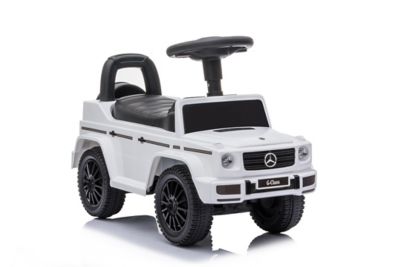
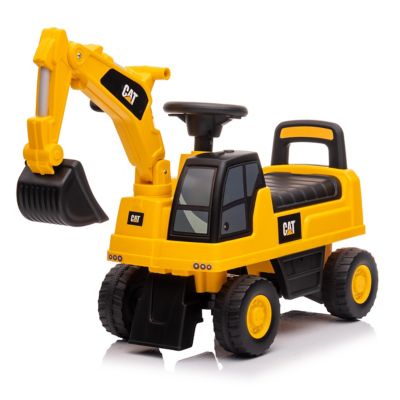
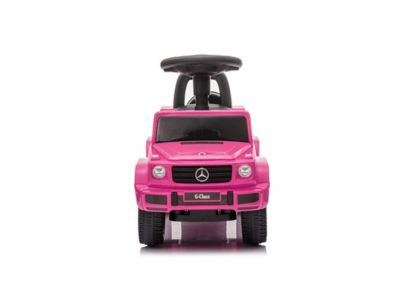
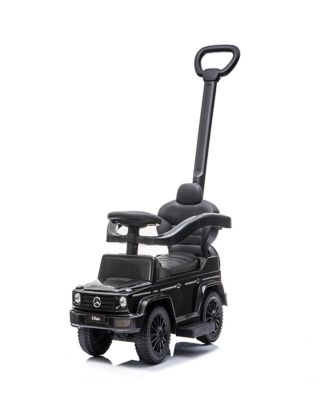
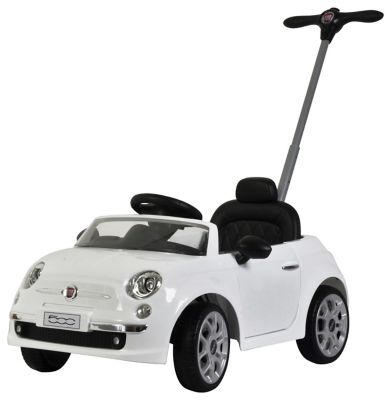
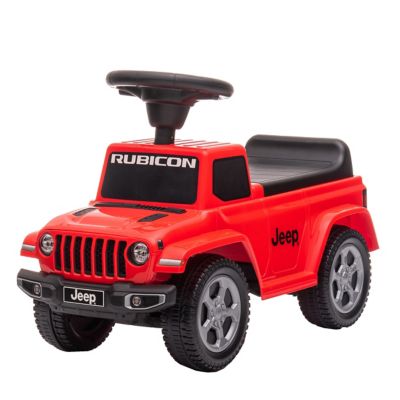
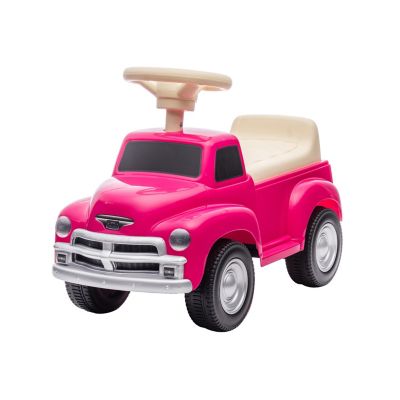
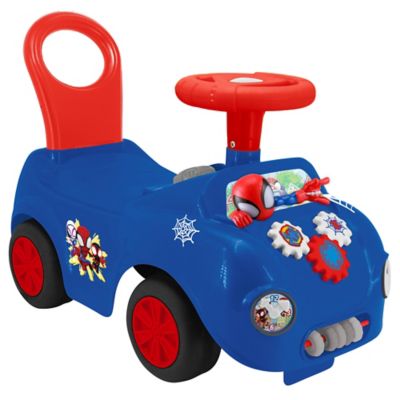
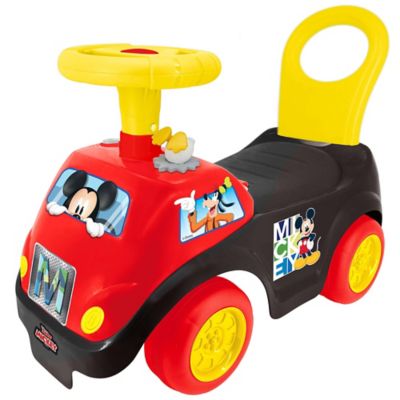
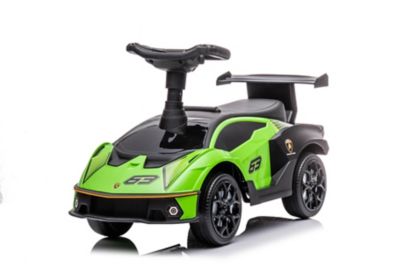
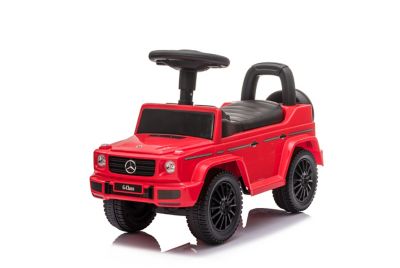
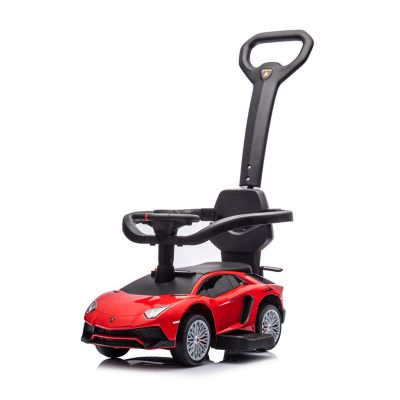
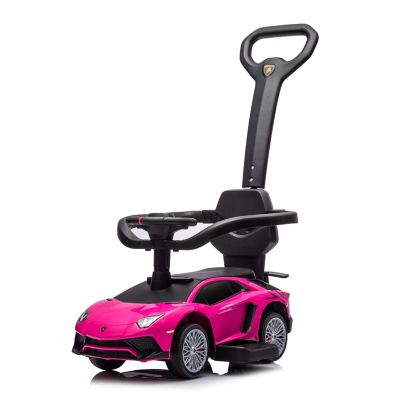
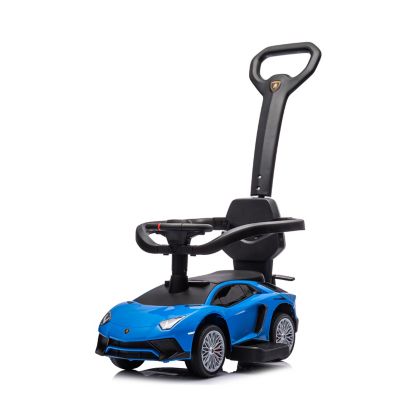
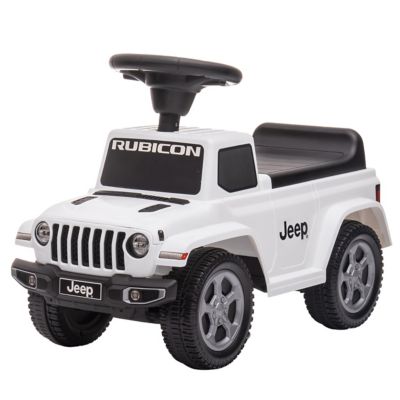
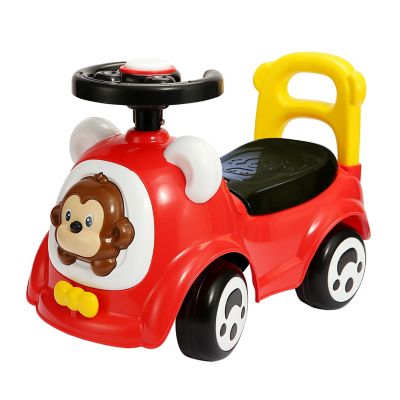
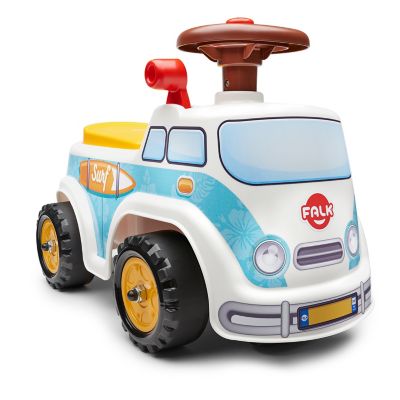
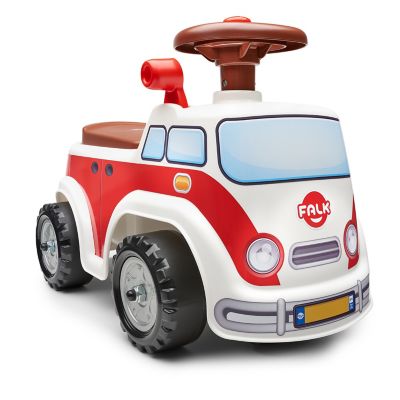
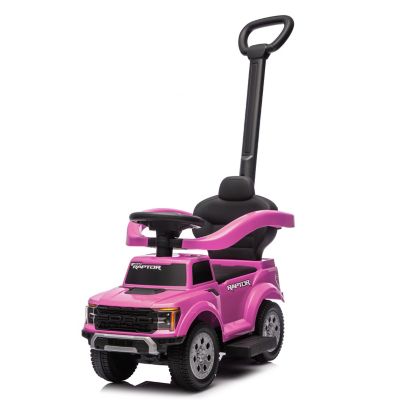
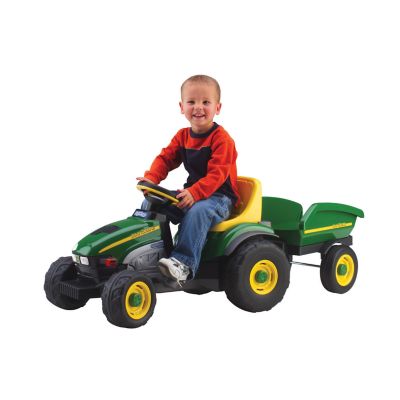
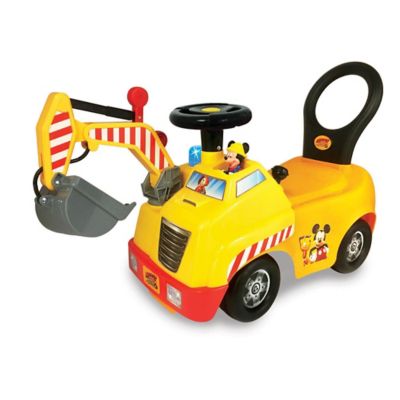
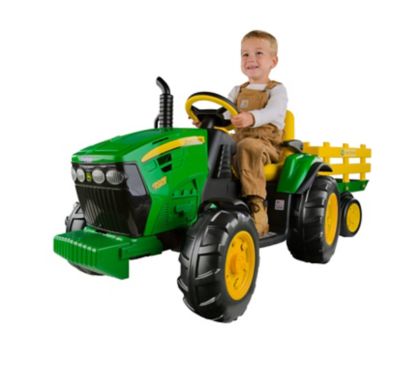
Children's push cars are ride-on toys that move through a child's own foot power, an adult's push, or a combination of both, depending on the design. They give little riders a seat close to the ground, a steering wheel to hold, and a chance to join in on everyday outings without needing a motor or pedals. A foot-to-floor car lets a child sit and scoot, practicing the push, stop, and turn movements that go along with active play. A parent-guided push car has a longer handle so a grown-up can move the car while the child rides. Some designs offer both arrangements, with removable footrests, handles, or side supports that change how the car functions. Those changes should always match the manufacturer's directions and the child's stage of development. For a toddler, a short ride along a smooth walkway can feel like a big trip, especially with a favorite stuffed animal tucked into a storage compartment. For a preschooler, scooting between pretend parking spots can turn a clear patch of patio into a little make-believe town. These cars suit families looking for hands-on play rather than battery-powered movement, and they can make thoughtful birthday gifts from grandparents or other relatives who know the child's size and abilities. Unlike
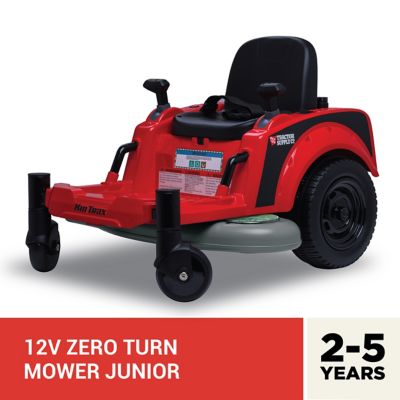
12V Ride On Toys, manual push cars do not depend on a charged battery to move, although sound features or lights may need separate batteries. Their appeal is in the simple setup: a child settles into the seat, an adult stays close, and the ride moves at a manageable pace. Some emphasize independent scooting, while others are better suited to an adult-led stroll. That difference matters more than a car's shape or pretend dashboard, because it determines how the child participates and where the toy fits into family routines.
Fit starts with the rider, not just the age range printed on the packaging. Many children's push cars are intended for toddlers or preschoolers, but minimum age, maximum rider weight, seating space, and required abilities vary by design. A child who meets the age recommendation may still need more room for bent knees or an easier reach to the steering wheel. For foot-to-floor play, the child should be able to reach the ground comfortably and move the car without stretching or sliding forward on the seat. In a parent-push arrangement, feet belong on the designated footrests or floorboard when the instructions call for them, away from the wheels and moving parts. A broad seating area, a supportive backrest, and an easy entry can make settling in less of a fuss, particularly for a little one who wants to climb aboard independently. Belts, side rails, and other rider supports appear on some designs, but they do not replace close adult supervision or turn a toy car into a stroller. Steering deserves a closer look, too: a child's wheel may control the front wheels, provide pretend play only, or work differently when the adult handle is attached. An adjustable push handle can help grown-ups of different heights walk comfortably without hunching over. If a car has room for two riders, both the individual seating limits and the total weight limit matter; extra space is not permission to carry an additional child. Wheels also affect the experience. Hard plastic wheels can sound louder on pavement, while rubber or other softer wheel surfaces may provide a quieter ride, depending on construction. Smooth, level surfaces generally make manual movement easier than loose gravel or deeply uneven ground. Around a country home, a clear walkway separated from vehicle traffic is a better play space than a working driveway shared with pickups, trailers, or equipment. Steps, slopes, water, and animal enclosures should stay outside the riding area.
Materials and construction help determine how a push car handles everyday play and how much attention it needs between rides. Molded plastic bodies are common because they allow rounded shapes and surfaces that can be wiped down after sticky fingers, spilled snacks, or a trip across a dusty patio. Some designs include metal parts in the handle or frame, along with separate wheel assemblies and fasteners. The strength of those connections matters when a grown-up is pushing, turning, or lifting the car for storage. A well-supported handle should feel secure after proper assembly, and wheels should turn freely without loose fittings or parts rubbing where they should not. Rounded edges, an uncluttered foot area, and storage lids that operate as intended are worth considering alongside the play features. A horn, a clicking steering wheel, or pretend controls can keep a little rider engaged, but simple, easy-to-reach features often suit small hands better than a crowded dashboard. Under-seat compartments and rear baskets can hold a small toy or other belongings within the manufacturer's limits; hanging a loaded bag from the push handle can affect balance and should not become a substitute for designated storage. Care is usually straightforward when it follows the maker's cleaning directions. Mild cleaning methods, removal of trapped grit around the wheels, and drying metal parts after cleaning can help keep the car ready for its next outing. Battery compartments for lights or sounds need secure closures, with battery changes handled by an adult. Before play, loose hardware, cracked plastic, worn wheels, and missing supports deserve attention rather than another lap around the patio. Storage is another practical consideration for families sharing a mudroom, garage, or porch: some handles detach or fold, while others need more standing room. The right children's push car fits the child, the riding space, and the grown-up guiding the trip, leaving plenty of room for small adventures at a sensible pace.