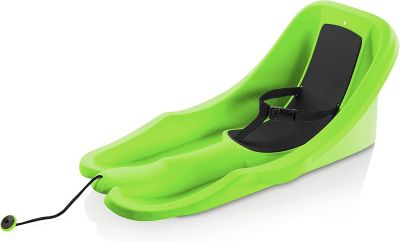
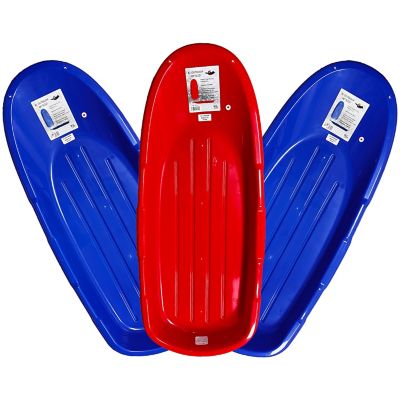
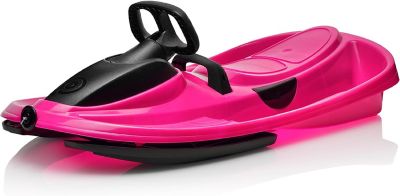
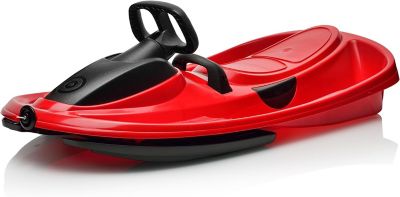
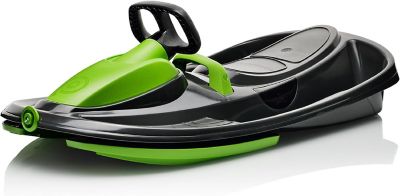
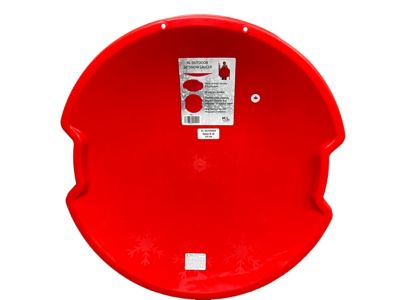
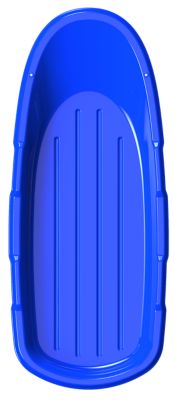
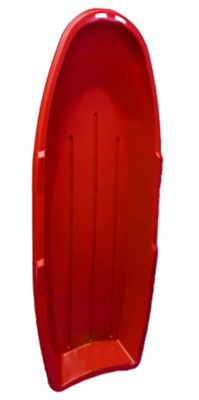
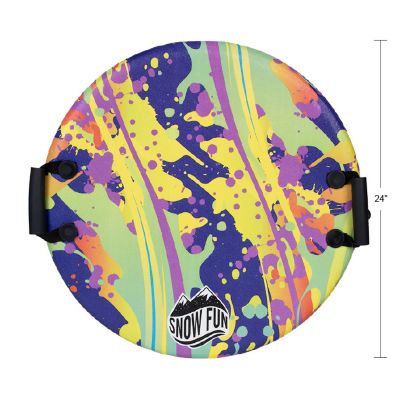
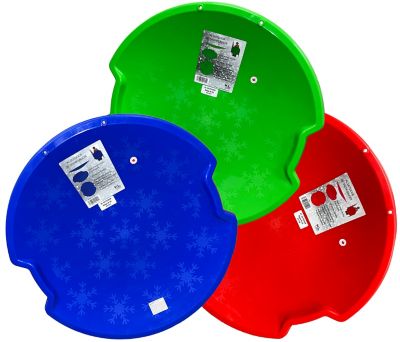
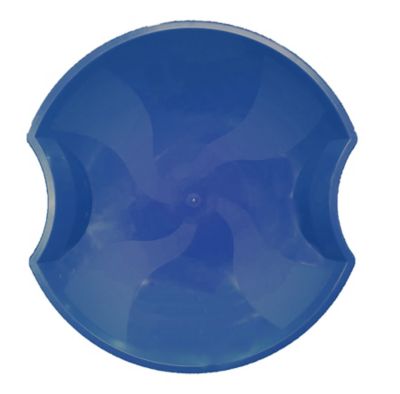
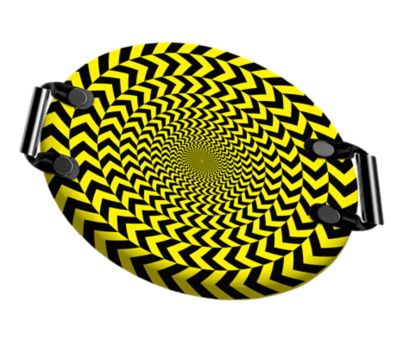
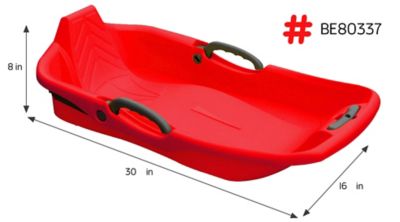
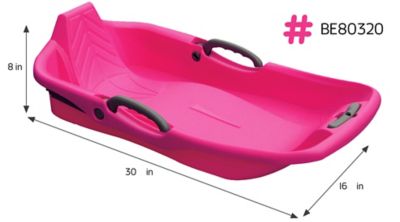
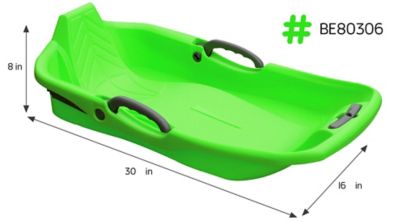
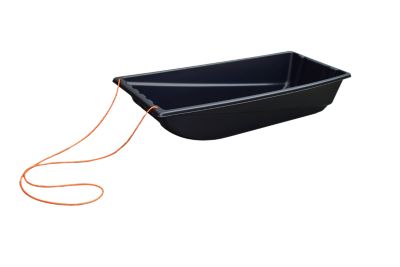
Children’s snow sleds turn a snow-covered slope or a quiet stretch of yard into a place for outdoor play, with shapes suited to everything from an adult-led pull to a downhill ride. The main types include plastic toboggans, round saucers, foam sleds, inflatable snow tubes, and pull sleds made for younger passengers. Each style offers a different feel on the snow, so the best match starts with a child’s age, size, and ability, along with where the sled will go. Plastic toboggans have an elongated shape and a defined front, giving riders room to sit with their feet forward. Some designs accommodate more than one passenger, but seating and weight limits depend on the manufacturer’s specifications. Saucers are compact and easy to carry, though their round shape can spin during a run and offers little directional control. Foam sleds generally combine a cushioned upper surface with a slick underside, making them lighter to haul back uphill while softening some of the feel of uneven snow. Inflatable snow tubes provide an air-filled cushion, but they need inflation before play and can be difficult to steer or stop. Pull sleds serve a different purpose: they let an adult tow a young child at walking speed across suitable, level snow. A raised back or supportive seat may help a small passenger sit comfortably, but those features do not make a pull sled suitable for downhill runs. Traditional wood-and-metal runner sleds are another style, with a raised seat and narrow runners rather than a broad sliding base; their handling depends on the design and snow surface. For families spending an afternoon at a designated sledding hill, a lightweight sled that a child can carry may make the climb back up more manageable. For a little one enjoying a short trip around the yard, proper seated support and a model specifically rated for that child matter more than downhill performance. A sled can also make a welcome winter birthday or Christmas gift when it matches the recipient’s age and the places their family can safely ride.
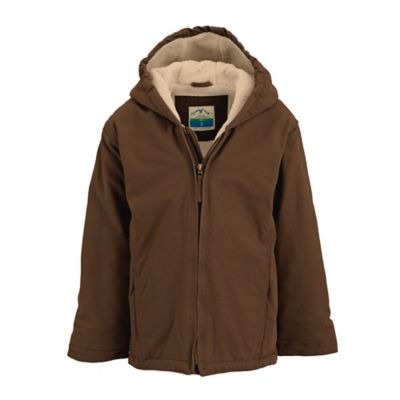
Materials, construction, and fit make a noticeable difference once snow pants, mittens, and winter boots enter the picture. Molded plastic is common because it keeps many sleds light and provides a smooth sliding surface. A material rated for cold-weather use is worth looking for, along with rounded edges, sound rope attachments, and handles that leave enough room for mittened hands. Flexibility varies among plastics, and a hard strike against frozen ground or a hidden rock can crack a shell, especially when temperatures drop. Foam construction offers some cushioning without an inflatable chamber, although the underside still needs protection from gravel, pavement, and sharp ice. Snow tubes need attention to their outer covering, seams, valves, and inflation instructions; overinflation can strain seams, and air pressure can change as the tube moves between a warm room and cold outdoor air. Wooden sleds call for a look at the seat finish, joints, and fasteners, while metal runners should be free of sharp damage and significant rust. Across all materials, a smooth bottom and secure handholds matter more than appearance alone. Fit means more than choosing a sled long enough for a child’s legs. The rider should be able to sit in the intended position, keep feet within the riding area, and reach the designated handles without stretching awkwardly. Check both the age recommendation and the total weight capacity, allowing for winter clothing and every passenger permitted by the design. A longer sled is not automatically a two-person sled, and extra room does not override a single-rider rating. Families with siblings may find that separate age-appropriate sleds make more sense than trying to fit everyone onto one seat. Warm layers that allow easy movement help children sit and walk comfortably, while
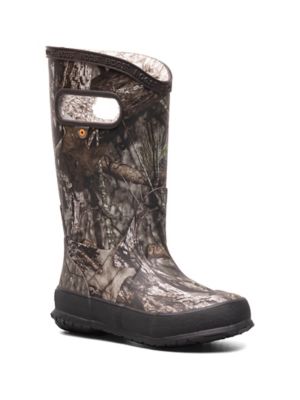
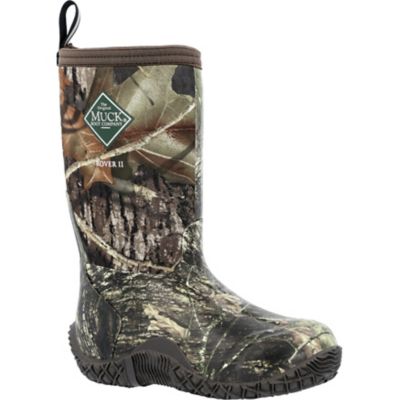
children’s waterproof winter boots help keep feet dry through slushy paths and repeated uphill climbs. Gloves or mittens should allow a firm grip, and loose scarves, dangling cords, or clothing that can catch beneath a sled should stay out of the riding area. Comfort counts most when it supports a steady seated position rather than adding loose padding that may shift during a ride.
A sled’s intended use should match the setting, whether that is a level path for an adult pulling a toddler or a gentle hill with a broad, open runout. Snow depth and surface conditions affect every style: a thin covering may hide roots and rocks, deep soft snow may slow or stop a sled, and packed snow or ice can increase speed and make stopping harder. No sled shape turns an icy or obstructed hill into a safe place to ride. A suitable sledding area stays clear of roads, parked equipment, fences, trees, ditches, and ponds, with enough open space at the bottom to stop well before a hazard. On rural property, familiar ground still deserves a fresh look after snowfall because a white surface can hide a culvert, low wire, or rough edge near a driveway. Children need adult supervision, and riders should wear a properly fitted helmet appropriate for sledding, following its manufacturer’s guidance. Downhill riders should sit facing forward with feet pointing downhill, never stand or ride headfirst, and follow the sled’s instructions for passenger placement and operation. One sled at a time in a clear lane helps prevent collisions, and the walk back uphill belongs off to the side of the sliding path. Pull ropes should be secured out of the way for downhill riding as directed by the manufacturer, and children’s sleds should never be towed behind a vehicle, tractor, ATV, or snowmobile. After play, brush away snow and grit, let the sled dry, and check for cracks, loose fittings, torn seams, or damage around handles and rope holes. Clean with mild soap and water when the care instructions allow, avoiding harsh cleaners or unapproved treatments on sliding surfaces. Store sleds away from direct sunlight and heat, without heavy objects pressing on them; deflate and fold tubes only as directed. A quick inspection before the next outing helps catch small problems before a child settles in for another ride. Thoughtful sizing, sensible riding spots, and straightforward care help keep the focus where it belongs: rosy cheeks, mittened waves, and the happy trudge back up the hill.