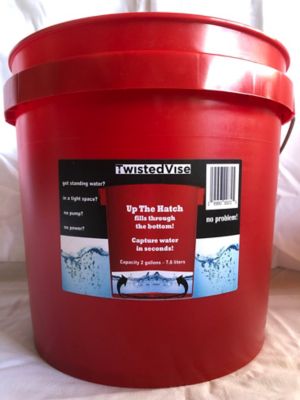
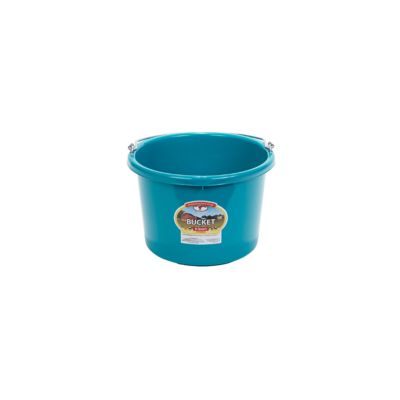
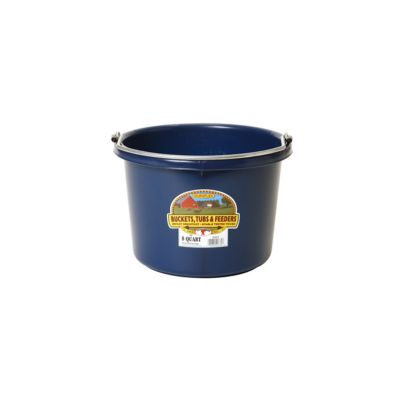
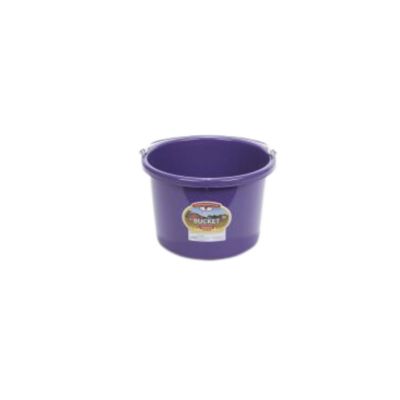
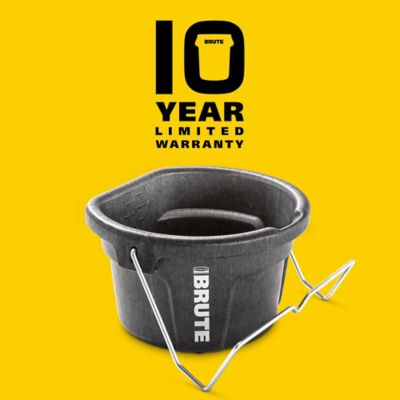
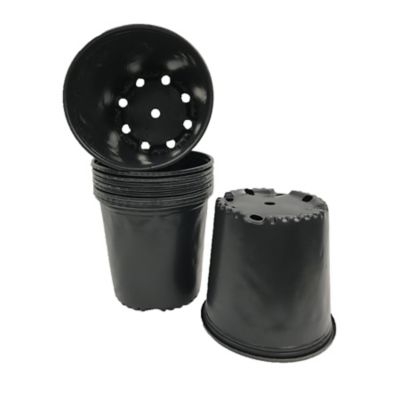
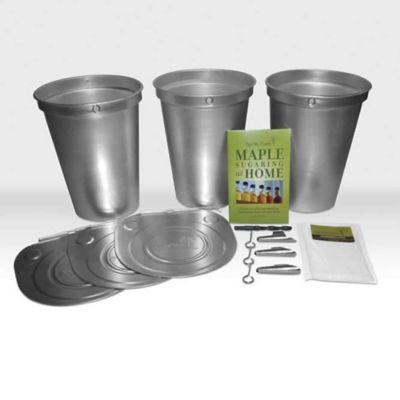
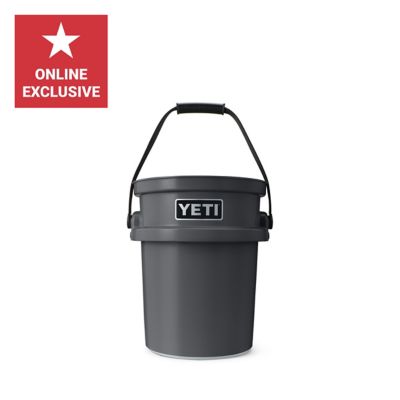
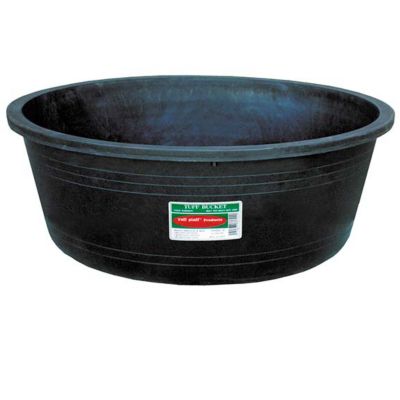
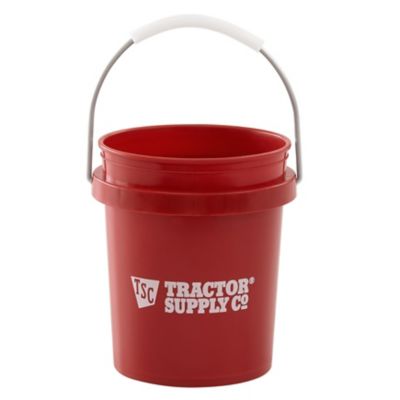
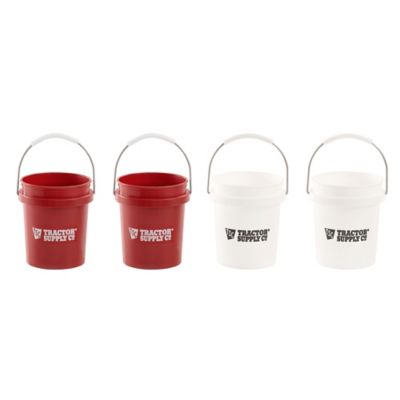
Two-gallon plastic buckets are compact containers for carrying, mixing, sorting, and storing materials around the house, barn, garden, and workshop. A two-gallon capacity equals eight U.S. quarts, or about 7.6 liters, making this size handy for jobs that call for more than a small bowl but less than a full-size utility pail. Common materials include high-density polyethylene, often marked HDPE, and polypropylene. Both are plastics that can form sturdy bucket walls without adding much empty weight, though suitability for food, cleaning solutions, and other contents depends on the container’s labeling. Material alone does not establish food safety or chemical compatibility. Many buckets have a tapered shape that lets empty containers nest together, keeping a stack from taking over a shelf or corner of the feed room. Handle styles can include wire bails with plastic grips, plastic swing handles, or molded handholds. A grip that sits comfortably in the hand makes a difference when walking from the utility sink to a stall or carrying a load across the yard. Two gallons of water weigh about 16.7 pounds before adding the weight of the bucket, so the filled load matters as much as the container’s size. Leave enough room below the rim to keep liquid from sloshing onto boots, and follow any stated carrying limits. Wall thickness, the shape of the base, and the strength of the handle attachments all affect how a bucket stands up to repeated chores. A broad, flat bottom helps it sit steadily on a level surface, while a smooth interior makes rinsing easier. Outside dimensions still matter: two containers with the same capacity may differ in height, rim width, and handle clearance. For a bucket that needs to fit beneath a faucet, inside a cabinet, or beside a workbench, those measurements are worth checking. The two-gallon size is practical when a job involves several short trips or a manageable amount of material rather than one heavy load.
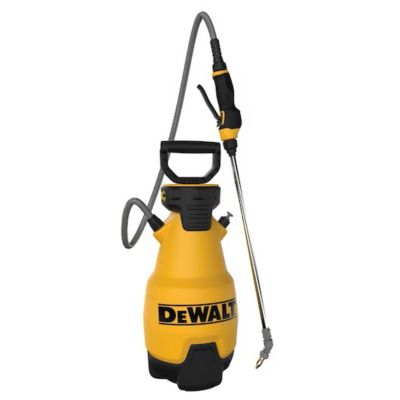
Around a working property, a two-gallon pail can move from one everyday chore to another, provided its assigned purpose stays clear. In the barn, it can carry a measured portion of feed, hold grooming supplies, or collect small tools needed for a repair. For feed and drinking water, choose a container labeled for that purpose and keep it separate from buckets that have held paint, pesticides, cleaners, or other chemicals. An open bucket of grain is not a substitute for pest-resistant storage, and a small pail should not be the sole water source for an animal whose daily needs exceed its capacity. In the garage, the same size works well for gathering loose hardware, carrying rags, or keeping a few plumbing fittings together while a repair is underway. A bucket intended for paint or another liquid must be compatible with that material; not every plastic container can handle solvents or strong cleaning agents. For household cleaning, a compact pail is easier to set beside a sink or carry into a tight laundry room than a larger container. Follow the cleaner’s dilution directions, and never combine products simply because there is room in the bucket. Garden chores offer plenty of uses, too, from carrying potting mix to gathering pulled weeds or transporting small amounts of compost. Keep soil loads manageable, since damp material can become heavy well before reaching the rim. A bucket can also serve as a mixing container for a garden treatment when both the product label and the bucket’s material permit it. For treatments meant to be sprayed,
2 Gallon Garden Sprayers serve a different role, distributing a labeled solution through a pump and nozzle rather than simply holding or carrying it. Follow mixing and application directions, leave room for stirring, and never assume a bucket’s stated capacity is a precise measuring mark. Keeping separate, clearly labeled containers for cleaning, gardening, and animal care helps prevent mix-ups when several chores share the same work area. That simple habit matters when a plain plastic pail could otherwise look much like the one sitting beside it.
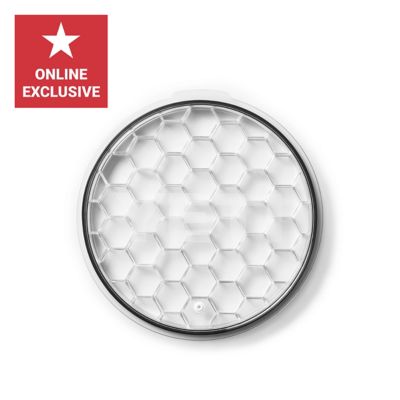
Lid fit, storage habits, and routine care help determine how well a two-gallon bucket serves its purpose over time. A lid must match the bucket’s rim design and dimensions, not just its stated gallon capacity. Snap-on lids, gasketed lids, and other closure styles do different jobs, and a cover that keeps out dust does not necessarily create an airtight or leak-resistant seal. For dry pantry ingredients or pet food, look for food-contact suitability in both the container and its lid, along with a closure suited to the storage conditions. Keeping pet food in its original bag inside a suitable container can also preserve feeding directions, lot information, and the package’s protective barrier. Avoid mixing fresh feed with old remnants at the bottom; empty and clean the container between refills as the feed maker recommends. Whatever the contents, a fitted lid does not make a bucket childproof, animal-proof, or safe for transporting hazardous materials. Store liquid-filled buckets where children cannot reach them, and empty cleaning water promptly after the chore is done. For general upkeep, remove loose residue, wash with a cleaning method suitable for the bucket’s material and assigned use, rinse thoroughly, and let the interior dry before closing it or nesting it with another pail. Harsh abrasives can leave scratches that trap grime, while dried paint or hardened mixing residue may interfere with a lid’s fit. Check the rim, bottom, and handle attachment points for cracks or damage before carrying a full load. A bent bail, loose grip, or split near a handle mount is a reason to stop and assess the container rather than risk spilling its contents. Labels on the side make it easier to distinguish a feed bucket from a wash bucket without opening either one. Store empty pails clean and dry, and avoid forcing tightly nested buckets apart by their handles. With the right material, a comfortable carrying setup, and a lid suited to the task, a two-gallon plastic bucket earns its place among the everyday supplies that keep chores moving.