Electrolyte mixes are drink powders or liquid concentrates that add minerals to water, giving active folks another way to support hydration when a long stretch of work or exercise calls for more than a quick drink. Common electrolytes include sodium, potassium, chloride, and magnesium, though the combination and amount vary from one formula to another. These minerals help regulate fluid balance and support normal muscle and nerve function. Sodium is especially relevant during prolonged activity because it leaves the body through sweat, along with water. For someone walking fence lines, hauling supplies around a property, training for a distance ride, or putting in steady hours on a trail, an electrolyte drink can fit into a planned water and food routine. That does not mean every chore or workout calls for added electrolytes. Plain water and regular meals meet hydration needs for many everyday activities, while longer efforts and heavier sweat losses can make mineral replacement more relevant. The practical appeal of an electrolyte mix is its portability: a small packet or measured scoop can turn a refillable bottle into a flavored drink without carrying a separate ready-to-drink beverage. Formulas range from straightforward mineral blends to options with carbohydrates, vitamins, or other ingredients, so the words “electrolyte mix” describe a broad category rather than one standard recipe. Some blends are geared toward sustained exercise, while others offer a lower-sugar option for people who prefer a flavored drink with added minerals. No mix makes up for too little water, missed meals, or pushing past the need for a break. The right fit depends on the activity, how much a person sweats, what else they eat and drink, and any individual health needs. A bottle taken along for routine barn chores serves a different purpose from the fluids and fuel packed for several hours of cycling, even when both contain electrolytes.
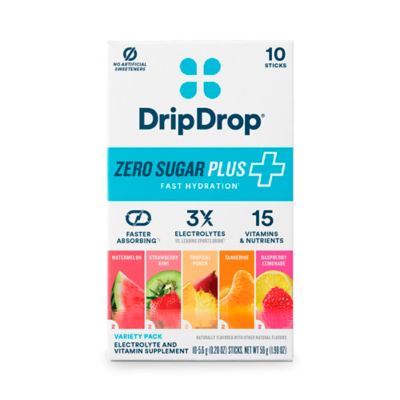
The biggest differences among electrolyte drink mixes often show up in the serving information rather than the flavor name. Sodium content can vary considerably, and a blend with a higher amount is not automatically a better match for everyday drinking. Potassium and magnesium amounts differ, too, and an electrolyte count alone does not explain how a formula fits a particular routine. Serving size matters just as much: one packet may be intended for a small bottle, while another needs considerably more water. Comparing the mineral amounts in the prepared drink gives a clearer picture than comparing scoops or packets alone. Sugar is another meaningful distinction. In some formulas, carbohydrates provide fuel for extended activity, and glucose helps support sodium and water absorption in the intestine. Sugar-free electrolyte mixes offer a different option when added carbohydrates are not part of the plan, but they do not provide that same source of energy. Neither style guarantees faster hydration in every situation. Sweetness may come from sugar, alternative sweeteners, or a combination, and taste can range from lightly flavored to noticeably salty. A flavor that stays pleasant through repeated sips can be more practical on a long outing than one that tastes good only for the first few mouthfuls. Some blends also contain caffeine or added vitamins; those ingredients serve different purposes from replacing fluid and minerals. Ingredient lists matter for people managing food allergies, sensitivities, or dietary preferences, especially when a mix includes several added components. People with kidney or heart conditions, prescribed fluid or sodium limits, or medicines that affect electrolyte levels should check with a healthcare professional before adding a supplement. Adult exercise formulas also should not be assumed suitable for children. Everyday hydration mixes are not automatically interchangeable with medical oral rehydration solutions intended for illness-related fluid loss.
Packaging and preparation can make a noticeable difference in how an electrolyte mix fits into the day. Single-serving packets tuck into a lunch bag, saddle bag, or work vest pocket and keep the measuring simple when there is no counter nearby. Resealable containers suit a regular routine at home, where a scoop and a marked bottle are easy to keep together. Liquid concentrates offer another format, with measured drops or portions added according to the label. For powders, the recommended water volume affects both taste and concentration; adding extra powder does not make a drink a better hydration option. A bottle with clear volume markings and enough room for shaking helps with mixing, while a secure lid keeps the drink contained on a bumpy ride across the property. Some powders dissolve readily, while others need more shaking or stirring, so preparation directions are worth following before heading out. For longer rides,
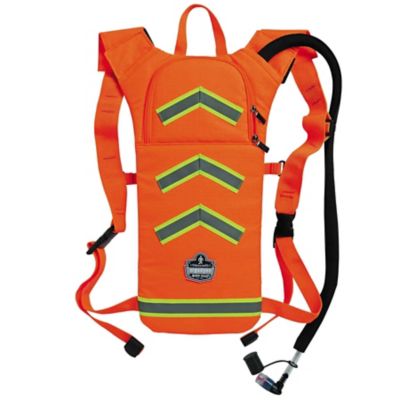
Hydration Packs For Cycling offer a way to carry drinking water with convenient access along the route. Compatibility still matters: reservoir and bottle care instructions should allow for flavored drinks before an electrolyte blend goes into them. A separate bottle can keep the mix apart from a main water supply and make cleanup simpler. Sweetened drinks can leave residue around caps, valves, and drinking tubes, making prompt rinsing and thorough washing important after an outing. Clean components need time to dry before storage. Dry mix belongs in its original, tightly closed packaging, protected from moisture, with a dry scoop kept inside only when the package directions permit it. Date markings and storage instructions help preserve the mix as intended, and prepared drinks need the handling described on the label. Those practical details matter when packing for a trail outing or filling a bottle before chores: the mix needs to suit the container, the activity, and the person drinking it.