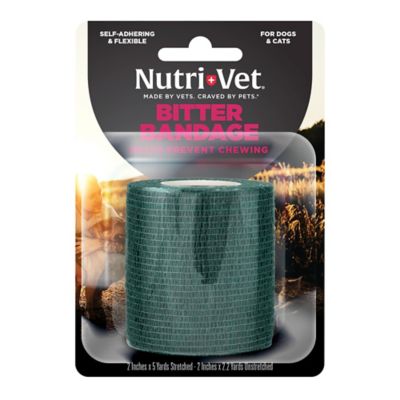
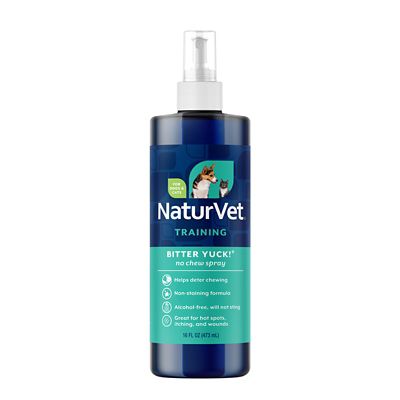
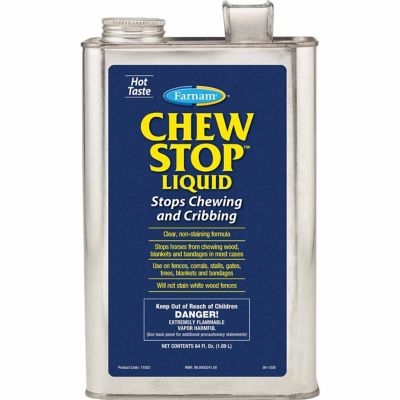
Chewing deterrents for dogs can help protect furniture, shoes, woodwork, rugs, kennel bars, fencing, and other household items from determined teeth. Puppies often chew while teething, exploring their surroundings, or working off extra energy, while adult dogs may gnaw because of boredom, stress, habit, or a need for more satisfying dental activity. A commercial bitter-tasting spray is a common choice because it can make an off-limits surface less appealing without relying on harsh punishment. Many formulas use bitter apple or a blend of other food-safe bittering agents, and alcohol-free options may be a good fit for homes where a gentler formula is preferred. Prices commonly fall in the $8 to $18 range, depending on bottle size and ingredients. Before buying, look for clear directions that explain whether the product is intended for furniture, fabric, fur, bandages, or other surfaces. Some products are made for household objects only, while others may be labeled for limited use on a dog’s coat or skin. That distinction matters. Never spray a deterrent directly on your dog unless the label specifically says it is appropriate, and avoid applying it near the eyes, nose, mouth, open wounds, food dishes, or water bowls. A small test spot on an unseen part of a chair, rug, leather item, or finished wood surface can help prevent discoloration or damage. If your dog has allergies, sensitive skin, a habit of licking treated areas, or a medical condition, check the ingredients with your veterinarian before use. Keep bottles stored out of reach of pets and children, and follow the label for ventilation, reapplication, and cleanup.
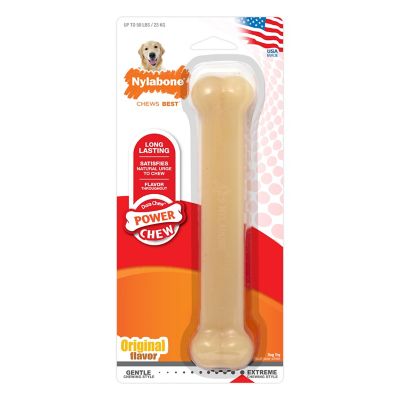
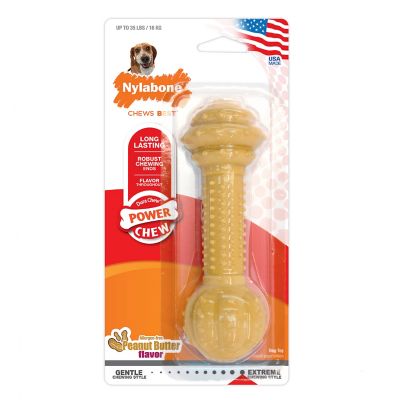
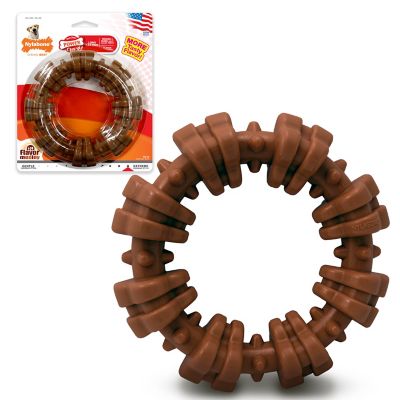
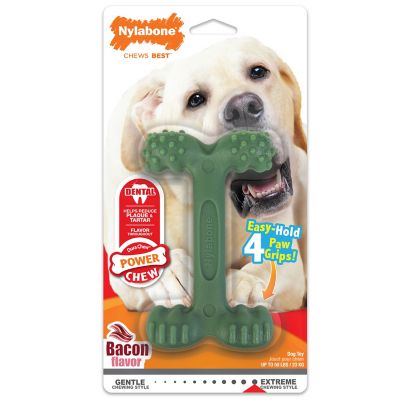
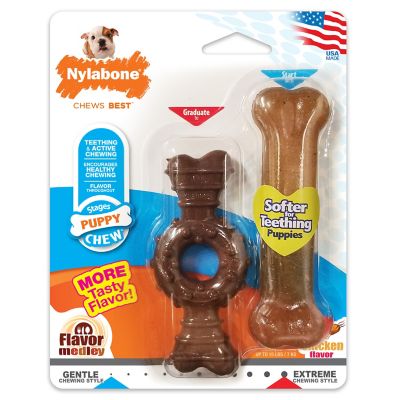
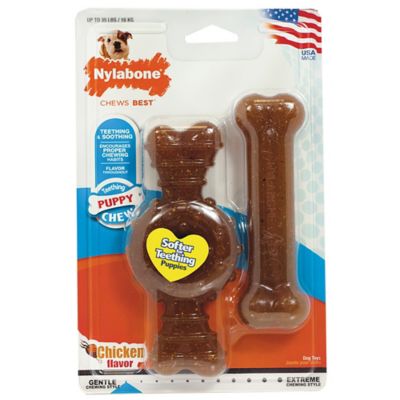
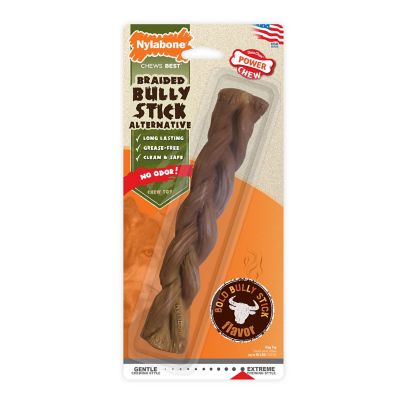
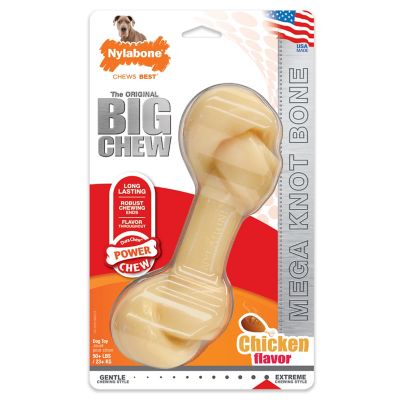
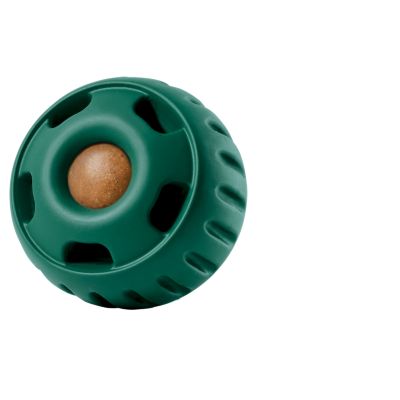
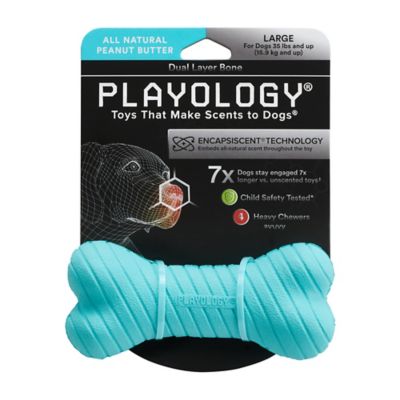
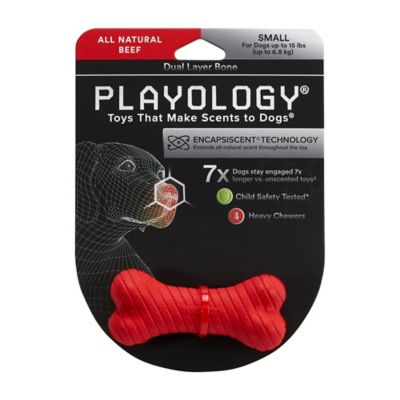
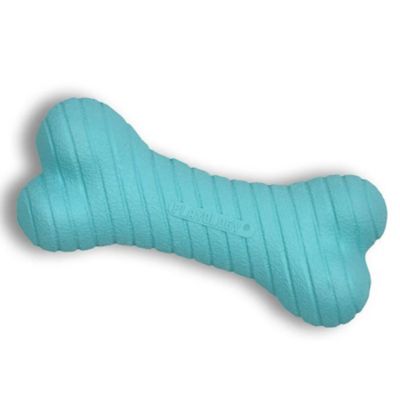
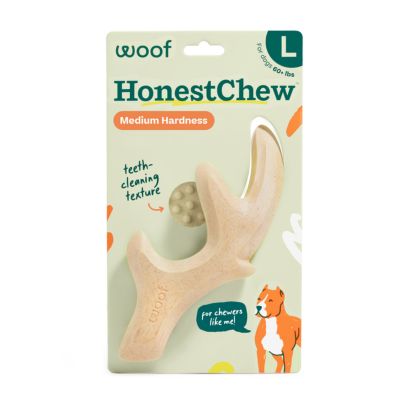
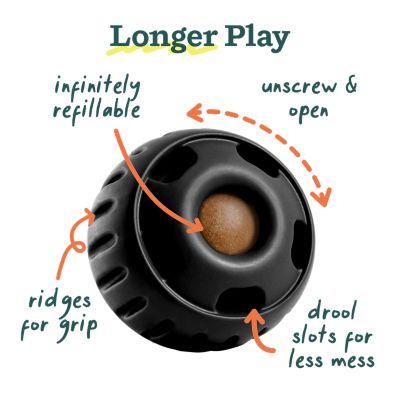
The best results usually come from pairing a chewing deterrent with steady redirection. Spraying the leg of a favorite chair may take the edge off the habit, but it does not tell a young dog what is safe to chew instead. Keep a few sturdy chew toys nearby and calmly offer one whenever your dog heads for a table leg, boot, blanket, or doorway trim. Praise the change in choice with a friendly voice, a scratch behind the ears, or a small training reward. Rotating toys can keep familiar options interesting, especially during the cooler months when dogs spend more time indoors. Puppies may benefit from age-appropriate rubber toys, textured toys, and supervised frozen treats designed for canine use, while strong adult chewers generally need durable options matched to their size and chewing style. Choose items that are too large to swallow and check them often for cracks, loose pieces, sharp edges, or worn areas. A deterrent spray can also be useful around freshly repaired wood, the corners of a rug, chair legs, baseboards, garden tools, or other tempting spots, but it should not be used to cover up an unsafe situation. Secure electrical cords, move medications and chemicals out of reach, block access to splintered lumber, and keep small children’s toys off the floor. Dogs that chew through doors, destroy bedding when left alone, swallow nonfood objects, or show signs of panic may need more than a taste deterrent. More exercise, sniffing games, food puzzles, crate training, and a consistent daily routine can help, while sudden or severe chewing deserves a conversation with a veterinarian or qualified trainer. A dog that eats pieces of plastic, fabric, wood, or other materials should receive prompt veterinary attention, particularly if there is vomiting, loss of appetite, belly pain, trouble passing stool, or unusual tiredness.
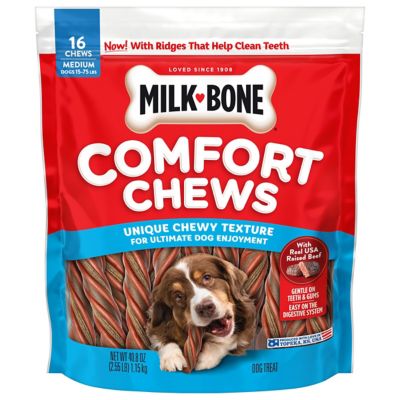
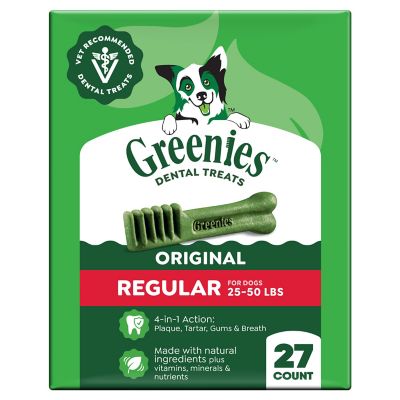
Chewing deterrents for dogs can be a handy addition to a new-puppy setup, a foster-home supply kit, or a welcome basket for someone bringing home a rescue dog, though training support and safe chew options make the most useful pairing. They are also practical for households with new furniture, older dogs adjusting to a move, or pets that need a clear reminder after discovering the taste of a favorite pair of work boots. Use the spray consistently on the same approved surfaces and refresh it as directed, since rain, cleaning, dust, and regular handling can reduce its effect. Outdoor use requires extra care: avoid spraying plants, vegetable beds, water sources, livestock equipment, or surfaces that may be licked by other animals unless the label specifically permits it. For homes with multiple dogs, watch each pet’s response rather than assuming one formula will work for every animal. Some dogs turn away from a bitter taste immediately, while others barely notice it, so a backup plan of supervision and redirection is important. It can help to keep a leash nearby during busy parts of the day, use gates to limit access to high-risk rooms, and reward calm behavior before chewing starts. Dental-focused options can give dogs an appropriate outlet for natural chewing while supporting regular oral care; explore
Enzyme Dental Chews For Dogs for another way to build healthy chewing into the routine. Always choose dental chews according to your dog’s size, supervise chewing, and remove pieces that become small enough to swallow. With the right deterrent, a safe chew outlet, and patient repetition, many dogs learn that the old wooden chair, muddy boot, or tempting fence board is off limits while their own toys are fair game.