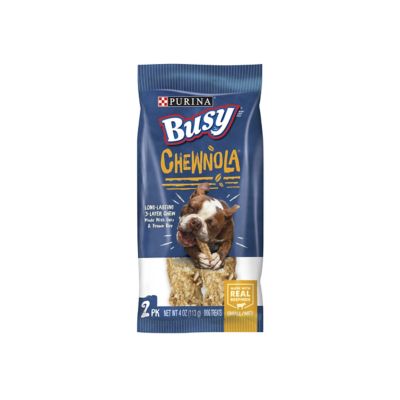
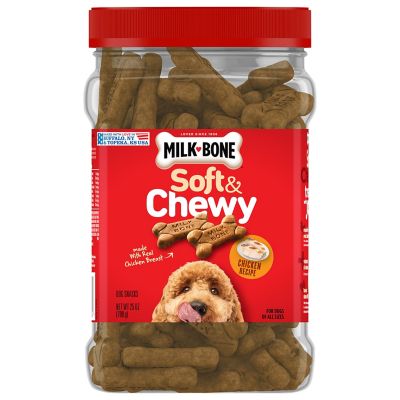
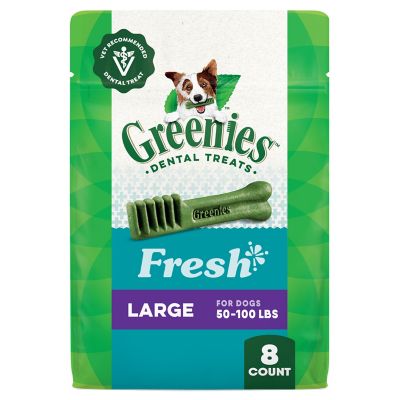
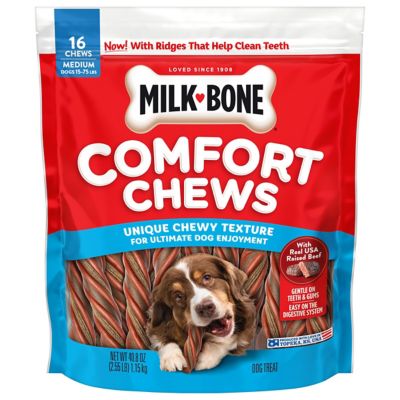
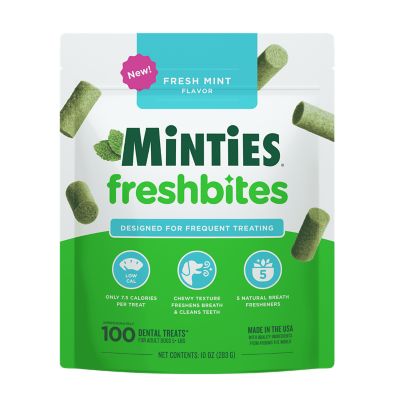
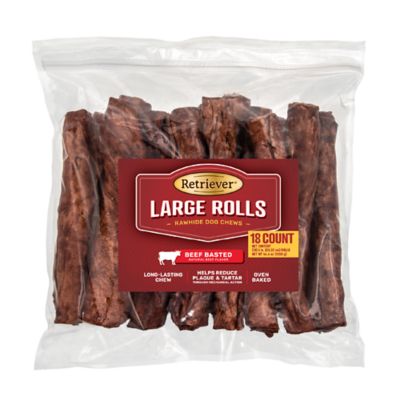
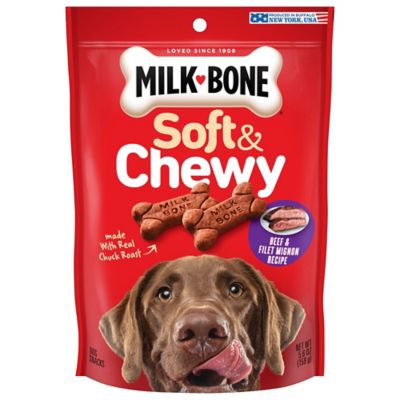
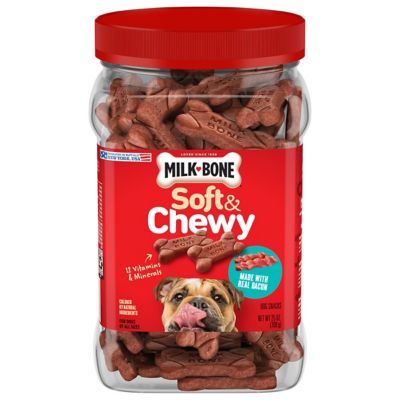
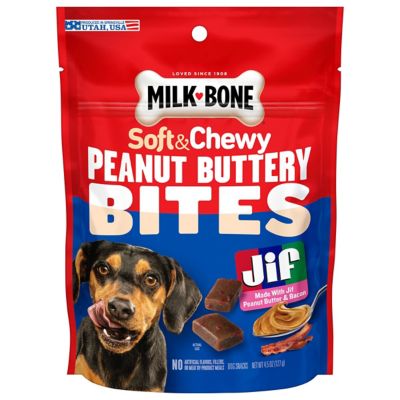
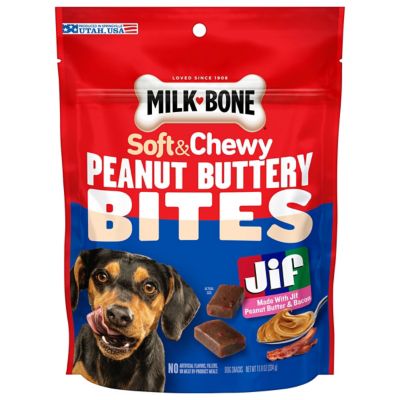
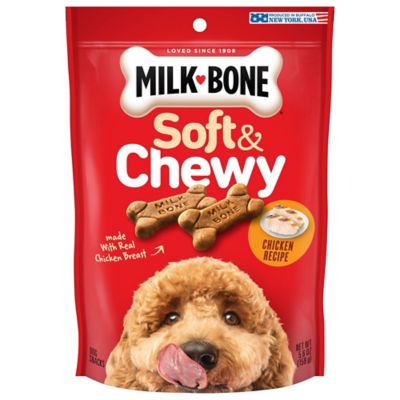
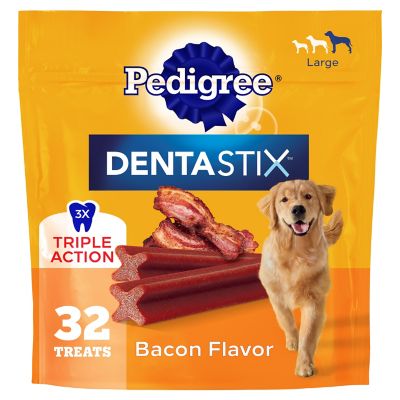
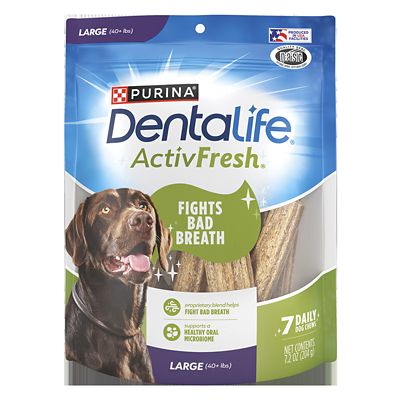
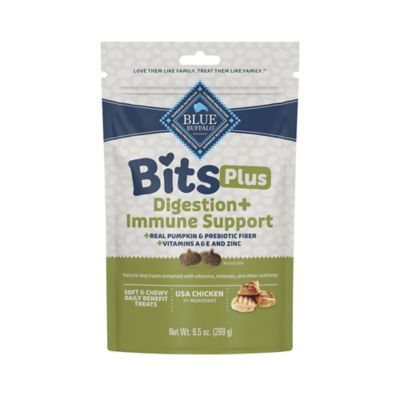
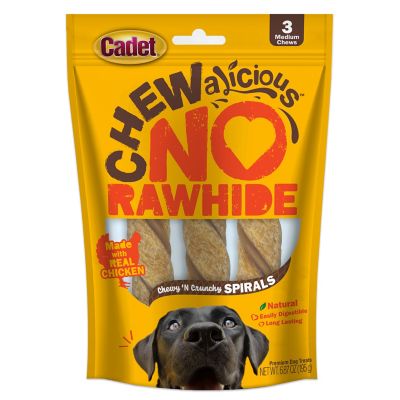
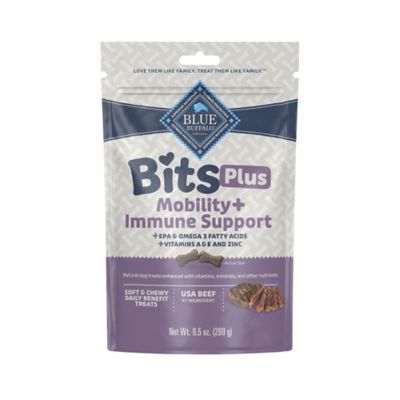
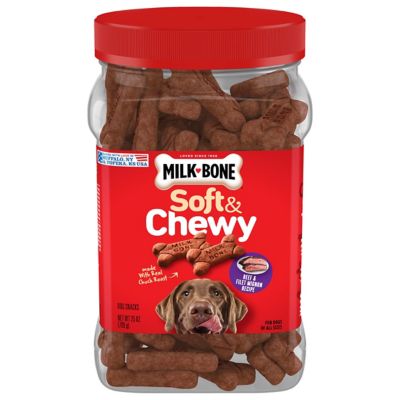
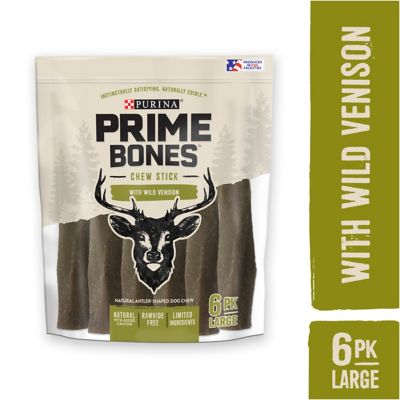
Chewy treats for dogs offer a tender, flexible bite for everyday rewards, training sessions, and those little moments when a good dog deserves a little something. Compared with crunchy biscuits, soft and chewy dog treats generally have more moisture and a texture that yields more easily when bitten. Some are small enough for a quick reward, while others come in strips or larger pieces that may be divided when the package directions allow it. That difference matters when a dog is practicing a new cue: a bite that disappears quickly lets the next repetition begin without a long chewing break. For a companion settling beside the porch steps after a walk, a larger, appropriately sized treat can make a pleasant finish to the outing. Chewy does not necessarily mean long-lasting, though. Tender training treats and chews intended for a longer chewing session serve different purposes, so the package description helps set expectations. Recipes may feature meat, fish, vegetables, grains, or other ingredients, with different combinations providing flavor, aroma, and texture. Beef, chicken, and salmon flavors give dogs with different preferences something to sniff out, but the ingredient panel tells more than the flavor name alone. A meat-flavored treat can contain several protein sources, which matters for dogs following a restricted diet. Moisture, fats, and ingredients that help retain softness also affect how a treat feels, from a tender morsel to a firmer, bendable strip. For handlers carrying rewards on a walk or working on manners around the yard, treats that separate cleanly into small portions can be especially handy. The right match is not always the biggest bite or the strongest smell; it is a treat that suits the dog, fits the moment, and can be offered in a sensible amount. A familiar favorite can make practice feel rewarding without turning every successful sit into a full snack break.
Size, texture, and feeding directions all deserve a look when comparing chewy dog treats. A small dog needs a manageable bite, while a large dog may gulp a tiny piece without much chewing. Shape matters, too: a thick, dense chew behaves differently from a soft morsel, even if both fall under the chewy category. Supervision is important with any treat, especially for dogs that swallow quickly, guard food, or try to finish everything in one mouthful. Treats meant for an extended chewing session call for particular attention to package sizing and removal instructions as the piece gets smaller. Softness alone does not establish that a treat is suitable for every puppy or senior dog. Puppies may have age restrictions on certain treats, and older dogs with sore mouths or missing teeth may need advice from a veterinarian rather than simply a softer snack. A sudden change in chewing habits, dropped food, or reluctance to eat deserves attention. For otherwise healthy dogs, tender rewards can be convenient when a hard biscuit is not the preferred texture, but they do not replace toothbrushing or veterinary dental care. Nutritional fit is just as important as physical fit. Treat calories count toward the daily total, and a common veterinary recommendation is to keep treats and other extras within 10% of daily calories unless a veterinarian recommends otherwise. Small training portions help stretch that allowance across several successful repetitions. Dogs eating a therapeutic diet, managing weight, or following an allergy plan may need a narrower range of ingredients. Grain-free wording does not automatically make a treat a better match, and a short ingredient list does not guarantee that every ingredient agrees with a particular dog. Checking the full label, calorie information, and feeding directions gives a clearer picture. When introducing an unfamiliar recipe, a small portion makes it easier to watch for digestive upset before adding it to the regular reward routine.
A good chewy treat also needs to work for the person doing the feeding. Resealable packaging helps keep soft treats from drying out, while a secure storage spot keeps an eager nose from finding the whole bag. Storage directions vary by recipe, so the label should determine whether an opened package belongs in a cool, dry cupboard or needs refrigeration. Keeping treats in their original packaging, even inside a sealed container, preserves access to ingredients, feeding instructions, lot information, and the best-by date. A pouch carried through chores or tucked into a walking bag should be emptied of old crumbs and cleaned regularly, rather than continually topped off. Treats with mold, an unexpected odor, or other signs of spoilage belong out of reach and out of the feeding routine. Beyond storage, consistency makes rewards more useful. A small chewy bite offered promptly after a dog comes when called helps connect the reward with that action. The same approach works for waiting politely at a gate, resting on a mat while visitors come inside, or standing calmly for brushing. Several short rounds of practice often fit ordinary life better than one long session, especially for a young dog learning to stay focused. Food rewards can sit alongside praise, play, and attention, with portions adjusted so treats do not crowd out regular meals. In a household with several dogs, separate reward moments can help each dog eat at a comfortable pace without competition. Friends or family picking out treats for someone else’s dog will have a better starting point with the owner’s guidance on food sensitivities, preferred textures, and serving limits. The
Healthy Dog Treats page offers related choices to consider alongside soft and chewy options. Whether the reward follows a tidy recall across the yard or a calm ride home, the aim stays simple: a bite the dog enjoys, a portion that fits, and a feeding routine that makes sense.