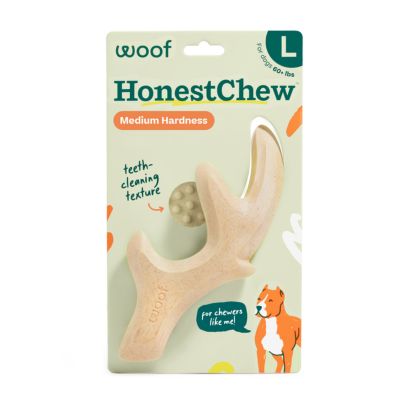
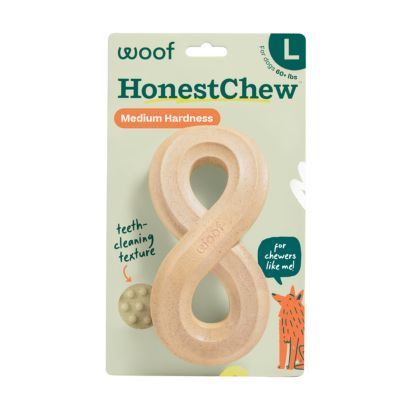
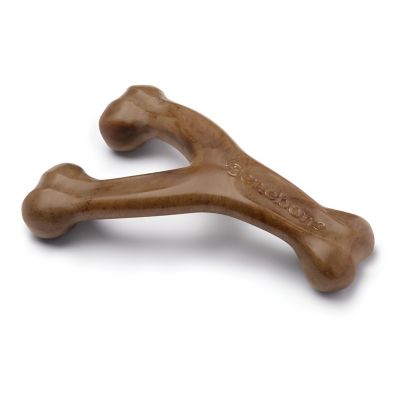
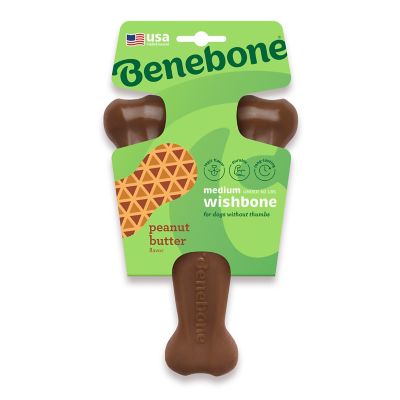
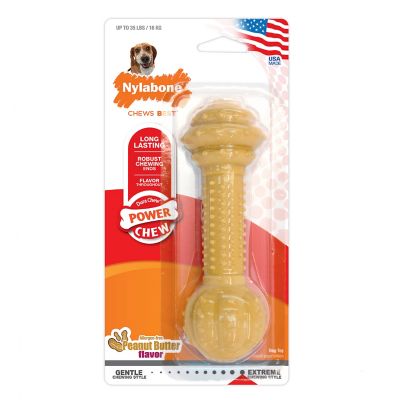
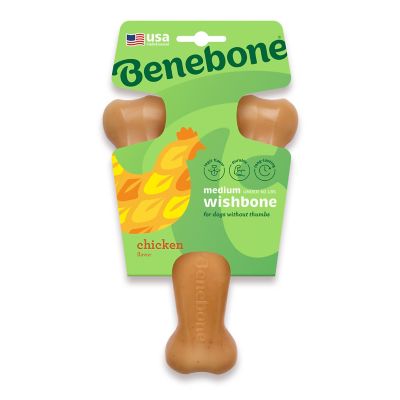
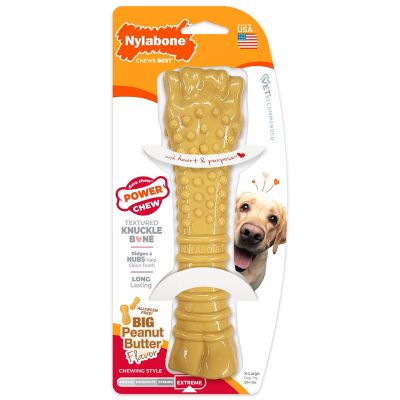
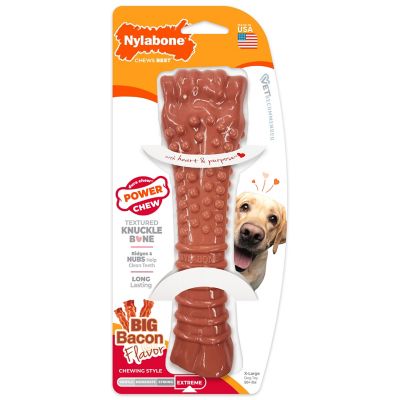
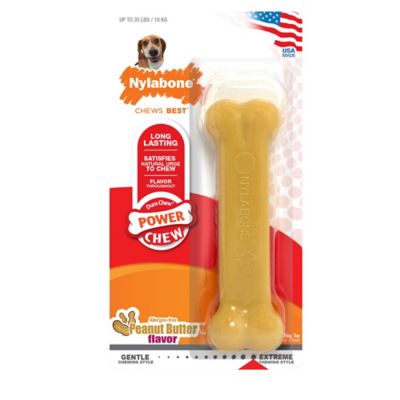
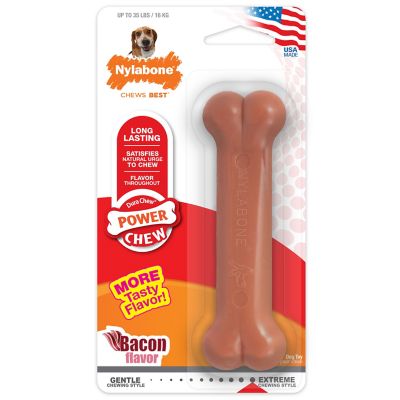
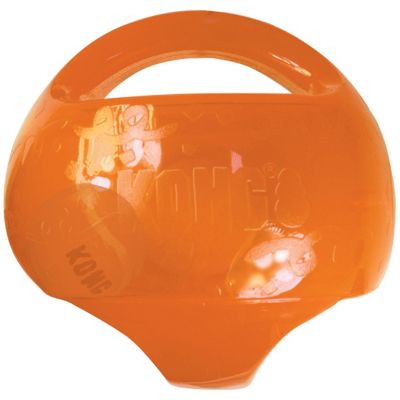
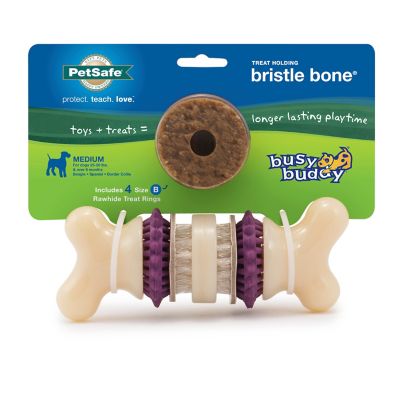
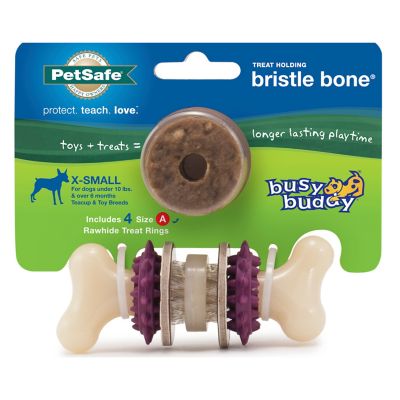
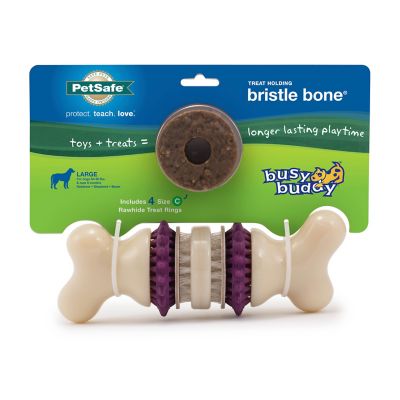
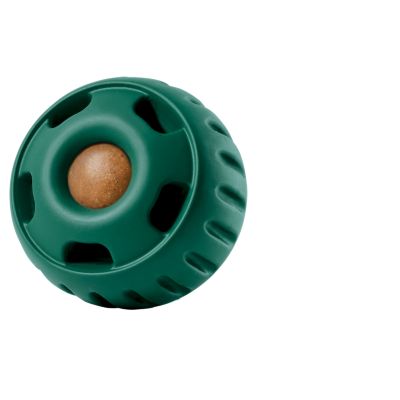
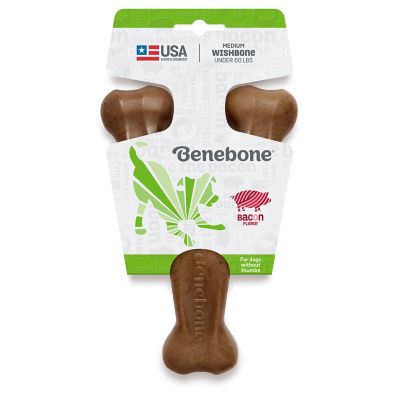
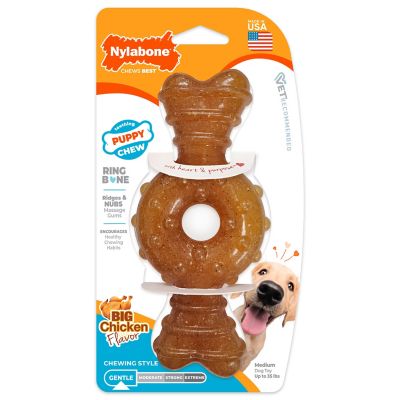
Chew toys for German Shepherds give strong jaws a suitable outlet while adding something worthwhile to a dog’s daily routine. For this active, alert breed, the best match depends on more than a large size label: material, shape, flexibility, and chewing habits all matter. Some shepherds settle beside the kitchen table and steadily work one spot, while others carry a toy from room to room before giving it a few determined bites. Rubber chew toys with some give can suit dogs that enjoy squeezing and gnawing, and hollow designs add room for food-based enrichment. Toys made from nylon or other firm materials call for closer attention to hardness, since a toy that resists wear can still be too hard for a dog’s teeth. No chew toy is indestructible, and a heavy-chewer label does not guarantee a safe match for every shepherd. A suitable toy is large enough that the dog cannot swallow it or fit the whole thing inside its mouth, with a shape that stays manageable between the front paws. Large and extra-large labels vary by manufacturer, so measurements and weight recommendations are more useful than the size name alone. Balls, rounded shapes, and elongated chews each offer a different grip; narrow ends, small attachments, and pieces that project outward deserve particular attention with determined chewers. A broad chewing surface may spread attention across more of the toy, although some dogs still focus on a single edge. German Shepherd puppies need sizing and materials suited to developing mouths rather than simply a smaller version of the hardest adult toy. Older dogs, dogs with worn teeth, and dogs with previous dental injuries may need a gentler option selected with a veterinarian’s input. For a household companion, a farm dog off duty, or a shepherd that trains regularly, a well-matched chew toy can help make downtime part of a balanced day.
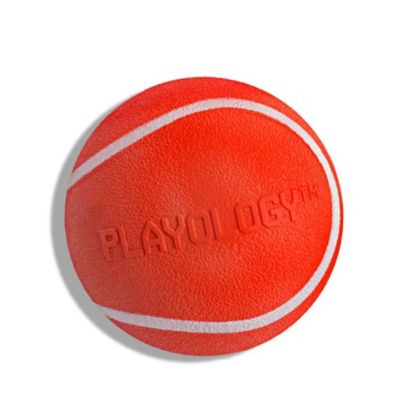
Material and intended use help separate a quiet-time chew from a toy meant for shared play. Rubber varies in density and flexibility, so its feel matters as much as its thickness. A substantial rubber toy that yields under pressure offers a different chewing experience from a rigid nylon shape, and neither material makes supervision optional. Very hard materials can fracture teeth; a surface that will not yield to a thumbnail is a reason to pause and check whether it suits the dog. Firm plastic or nylon pieces also need inspection for sharp edges, deep gouges, or fragments breaking away. Rope toys can be enjoyable for supervised tug, but loose strands are a swallowing concern and are not a good fit for a shepherd that picks fibers apart. Fabric and plush toys serve a different purpose, especially for dogs that like carrying something soft, and generally do not belong in the same role as a dedicated chew for a powerful mouth. Treat-dispensing chew toys combine chewing with food-seeking activity, giving a dog something to work on while the household takes care of chores nearby. Openings should suit the intended filling and allow thorough cleaning, and food tucked inside counts toward the dog’s daily intake. A portion of regular kibble may be enough to hold interest without adding a separate snack. For dogs that enjoy retrieving, a chew-friendly ball can support a game followed by a supervised rest, provided its size prevents it from lodging in the mouth or throat. Toys designed for chewing are not automatically suitable for tugging, throwing, or leaving with a dog alone. The stated purpose matters, particularly when a shepherd turns a gentle game into a hard pull. Edible chews are a separate category from reusable toys, with their own ingredients, feeding directions, and swallowing considerations.
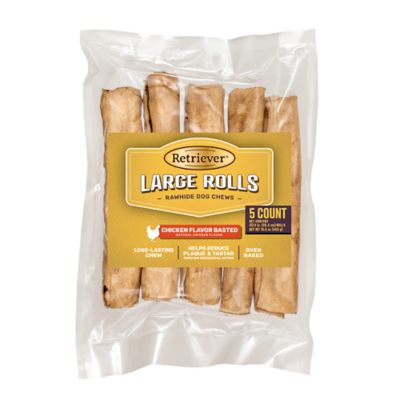
Dog Chews For Large Dogs offers a related place to explore that distinction when food-based chewing is part of the routine.
Everyday fit also comes down to how a chew toy works in the home and how easily it can be kept clean. A shape that rests between the paws can be handy for a shepherd stretching out on a washable mat near the family, while a rounded toy may roll across the floor and turn quiet chewing into a chase. Raised textures can change the feel against the gums, but chewing is not a replacement for toothbrushing or veterinary dental care. Deep grooves and hollow centers collect saliva, food, and grit, making access for washing an important consideration. Cleaning should follow the manufacturer’s directions, including any restrictions on dishwasher use, heat, or cleaning products. Food-filled toys need particular attention after each session, and thoroughly rinsed toys should dry before being put away. A quick inspection before and after play helps catch cracks, missing sections, loose fibers, exposed filling, or edges that have become rough enough to injure the mouth. A toy that has become small enough to swallow belongs out of reach, even if it remains a favorite. New chew toys are best introduced with someone nearby to see whether the dog mouths them gently, bites down hard, or immediately starts removing pieces. That first stretch of observation often says more than a package description about the match. In homes with more than one dog, separate chewing spaces can reduce competition and make it easier to keep each dog with an appropriately sized toy. Rotating a few suitable shapes can add interest without leaving every toy on the floor, while a designated resting spot helps make chewing part of settling down after exercise or training. Chew toys can also make thoughtful gifts for German Shepherd owners when the giver knows the dog’s size, age, and habits; checking those details matters more than choosing the toughest-looking shape. The most useful choice fits the individual dog, stands up to its style of chewing without becoming hazardous, and is easy for the owner to inspect and care for.