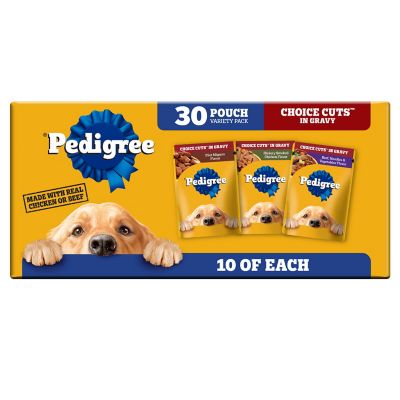
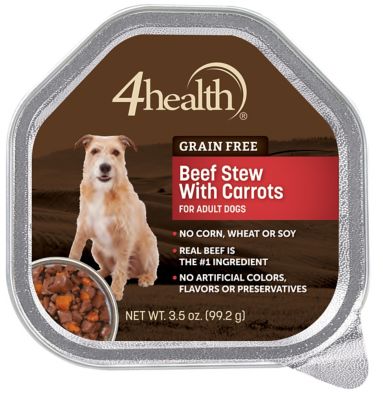
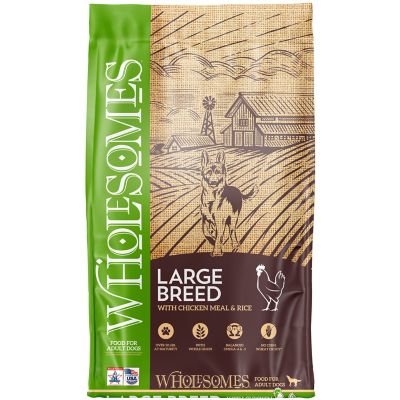
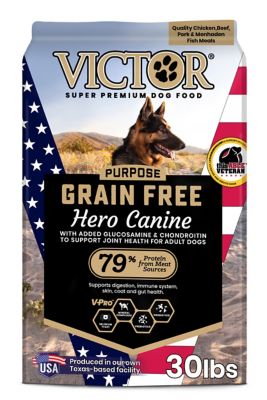
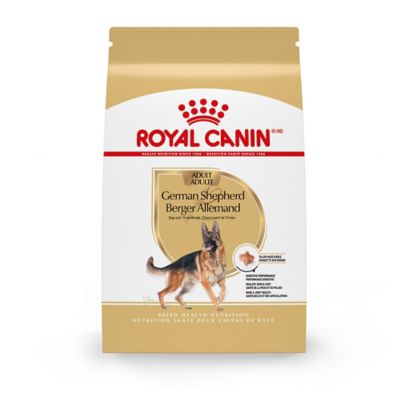
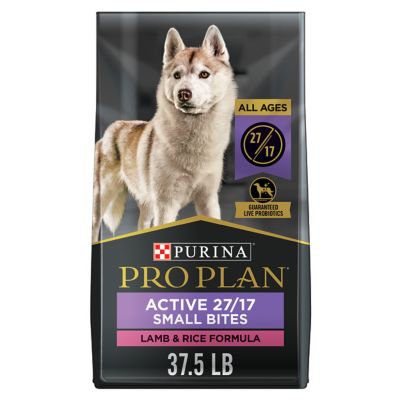
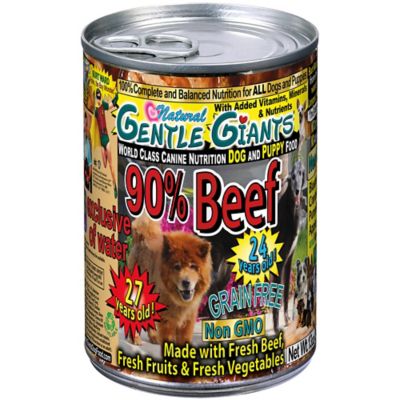
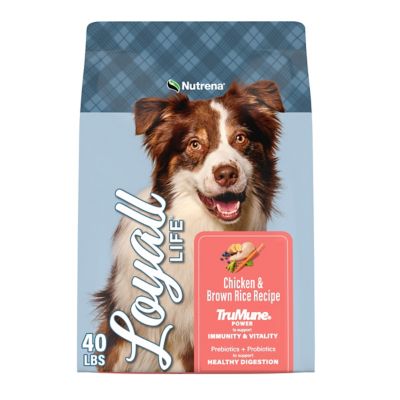
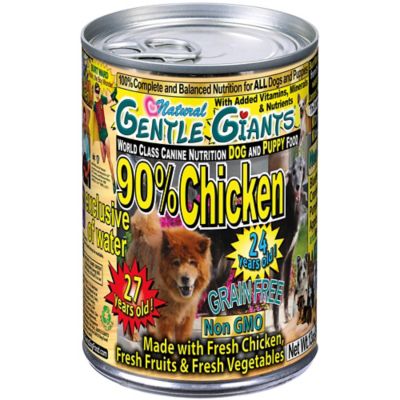
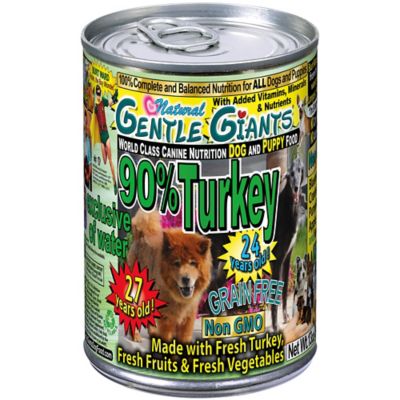
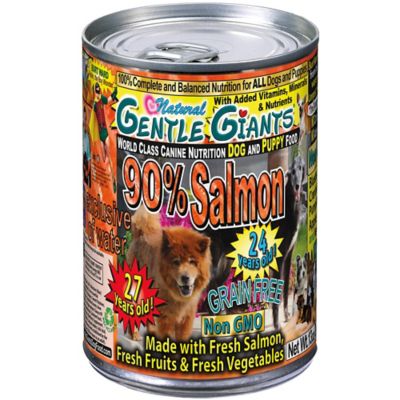
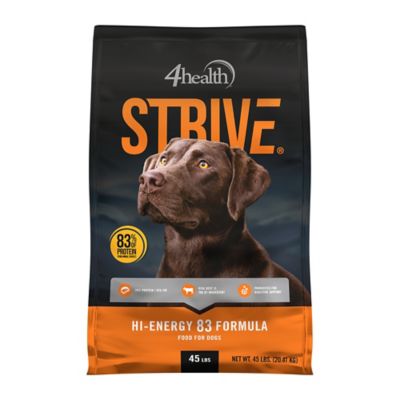
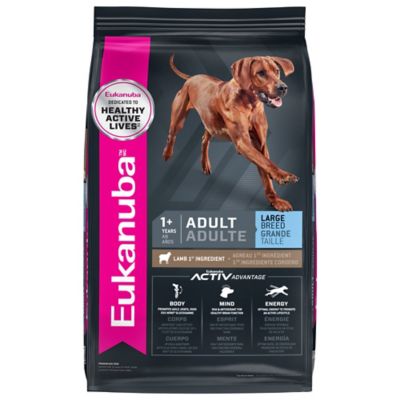
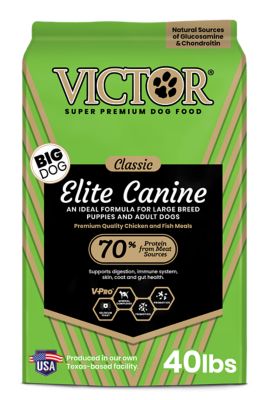
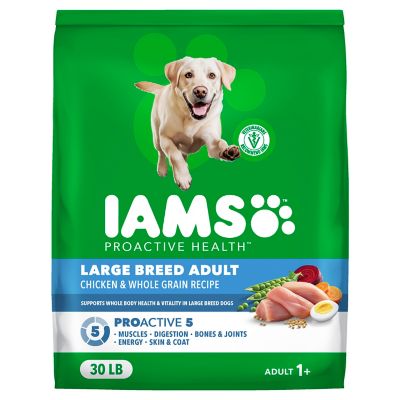
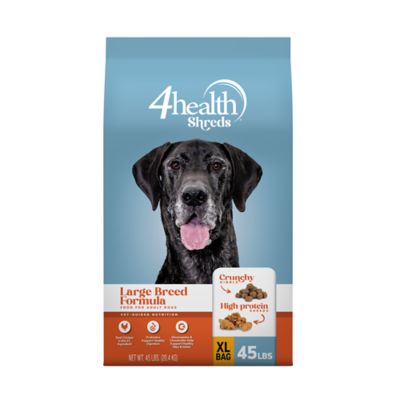
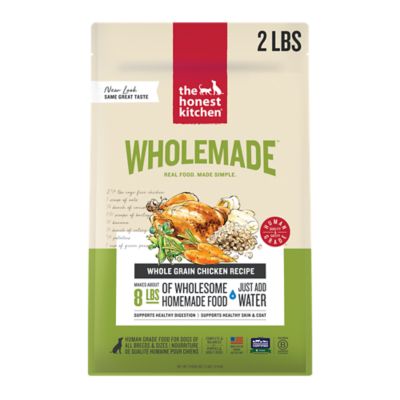
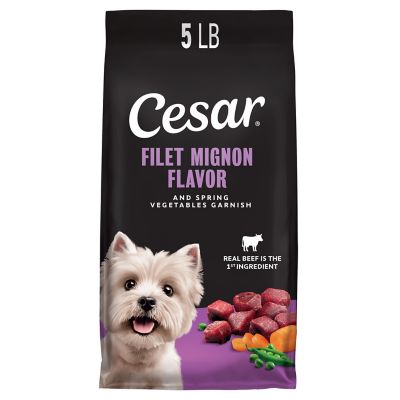
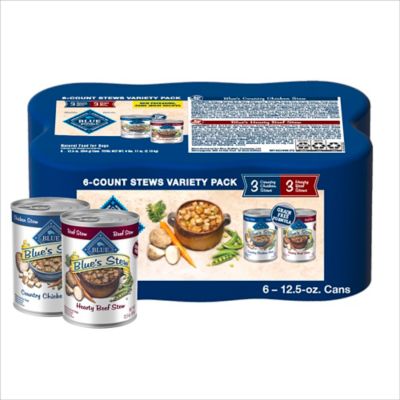
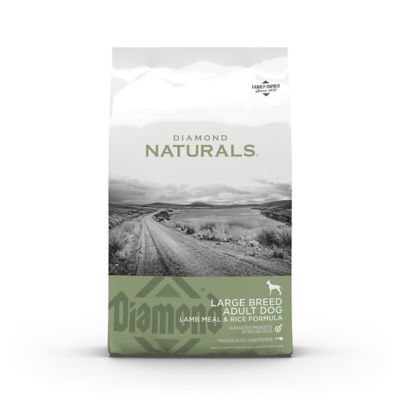
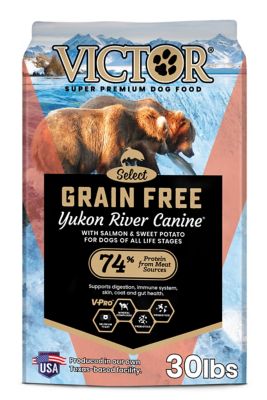
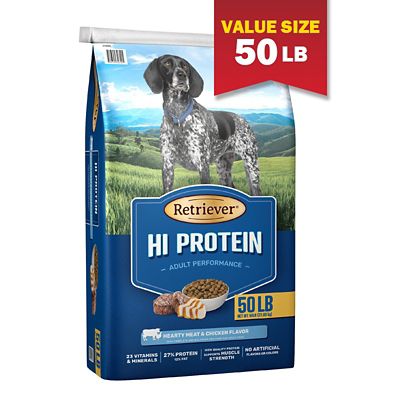
Dog food for German shepherds should provide complete and balanced nutrition for the dog’s life stage, with protein for muscle maintenance, appropriate fat for energy, and minerals that support healthy bones. Digestibility and calorie content matter, too, especially for a large dog that may spend part of the day checking fence lines with a handler and the rest stretched out beside the kitchen table. Animal proteins such as chicken, beef, lamb, and fish supply essential amino acids, while fats provide energy and help the body absorb certain vitamins. The right balance depends on age, activity, body condition, and individual health rather than breed alone. A working German shepherd covering plenty of ground may have different calorie needs than a companion whose routine centers on neighborhood walks and backyard play. Puppy nutrition deserves particular attention because growing bodies need controlled amounts of energy and minerals, not simply bigger servings of adult food. For puppies expected to reach 70 pounds or more at maturity, a nutritional adequacy statement that includes growth of large-size dogs helps identify food formulated for that growth stage. Calcium and phosphorus balance is especially important, and extra calcium should not be added unless a veterinarian recommends it. Adult maintenance food serves a different purpose, supplying everyday nutrition after growth is complete. Older German shepherds may benefit from adjustments based on muscle condition, activity, dental comfort, and medical needs; age alone does not determine the best formula. On the package, a complete and balanced statement referencing Association of American Feed Control Officials, or AAFCO, nutrient profiles or feeding trials offers more useful nutritional context than a breed picture on the front. Breed-focused food can be one option, but a suitable large-breed or general formula may also meet a German shepherd’s needs. The important fit is between the food’s nutritional purpose and the dog eating it. A veterinarian can help sort out that fit when growth, weight, or an existing health concern makes the choice less straightforward.
A food that agrees with a German shepherd’s stomach can make daily feeding a lot simpler. Some dogs have sensitive digestion, but loose stools, frequent gas, vomiting, or itching should not automatically be treated as a breed trait. Those signs can have several causes, and recurring trouble deserves a veterinary check rather than repeated food changes. For everyday comparisons, clear ingredient information and the food’s nutritional adequacy statement provide a practical starting point. Rice, oats, barley, and other grains can contribute digestible energy and nutrients; grain-free food is not automatically a better match for German shepherds. Likewise, a short ingredient list does not guarantee that a food will suit a particular dog. Formulas with dietary fiber or prebiotic ingredients may help support normal digestion, although the response varies from one dog to another. When a change is appropriate, gradually mixing the new food with the familiar food over about seven to ten days can help ease the transition, unless a veterinarian gives different directions. Food format also affects how a meal fits into the household routine. Dry kibble is straightforward to portion and store, while wet food provides more moisture and a softer texture. A combination can work when the total daily calories stay in line with the dog’s needs. Kibble size and shape may influence how comfortably a dog picks up and chews each mouthful, but dry food alone is not a substitute for dental care. Dogs that gulp meals may do better with measured portions offered in a suitable slow-feeding bowl. Fresh drinking water belongs alongside any feeding plan. For a dog that noses through breakfast before heading out for chores, or one that takes a little longer to settle at the bowl, appetite, stool consistency, and eating comfort offer useful clues about how well the routine is working.
Keeping a German shepherd lean is an important part of supporting comfortable movement and reducing unnecessary strain on large joints. Food containing omega-3 fatty acids may be part of that nutritional picture, and some formulas also include joint-support ingredients, but no ingredient replaces appropriate portions, regular activity, or veterinary care. Feeding directions on a bag or can are a starting point rather than a fixed allowance for every dog. Calories per cup or container can vary considerably, so matching scoop sizes alone can lead to feeding more or less than intended. A standard measuring cup or kitchen scale makes portions more consistent, and treats, training rewards, and meal toppers count toward the daily total. That matters for a smart, eager German shepherd earning bites during obedience practice, leash work, or a long session learning to settle around livestock. A visible waist from above and ribs that can be felt beneath a light covering of fat are useful body-condition clues, though a veterinarian can assess dogs with thick coats or changing muscle mass. Food care matters after the bag comes home, too. Dry food keeps best in its original bag, tightly closed and placed inside a clean, covered container in a cool, dry spot away from pests and household chemicals. Keeping the original packaging also preserves the lot information and feeding directions. Wet food should be covered and refrigerated after opening, following the package’s storage and serving instructions. Washing bowls regularly helps keep leftover food residue from building up. In a household with more than one large dog, separate feeding spaces make it easier to track portions and notice appetite changes. Families comparing meals for different breeds can also browse
Dog Food For American Bulldog, while keeping each dog’s age, size, and health needs in mind. The best everyday match is food that meets nutritional needs, suits the dog’s digestion, and fits a feeding routine the household can maintain.