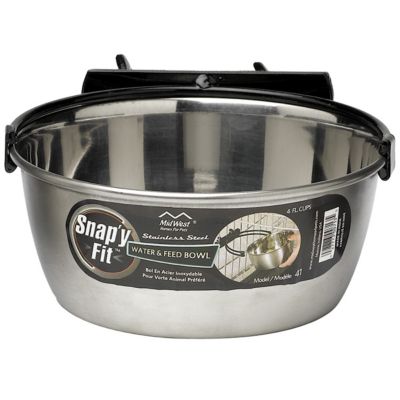
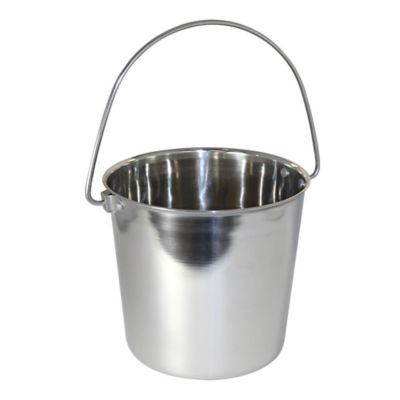
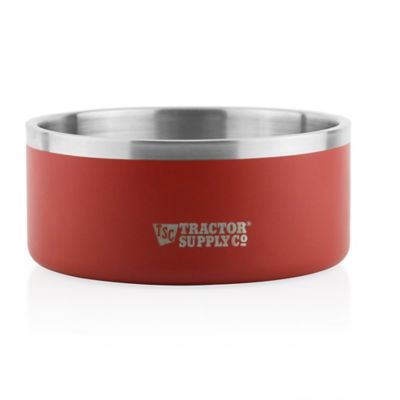
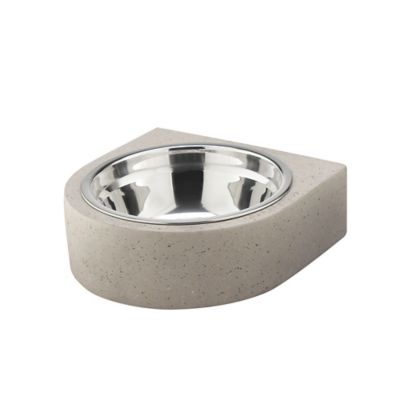
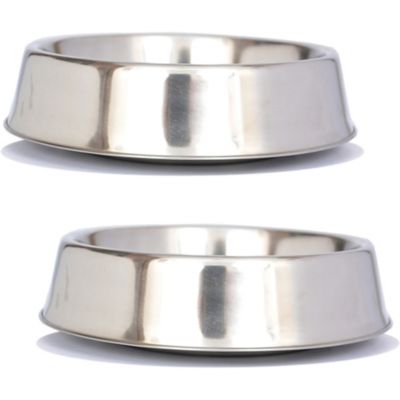
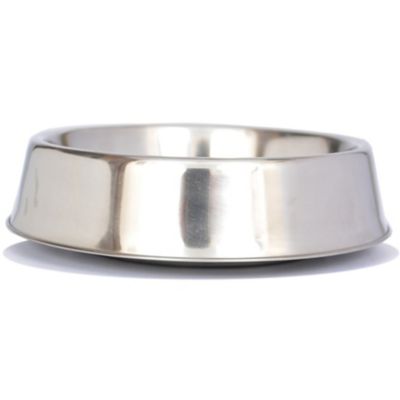
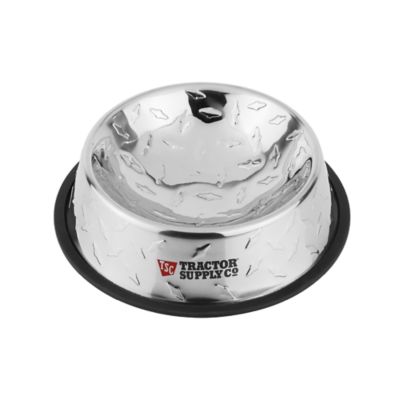
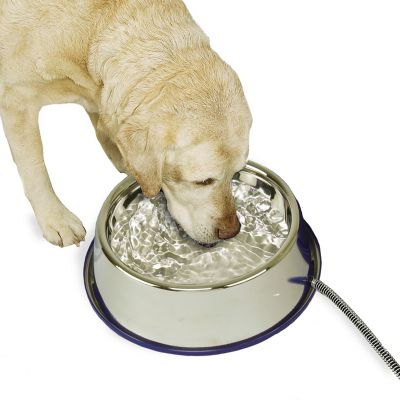
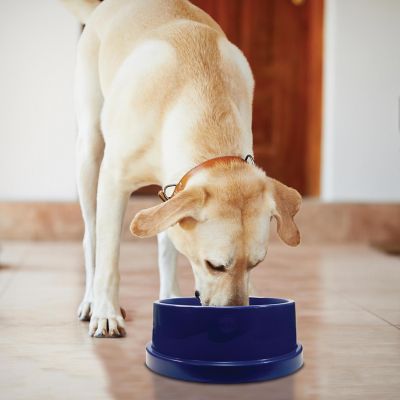
Metal dog bowls give dogs a straightforward place to eat and drink, whether the feeding spot is beside the kitchen cabinets, in the mudroom, or near the barn office. Stainless steel is a practical all-around choice for dog food and water because its nonporous surface resists rust and stands up to regular washing. It also doesn’t need a painted coating on the inside, where kibble, wet food, and drinking water make contact with the bowl. That smooth surface makes leftover food easier to spot and rinse away, though metal still needs a proper wash rather than just a quick refill. For a dog that carries an empty dish across the floor or noses it around after supper, the bowl’s construction matters as much as its appearance. Thicker walls generally hold their shape better than thin metal, while a rounded rim gives the dish a smooth edge for eating and handling. A flat bottom helps the bowl sit evenly, and a little extra weight can make a difference when an eager eater leans into dinner. Stainless steel bowls come in different finishes, from bright and polished to more muted surfaces that show fewer fingerprints. The finish is mostly a matter of preference; the important details are a smooth interior, sound construction, and no sharp edges or rough seams. Not every metal container belongs at a feeding station, either. Bowls intended for pet food and water are a better fit than a spare shop pan or a container with an unknown coating. Stainless steel resists corrosion, but it is not completely immune to damage. Rust spots, pitting, peeling coatings, and bent edges deserve attention, especially when a bowl has spent plenty of time being dragged across concrete or knocked around by a determined pup. A feeding dish should stay comfortable for the dog and easy for the person washing it.
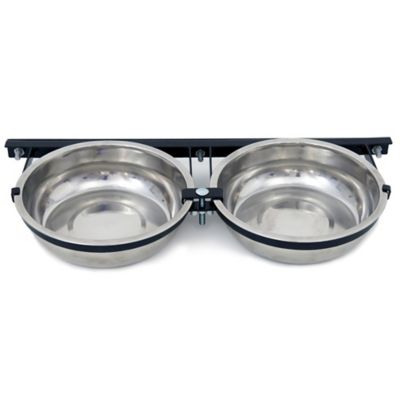
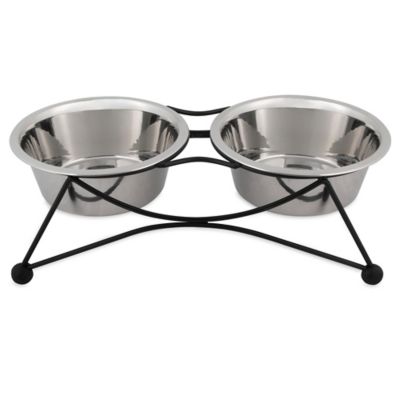
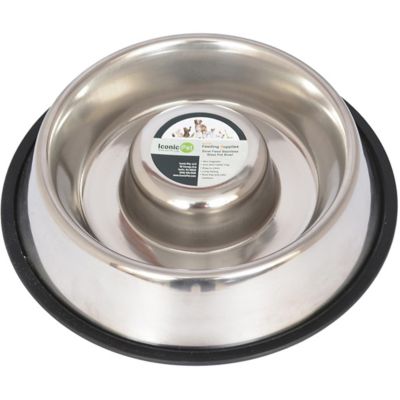
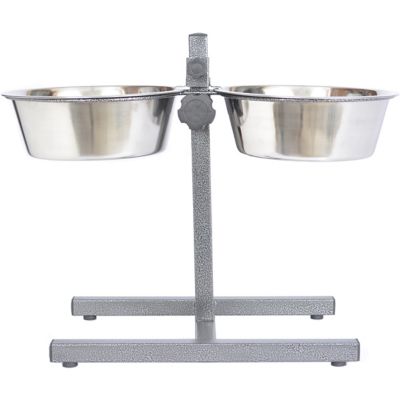
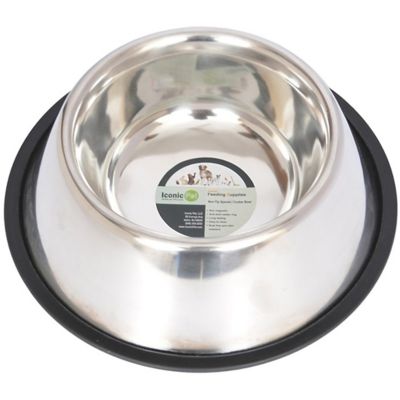
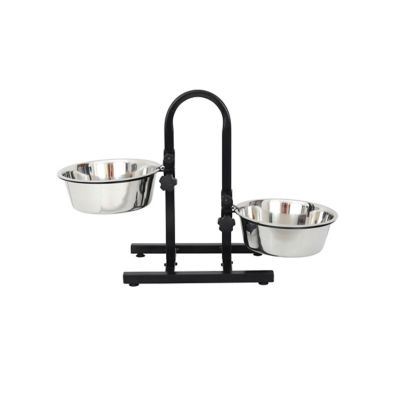
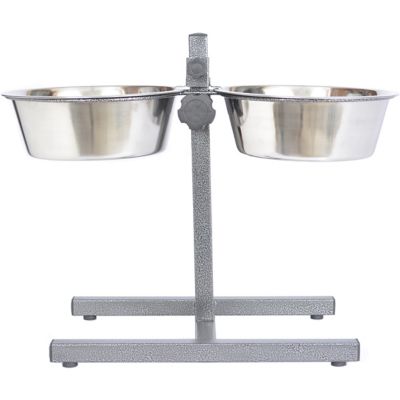
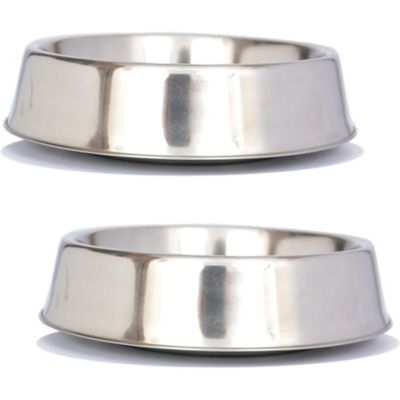
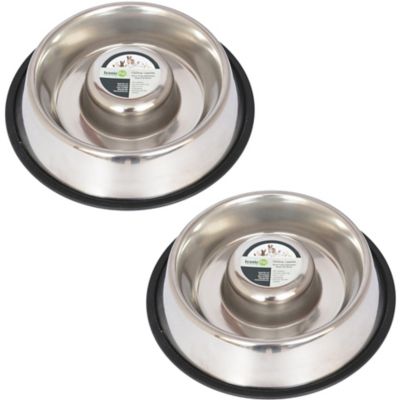
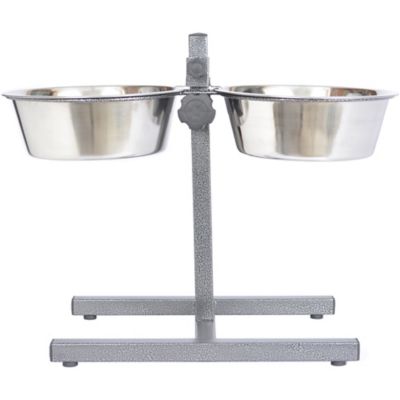
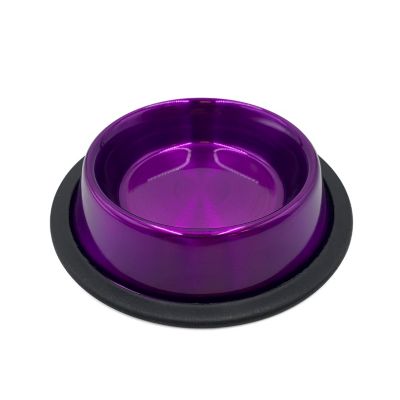
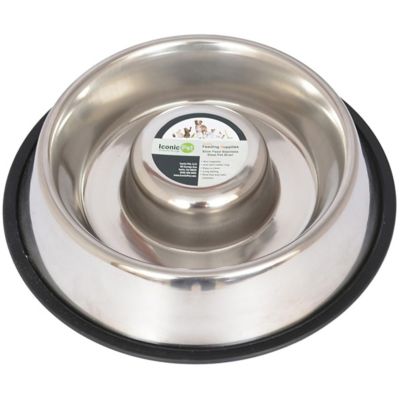
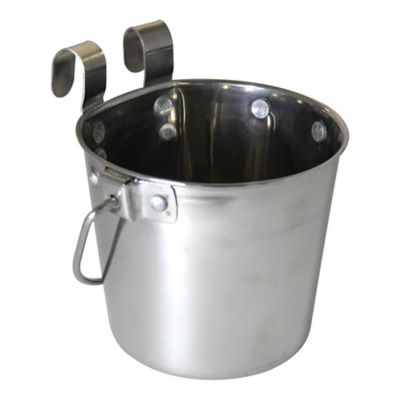
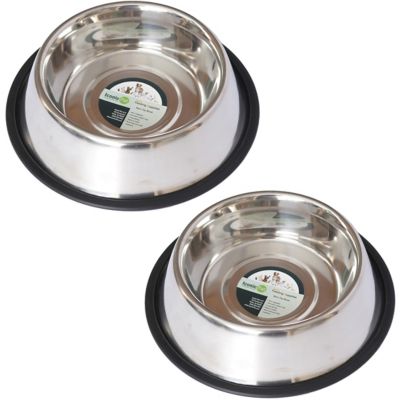
Size and shape have a lot to do with how a metal dog bowl works in everyday life. Capacity tells how much a bowl holds, but the width and depth determine how easily a dog can reach what is inside. A broad, shallow dish can give a short-muzzled dog more room to eat without pressing its face against tall sides. A narrower opening may help keep long ears out of dinner, provided the dog still has enough space to reach the food comfortably. Puppies need dishes they can get into without climbing over the rim, while a large dog needs room for its muzzle as well as its meal. Matching a food bowl to the dog’s measured portion leaves some space for eating without turning every mouthful into spilled kibble. Water needs a separate look: the right capacity depends on the dog’s size, activity, diet, and how often someone can check and refill the dish. Several dogs sharing a home may do better with more than one water station, so access does not depend on squeezing past another dog in a narrow doorway. A nonslip ring or broad rubber base can help keep a metal bowl from skittering across smooth flooring, although no base can stop every enthusiastic shove. Removable rings make it easier to clean the underside, where splashes and crumbs tend to collect. Bowls that fit into stands need a secure match between the rim and the holder rather than a loose fit that rattles or tips. Raised feeding setups are not automatically better for every dog; a veterinarian can help assess positioning when mobility or another health concern affects mealtime. For dogs that gulp their food, the layout of a slow-feeding bowl may matter more than the metal alone. Whatever the shape, comfortable access and a steady footing count for more than making every dish in the room match.
Daily care is what keeps a metal feeding setup ready for the next meal. Food bowls need washing after meals, and water bowls need daily washing and fresh water rather than repeated topping off. Dish soap, a soft sponge or brush, and a thorough rinse help clear away food residue and the slippery film that can develop inside a water dish. A bowl that looks shiny can still have buildup around its rim, beneath a rubber ring, or along the edge of a stand. Dishwasher care depends on the bowl and its attachments, so the care directions matter, especially for pieces with nonslip bases or coated exteriors. Letting each part dry before putting it back together helps keep moisture from lingering underneath. Steel wool and harsh scouring can scratch the surface, while cleaners that are not intended for food-contact surfaces do not belong in the feeding routine. A spare bowl makes the wash-and-swap routine simpler, particularly when a dog eats wet food or several animals have separate meals. For feeding spots that get plenty of paw traffic,
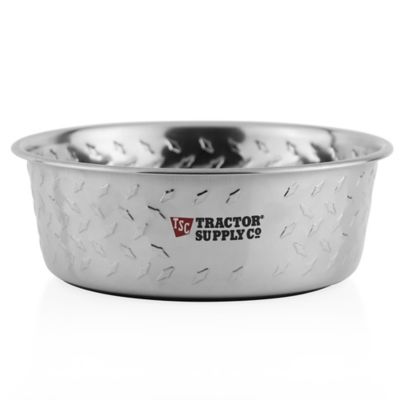
Heavy Duty Stainless Steel Dog Bowls are worth considering alongside the bowl’s weight, base design, and ease of cleaning. A heavier dish may suit a dog that pushes lighter bowls around, while a lighter metal bowl can be easier to carry between the house and a travel crate. For travel, keeping a separate clean dish with the leash and food container saves hauling the kitchen setup back and forth. At home, a washable mat beneath the bowls can catch drips without hiding puddles under the base, provided the mat gets cleaned too. Metal bowls also make a practical gift for someone bringing home a puppy or setting up a new feeding space, especially when the size suits the dog and the pieces are simple to wash. The best fit is a bowl that gives the dog comfortable access to food and water while fitting easily into the household’s daily chores.