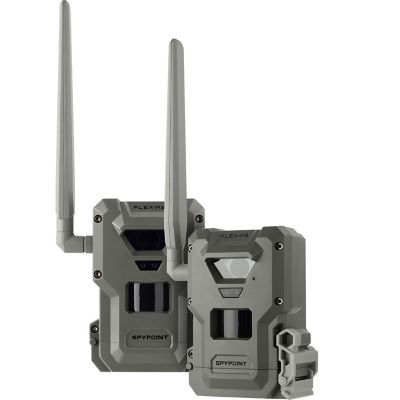
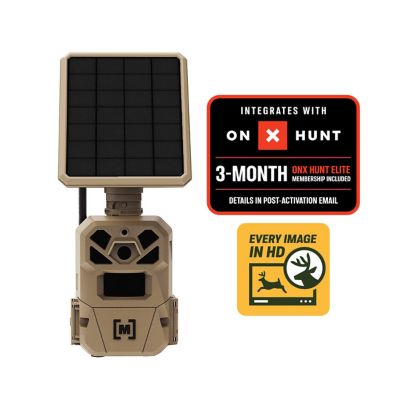
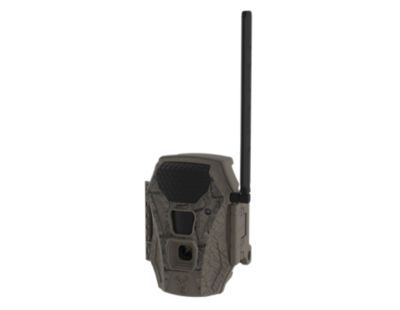
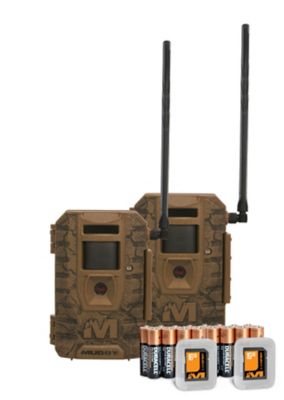
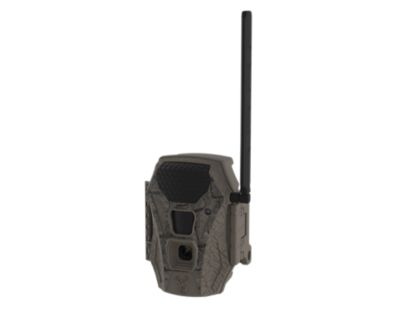
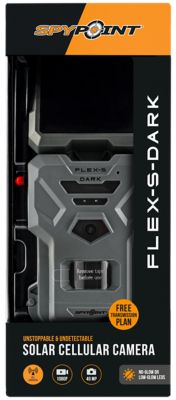
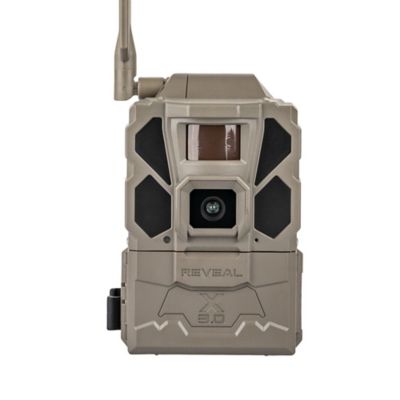
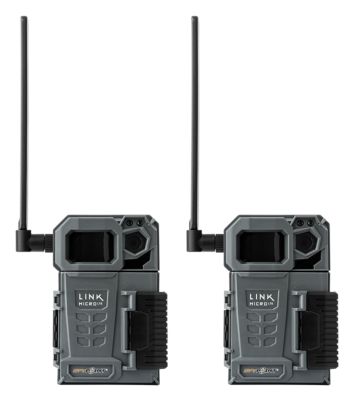
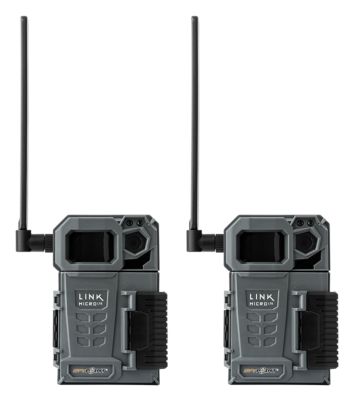
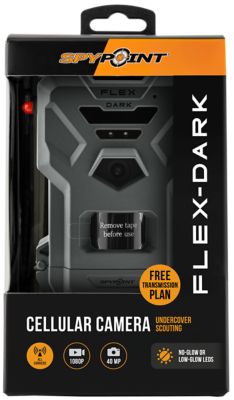
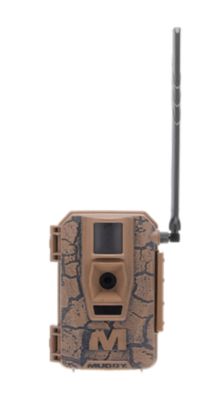
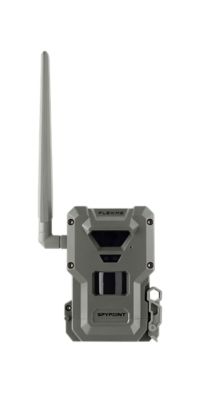
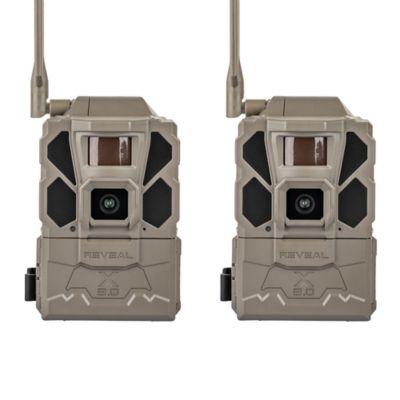
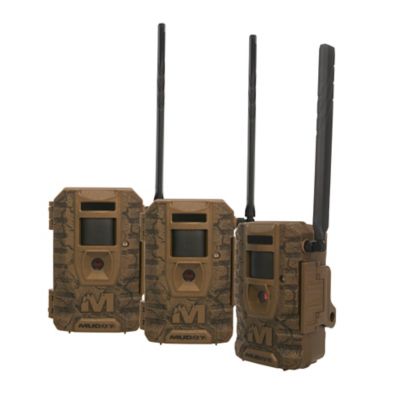
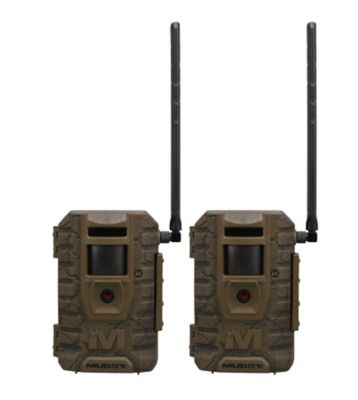
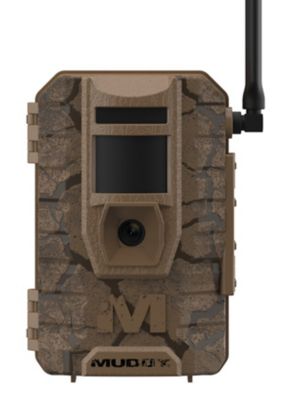
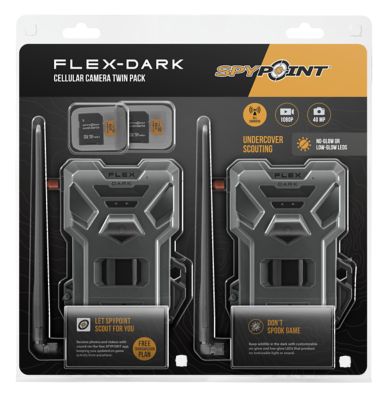
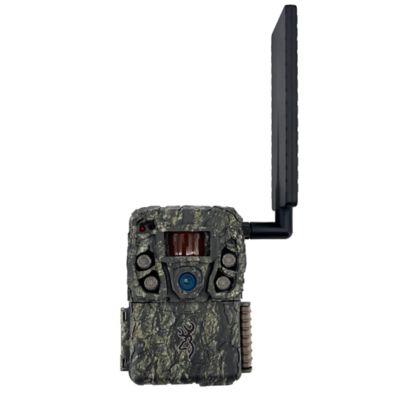
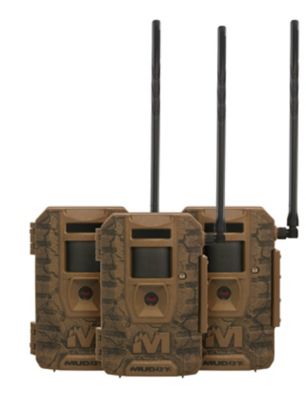
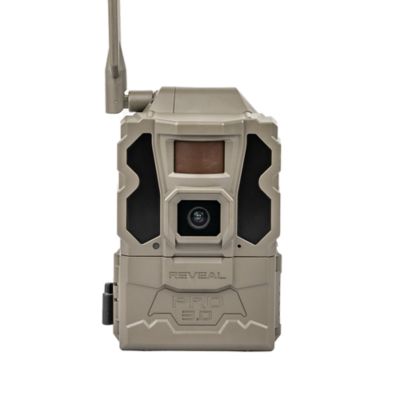
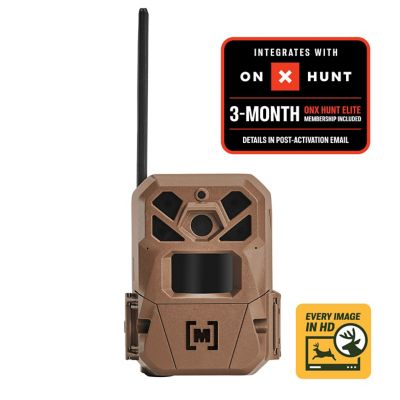
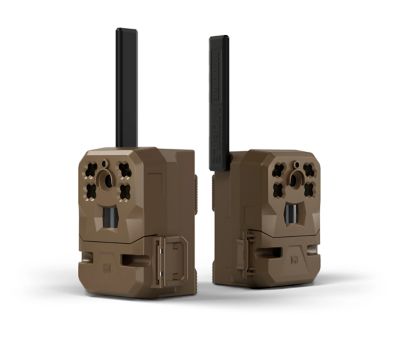
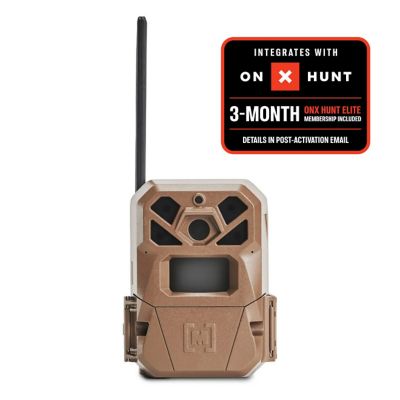
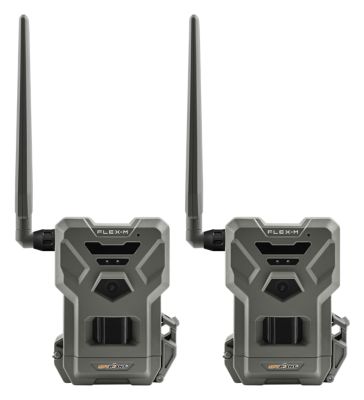
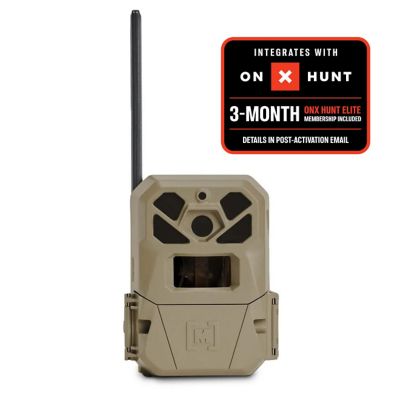
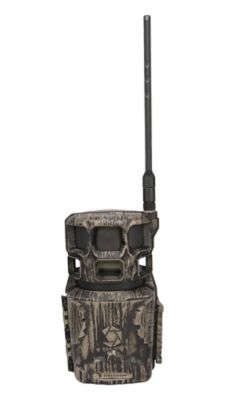
Cellular game cameras are motion-activated trail cameras that send wildlife photos, and video clips on supported models, to a phone app over a cellular network. Most connect through 4G LTE rather than home Wi-Fi, making them a practical fit for wooded trails, pasture edges and remote property with compatible cellular coverage. For hunters, landowners and folks who enjoy watching wildlife, that connection means fewer trips down a fence line or into a bedding area just to retrieve a memory card. A camera overlooking a narrow creek crossing can show when deer pass through, while one near a pasture gate can help document activity along an access road. Cellular trail cameras still need a signal where they sit, so network compatibility matters more than how many bars appear back at the house. Some cameras connect through one supported carrier, while others can select among supported networks; neither arrangement guarantees reception in every hollow or stretch of timber. The camera’s service does not necessarily need to match the carrier on your phone, since images typically reach the phone through the manufacturer’s app. Many models require activation and a separate cellular data subscription, with image allowances, video support and delivery settings varying by service. Scheduled uploads can gather pictures into batches, while more frequent transmissions can provide quicker updates and draw more power. Photo delivery is not the same as continuous live video, and video transmission or live viewing depends on the camera and its service features. Local storage also varies: some cameras accept a memory card, while others have built-in storage. Where supported, local recording can retain captures during a connection interruption, though later delivery depends on the system. These details help match a cellular game camera to the job, whether that means checking one deer trail or keeping an eye on several far-flung corners of a property.
The most useful camera features depend on what is likely to cross the lens and how much space the camera needs to cover. Trigger speed measures the delay between motion detection and image capture, so a faster response helps with a deer slipping across a narrow trail instead of lingering in a clearing. Recovery time is a separate consideration: it describes how quickly the camera can take another capture after the first event. Shorter recovery times and burst-photo settings can reveal more of a group moving through, rather than showing only the lead animal. Detection range describes how far the sensor can notice activity under suitable conditions, while flash range describes how far the nighttime illumination reaches; neither guarantees that every distant animal will appear clearly. Lens angle also matters. A wider view covers more ground, but an animal farther from the camera may occupy only a small part of the frame. Higher advertised megapixel counts alone do not tell the whole story, especially when an app receives a reduced-size preview instead of the full-resolution file. Detail, motion blur and nighttime exposure all affect how much a picture reveals. Infrared illumination supports nighttime captures without a bright white flash. Low-glow systems may show a faint red glow, while no-glow systems are designed to keep the illumination less visible. Black-and-white nighttime images are common. Outside the imaging system, molded plastic housings, snug battery compartments, protected ports and secure latches matter for a camera that spends long stretches on a tree or post. Mounting straps need enough length for the support, and threaded mounts need compatible hardware. A steady mount at an appropriate height helps keep the view on the trail instead of the ground. Bark, brush and tall grass can crowd the frame, while a lens facing a close obstruction can wash out nighttime pictures. Compact housings and subdued finishes can help a camera blend into a fence row without making it difficult to reach for routine checks.
Power and upkeep are worth considering alongside the picture-taking features, especially when the camera sits beyond an easy walk from the barn. Battery life depends on the camera, battery type, signal strength, number of captures and transmission settings. A busy crossing with frequent video uploads can draw considerably more power than a quiet trail with scheduled photo delivery. Supported lithium batteries, rechargeable packs, external power supplies and solar accessories offer different ways to keep a camera running, but compatibility matters. Battery chemistry, voltage, connectors and charging requirements need to match the manufacturer’s specifications; a rechargeable pack and a tray of replaceable batteries are not interchangeable just because they fit inside the housing. Solar charging can reduce battery-change trips when a compatible panel has enough unobstructed sunlight, but it does not eliminate the need to check power status. Simple care helps keep equipment ready for the next capture. A clean lens and sensor window, intact compartment seals and ports free of dirt support clearer images and proper operation. Straps and brackets also deserve a look during visits, particularly on a growing tree or a frequently opened gate. App features such as battery indicators, signal status, timestamps and camera names can make several locations easier to manage, where those features are supported. Naming cameras for familiar landmarks—a back pasture, creek bend or north gate—keeps incoming pictures easier to sort. For property monitoring focused on entrances, buildings or broader remote-viewing features, a
Cellular Security Camera may be a better match than a wildlife-focused trail camera, depending on its capabilities. Cameras should stay on property where placement is permitted and point away from neighboring private spaces. For a hunter, rancher or wildlife watcher receiving one as a gift, the best fit comes down to local coverage, straightforward app access and a power setup suited to the location. A well-matched cellular game camera can bring a clearer picture of the land’s daily traffic without turning every check into a drive across the property.