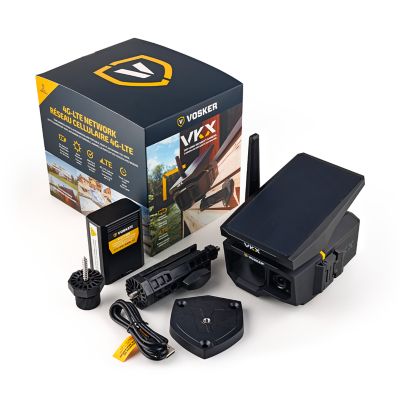
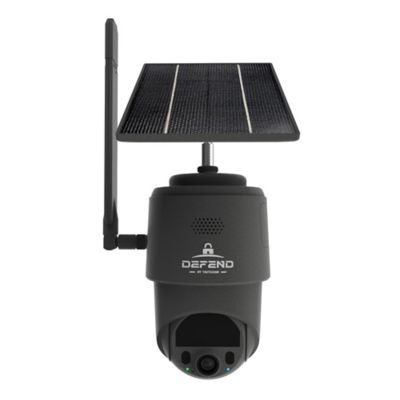
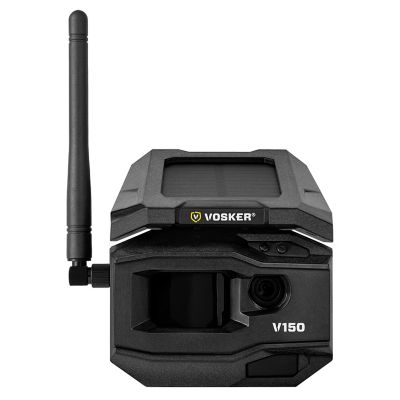
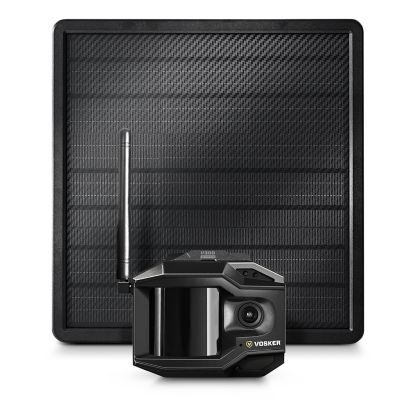
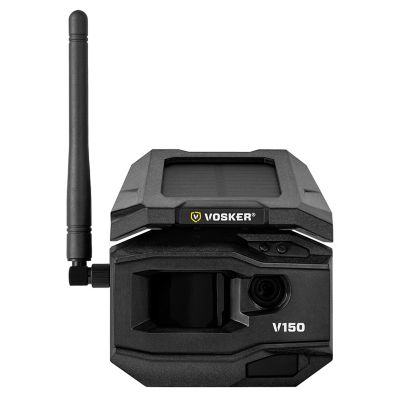
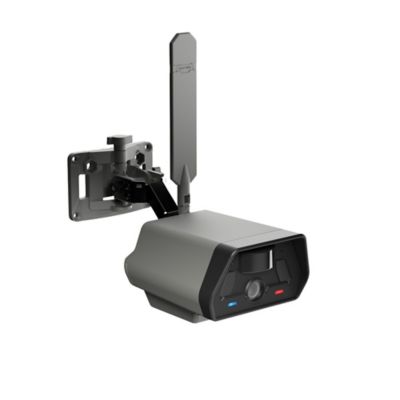
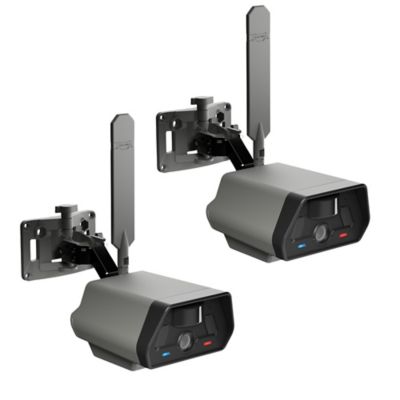
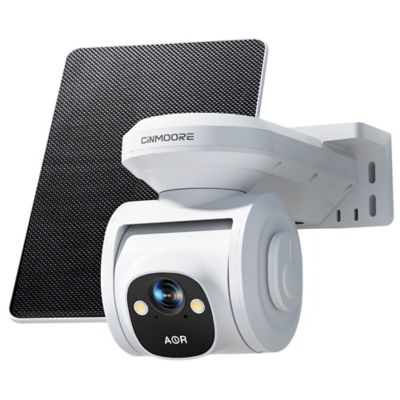
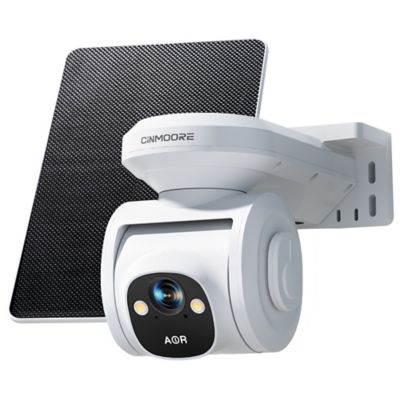
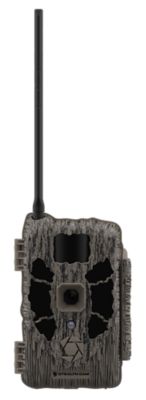
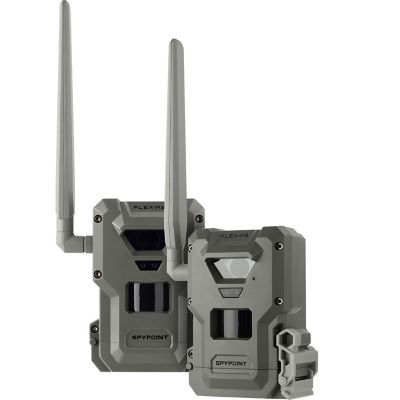
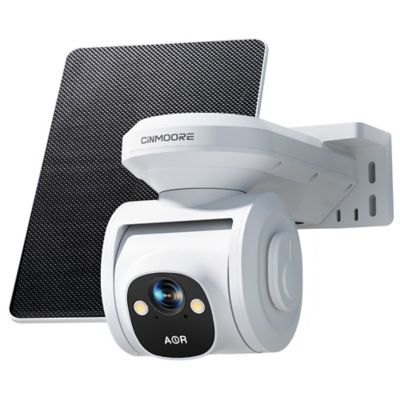
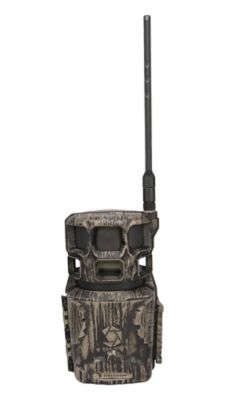
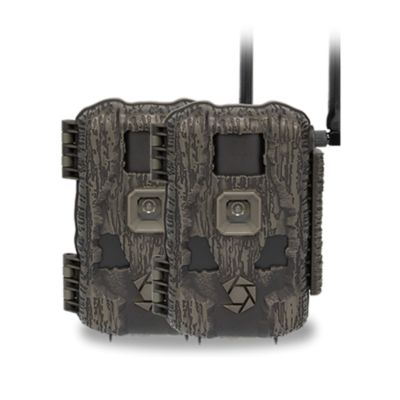
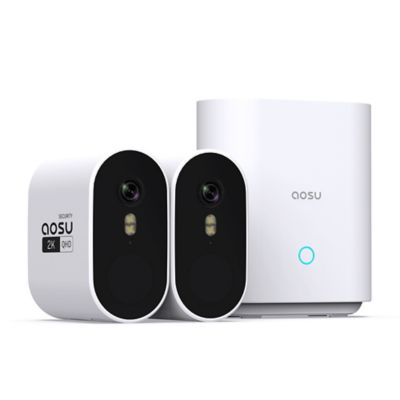
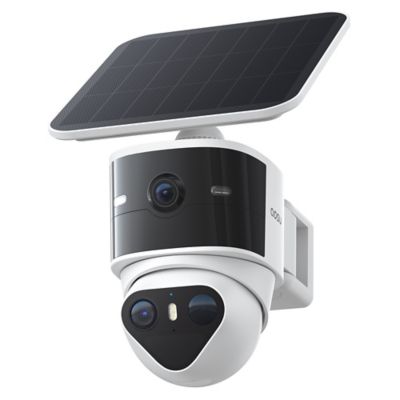
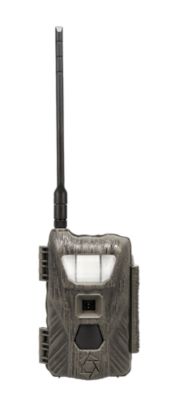
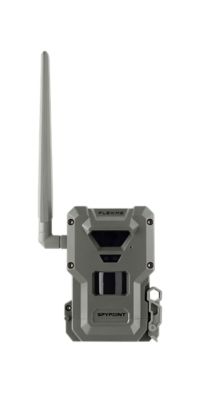
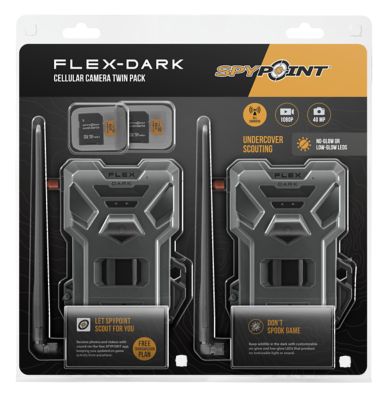
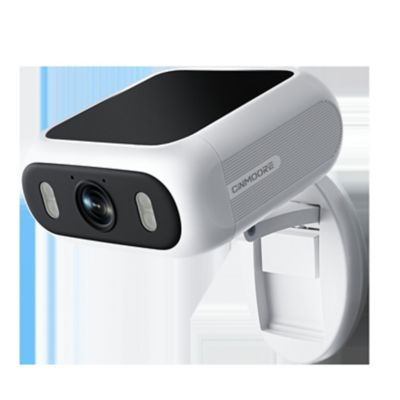
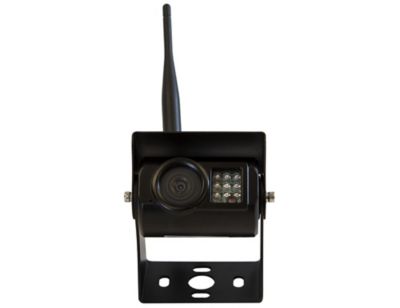
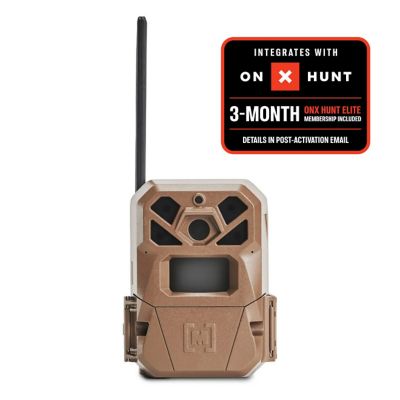
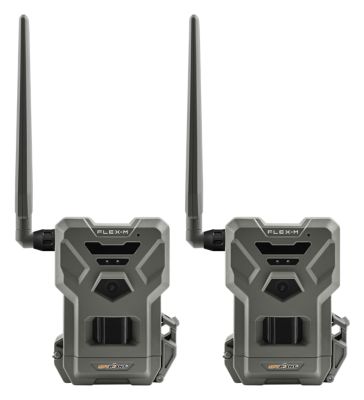
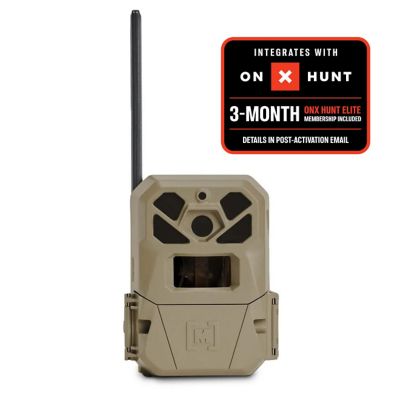
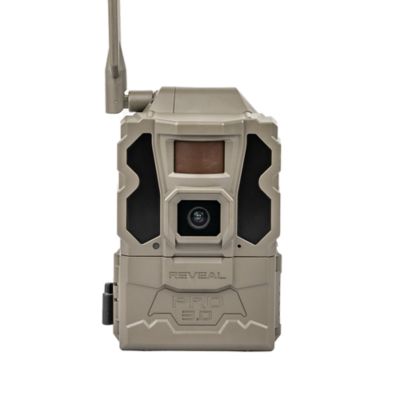
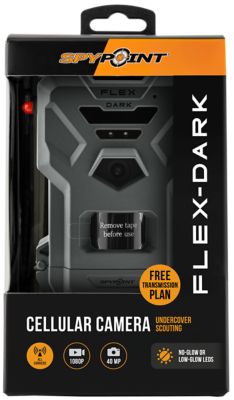
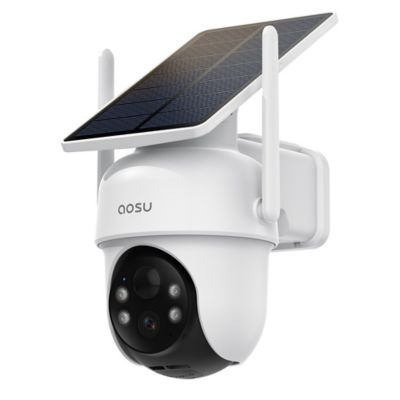
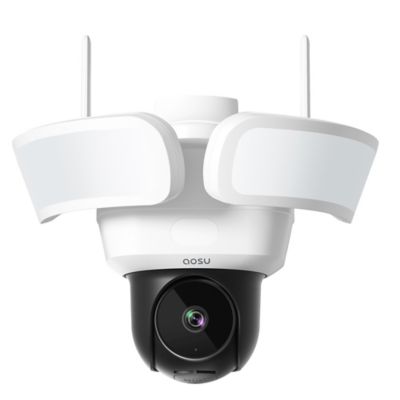
A cellular security camera sends video, motion alerts, and other supported notifications over a mobile data network instead of relying on a Wi-Fi router. That makes it a practical option for a pasture entrance, equipment yard, detached barn, cabin, or jobsite beyond the reach of a home internet connection. A camera overlooking a farm gate can help show when a delivery truck arrives, while one near a tool shed can provide a view of activity around the doorway. Many models offer remote viewing through a phone app, so checking the property does not always mean driving down the lane. Cellular service and a power source are still necessary; a camera cannot send live video from a spot without a compatible network signal. Carrier compatibility matters just as much as coverage. A camera that operates on 4G LTE needs support for the appropriate network, and its SIM card or activation process may be tied to a particular service. An active data plan is generally required, whether service is arranged through the camera provider or a supported carrier. A phone showing reception near the intended mounting location offers a starting point, but it does not guarantee the camera will connect equally well, especially if the devices operate on different networks. Metal siding, terrain, and the distance to a cell tower can affect reception. An external antenna may help with placement on models that support one, but it cannot create service where none exists. For a barn or workshop within strong router range, a
Wi-Fi security camera may be a better fit. Cellular cameras serve a different need: keeping a connection to places where running internet service or extending Wi-Fi is impractical. That distinction is especially helpful on properties with several buildings spread across substantial acreage.
The most useful view depends on what needs watching and how far that activity sits from the lens. A wide-angle camera can cover a broad equipment parking area, but a wider view also makes distant people and vehicles appear smaller. Higher resolution can preserve more detail, though resolution alone does not determine whether a face or license plate will be readable. Distance, lighting, movement, lens design, and recording settings all play a part. Pan-and-tilt models offer a way to look around from the app, while a fixed-view camera keeps its attention on one entrance or stretch of fence. A rotating camera still sees only the direction its lens faces at that moment, so its range of movement is not the same as watching every direction at once. Night vision is another important distinction. Infrared illumination generally produces black-and-white images in darkness, while color recording may depend on a built-in light or sufficient surrounding light. Published illumination ranges and motion-detection ranges describe different capabilities, and neither should be mistaken for a promise of fine detail at the far edge of a property. Motion alerts are most helpful when they match the activity that matters. Depending on the model, person or vehicle detection and adjustable activity zones can narrow attention to a driveway instead of every moving branch or passing animal. These features can reduce unwanted notifications without eliminating them entirely. Two-way audio, when supported, lets someone speak with a visitor through the camera, although microphone pickup and speaker volume vary. Mounting height and angle also affect the result. A camera placed high under a barn overhang may cover the entrance well but show mostly the tops of hats. A firm mounting surface, an unobstructed lens, and a view aimed toward the approach can matter more than a long list of features.
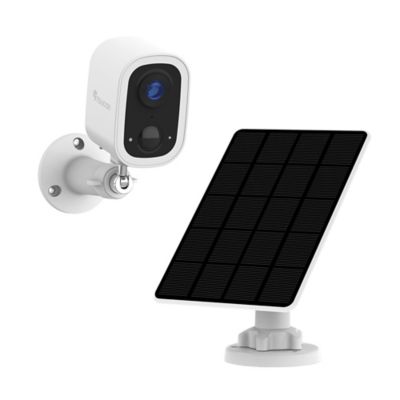
Power, recording options, and upkeep deserve the same attention as the picture on the screen. Rechargeable battery models suit locations without an outlet, but their time between charges depends on motion activity, recording length, live viewing, signal strength, and other settings. A busy lane can trigger far more recordings than a seldom-opened storage building. A compatible solar panel can help replenish a battery where it receives enough direct sunlight, but panel placement and the camera’s power needs determine how much charging it provides. Solar charging does not guarantee uninterrupted operation, and occasional battery checks may still be necessary. Plug-in models need an appropriate electrical connection, with cords and connectors positioned away from livestock, equipment traffic, and places where they could be pinched. For exposed installations, enclosure construction and the manufacturer’s stated protection rating matter more than appearance. Molded plastic and metal housings have different mounting requirements, and seals, port covers, brackets, and cable connections all contribute to protection from dust and moisture. A protection rating does not mean a camera can be submerged or cleaned with a pressure washer. Routine care generally includes wiping the lens with a soft cloth, checking fasteners, clearing the view, and following the manufacturer’s charging and cleaning directions. Recording arrangements vary as well. Some cameras save clips to a compatible memory card, some send recordings to cloud storage, and some support both. Remote access, playback history, and advanced detection features may require an active service plan. Local recording during a network interruption is model-dependent, so that capability deserves a close look for a distant property. Account security matters, too: a strong password, multifactor authentication when offered, and software updates help protect access. Thoughtful placement keeps attention on gates, buildings, and equipment rather than neighboring private spaces. For farmers, landowners, contractors, and cabin owners, the best fit brings together suitable coverage, manageable power needs, and a clear view of the places that matter.