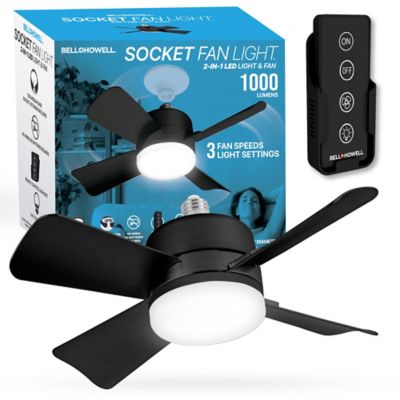
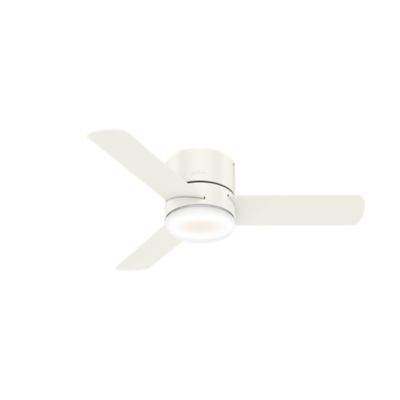
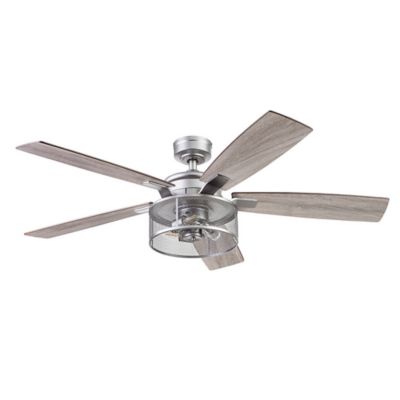
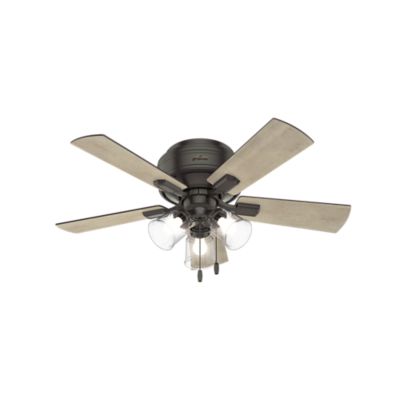
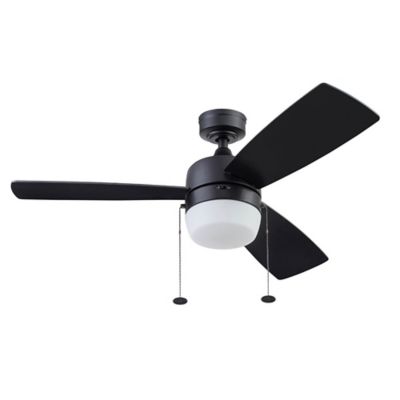
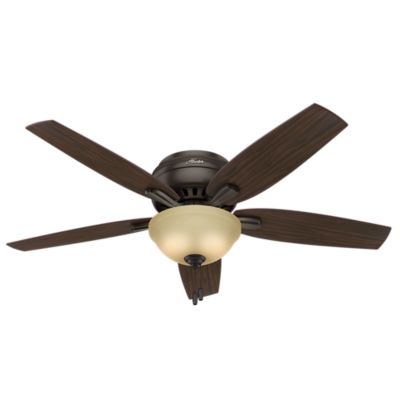
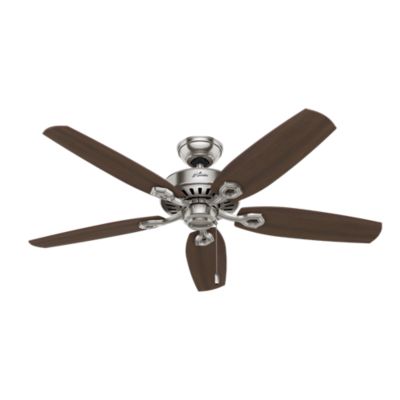
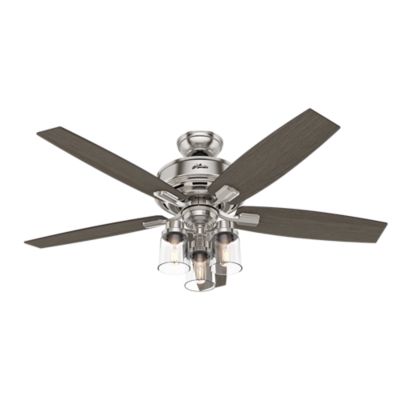
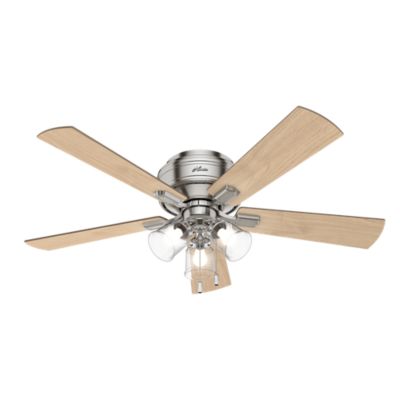
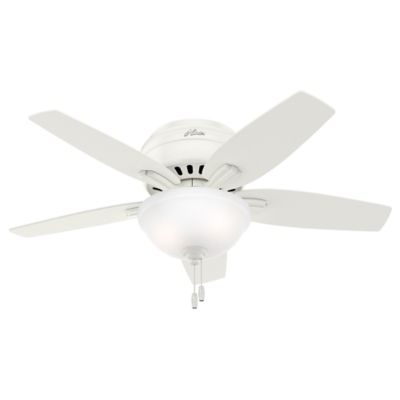
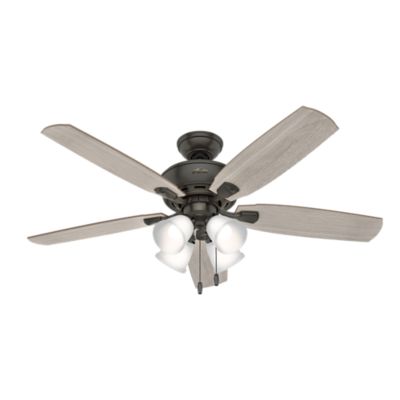
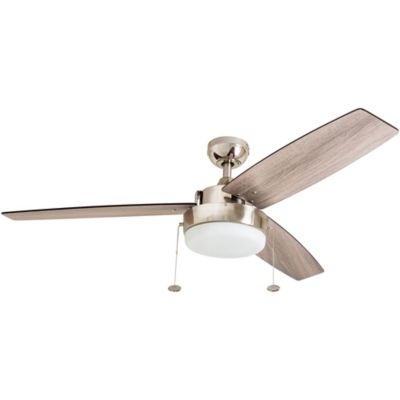
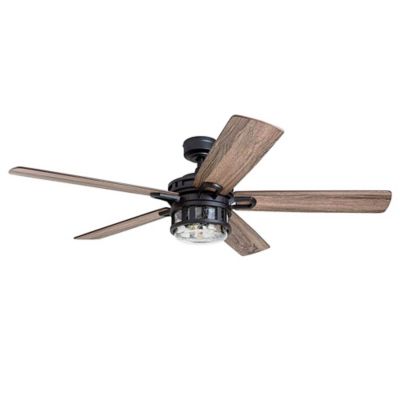
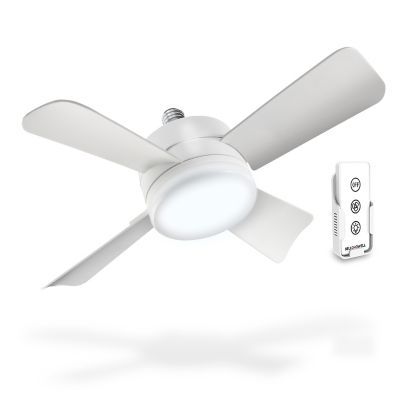
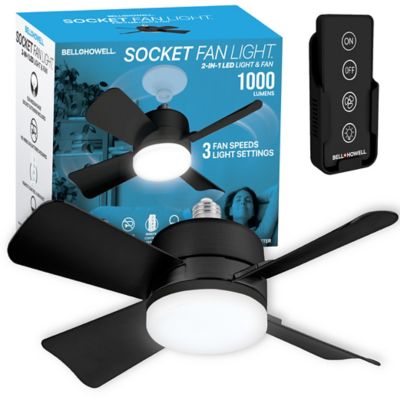
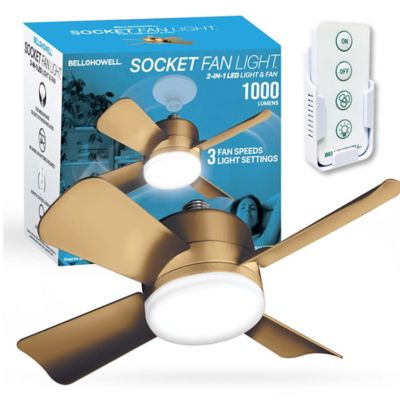
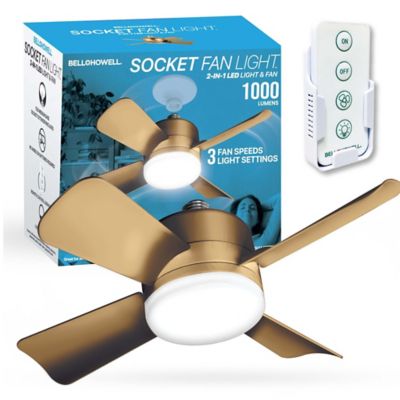
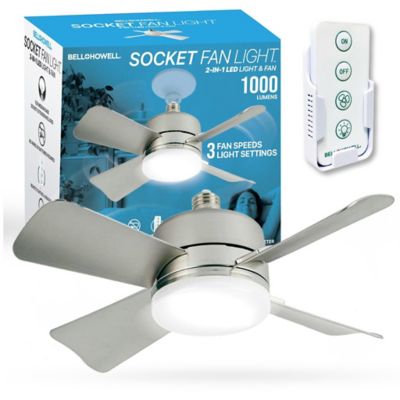
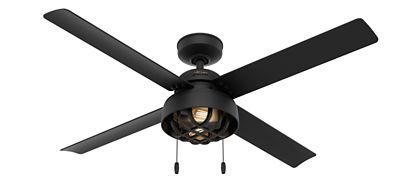
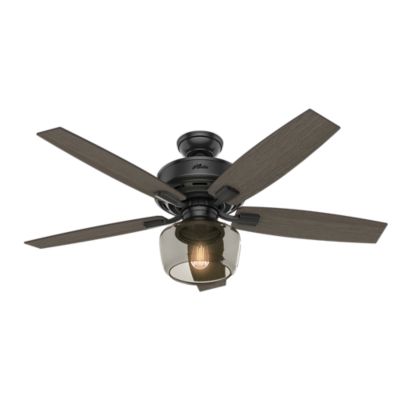
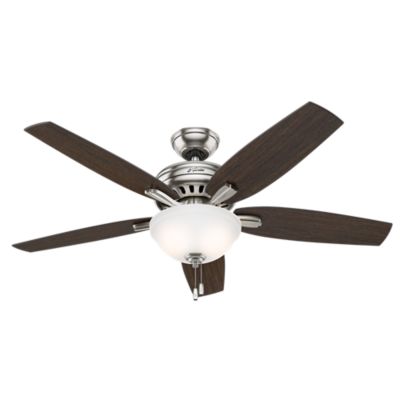
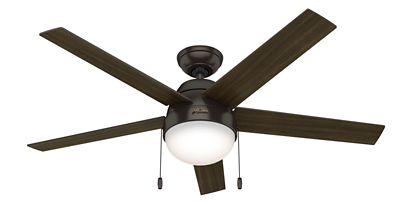
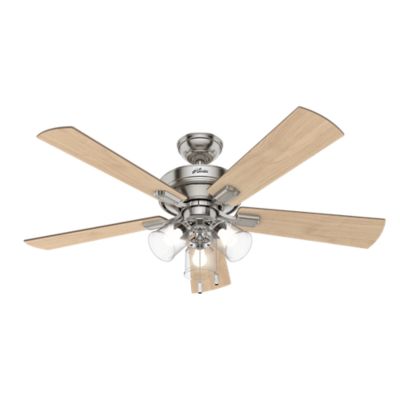
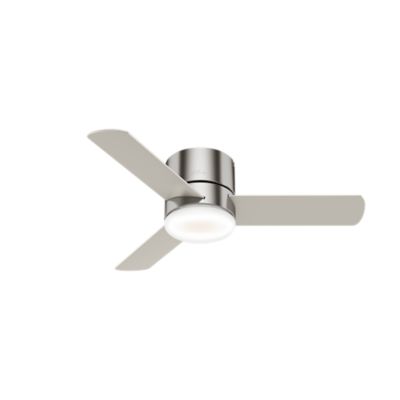
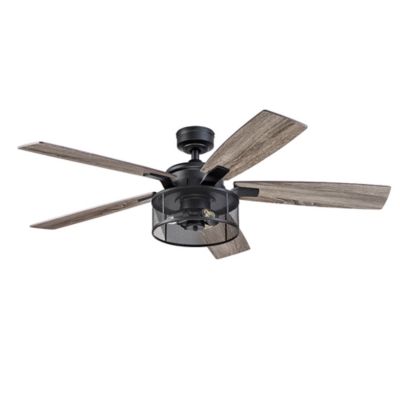
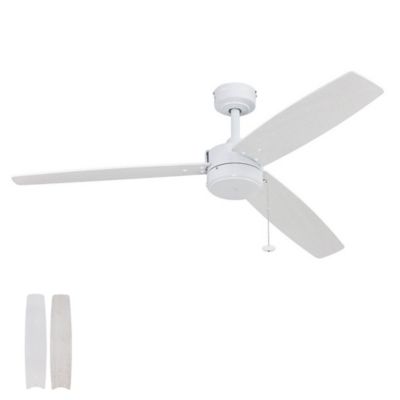
Fan lights for bedrooms bring two everyday needs together in one ceiling fixture: a steady breeze for better comfort and overhead light for getting dressed, reading, folding laundry, or finding a stray boot after dark. They can be a handy choice for farmhouse bedrooms, guest rooms, kids’ rooms, apartment bedrooms, and workspaces that pull double duty. As the weather warms, moving air can help a room feel less stuffy without relying as heavily on air conditioning. During cooler months, many ceiling fans can be run in reverse at a low speed to help circulate warm air that naturally rises toward the ceiling. When shopping, start with the room’s size and ceiling height. A fan around 44 to 52 inches generally suits many standard bedrooms measuring roughly 140 to 225 square feet, while compact enclosed fans in the 20- to 28-inch range can work well in smaller rooms, narrow spaces, or bedrooms with limited clearance. A low-profile or flush-mount design keeps the housing close to the ceiling, making it a sensible fit for rooms with eight-foot ceilings or other low overhead space. For vaulted or sloped ceilings, check whether the fan supports an angled-ceiling installation and whether an extension rod or additional mounting hardware is needed. Leave enough clearance from walls, tall furniture, and bunk beds so the blades can turn freely and the airflow can spread across the room. Measuring before choosing helps prevent a fixture from looking cramped in a small room or getting lost in a large bedroom.
The motor has a noticeable effect on how a bedroom fan feels at bedtime. AC motors are a familiar, dependable choice and commonly offer several speed settings, while energy-efficient DC motors are often valued for quiet operation, smoother speed changes, and a wider range of airflow adjustments. In a bedroom, even a small hum can stand out when the house settles down for the night, so look for a design described as quiet or whisper-quiet if peaceful sleep is a priority. Blade count, blade pitch, and room layout also affect air movement, so a fan’s largest size is not automatically the best choice. A properly sized fan should move enough air to keep the room comfortable without creating a harsh draft over the bed. The light deserves just as much attention as the fan itself. Integrated LED lighting can provide bright, even illumination while using less energy than many older bulb types, and dimming capability makes it easier to shift from getting-ready light to a softer setting for winding down. Adjustable color temperature can be useful in a bedroom, with cooler white light helping with morning routines and warmer light creating a more relaxed feel in the evening. Some fixtures include a nightlight mode, memory settings, or a separate light control, which can be helpful for children, overnight guests, and anyone who prefers a gentle glow instead of a bright ceiling light. If you prefer a fixture with a different shape or a simpler lighting setup, browse
Bedroom Flush Mount Ceiling Lights for additional low-profile bedroom lighting ideas.
Control options can make a bigger difference than expected, especially when the fan is mounted above the bed. A handheld remote lets you adjust the speed, light level, direction, or timer without getting up, while wall controls provide a familiar option near the bedroom door. Smart models may connect with an app or compatible home system for scheduling and voice control, though it is worth checking network requirements and whether the fixture still includes a physical remote or wall-control option. Look for separate buttons or settings for the fan and light so turning off the lamp does not stop the airflow. A timer can be useful for falling asleep, and a memory feature can save a preferred light level for daily routines. Style matters, too. A clean, simple finish can blend into a modern bedroom, while warm wood tones, darker finishes, or classic detailing can suit rustic, country, or farmhouse décor. Fan lights can also make thoughtful housewarming gifts, wedding gifts, or practical presents for someone setting up a guest room, nursery, college apartment, or first home. Before installation, confirm the ceiling box is rated to support a fan, follow the manufacturer’s instructions, and use a qualified electrician when wiring is outside your comfort level. Consider the direction of the blades, the location of the bed, the position of dressers and doors, and whether a pull chain, remote, or wall switch will be easiest to reach. With the right size, quiet motor, useful lighting, and controls that fit the room, a bedroom fan light can provide comfortable airflow and dependable illumination through changing seasons without taking up floor space.