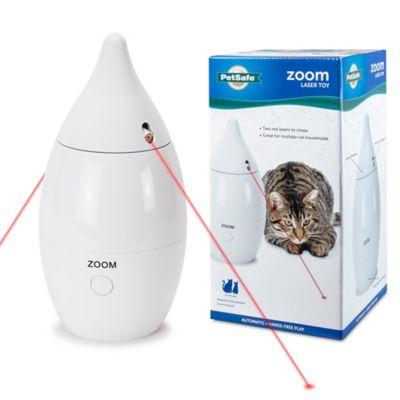
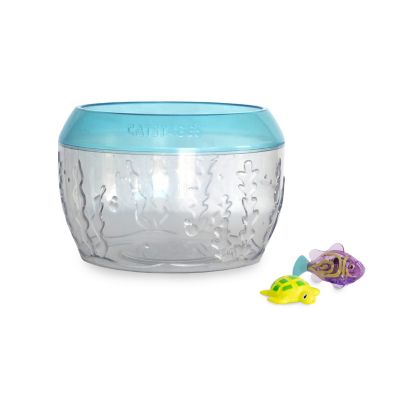
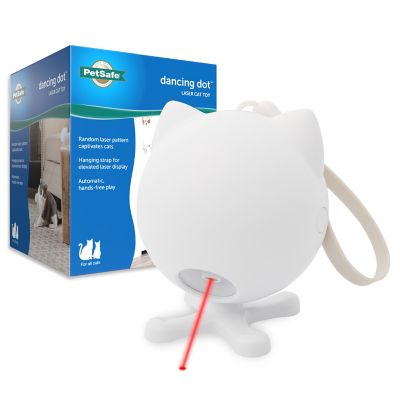
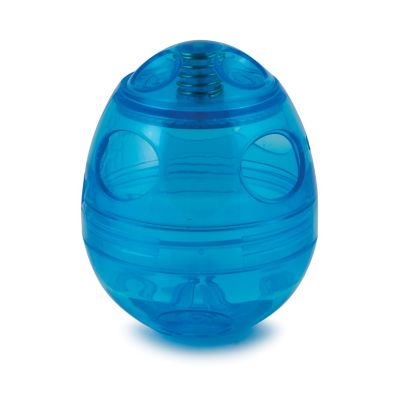
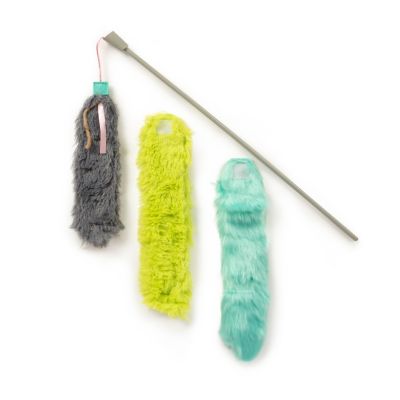
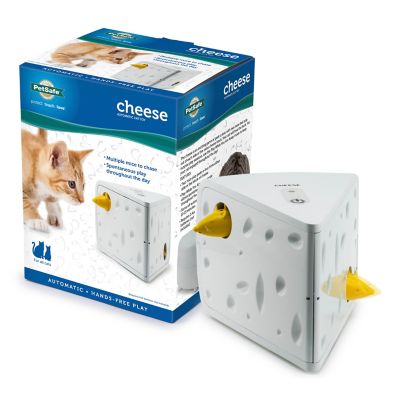
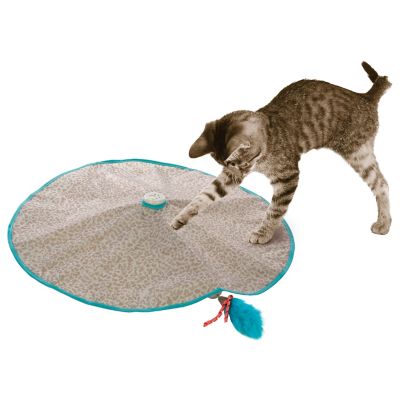
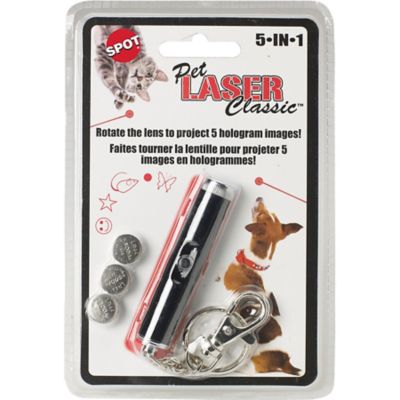
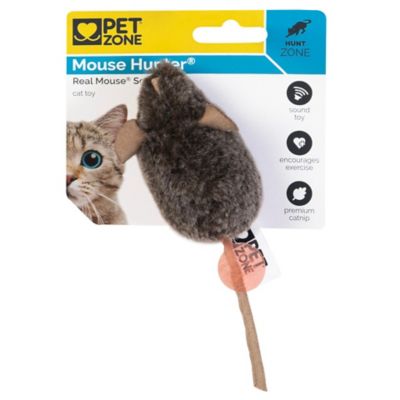
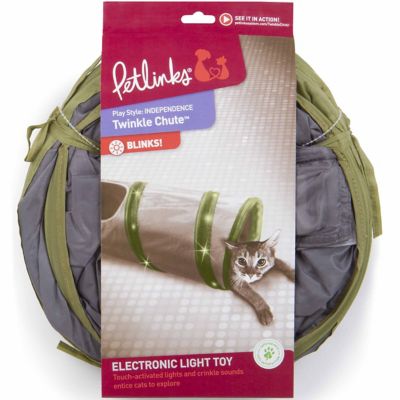
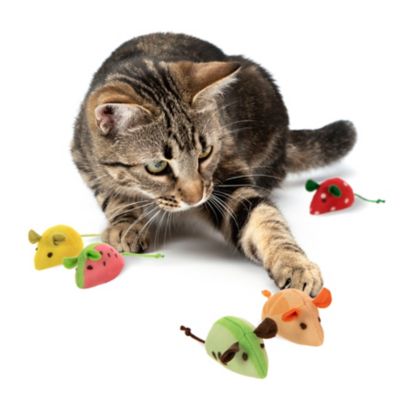
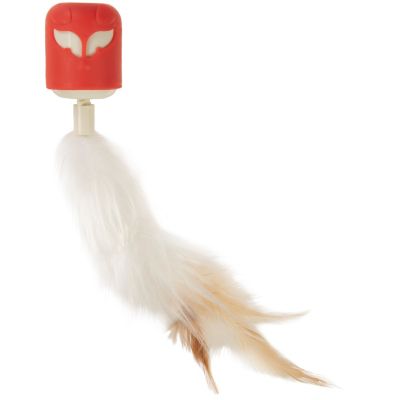
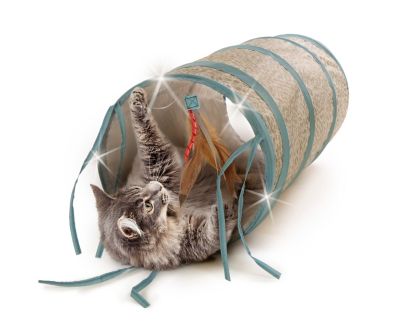
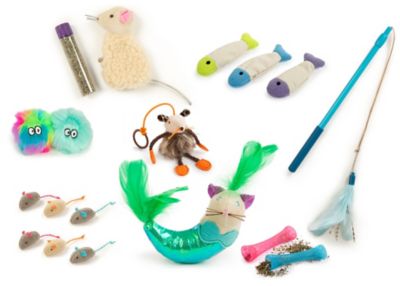
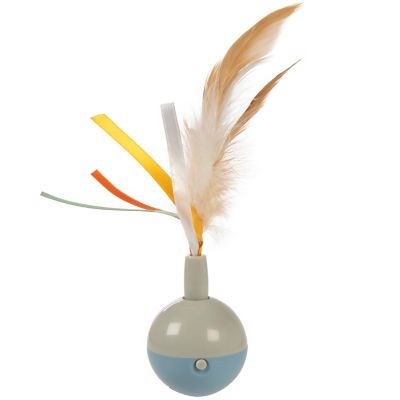
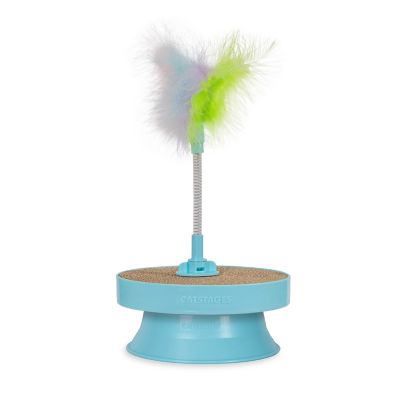
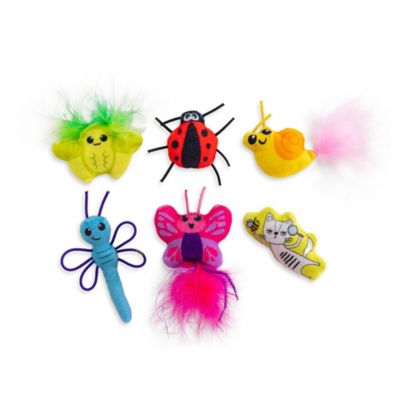
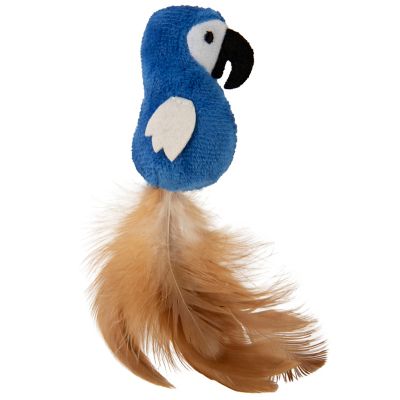
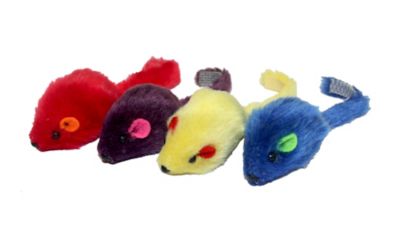
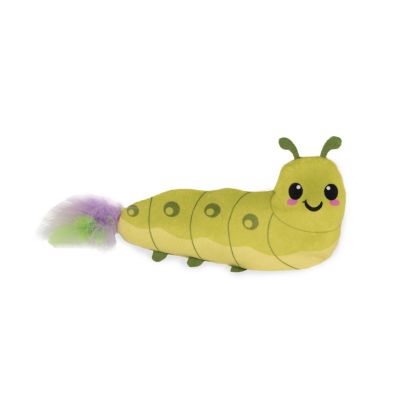
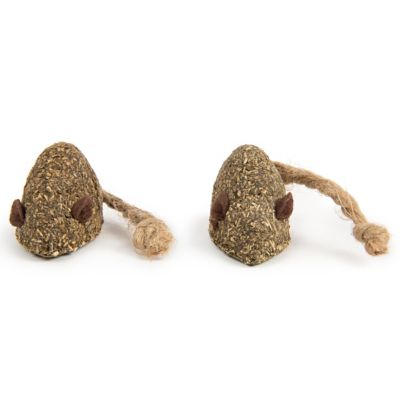
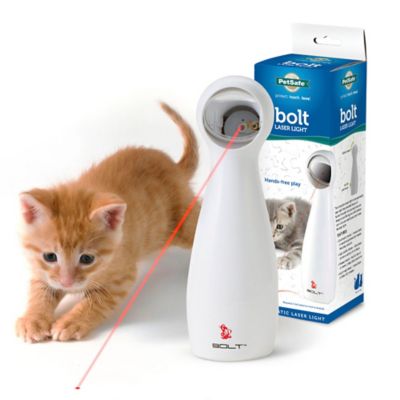
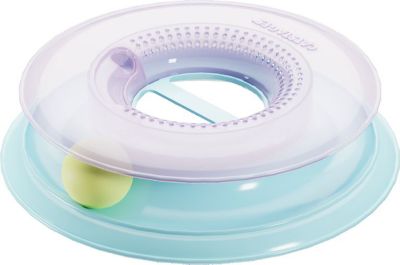
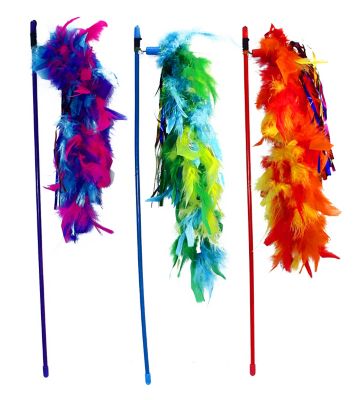
Cat toys give cats an outlet for the stalking, chasing, batting, and pouncing that come naturally to them. The best match depends less on how busy a toy looks and more on how a cat likes to play. A cat that crouches behind a chair before darting across the room may enjoy a teaser wand moving along the floor, while one that bats at anything passing by may take to lightweight balls or spring-shaped toys. Wand toys and teaser poles make play a shared activity, with movement that can pause, change direction, and give a cat a chance to catch its target. Plush mice and small toss toys suit cats that like carrying their catch down the hallway or dropping it beside a favorite resting spot. Tunnels offer cover for stalking and a place to pop out during a chase, while enclosed ball tracks keep the action within a smaller footprint. Puzzle toys and treat dispensers add a different kind of challenge, encouraging a cat to paw, nudge, or investigate to reach a food reward. Rolling and motion-activated toys can bring movement into a play session, though powered features do not make a toy suitable for unsupervised play. Some cats follow a slow crawl across the rug; others perk up for a quick skitter and a sudden stop. Having different play styles represented makes it easier to find something that holds a particular cat’s interest. A quiet apartment cat, a kitten learning how to pounce, and a house cat that follows folks from the kitchen to the mudroom may all favor different textures, sounds, and movements. Toys that let a cat complete the chase with a catch can make play satisfying without requiring much room. Even a clear stretch of hallway or an open patch beside the couch can provide space for a short session, provided the play area is clear of breakables and anything that could trip a person or catch a paw.
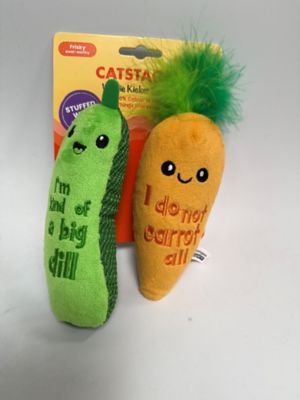
Materials and construction shape how cat toys feel, move, and stand up to repeated play. Soft fabric and plush surfaces give cats something to grip or carry, while crinkle material adds sound when a toy is squeezed or batted. Smooth plastic can roll freely across a hard floor, and lightweight foam may move more quietly, although cats that chew pieces off soft materials need a different option. Seams, attached tails, feathers, and other details deserve a close look because a determined cat may tug at the same spot every time. For cats that wrap their front legs around a toy and push with their back feet,
Cat Kick Toys provide an elongated shape suited to that wrestling motion. The fit should let the cat hold the toy comfortably without struggling to get its paws around it. Size matters with smaller chase toys, too: a toy should suit the cat’s mouth and paws without being small enough to swallow. Kittens may manage lighter toys more easily, while older cats or those with limited mobility may prefer gentle batting and floor-level movement over high leaps. A cat’s response to scent also varies. Catnip-filled toys interest some cats, but others show little reaction, and young kittens may not respond at all. Refillable designs allow the scent material to be refreshed according to the label, while securely enclosed fillings help keep loose contents out of reach. Noise can be just as important as scent. A rattling ball may draw one cat across the room and send another under the table. In a home with several cats, a mix of quiet toys, chase toys, and shared-play options can accommodate different temperaments. Separate play spaces also give a shy cat room to participate without a bolder companion taking over every chase.
Cat toys fit into everyday life best when their care needs and intended use match the household. Washable fabric toys can be handy for cats that carry them in their mouths, but cleaning directions differ by filling, fabric, and construction. Some allow machine washing, while others call for spot cleaning only; toys with scent fillings or electronic parts may need special handling. Thorough drying before the next play session helps keep moisture from lingering inside fabric or padding. Hard-surface toys may be easier to wipe down, especially after rolling beneath furniture or through a busy kitchen. Regular checks for loose stitching, cracked shells, exposed stuffing, or missing pieces help identify when a toy needs to leave the play basket. Strings, ribbons, elastic cords, and feather attachments call for close supervision and storage out of reach afterward, since swallowing these materials can cause serious harm. Powered toys need secure battery compartments, with batteries and charging cords kept away from teeth and claws. For independent play, the product label, the toy’s condition, and the cat’s chewing habits all matter; a toy that works well for one cat may not suit another. Rotating a few toys rather than leaving every option on the floor can renew interest and keep walkways clear. A small basket near a familiar play spot makes cleanup simple, while wand toys belong somewhere a cat cannot pull them down. In homes with children, shared wand play works best with an adult nearby and enough space between moving paws and little hands. Cat toys also make a thoughtful gift for a friend bringing home a cat or a family welcoming a kitten. A mix of gentle chase, soft carrying, and interactive play options gives the recipient room to learn what their new companion enjoys. The most useful choices fit the cat, the space, and the time someone can spend joining in, whether that means a few tosses down the hallway or a longer chase around the living room.