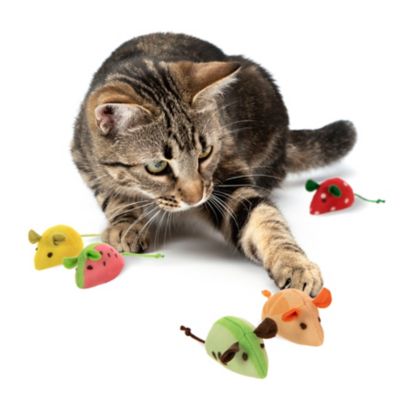
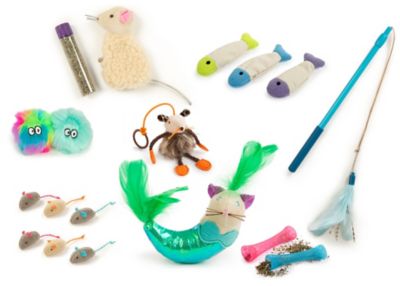
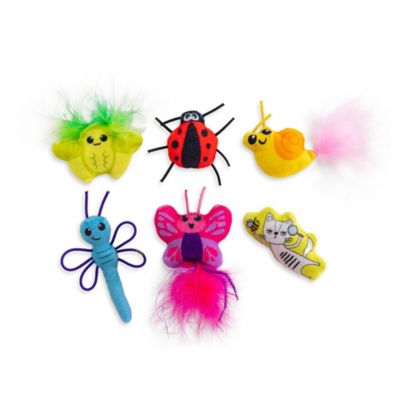
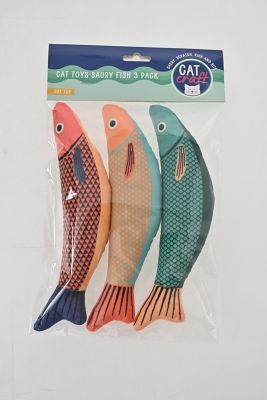
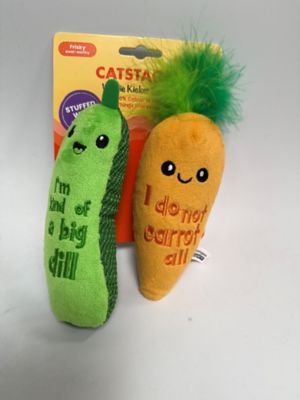
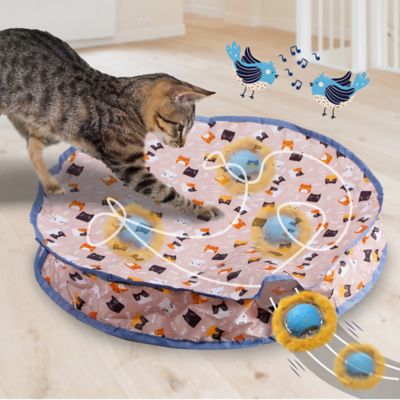
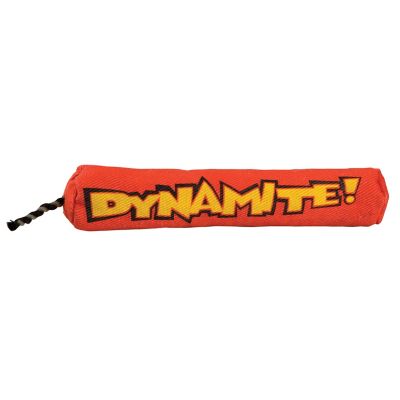
Cat toys for separation anxiety are meant to keep a cat’s mind and paws busy when a familiar person steps out, offering opportunities for independent play rather than a cure for anxiety. Food puzzles, enclosed ball tracks, soft kicker toys, and toys that respond to a nudge give different cats different ways to stay engaged. A curious cat may enjoy working kibble through a puzzle, while a cat that loves to stalk may prefer something that rolls across the floor with a tap. The right match depends on how the cat already plays, not just how much movement or noise a toy makes. Some cats settle into quiet batting and pawing; others enjoy a short burst of chasing before curling up nearby. For a cat that follows every move from the kitchen to the back door, a familiar play area can provide an inviting activity when it is time to head to work or tend to chores. Toys generally work best as part of a predictable routine that also includes comfortable resting spots, scratching surfaces, and regular time together. A window perch may add something interesting to watch, provided the view does not leave the cat upset by animals outside. Separation-related distress can show up as persistent calling, restlessness, changes in eating, or trouble with the litter box, but those signs can also have medical causes. A veterinarian can help sort out what is happening, especially when the behavior is new or getting worse. Toys support enrichment; they do not replace that care. Within this category, the most useful choices offer manageable challenges and familiar kinds of play, helping make time apart less empty without expecting a cat to stay entertained for an entire workday. A toy that gets a few relaxed minutes of attention can be a better match than a noisy, complicated one the cat avoids.
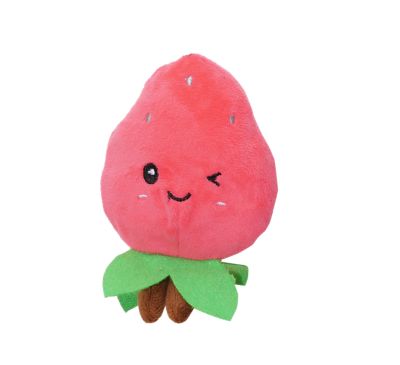
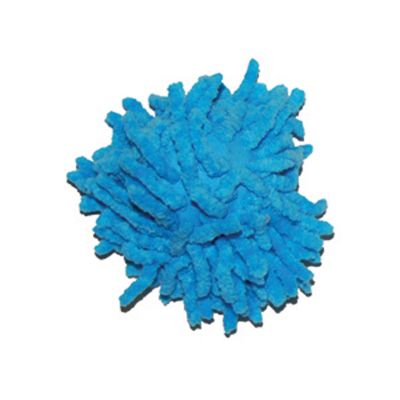
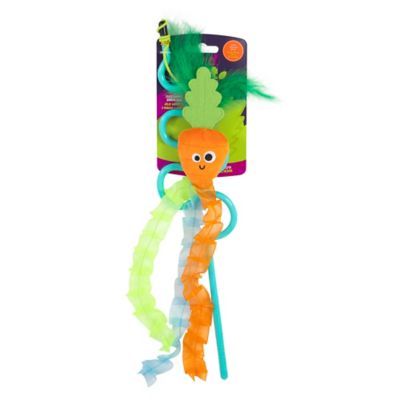
Materials, size, construction, and intended use matter when choosing toys for a cat that will sometimes play without someone nearby. Fabric toys offer a surface to grab and kick, while firm plastic tracks and molded puzzle pieces can provide a different feel under the paws. Rubber or silicone components may have some give, but no material is automatically safe for a cat that chews and swallows pieces. Seams, openings, and attached parts deserve a close look, particularly with a determined biter. A long-bodied kicker can suit a cat that likes to wrap its front legs around a toy and push with its back feet, while a low, stable puzzle may be easier for a senior cat to approach. Openings should allow comfortable access without trapping paws, and loose pieces should not be small enough to swallow. Kittens, large adult cats, and cats with limited mobility may need different sizes or challenge levels. Food puzzles with a simple starting level can make play more approachable; a puzzle that is too difficult may lead to frustration instead of engagement. When food is involved, a portion of the cat’s regular meal can fit into the activity, with treats counted toward daily intake. Care requirements matter, too. Washable fabric and accessible feeding compartments make it easier to manage saliva, crumbs, and everyday messes, though cleaning should always follow the label. Food-contact areas need regular attention and thorough drying. Fraying fabric, cracked housings, exposed filling, and loosened attachments are reasons to remove a toy from play. String, ribbon, wand toys, and other dangling pieces belong in supervised sessions and should be put away afterward. Battery compartments should stay securely closed, and powered toys need handling and charging that follow the manufacturer’s directions. Before leaving any toy out, watch the cat interact with it and check whether its labeled use permits play without supervision. A toy’s suitability comes down to its construction and the individual cat’s habits, not its appearance alone.
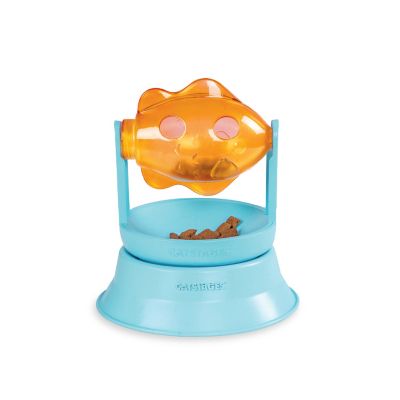
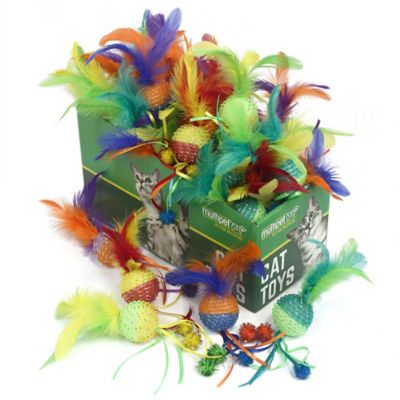
A thoughtful mix of toys makes room for the way a cat’s interests change from one day to the next. One cat may spend several minutes fishing kibble from a compartment, then carry a soft toy to a favorite resting spot. Another may ignore food play but return often to a ball held inside a track. Rotating a few familiar choices can renew interest without filling every corner of the house, and keeping a favorite in its usual spot gives the cat something predictable. Motion and sound deserve the same individual attention: a gentle rattle might draw one cat closer and send another under the couch. Catnip and silvervine also appeal to some cats but not all, so they are optional features rather than requirements for toys in this category. In homes with several cats, separate play spaces can help prevent one eager cat from taking over every activity. A quiet cat should be able to reach a toy without having to pass a housemate that guards the hallway. Time together still matters, even when the goal is more comfortable independent play. A short, familiar play session before leaving can offer an outlet for stalking, chasing, and catching, with room afterward for the cat to settle. For play centered on shared attention,
Cat Toys For Bonding offers a related way to think about that time together. Toys can also make a practical gift for someone welcoming a cat home, especially when the choice reflects the cat’s age, play style, and chewing habits. For cats with separation anxiety, the aim is not nonstop activity or a house full of distractions. It is a comfortable setup with safe opportunities to explore, play, eat, and rest while their person is away. A few well-matched toys, steady routines, and veterinary support when needed can work together to support that everyday comfort. Progress may be gradual, and calm rest matters just as much as active play.