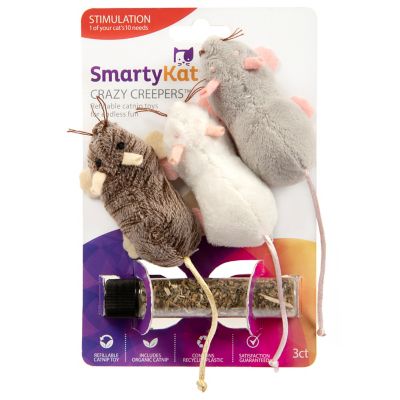
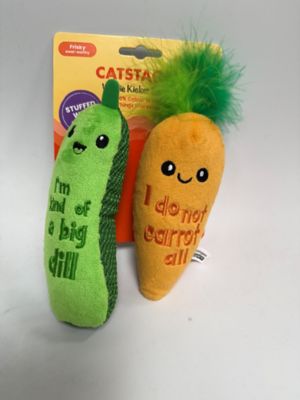
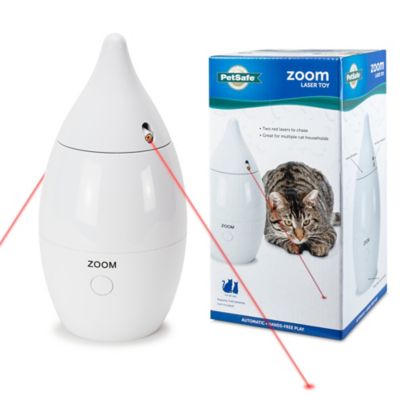
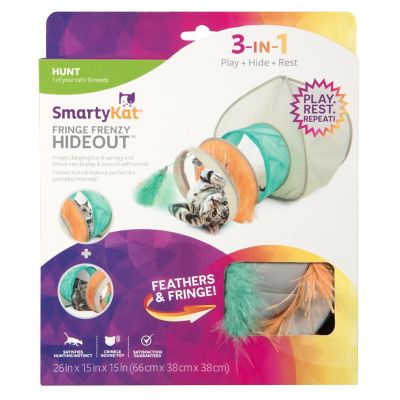
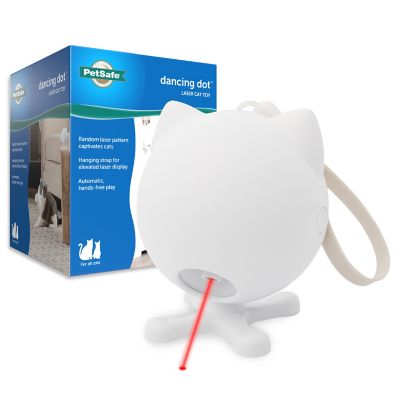
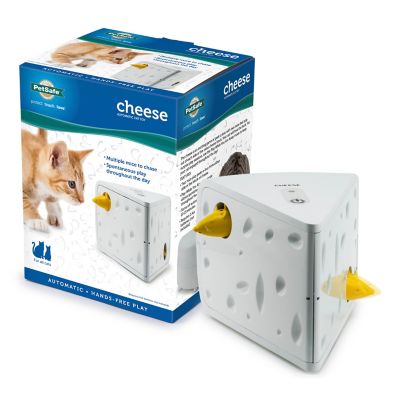
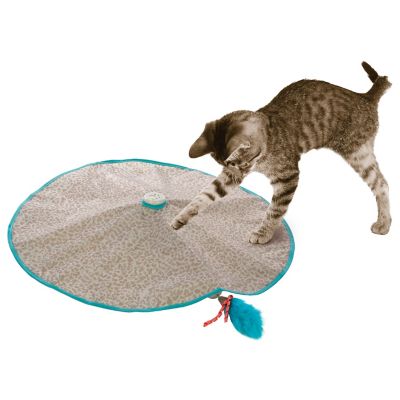
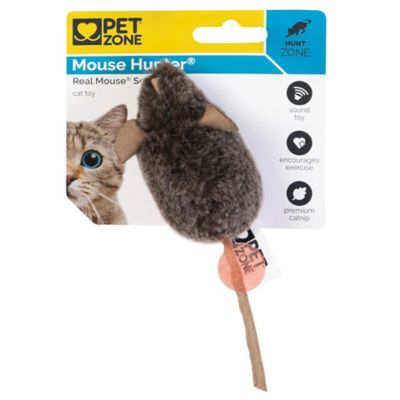
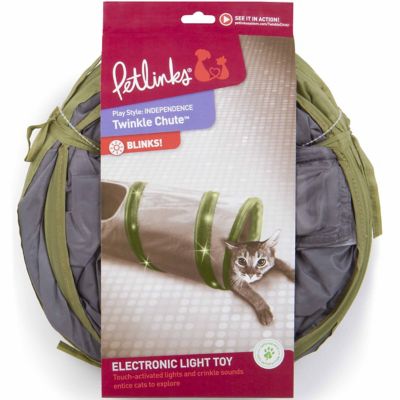
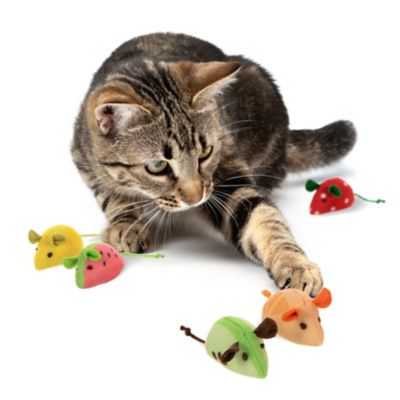
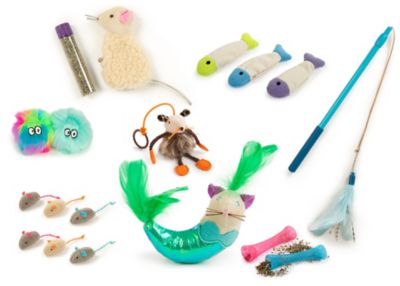
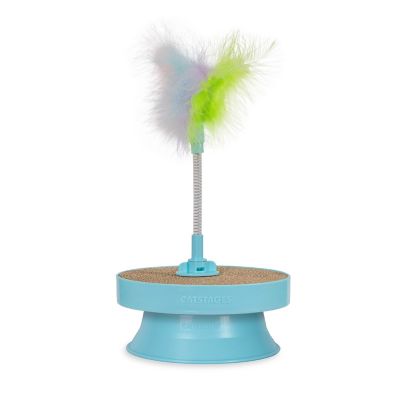
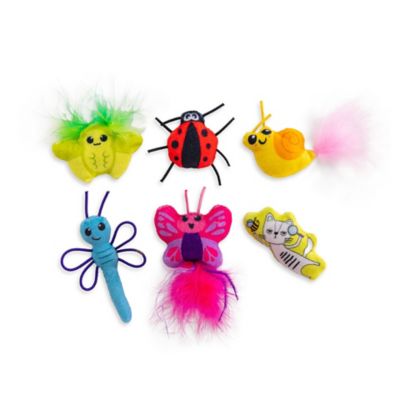
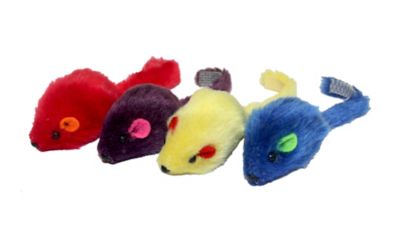
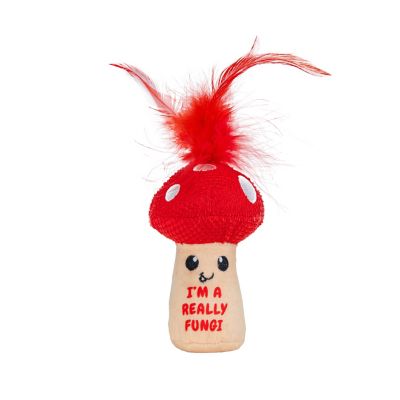
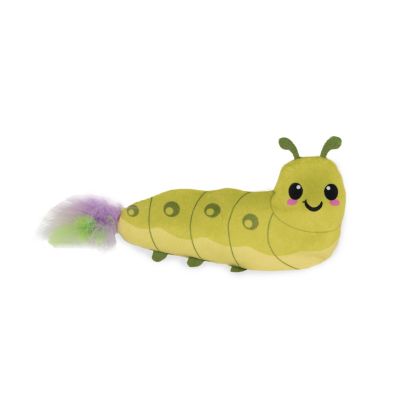
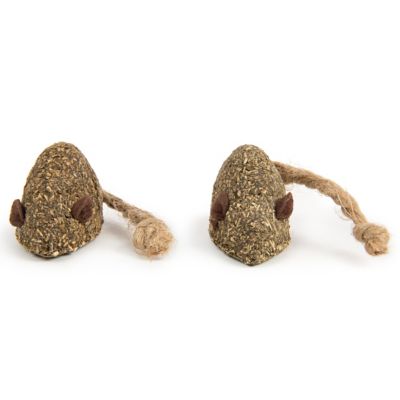
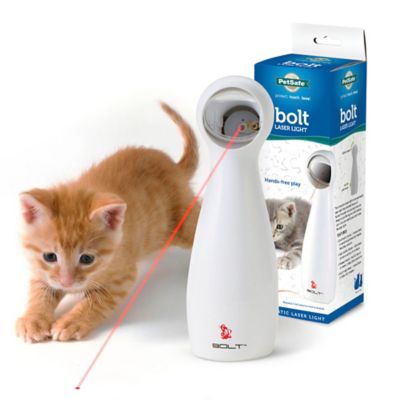
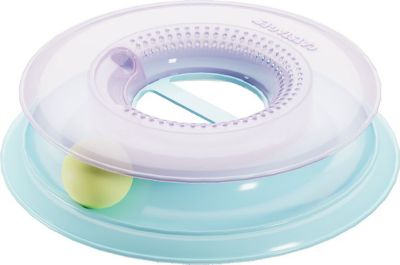
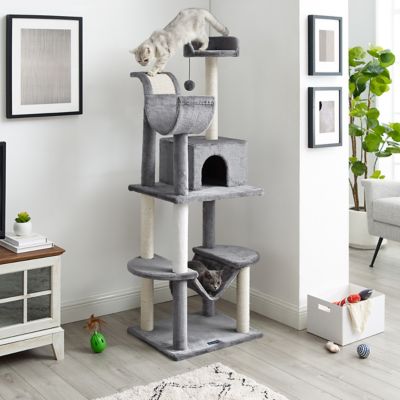
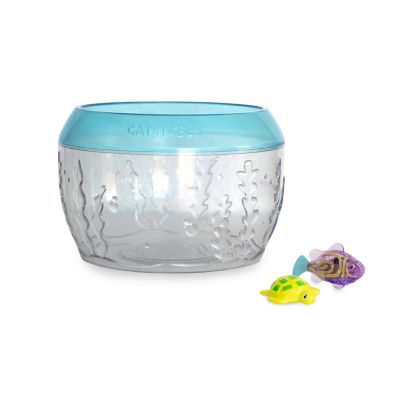
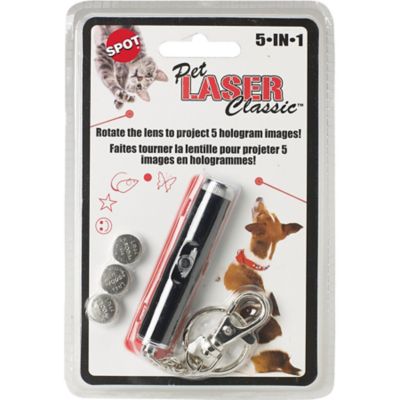
Cat toys for enrichment give indoor cats a healthy way to follow the instincts they were born with, even when their daily routine is mostly naps on the sofa and watching birds through the window. Cats are natural hunters, stalkers, pouncers and problem-solvers, and the right toys turn those instincts into safe, satisfying play. Enrichment toys can help a cat stay mentally sharp, stretch their body and break up long stretches of quiet time, especially during cooler months when open windows, porch time and outdoor exploring may be limited. Look for a mix of textures, movements and challenges rather than relying on one type of toy. A cat that loves to chase may enjoy toys with rolling or spinning parts, while a cat that prefers to hide and ambush may take more interest in toys that move beneath fabric, around corners or through a tunnel. Kicker toys give cats a soft object to grab with their front paws and bunny-kick with their back feet, which can be a useful outlet for wrestling behavior. Catnip toys may encourage batting, rubbing and rolling, though not every cat responds to catnip, and some cats prefer toys filled with other stimulating scents. Crinkle sounds, feathers, plush fabric and lightweight balls can all add variety. For cats that enjoy watching before they pounce, track-and-motion toys provide movement without requiring a person to keep the game going. These options can be especially handy for households where people are working, doing chores or heading out for the day, though cats should always have a safe, supervised play area and toys should be checked regularly for loose parts, frayed fabric, sharp edges or damaged strings.
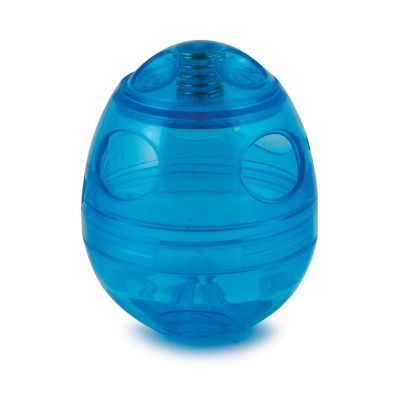
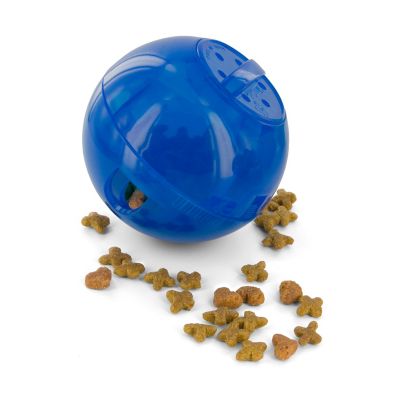
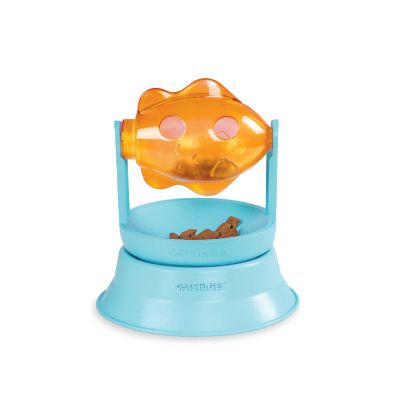
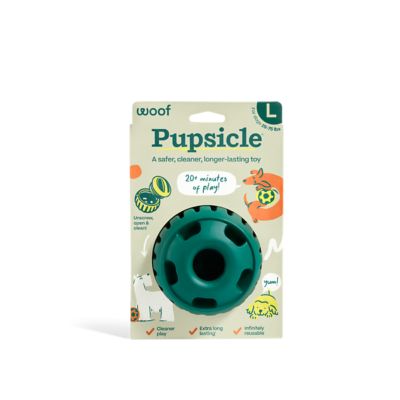
Food puzzles and foraging toys add another layer of enrichment by asking a cat to work for a portion of their meal or a few favorite treats. Rather than eating every bite from a bowl, a cat can sniff, paw, slide, flip or fish food from separate spaces, making mealtime feel more like a small hunt. This type of activity may help slow down cats that gulp dry food, while also giving food-motivated cats a constructive job to do. Start with an easy puzzle and only a few pieces of kibble or treats so your cat can learn how it works without becoming frustrated. As they gain confidence, choose a more involved design with covered compartments, movable pieces or different levels of difficulty. Puzzle toys should match the cat’s age, size and ability; kittens may do best with simple, lightweight options, while older cats may appreciate an easier challenge that does not require hard pushing or jumping. Always account for puzzle treats as part of the daily feeding plan to help prevent overfeeding. For homes with more than one cat, separate feeding and play stations can reduce crowding and competition. Along with store-bought enrichment toys, many people use simple household items for supervised discovery play, such as a sturdy cardboard box with large openings, crumpled paper or a few pieces of kibble tucked inside. An empty cardboard roll can also be folded at the ends after placing a small amount of dry food inside, creating a basic treat dispenser. A muffin tin covered with lightweight balls or paper can encourage a cat to uncover each section. These homemade activities should be made from clean, plain materials and watched closely, with tape, staples, rubber bands, plastic pieces and small parts kept away from curious paws and mouths. Cats may enjoy the same activity in different ways: one might dig through a box, another might bat a ball across the floor, and a third may simply sit beside the toy and study it before making a move.
When choosing cat toys for enrichment, consider your cat’s personality, energy level, physical comfort and preferred style of play. A young, busy cat may need several short play sessions throughout the day, while a senior cat may favor gentle batting, sniffing and easy-access treats. Cats that spend most of their time alone can benefit from options designed for independent activity, including rolling toys, tracks, treat puzzles and toys that invite batting without constant human direction. Browse
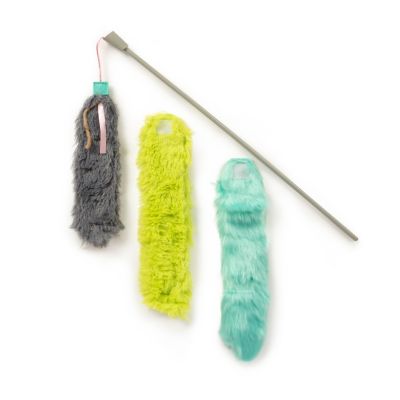
Cat Toys For Self Play for ideas that can help fill quiet stretches between family activities. Interactive toys are still valuable for bonding, and a wand-style toy or other hand-held option can let you guide a game of stalk, chase and pounce. Keep the movement low to the ground and allow your cat to catch the toy from time to time so play feels rewarding instead of endless. Rotating toys every few days can make familiar favorites feel fresh, much like bringing an old barn toy back out after it has been tucked away. Store some toys in a basket or bin and leave only a few available, then trade them out when interest starts to fade. Cat toys can also make thoughtful gifts for new pet parents, families welcoming a kitten, or anyone looking for a practical way to make an indoor cat’s routine more engaging. During the cooler months, enrichment toys can bring movement and curiosity to rainy afternoons, chilly evenings and quiet stretches when outdoor activity is less appealing. Whether the goal is to support a playful kitten, give a high-energy adult cat a safe outlet, or keep a senior companion interested in gentle daily activities, a well-rounded selection of cat toys can add exercise, variety and a little more natural cat behavior to life at home.