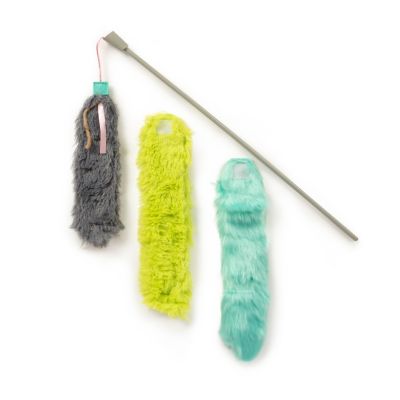
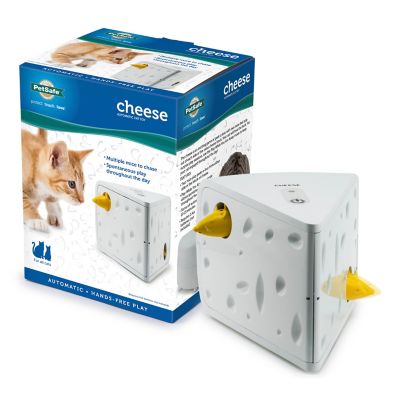
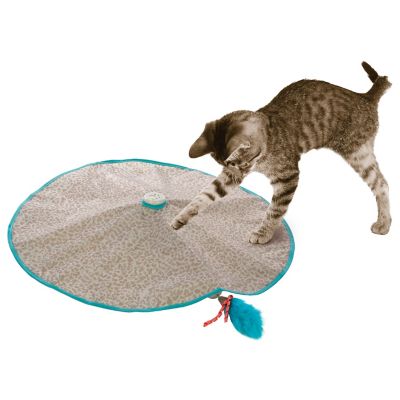
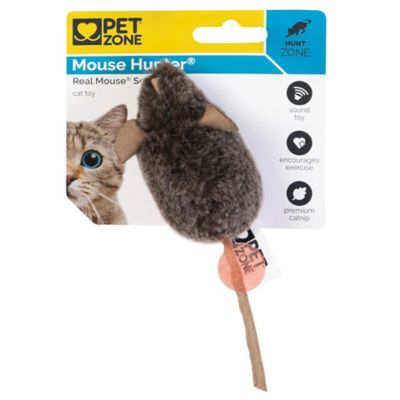
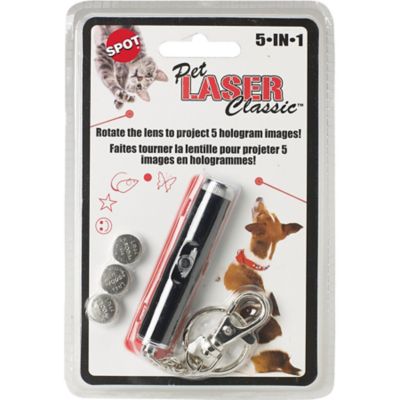
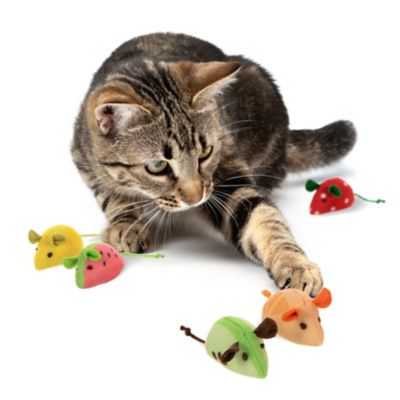
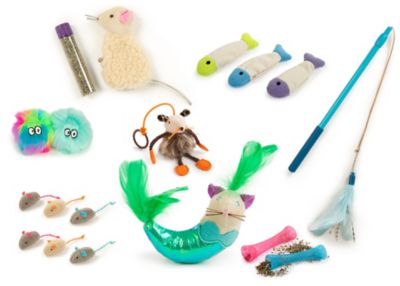
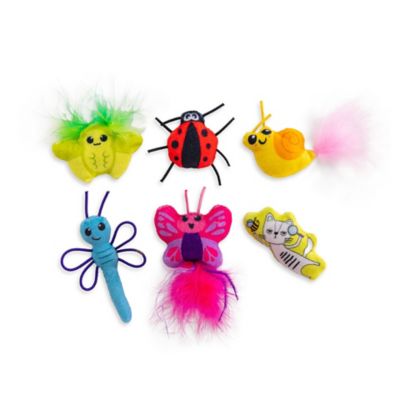
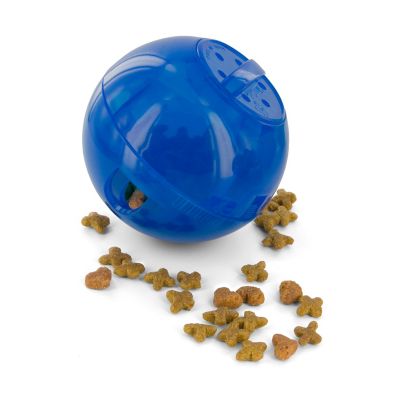
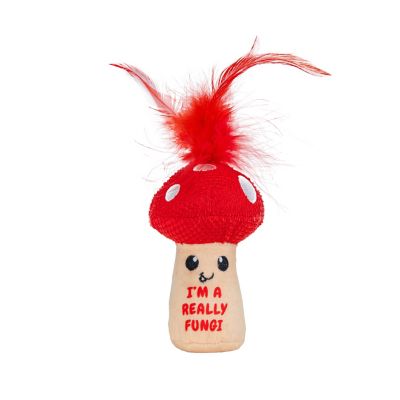
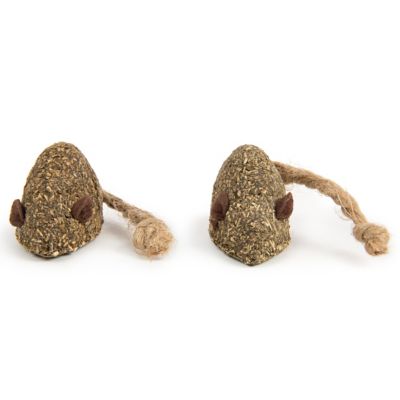
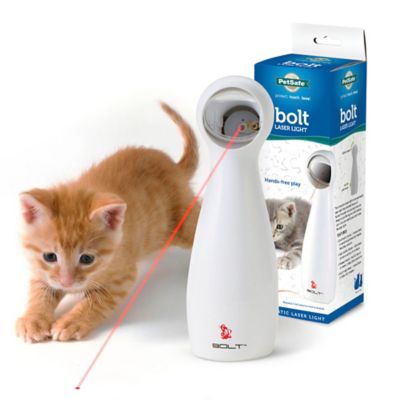
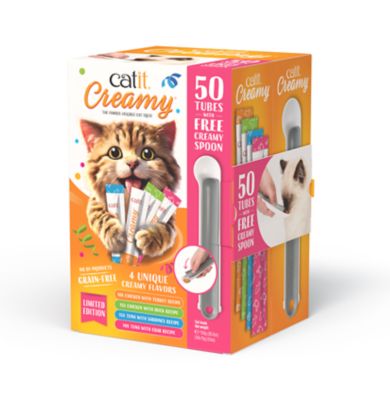
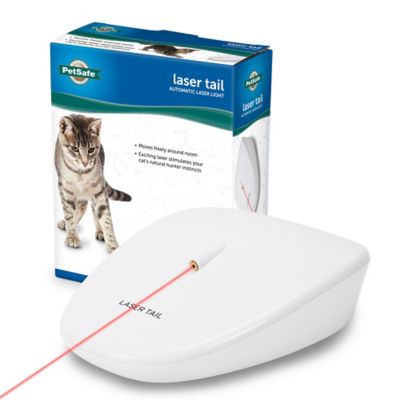
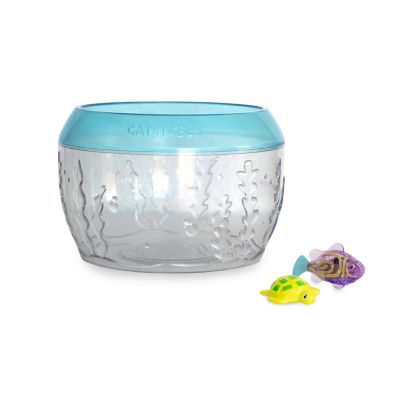
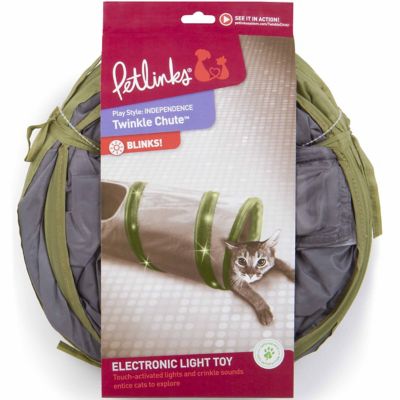
Cat toys for bonding give you and your cat something fun to do together, whether you share a quiet home, a busy farmhouse, or a household with several pets. Unlike toys meant for solo batting, interactive toys keep both ends of the game moving: you guide the action, and your cat stalks, pounces, swats, and chases. Wand and teaser toys are especially useful because they can mimic the quick, uneven movements of natural prey. Drag the toy low across the floor like a mouse slipping past the baseboard, lift it in short hops like a bird, or let it disappear behind a chair before bringing it back into view. A few pauses can be just as exciting as a fast sweep across the room. This shared play helps build trust because your cat learns that time with you is safe, rewarding, and worth coming back to. It can also help turn a shy cat into a more confident companion, give a high-energy kitten an appropriate outlet, and add variety for an older cat that still enjoys a gentle game. When choosing cat toys for bonding, consider your cat’s age, size, energy level, and favorite style of movement. Some cats love a fast-moving teaser that flies through the air, while others prefer a toy that creeps along the floor or hides under a rug. Lightweight designs may be easier for kittens and senior cats to follow, while sturdy construction is helpful for strong chewers and cats that like to grab, kick, or wrestle. Soft plush prey and kicker toys can be used during supervised play, especially when your cat enjoys wrapping around a toy with all four paws. Toys with feathers, fabric, crinkle material, or catnip can add texture and sound, though each cat has individual preferences. A cat that ignores one style may become completely absorbed by another, so offering a small mix can help you find the right fit without filling every corner of the house with toys. These items also make thoughtful gifts for new cat parents, families bringing home a kitten, or anyone looking for a simple way to spend more quality time with a favorite barn cat or indoor companion.
A regular play routine can make bonding feel natural instead of something that only happens when the household has extra time. Many cats respond well to a short session of about 10 to 15 minutes, especially during the cooler months when indoor cats may need more activity and attention. Try choosing a familiar part of the day, such as before a meal or after work, then allow your cat to set the pace. Start with slow movements so they can watch and track the toy, build up to a few lively chases, and give them chances to hide, stalk, and spring. Avoid waving the toy constantly in their face. Keeping it just out of reach makes the game feel more like a hunt and gives your cat a reason to follow your lead. Letting your cat catch the toy at the end is an important part of the routine. A successful pounce, bite, or wrestle gives them a satisfying finish instead of leaving them frustrated when the game suddenly stops. Afterward, offer praise, a small treat if appropriate, or a meal as part of a natural hunt-catch-eat-rest pattern. Cats vary from one another, and even the same cat may prefer different play depending on age, mood, or the time of day. Kittens often enjoy quick bursts of chasing and batting, while adult cats may settle into a longer stalking game. Senior cats can still take part when the action stays low to the ground and includes plenty of pauses. For cats that are nervous around hands, a longer wand can create comfortable space while still giving them a way to connect with you. For a bonded pair or multi-cat home, watch for crowding and give each cat room to participate. Some cats play cooperatively, while others do better with individual sessions. If your cat becomes overstimulated, watch for flattened ears, a rapidly swishing tail, tense posture, or nipping, and calmly end the session before play turns rough. The goal is a relaxed exchange that leaves both of you ready for the next round.
Safety and simple care matter when using cat toys for bonding. Inspect toys often for loose strings, detached feathers, small parts, or worn seams, and replace anything your cat could swallow. String, cord, ribbon, and elastic toys should be used only while you are actively watching, then stored out of reach after play. Keep wand handles and teaser toys in a closed drawer or other safe spot so a curious cat cannot chew through them while alone. Plush toys and kickers should be sized for your cat, with no pieces that can easily break away during wrestling. Catnip can make some cats playful and relaxed, while others show little interest; silvervine and catnip-free textures may offer alternatives, particularly for kittens or cats that do not respond to catnip. Clean toys according to their materials, especially in homes with multiple pets, and rotate a few favorites so they stay fresh and interesting. A cat that needs more activity between shared play sessions may also enjoy browsing
Cat Toys for Bored Cats for additional ways to stay engaged. With a little observation, you can match the toy to the way your cat naturally moves, whether that means a low crawl across the carpet, a sudden leap from behind a cushion, or a determined pounce beside the sofa. Over time, these small daily games become familiar moments your cat can count on. The toy is only part of the experience; your voice, timing, and attention are what make cat toys for bonding a useful way to build a closer relationship.