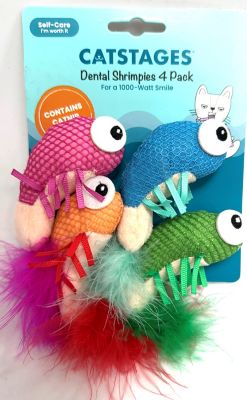
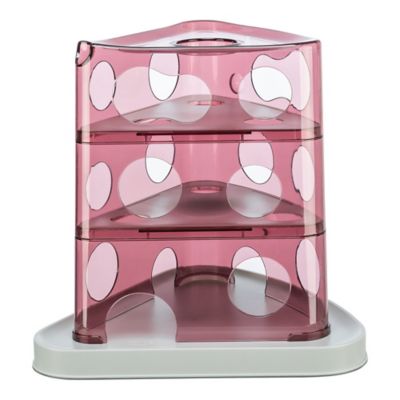
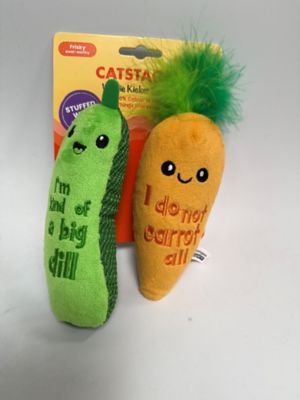
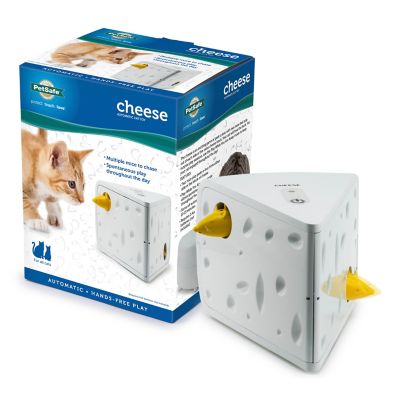
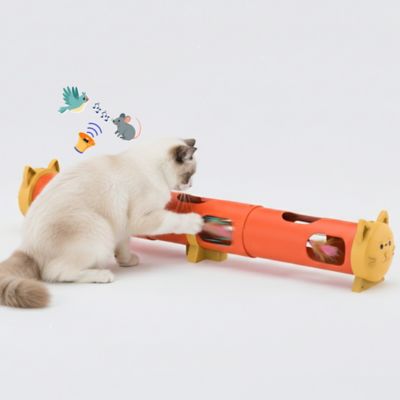
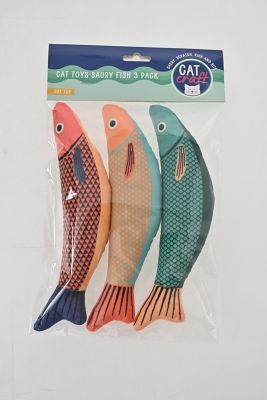
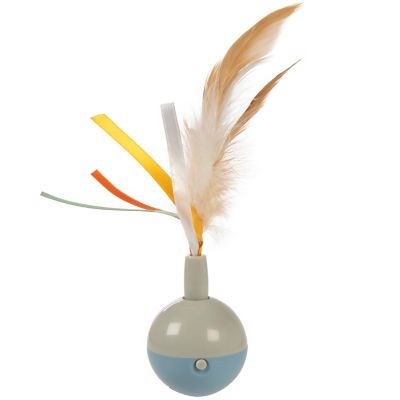
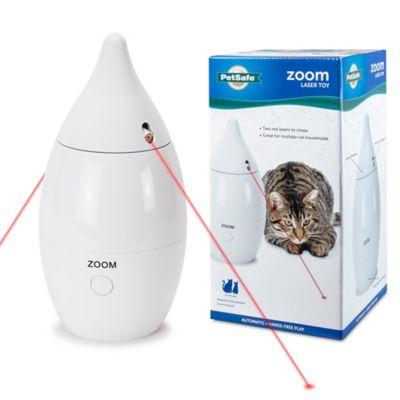
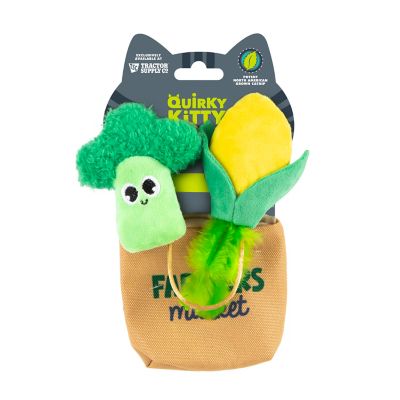
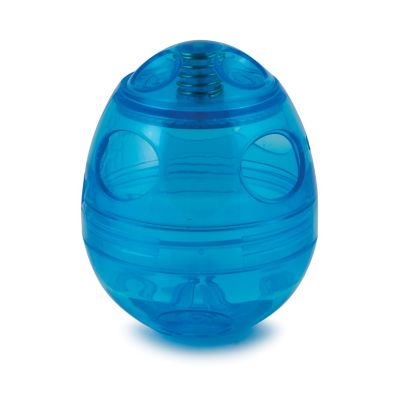
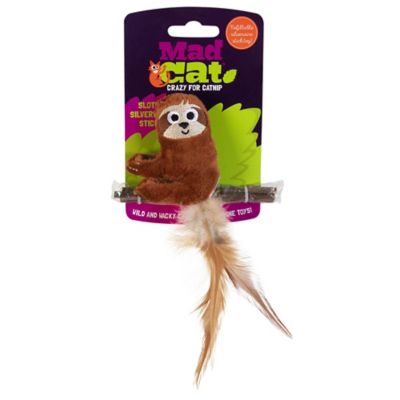
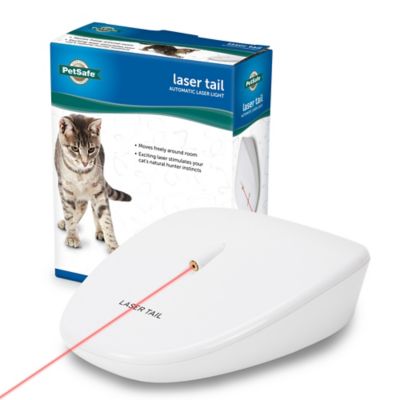
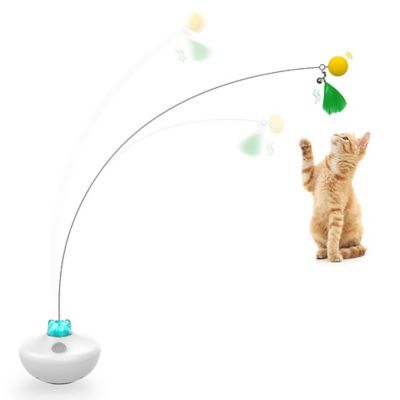
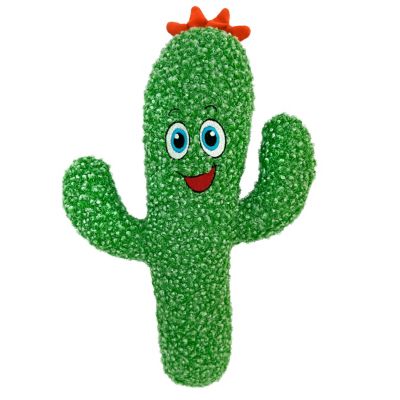
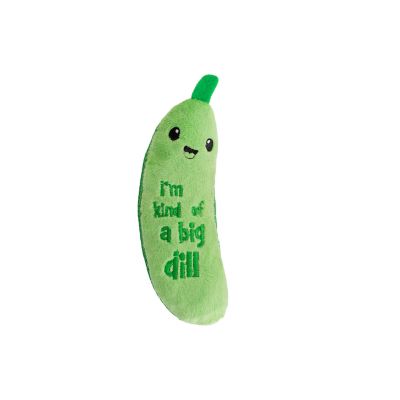
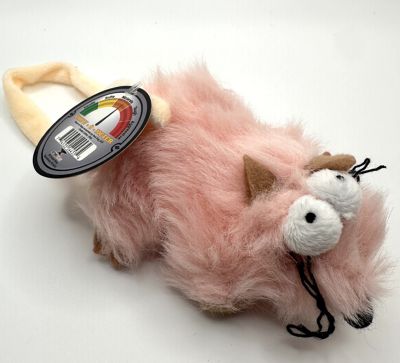
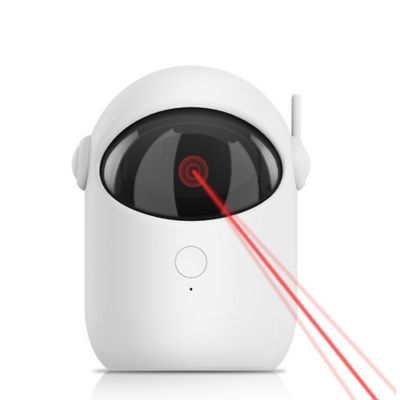
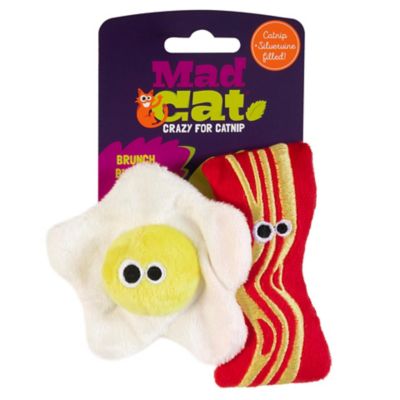
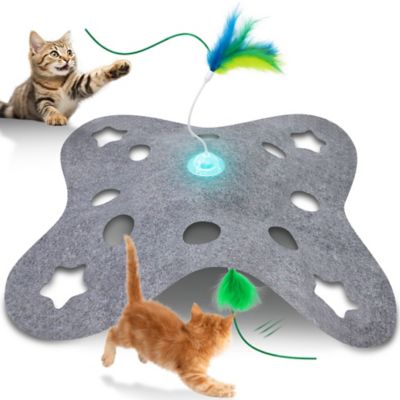
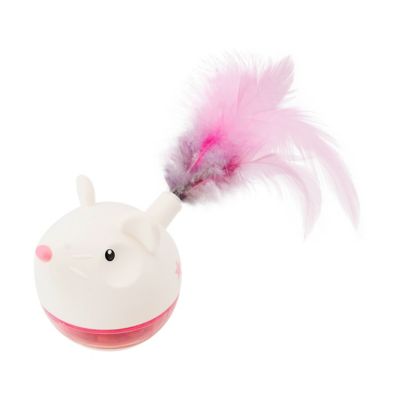
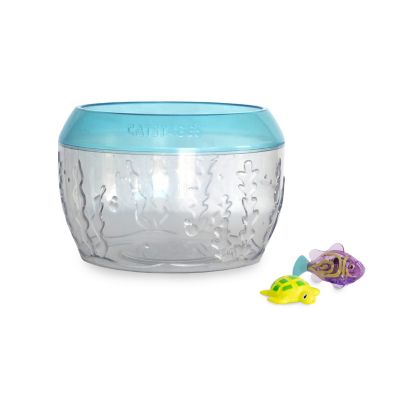
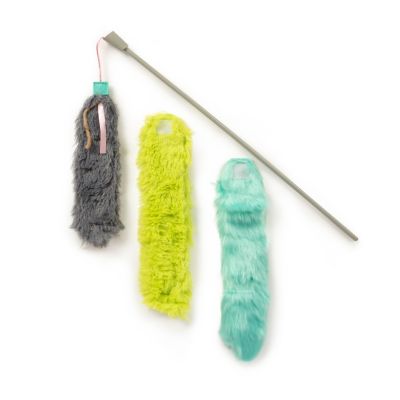
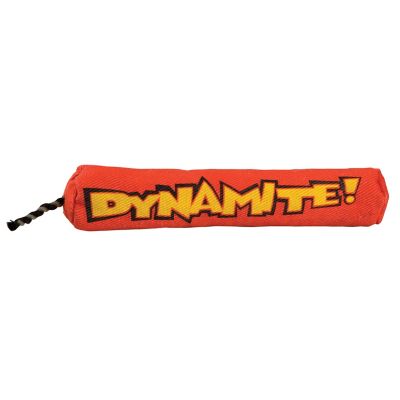
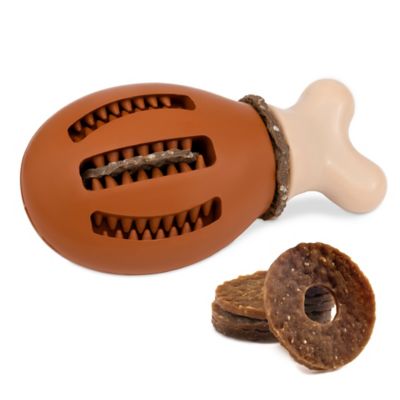
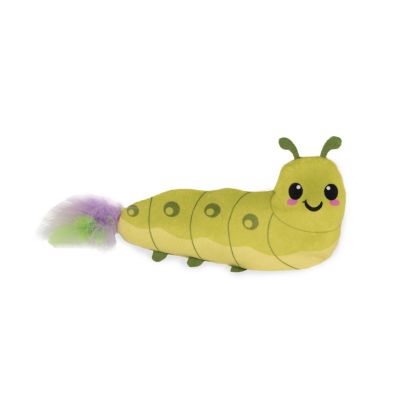
Cat toys for bored cats give curious paws something to chase, stalk, bat, and figure out. Interactive wand toys, food puzzles, rolling toys, and soft kickers offer different kinds of play, so the best match depends on what gets a particular cat moving. A cat that watches every flicker beneath a chair may enjoy a lure that slips out of sight, while one that fishes kibble from a bowl may take to a puzzle with sliding covers or treat openings. Wand toys bring a person into the fun and can mimic the stop-and-go movement of prey. Balls and track toys encourage batting and chasing, while longer plush toys give cats something to hug with their front paws and kick with their back feet. Motion-activated toys can add another source of movement, though their sound, speed, and pattern matter to cats that startle easily. No single toy holds every cat’s attention, and a little variety gives different instincts a chance to come out. For indoor cats, especially those spending stretches of the day without company, playthings can make familiar rooms more interesting without taking up much floor space. A hallway can become a chase lane, and a quiet corner can hold a puzzle that rewards patient paw work. Kittens may enjoy quick bursts of chasing, while older cats may prefer a slower lure that stays close to the floor. Even two cats raised in the same home can favor completely different activities. Some want a lively game with their person; others settle in beside a toy and investigate every opening before making a move. Catnip-filled toys appeal to many adult cats, but not every cat responds to catnip, and young kittens may show little interest. Texture, movement, and the chance to catch something can matter just as much as scent. A mix of active play and problem-solving gives bored cats more than one way to stay engaged.
Materials and construction make a difference when a toy meets claws, teeth, and a determined back-foot kick. Soft fabric can be comfortable for grabbing and wrestling, while firm plastic surfaces often suit rolling toys, tracks, and food puzzles. Corrugated cardboard offers a different feel under the paws, though it needs replacement when it becomes badly torn or soiled. Fabric toys should have secure seams, and hard toys should have smooth edges without cracks or sharp spots. Size matters, too: a toy should suit the cat’s mouth and play style without being small enough to swallow or shaped so it could trap a paw or jaw. A broad, steady base helps a puzzle stay put when an enthusiastic cat leans into the task. For cats that prefer gentle play, a lightweight ball or easy-to-move puzzle piece may be more inviting than a heavy toy that barely budges. More energetic cats may do better with toys that can stand up to repeated batting and wrestling, but no toy is chew-proof. Ribbons, feathers, elastic cords, and other dangling parts call for supervised play, and string-style toys belong out of reach when the game ends. Battery compartments should close securely, with batteries kept inaccessible to pets. Loose attachments, exposed stuffing, and broken pieces are reasons to take a toy out of play. Care requirements also deserve a look before a toy becomes part of the daily routine. Washable covers and accessible puzzle compartments can make cleanup easier, especially when treats or kibble are involved. Follow the maker’s cleaning directions, let washable parts dry fully, and keep moisture away from electronic components. Food puzzles need regular cleaning so crumbs and residue do not collect in corners. Catnip toys may need gentler care to protect their filling, and torn fabric is not worth keeping simply because a cat still likes the scent. For gifts to a cat-owning household, the cat’s size, activity level, chewing habits, and preference for quiet or noisy play are more helpful considerations than appearance alone.
A small rotation of cat enrichment toys can keep playtime interesting without leaving every floor covered. A toy that has lost its appeal may draw fresh attention after a break, especially when it returns in a different spot or alongside a different kind of activity. Several short play sessions often fit a cat’s natural rhythm better than one long stretch, and interactive toys give people a chance to notice what their cat enjoys. A wand lure moving along the floor, pausing behind a table leg, and then making a short dash can be more engaging than constant waving overhead. Letting the cat catch the lure gives the chase a satisfying finish. Food puzzles offer a quieter option, with easy openings suited to beginners and more involved layouts for cats that already know how to work for a reward. Treats count toward daily food intake, and part of a cat’s regular kibble portion can fill a food puzzle when appropriate for that cat’s diet. In homes with several cats, separate play areas can help a timid cat participate without having to compete with a bold housemate. Toys placed on steady, accessible surfaces also make it easier for cats with limited mobility to join in without jumping. Homes shared with dogs benefit from keeping each pet’s playthings separate;
Dog Toys For Boredom covers another part of that household routine, while cat toys should stay out of a dog’s reach if their size or parts could pose a swallowing risk. Independent play options can supplement time together, but they do not replace attention, comfortable resting spaces, scratching opportunities, or a suitable daily routine. A cat that suddenly stops playing, seems stiff, or shows a marked change in behavior may need a veterinarian’s attention rather than a new toy. For everyday boredom, a thoughtful mix of chasing, batting, wrestling, and food-based challenges gives cats several ways to turn an ordinary room into a place worth exploring.