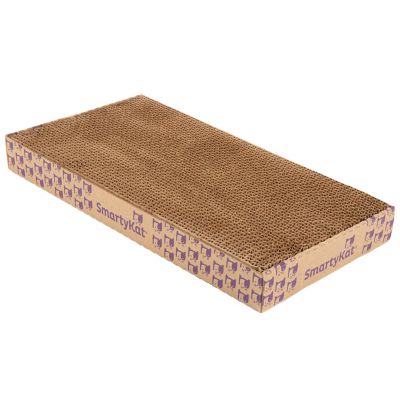
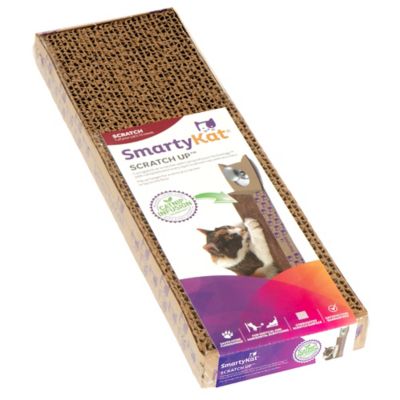
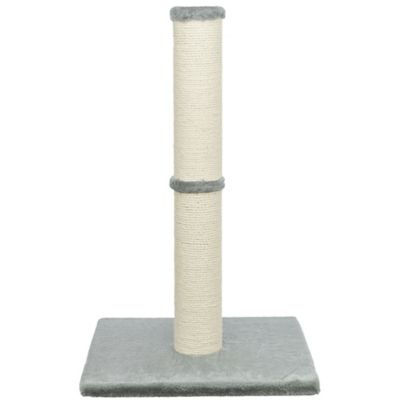
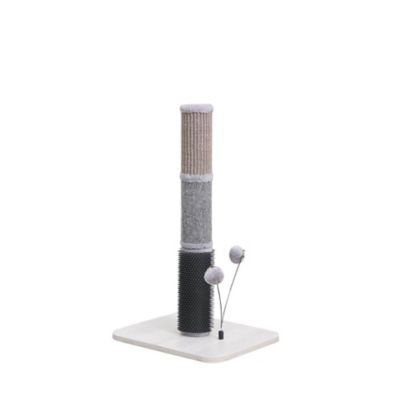
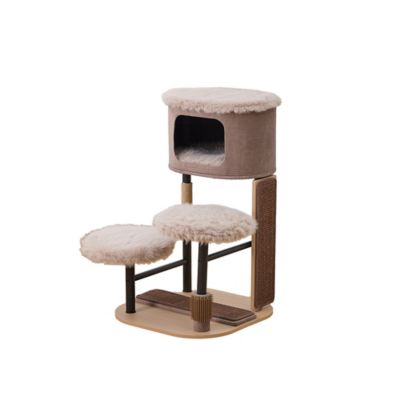
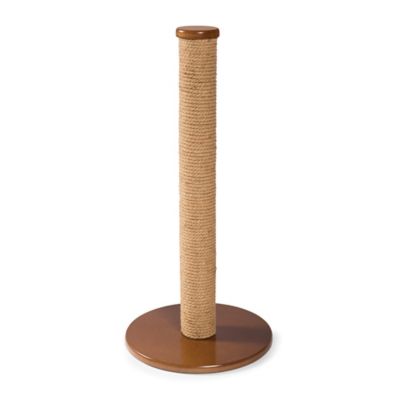
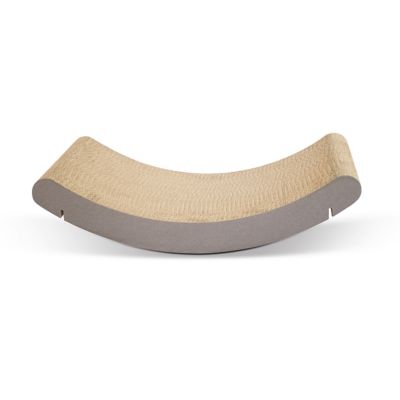
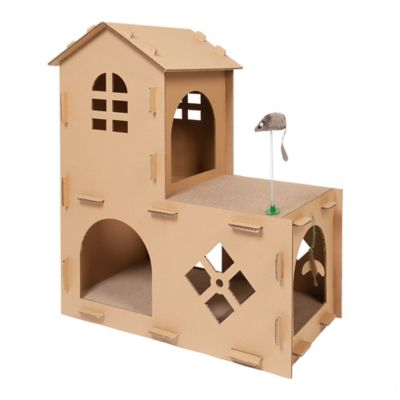
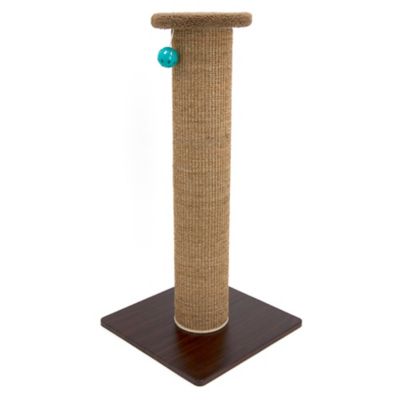
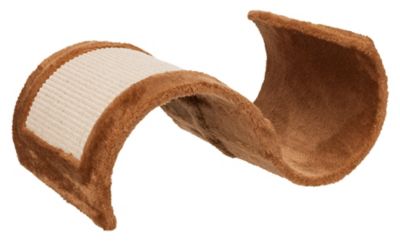
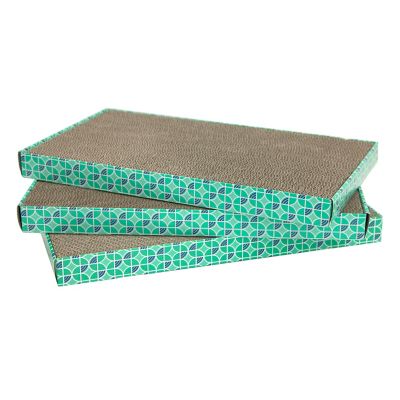
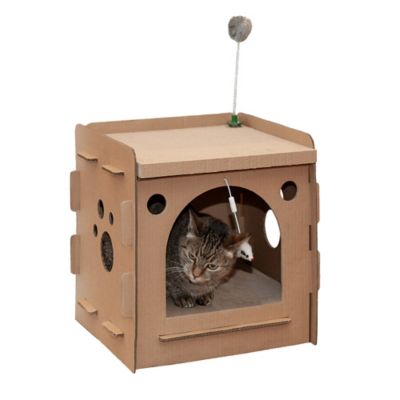
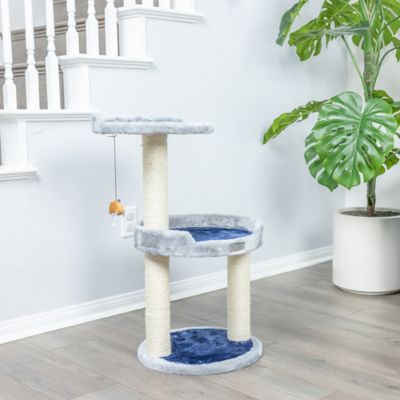
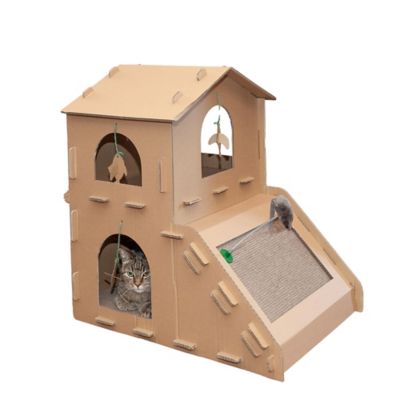
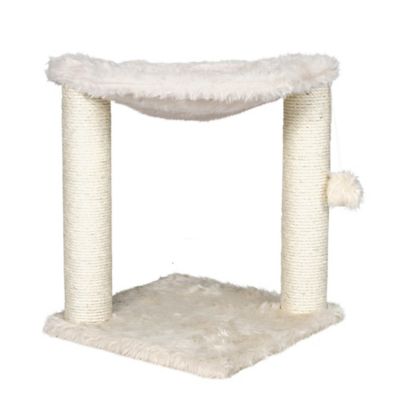
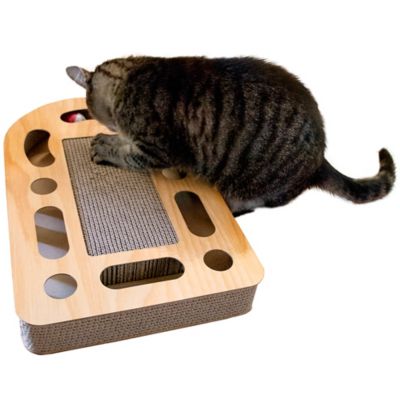
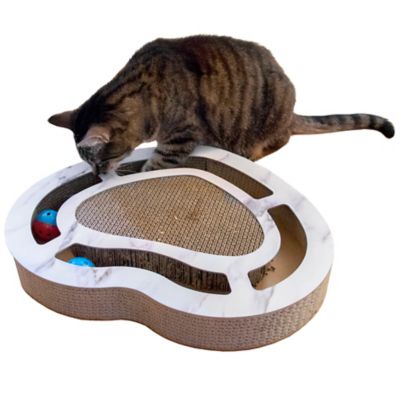
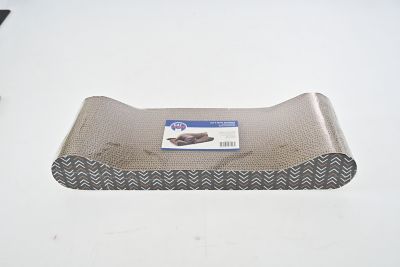
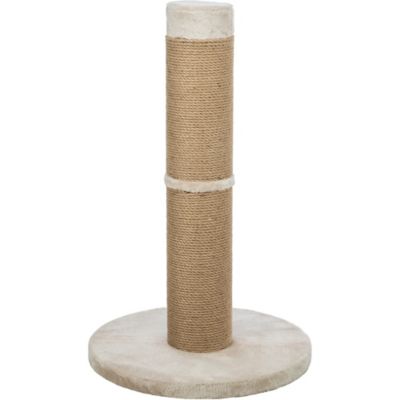
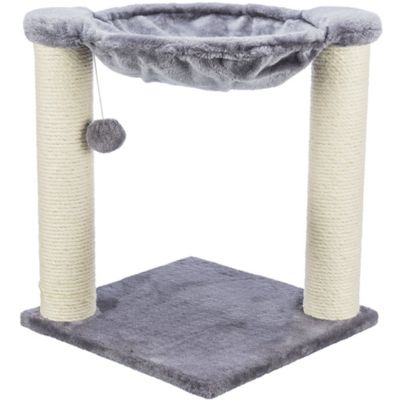
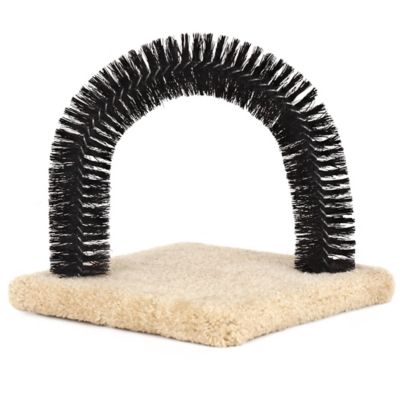
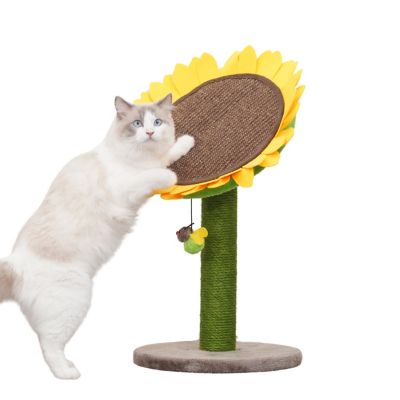
Cat scratchers give cats a place to stretch, work their claws and leave scent marks without making the sofa or door frame the first choice. Scratching is normal feline behavior, and a good match comes down to how a cat likes to move, the texture under its paws and whether the scratcher stays steady. The main styles are vertical scratching posts, horizontal scratching pads and inclined scratchers. Vertical posts suit cats that reach upward, plant their front paws high and lean back into a full-body stretch. Horizontal pads sit flat on the floor for cats that rake their claws across rugs or other low surfaces. An
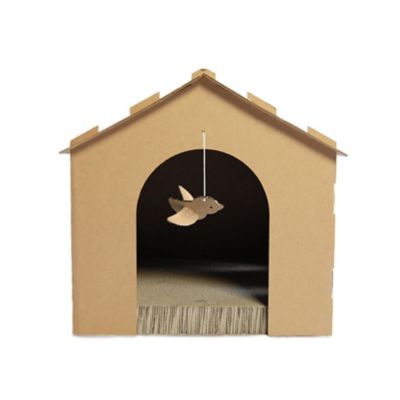
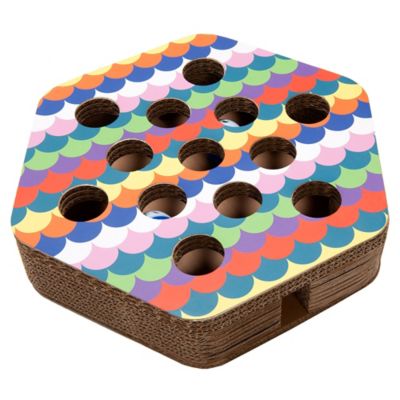
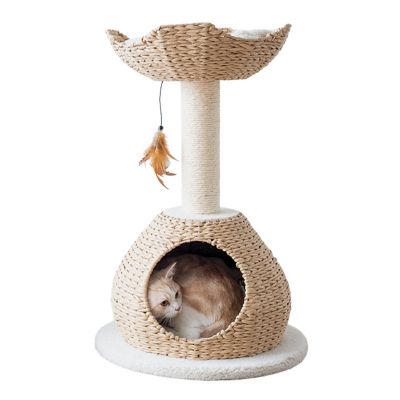
angled cat scratcher provides a sloped surface between those two positions, letting a cat brace its hind feet near the floor while reaching forward and upward. Some scratchers also have broad or curved surfaces that serve as resting spots once the scratching is done. Sisal, corrugated cardboard and carpet are common scratching materials, and each feels different under a cat’s claws. Sisal provides a coarse surface, cardboard has a layered texture that gives way as claws pull through it, and carpet offers a fabric surface some cats readily take to. There is no single texture every cat prefers. A cat that heads straight for a carpeted stair may favor a different surface from one that stretches against a wooden doorway. Offering more than one texture or scratching position can help accommodate those preferences, especially in a home with several cats. Scratchers support everyday claw maintenance by helping loosen the outer claw sheaths, but they do not replace appropriate nail trimming. For kittens learning household routines, adult cats settling into a new home and longtime companions with established habits, a dedicated scratching surface gives that natural behavior somewhere suitable to land. The best fit is often the one that matches what the cat already does, rather than the one that simply fits an empty corner.
Size and construction matter just as much as shape. A vertical cat scratching post should provide enough usable height for the cat to stretch without having to crouch, with a base that stays planted when the cat pulls against it. A long-bodied cat needs more reaching room than a small kitten, and a heavier cat puts more force on a post or pad. Looking at the scratching surface dimensions, not just the overall dimensions, helps distinguish room to stretch from space taken up by a base or attached features. Horizontal cat scratchers need enough length and width for a cat to stand comfortably and work its front paws without constantly stepping off the edges. Inclined designs should offer secure footing and a slope that suits the cat’s reach. For older cats or cats with limited mobility, a low surface may be easier to approach than a tall structure that requires climbing. A scratcher should stay steady on the floor where it will sit; a lightweight pad that slides across smooth flooring can be frustrating even when the texture is right. Materials also affect upkeep and how the surface wears over time. Sisal rope and woven sisal offer different constructions, so it helps to consider how securely the scratching material is attached and whether the supporting structure stays firm. Corrugated cardboard gradually sheds small pieces as cats scratch, making occasional sweeping part of its upkeep. Some cardboard designs have reversible inserts or replaceable sections, allowing a fresh scratching face without replacing the whole frame. Carpeted surfaces may collect fur and require vacuuming, while fabric-covered bases can need spot cleaning according to their care directions. Normal surface wear is part of a scratcher’s job, but loose fasteners, exposed staples, unraveling sections or an unstable base deserve attention. A scratching surface that holds up to repeated pulling still needs regular checks, particularly when an enthusiastic cat gives it a workout every day.
Placement can make a big difference in whether a cat scratcher becomes part of the daily routine. Cats often scratch after waking, near a favorite resting place or along a familiar route through the house. A pad beside the cat’s nap spot or a post near the living room chair may get more attention than one tucked away in a spare room. If a cat keeps returning to the end of the couch, a suitable scratcher close to that spot gives it another surface in the same area. The goal is to make the preferred option easy to reach, not to expect a cat to seek out a distant corner whenever the urge strikes. In busy households, there should also be room for the cat to stretch without blocking a doorway or placing the scratcher where someone might trip over it. Homes with several cats often benefit from multiple scratching locations, so one cat does not have to pass another to reach the only post. Different shapes can serve different parts of the home: a flat pad near a resting spot, an upright post along a regular path and a sloped scratcher where a cat likes to stop and stretch. A small amount of catnip may encourage interest in cats that respond to it, while play near the scratcher and a reward for scratching there can help build a positive association. Forcing a cat’s paws against the surface can make it reluctant to return. Keeping the surrounding area tidy and checking the surface for wear helps the scratcher remain inviting. Cat scratchers also make a practical gift for someone welcoming a kitten, adopting an adult cat or adding another companion to the household, especially when the recipient’s space and the cat’s scratching habits are known. From compact floor pads to freestanding posts, these everyday cat supplies work best when their size, texture and position line up with the animal’s habits and the household’s routine.