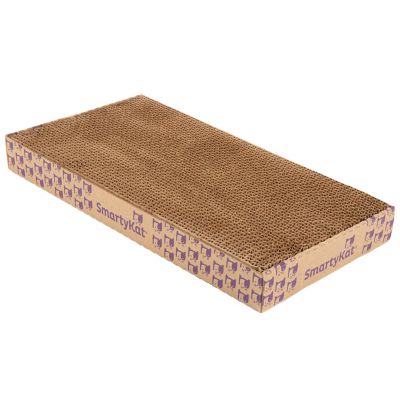
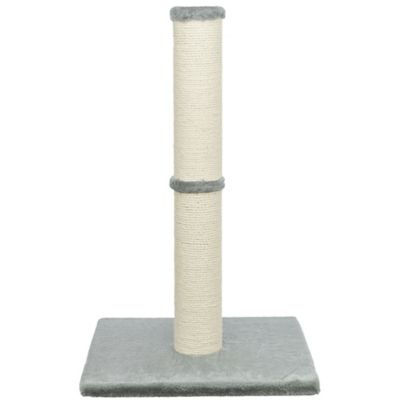
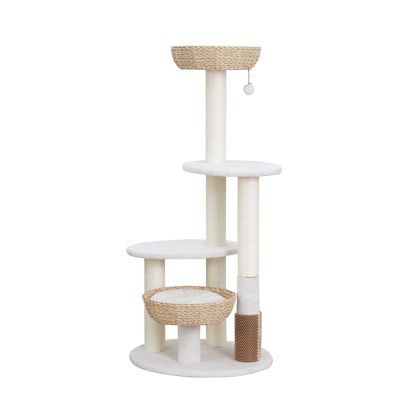
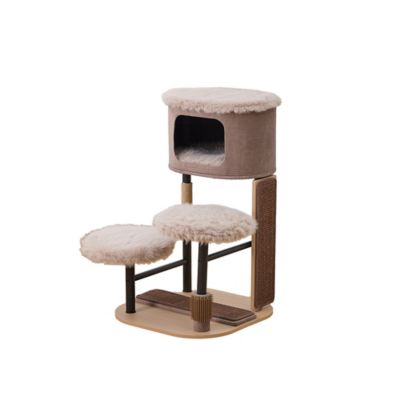
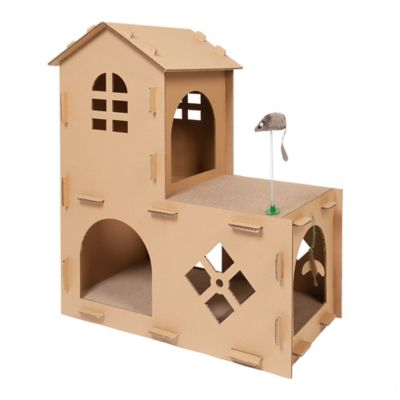
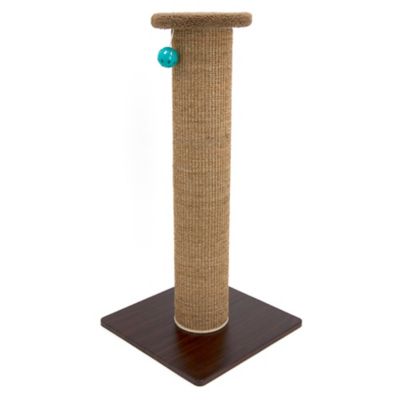
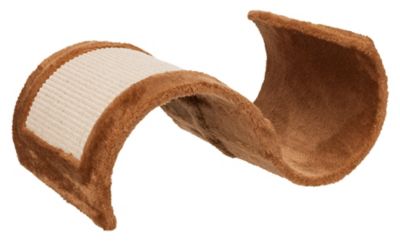
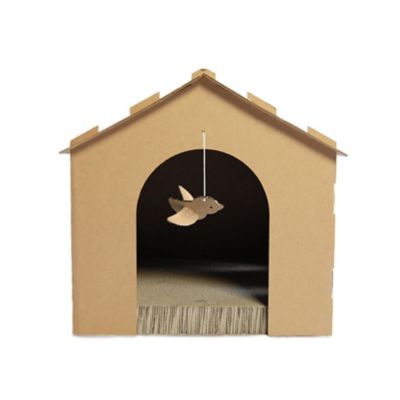
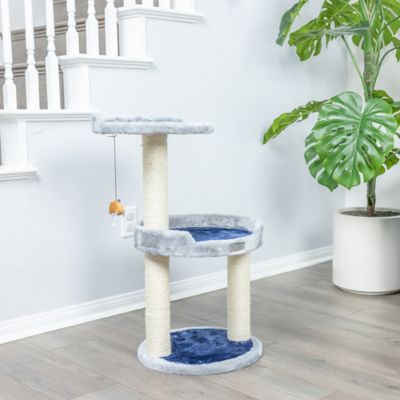
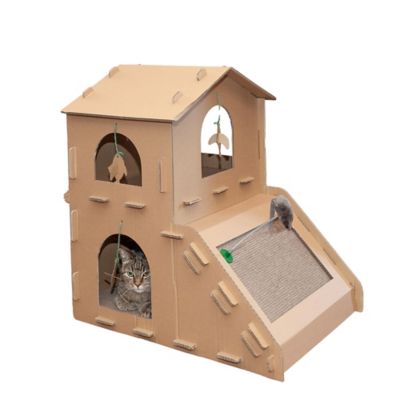
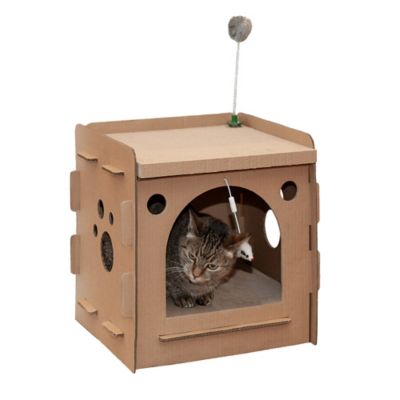
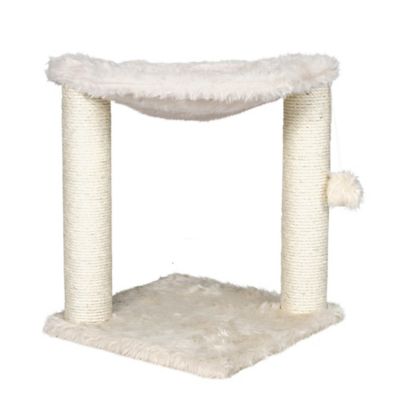
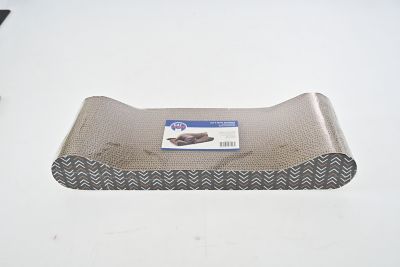
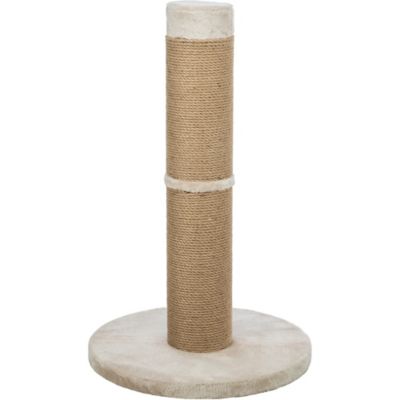
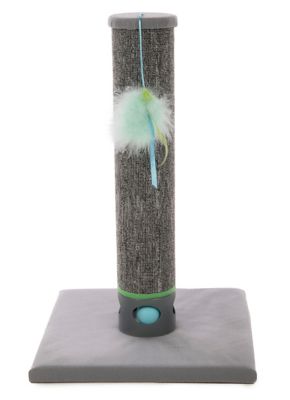
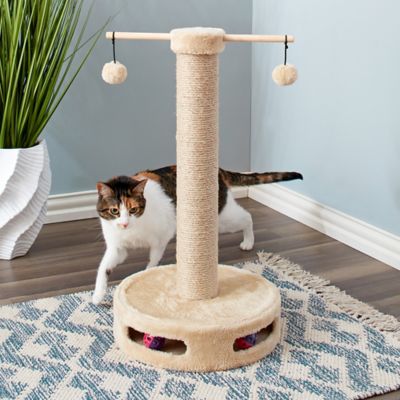
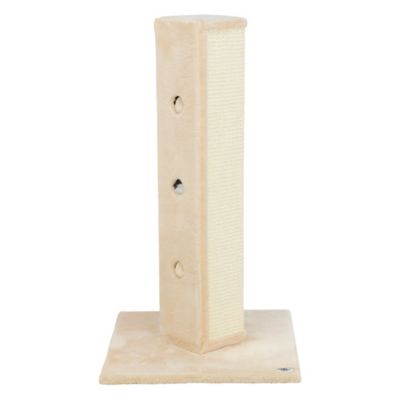
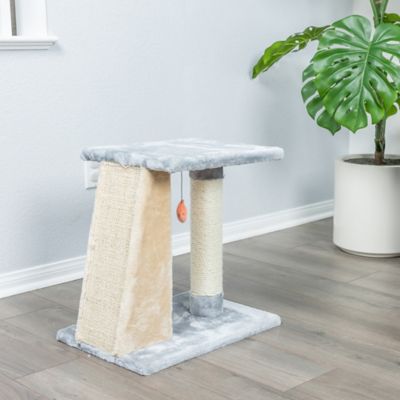
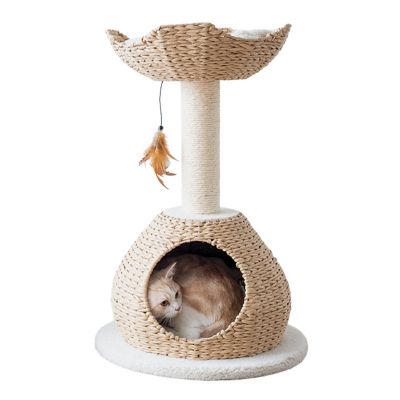
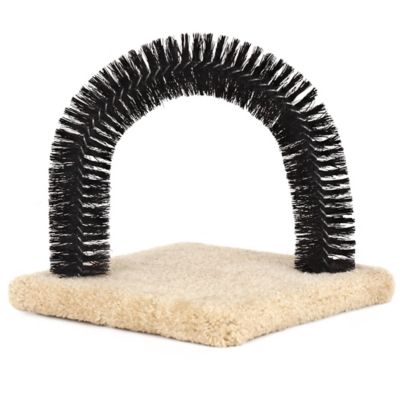
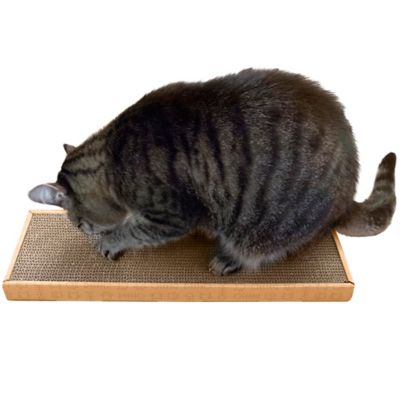
Cat scratcher furniture gives cats a place to stretch, work their claws and settle in without making the couch arm their first stop. Scratching is normal cat behavior: it helps shed the outer layers of claws, stretches muscles and leaves scent and visible marks that make a space feel familiar. Furniture built around that habit can bring scratching surfaces, resting spots and climbing space together in one footprint, whether it sits beside a living room chair or in a quiet corner off the mudroom. Some cats like to stand tall and rake their front paws down a post, while others prefer digging into a flat surface with all four feet close to the floor. Sloped surfaces offer another position, and an
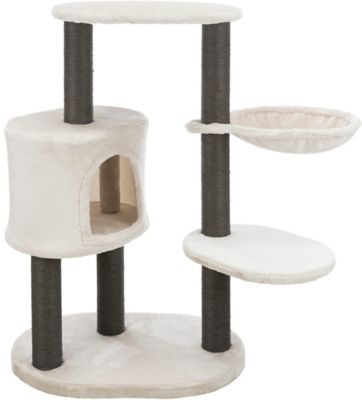
Angled Cat Scratcher can suit a cat that enjoys reaching forward while keeping its hind feet planted. That preference matters more than how fancy a piece looks. A cat that scratches the edge of a rug may take more readily to a low scratching surface than a tall tower, while a cat that reaches up door trim may appreciate a firm upright post with room for a full-body stretch. Cat scratcher furniture ranges from compact pieces that fit near everyday household activity to larger structures with platforms, cubbies and several scratching areas. A resting ledge can give a watchful cat a spot to oversee the room, and a sheltered nook can provide a retreat when children or visitors make the house busy. For homes with more than one cat, separate scratching faces and resting levels can offer more choices without requiring every cat to share the same spot. Even in a roomy house, the right footprint makes a difference: furniture that leaves walkways open and fits where the cat already spends time is more likely to become part of its everyday routine.
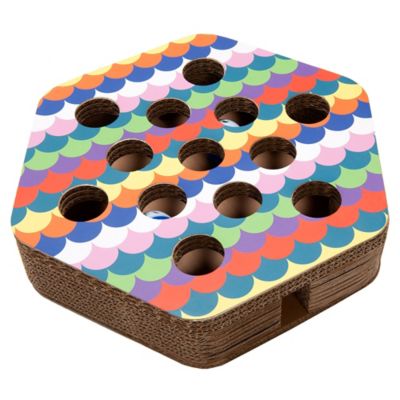
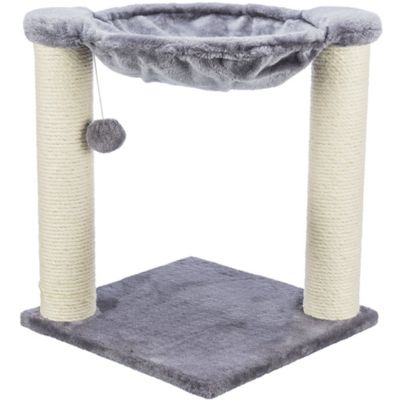
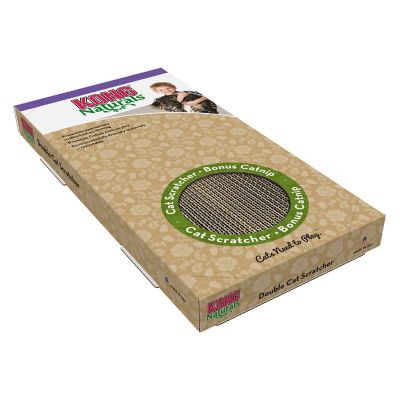
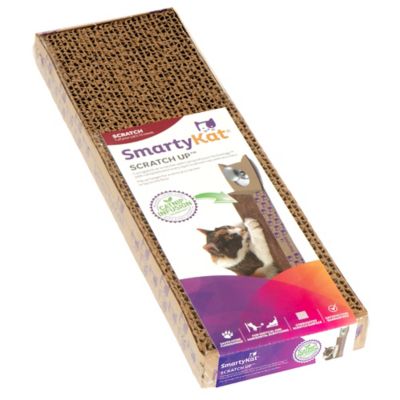
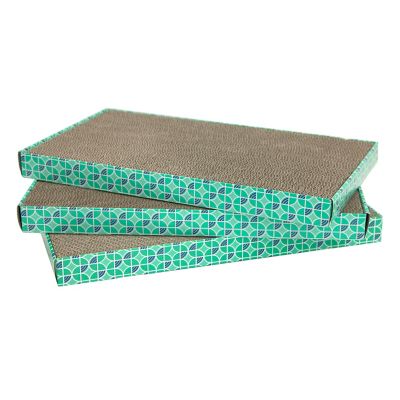
Materials shape how cat scratcher furniture feels under a cat’s paws and how it holds up to repeated scratching. Sisal rope has a coarse texture that gives claws something to catch, while woven sisal provides a flatter surface with a different feel. Corrugated cardboard offers a shreddable surface that many cats enjoy, though small scraps around the base are part of the trade-off. Carpet-covered sections can provide traction on climbing levels and a soft resting area, but a cat’s preference for scratching carpet may not match its interest in sisal or cardboard. Mixed surfaces let a cat scratch in one area and lounge in another. Beneath those surfaces, wood or engineered wood components provide structure, with the base, fasteners and connection points all contributing to stability. A broad base is especially helpful when a cat leans hard into a post or lands on a platform after a running start. Height alone does not tell the whole story; a tall piece needs enough support to resist rocking during normal activity. Overall measurements, platform dimensions and any stated weight limits help distinguish furniture that fits a small kitten from furniture that gives a large adult cat enough room to turn around and rest comfortably. Upright scratching sections should allow the cat to extend rather than stay hunched, and sleeping areas should accommodate its usual curled-up or stretched-out position. For older cats or cats with limited mobility, low entry points and closely spaced levels can make scratching and resting areas easier to reach. Energetic cats may get more benefit from several climbing levels, provided the structure stays steady and has clear landing space. Rounded edges, securely attached coverings and hardware that sits flush help keep the furniture comfortable to navigate. Dangling play features deserve attention, too, especially for cats that chew strings. Color and fabric can fit the room, but footing, usable space and a solid stance matter most once the cat starts climbing, stretching and scratching.
Everyday care is another part of choosing cat scratcher furniture that fits the household. Fur gathers on resting platforms, cardboard leaves bits behind and rope gradually frays where claws catch it most often. Smooth structural surfaces generally need a wipe-down according to the care directions, while fabric-covered areas may call for vacuuming or spot cleaning. Removable, washable covers can make cleanup easier, particularly where several cats share a resting spot. Cleaning methods should match the materials, since soaking cardboard or saturating covered wood can damage the structure. Furniture designed with replaceable scratching sections can keep the main frame in service after the busiest surface wears down; the replacement section needs to match the attachment system and dimensions. Loose screws, a leaning post, exposed staples or long strands of unraveling rope are signs that the piece needs attention before the cat returns to it. Placement also affects everyday use. A scratching surface near a favorite nap spot gives a cat somewhere to stretch after waking, while one beside a frequently scratched chair offers a nearby alternative with a texture meant for claws. Tucking every scratcher into an out-of-the-way room may leave the cat heading back to the furniture where the family spends time. A clear approach and enough room to circle the base help make the space inviting without crowding a doorway or feeding area. Familiar bedding on a resting platform can help some cats settle in, and praise or a treat for approaching the new furniture keeps the introduction low-pressure. Cats do not all take to a new surface at the same pace, so leaving established scratching options in place can ease the change. As a gift for a cat-owning household, scratcher furniture is most useful when it suits the cat’s size, preferred scratching position and available floor space. A well-fitting piece earns its place through everyday stretches, afternoon naps and the steady scrape of claws against a surface meant for the job.