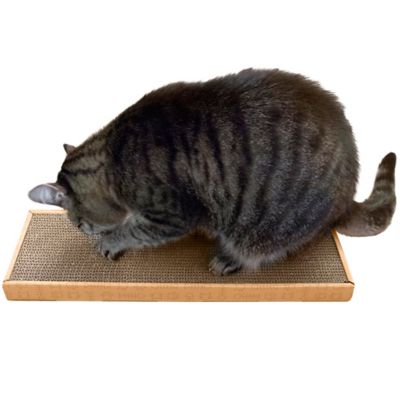
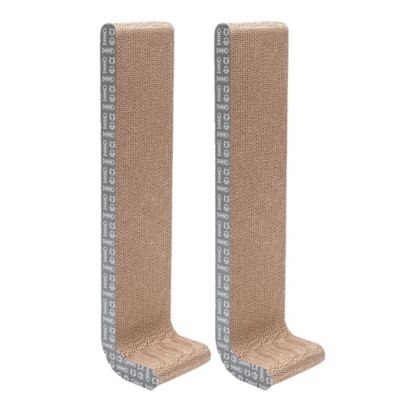
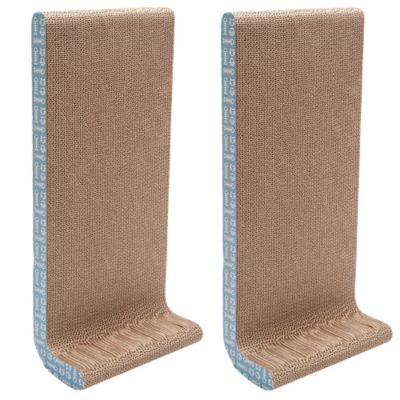
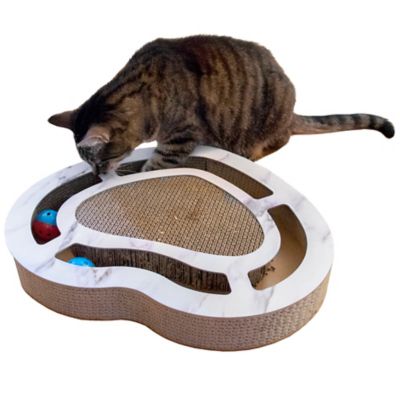
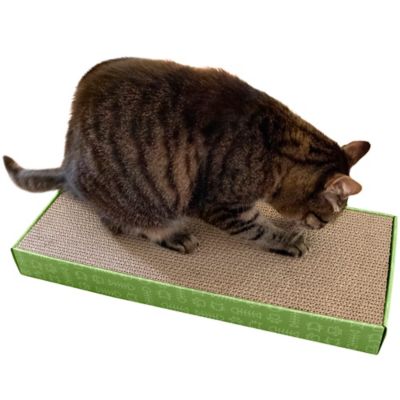
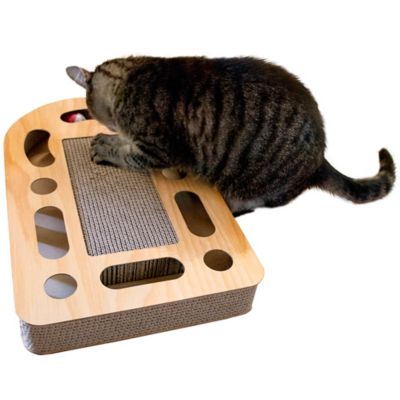
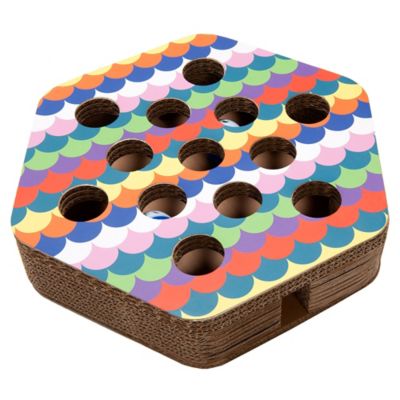
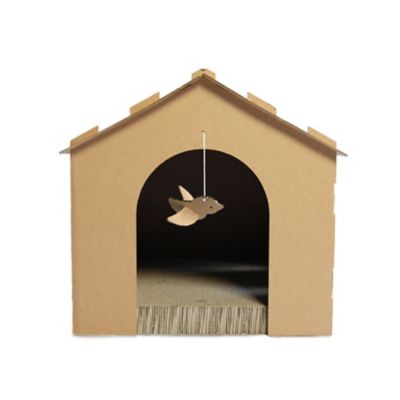
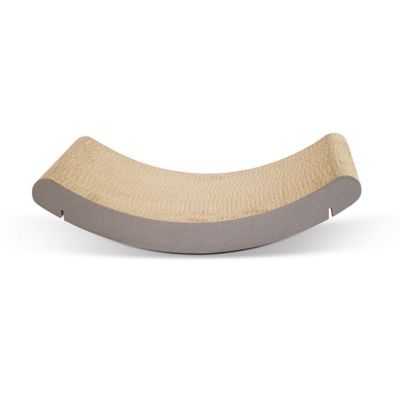
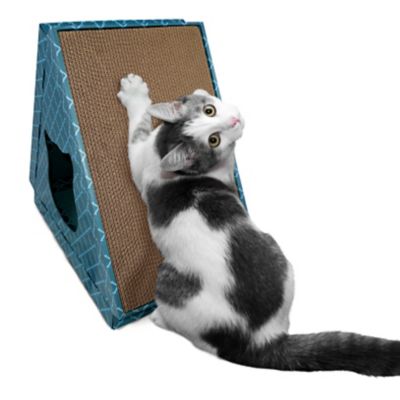
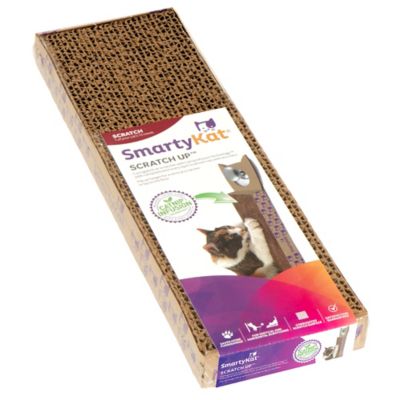
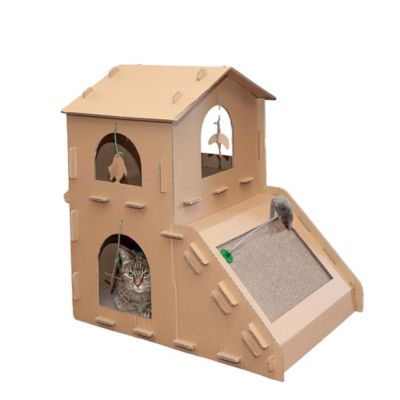
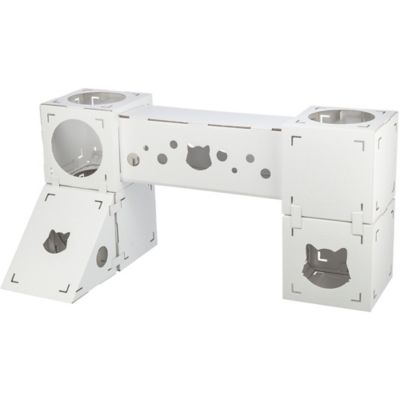
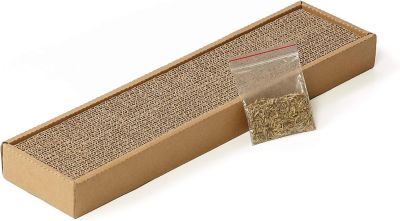
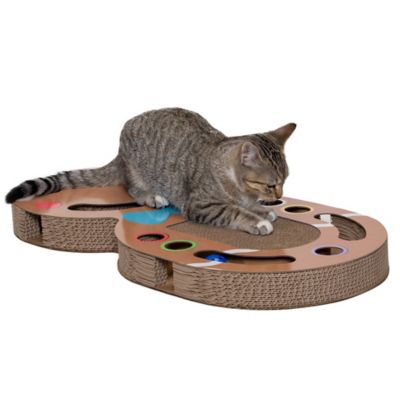
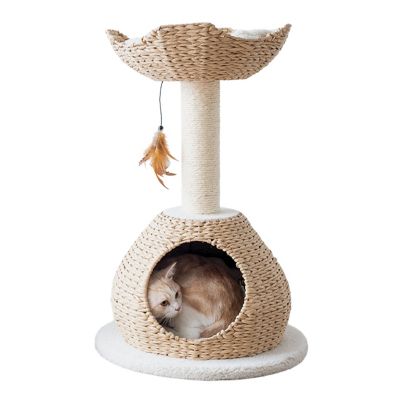
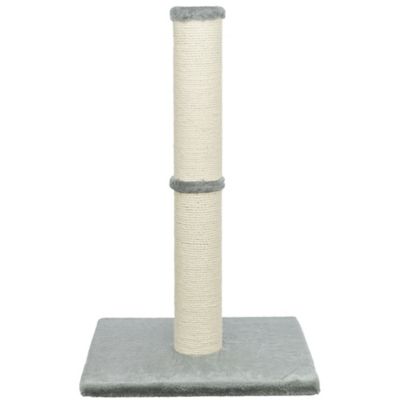
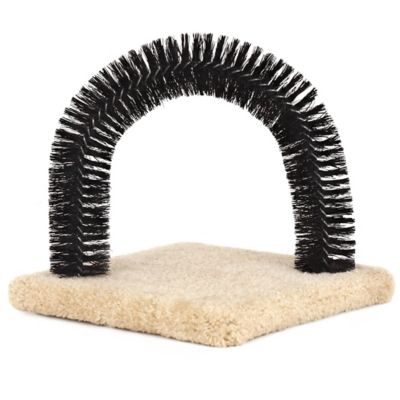
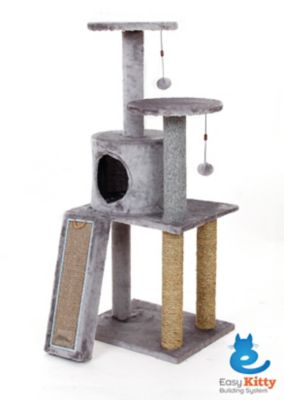
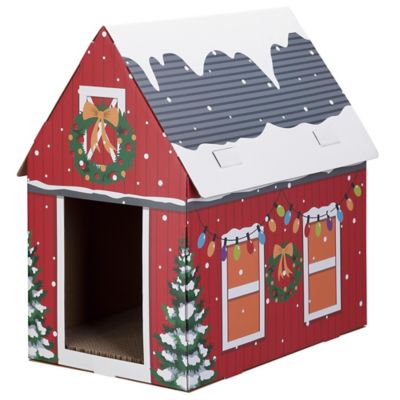
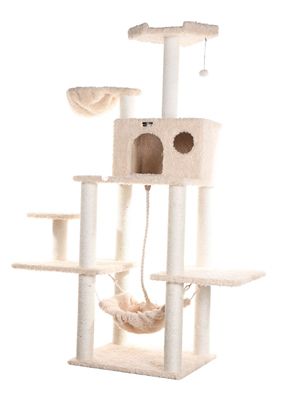
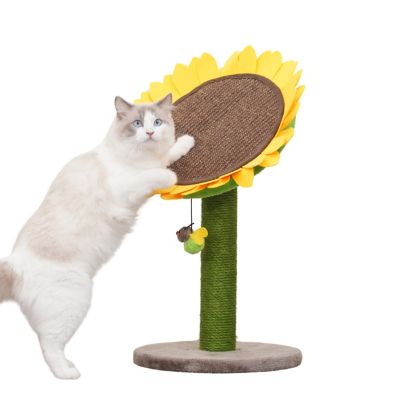
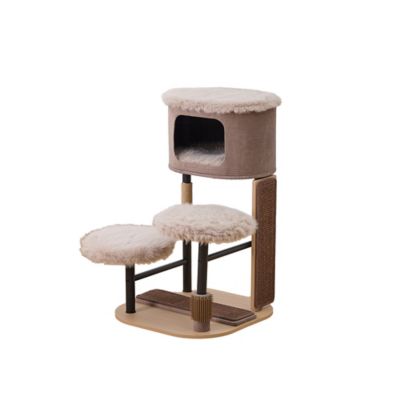
Cardboard cat scratchers give indoor cats a simple, satisfying place to stretch, scratch and settle in. Most cats have a natural need to scratch, whether they are young and playful, older and stiff after a nap, or somewhere in between. Scratching helps cats work their shoulders and legs, flex their paws, shed loose claw layers and leave behind familiar scent marks. It can also be a welcome outlet for energy, especially during the cooler months when windows stay closed and cats spend more time indoors. A cardboard scratcher placed in the right spot may help guide that behavior away from sofa arms, rugs, door frames and other household surfaces. The crinkly texture and easy-to-grip layers of corrugated cardboard appeal to many cats, while the low profile makes these scratchers easy to tuck beside a favorite bed, under a table or near a sunny window. Some cats prefer scratching flat on the floor, while others like to lean against an angled surface or stretch upward along an upright scratcher. Watching how your cat uses the furniture can help you choose a shape that fits its habits. A cat that digs at rugs may enjoy a wide, horizontal scratcher, while a cat that reaches high on the side of a chair may do better with a taller option. Homes with more than one cat often benefit from several scratching spots so each pet has room to claim a favorite without crowding. Cardboard cat scratchers can also be a thoughtful gift for a new pet owner, a friend settling into a new home or anyone looking for a practical way to add enrichment without taking up much space.
When choosing cardboard cat scratchers, look for sturdy construction, a stable base and enough surface area for your cat to stretch out comfortably. A scratcher that slides across a smooth floor may be ignored, so a heavier design or a nonslip bottom can make a real difference. Check the dimensions against your cat's size, especially if you have a long-bodied cat that likes to fully extend from nose to tail. Corrugated cardboard comes in different textures and thicknesses, and cats can have strong preferences. Some enjoy a tightly packed surface that holds up to repeated pawing, while others go straight for a softer, looser texture that makes a satisfying rustle. If your cat is unsure about a new scratcher, place it near an area where scratching already happens instead of hiding it in a quiet corner. A little catnip can encourage interest for cats that respond to it, and a favorite toy or a few treats may help create a positive association. Avoid forcing a cat's paws onto the scratcher, since that can make the object feel unfamiliar or stressful. Letting the cat investigate at its own pace usually works better. It is also helpful to rotate scratchers between rooms or move a well-used one closer to a preferred resting place. In a home with other pet supplies, keep scratching areas separate from food and litter, while still making them easy for the cat to reach. For small-space living, a cardboard scratcher can fit neatly beside a feeding station or beneath a shelf, and homes with a more open floor plan can use multiple scratchers to create a natural path between resting, playing and grooming areas. If you are arranging a dedicated pet corner, you may also want to keep storage and cleanup in mind with a
Corner Cat Litter Box nearby, leaving enough room for your cat to move comfortably between its daily essentials.
Cardboard cat scratchers are easy to work into everyday routines because they support natural behavior without requiring complicated setup. Set one beside the couch where your cat likes to knead, near the entryway where it greets the household or close to a heated bed during colder weather when naps stretch a little longer. A scratcher can be especially useful after play, when a cat has extra energy and needs a place to stretch its back and paws before settling down. Kittens may use scratchers as they learn household boundaries, while adult cats often appreciate having a familiar surface available after waking from a deep sleep. Senior cats can benefit from a low, easy-to-reach design that does not require climbing or jumping. If your cat ignores a new scratcher at first, give it time and try adjusting the location, angle or nearby distractions. A spot with steady household activity is often more appealing than an isolated room, but it should not be placed where loud equipment, children or other pets constantly interrupt. Cardboard naturally wears down with use, which is part of its appeal, but loose pieces and heavy debris should be cleared away when the surface becomes excessively shredded. Keep an eye on the base and replace the scratcher if it becomes unstable, damp or damaged. Regularly sweeping or vacuuming around it helps keep stray cardboard bits from traveling through the house. With a comfortable location and a style that matches your cat's preferred scratching motion, a cardboard scratcher can become part of the daily rhythm: a few vigorous rakes after breakfast, a long stretch in the afternoon and a quiet curl-up nearby as the evening winds down.