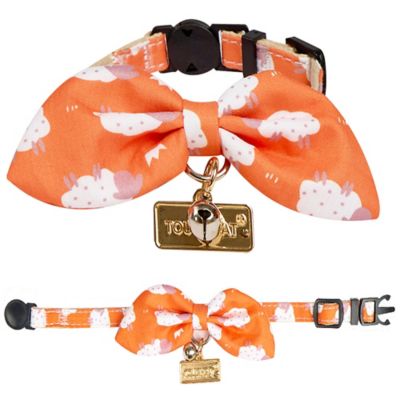
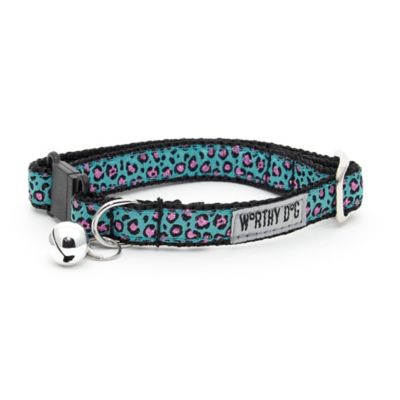
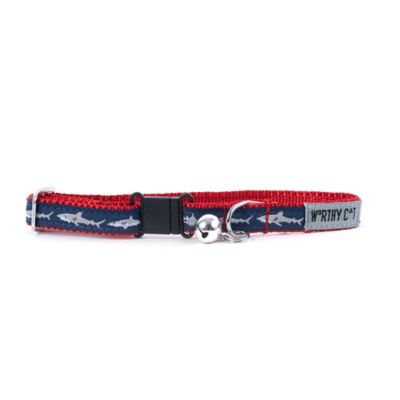
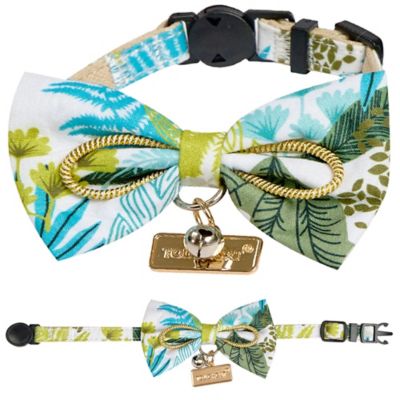
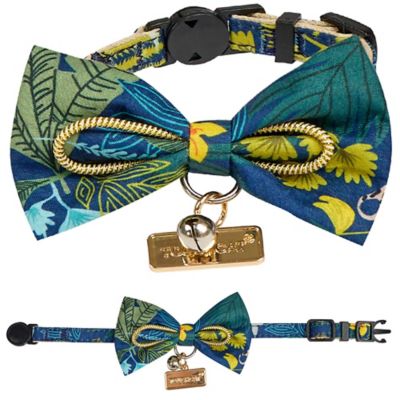
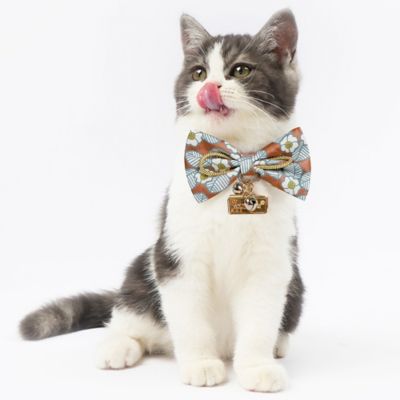
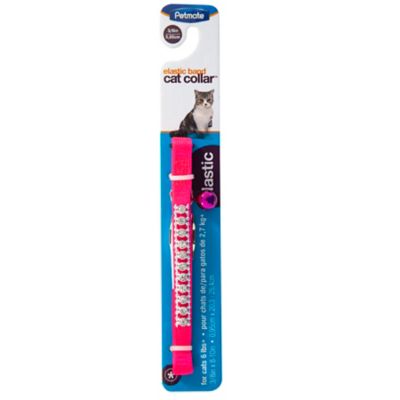
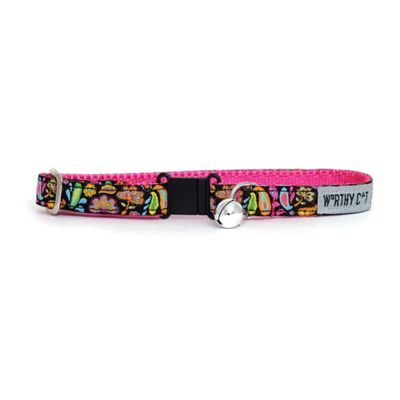
Cat collars for large cats give bigger feline companions a comfortable place to carry identification, whether they spend their days stretched across the couch or watching the yard from an enclosed porch. Maine Coons, Norwegian Forest Cats, and broad-necked mixed breeds may need more adjustment room than a standard adult cat collar provides, but breed and body weight alone do not determine collar size. A cat weighing 10 to 15 pounds or more can have a surprisingly slender neck beneath all that fur, while another cat of similar weight may need a longer strap. Some large and extra-large cat collars have adjustment ranges around 10 to 16 inches; the important measurement is the cat’s neck circumference and whether it falls within the collar’s stated range. A flexible measuring tape should sit close to the neck without pressing into the skin, with thick fur gently compressed rather than measured at its fullest fluff. Once fastened, the collar should generally allow two fingers to slide comfortably beneath the strap without leaving enough slack for the cat to slip its jaw or a front leg underneath. That balance matters for a big house cat just as much as it does for a supervised porch companion. Collar widths around 3/8 to 5/8 inch are common options to compare, though wider does not automatically mean more comfortable. A strap needs to rest naturally around the neck without crowding the jaw or shoulders, especially when a cat curls up for a nap. Long hair can hide both a loose fit and a strap that has become too snug, so feeling beneath the coat gives a better picture than a quick glance. An adjustable collar with some room remaining in its size range can accommodate ordinary fit changes, but it should still hold its setting through scratching, grooming, and a good stretch. Clear sizing information makes comparison easier than relying on a large or XL label alone.
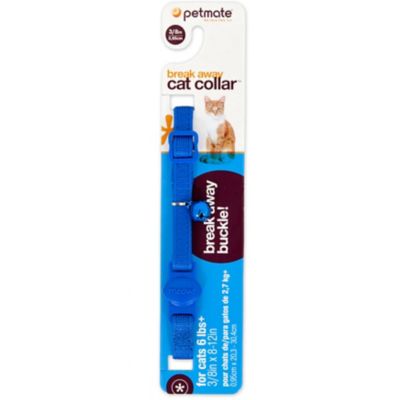
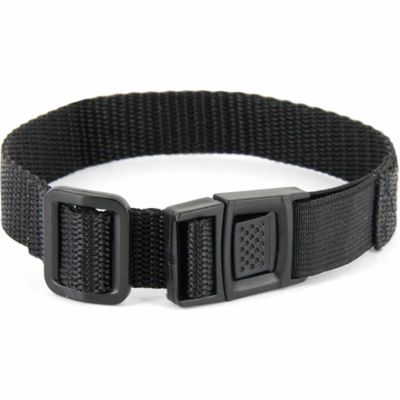
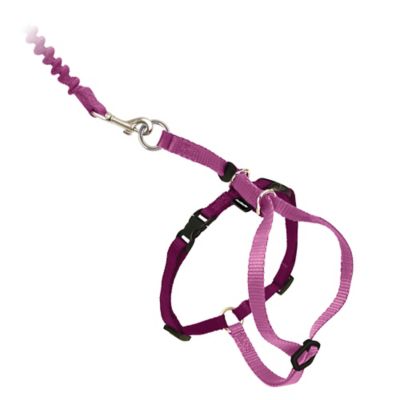
A breakaway closure is a key safety feature in a collar for a large cat, even when that cat looks strong enough to handle heavier hardware. These closures are designed to release under sufficient pulling force if the collar catches on something, helping reduce the risk of entanglement. Bigger cats still squeeze behind furniture, investigate fence openings, and poke their heads into places that looked roomier from the outside. A cat-specific breakaway buckle serves a different purpose from a traditional buckle that stays fastened under tension, and strength alone is not the goal. Release mechanisms vary, so the manufacturer’s directions matter when checking how a closure works and whether it suits the cat’s size. No collar can eliminate every snagging risk, and a breakaway collar is not a leash attachment point. A properly fitted cat harness is the better choice for leash outings, with the collar carrying identification separately. Material and construction also affect everyday comfort. Lightweight nylon or polyester webbing can offer a smooth, practical strap, while cotton fabrics may appeal to households looking for a softer feel. Leather requires its own care routine and deserves a close look at strap weight, edge finish, and flexibility. Across materials, flat seams, rounded edges, and modest hardware help keep the collar from feeling cumbersome. Longhaired cats benefit from particular attention to the underside of the strap, where rough stitching or bulky fittings can catch hair. Smooth fabric may reduce friction, but it cannot prevent every tangle beneath a thick ruff. A wider collar can spread contact across more of the neck, yet extra width also means more material against the coat. The best match is one that lets the cat turn, groom, eat, and settle down without persistent scratching at the strap. For a cat new to wearing a collar, short, supervised introductions can make the unfamiliar feeling easier to accept. Repeated pawing, redness, or hair loss calls for a closer look at fit and materials rather than simply choosing a larger size.
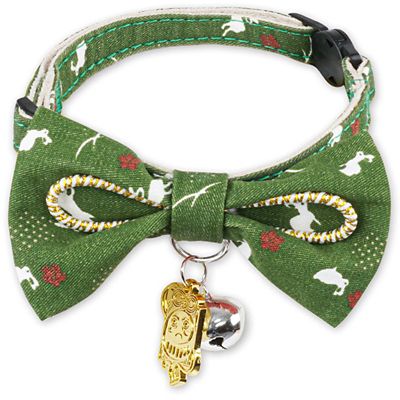
Identification is often the main reason to choose a collar for a big cat, including an indoor companion with a habit of hovering near the back door. A readable tag with a phone number gives someone who finds the cat a direct way to reach home. Keeping tags compact and attachments simple helps limit swinging weight beneath the chin, particularly when a cat leans over a food bowl or stretches out on a favorite chair. A collar complements a microchip rather than replacing it: the tag provides visible contact information, while a registered microchip offers another identification route if the collar comes off. Reflective details can make a collar easier to notice when light strikes it, though they do not make unsupervised roaming safe. Bells add sound, which some households appreciate, but not every cat tolerates the jingle; a quiet, lightweight setup may be a better fit for a sensitive companion. Color and pattern can bring a little personality without adding extra attachments that catch on things. In a home with both cats and dogs, keeping their collar needs separate is important.
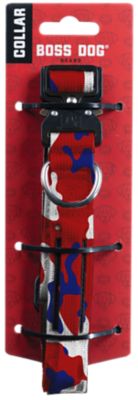
Dog Collars For Extra Large Dogs addresses a different fit and fastening need; a collar meant for a powerful dog is not a substitute for a cat-specific breakaway design. Everyday upkeep matters just as much as the first fitting. Fur, skin oils, and grit can collect beneath a strap, so cleaning according to the material’s care directions helps keep that contact area comfortable. Fabric should dry fully before the collar goes back on, and leather needs care appropriate to its finish. Frayed edges, cracked hardware, loose stitching, or a buckle that no longer functions as directed are reasons to replace a collar. Regular checks also catch a shifted adjustment slider or a mat forming out of sight. For someone welcoming a large adult cat, a thoughtfully chosen collar can be a useful gift when the neck measurement and preferred closure are known. A light strap, a suitable breakaway buckle, and a readable tag keep the focus where it belongs: comfortable daily wear and a clear connection to home.