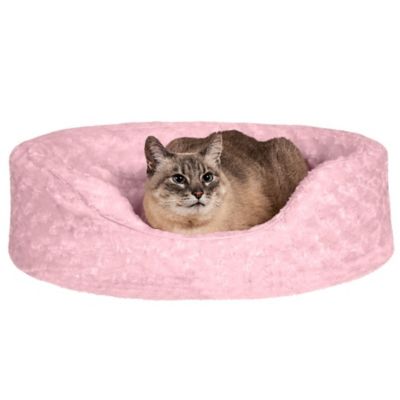
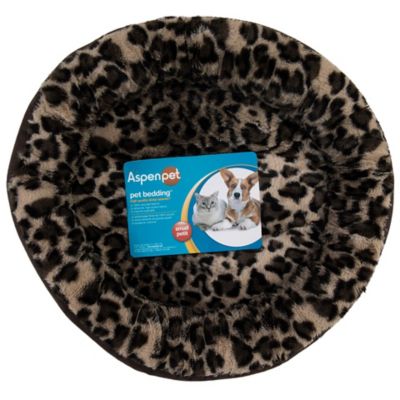
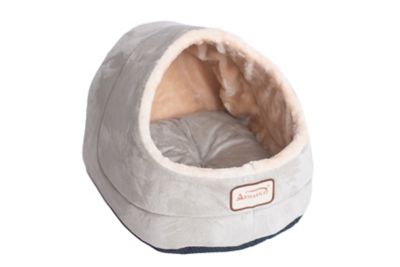
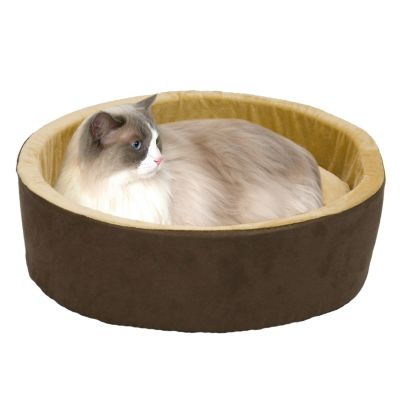
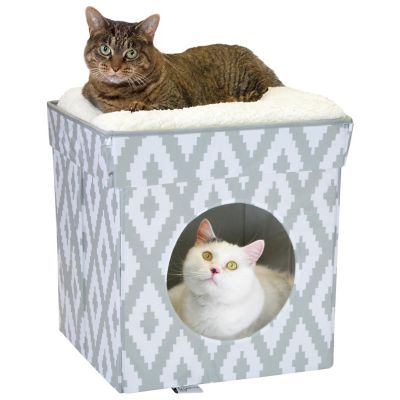
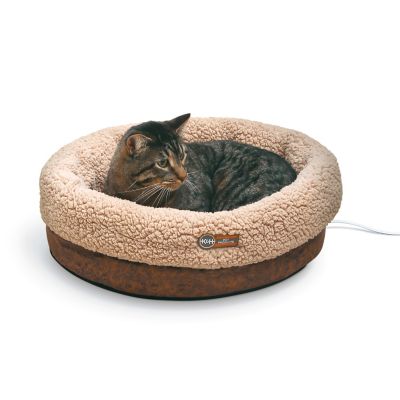
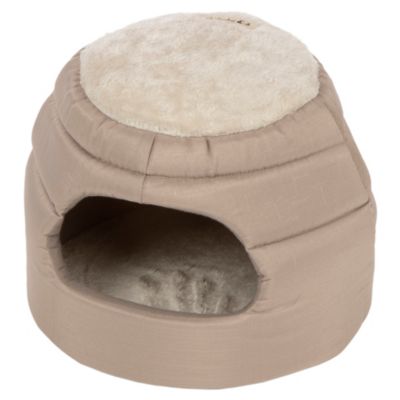
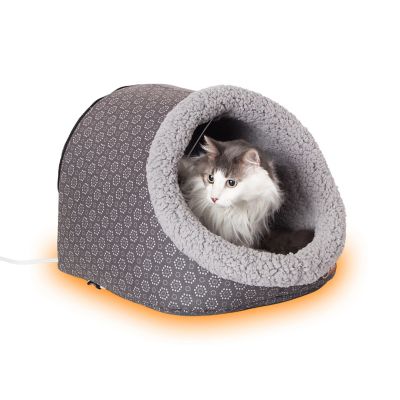
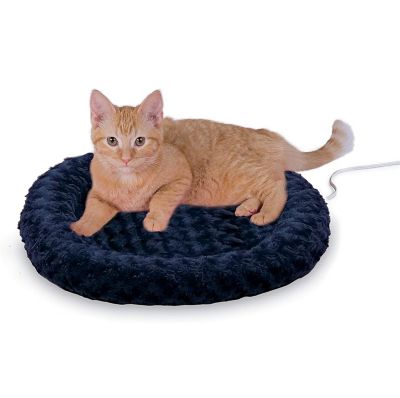
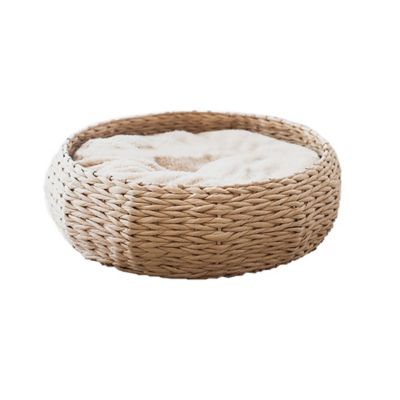
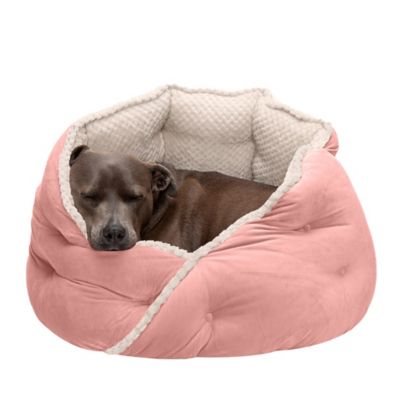
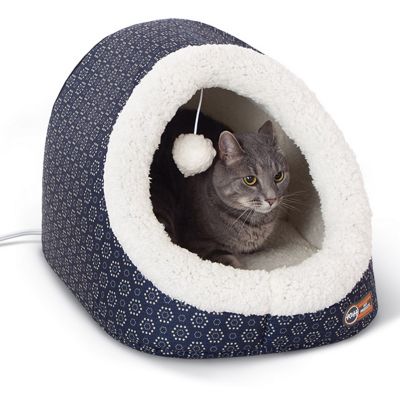
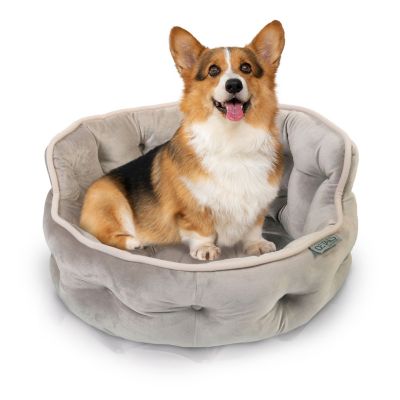
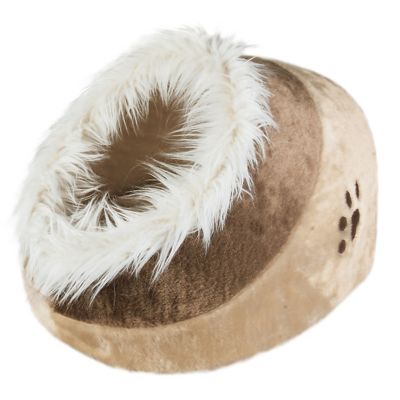
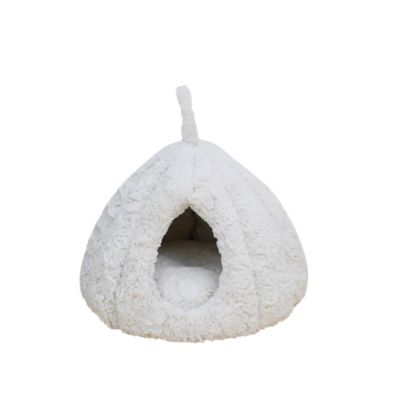
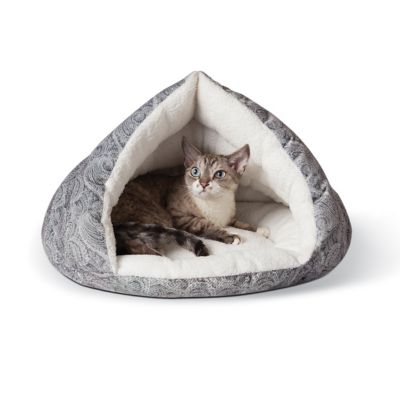
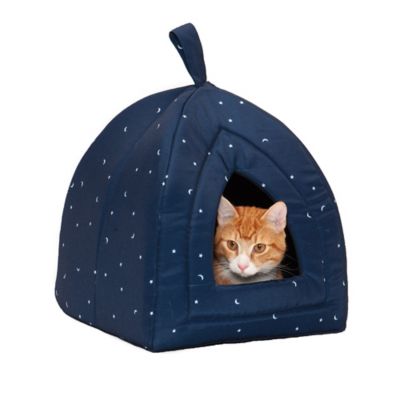
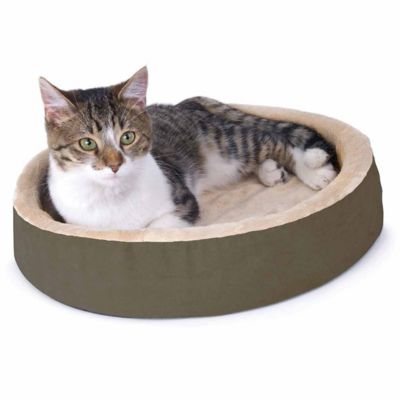
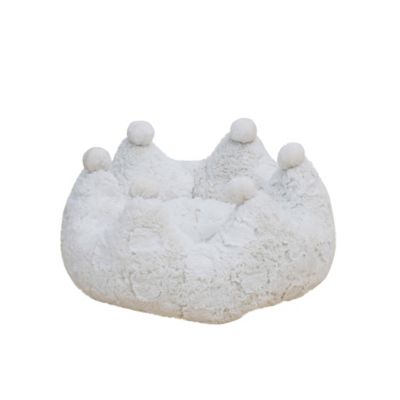
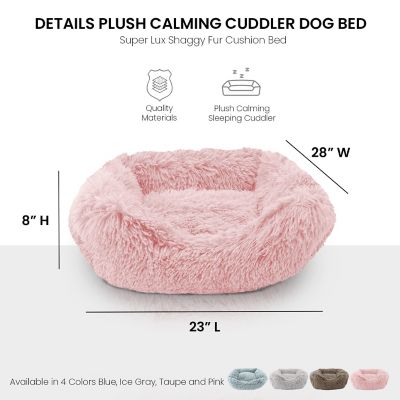
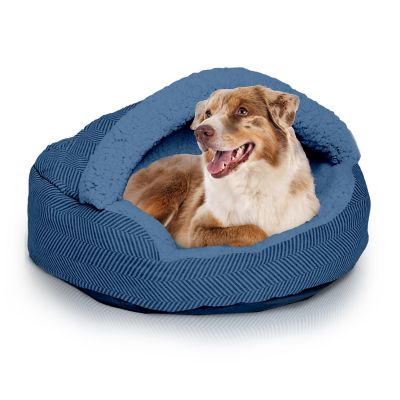
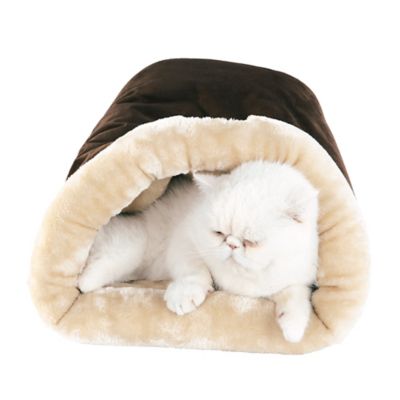
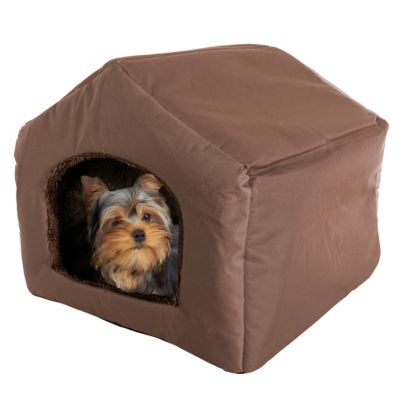
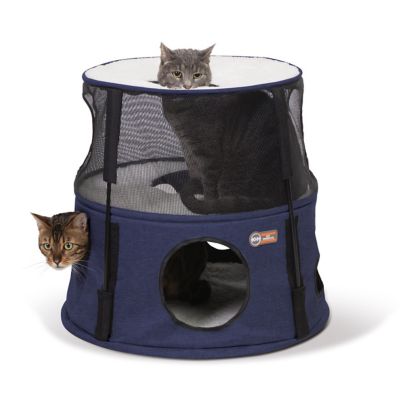
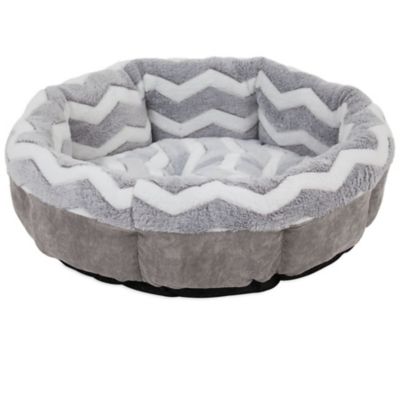
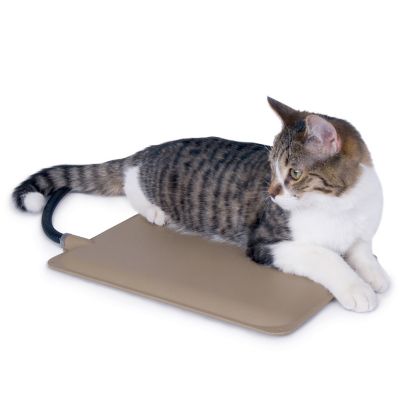
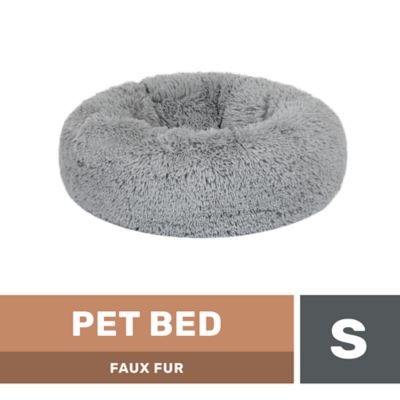
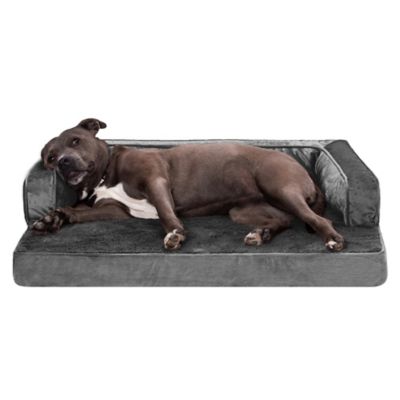
Cat beds for kittens give a little cat a soft place to settle between meals, playtime, and another round of exploring the house. A bed that fits a kitten’s small frame can offer a tucked-in resting spot without making it hard to climb in or stretch out. Common styles include open cushioned beds, bolster beds with raised edges, and covered cat caves or tents. Each shape suits a different sleeping habit. A kitten that curls into a tight ball may lean against a padded rim, while one that sprawls on its side may settle more comfortably on an open sleeping surface. Covered beds offer a sheltered nook for kittens that retreat beneath furniture or seek a little privacy when the household gets busy. The entrance still needs to be easy to reach, with enough room for the kitten to turn around inside. Low entry points are especially helpful for little legs that have not quite mastered climbing. Size matters, but the usable sleeping area tells more than the outside measurements. A bed roughly 18 to 20 inches across may suit some kittens, though thick bolsters can make the interior much smaller. The right fit leaves space to curl up, change position, and stretch without a wide expanse of empty bedding around a tiny body. Beds with self-warming layers are designed to reflect some of a cat’s body heat without plugs or wires; the construction and care requirements vary by bed. That feature is different from an electrically heated bed and does not replace veterinary care for very young kittens that need help maintaining body heat. For everyday lounging, the combination of an inviting surface, an accessible opening, and a comfortable shape matters more than an elaborate design. A kitten that naps with its chin on a rolled towel may take to a bolster, while one that disappears into an open cardboard box may prefer the shelter of a cave-style bed.
Materials affect how a kitten bed feels, how well it holds its shape, and how much upkeep it needs. Fleece and plush fabric provide a soft resting surface, while woven outer fabrics can give the sides more structure. Shorter-pile linings can be easier to check for loose fibers and trapped litter than very shaggy surfaces. Fiberfill cushions generally have a soft, nestlike feel, while foam inserts can provide a more even resting platform. Neither construction is automatically the better fit; the cushion’s thickness, the cover fabric, and the kitten’s sleeping habits all play a part. A center cushion should sit securely inside the bed rather than slide away as a kitten steps onto it. Bolsters should leave a clear entrance, and a covered bed should keep its opening accessible rather than fold down across it. A nonslip bottom can help limit movement on smooth floors, though the bed still needs to sit flat in a spot where it will not become a tripping hazard. Strong seams and firmly attached fabric matter when little paws knead, scratch, and tug before settling down. Loose ribbons, exposed filling, and dangling trim have no place within easy chewing reach. In a home with more than one kitten, a roomy shared bed may work for companions that regularly sleep together, but separate resting spots give each animal somewhere to retreat. A kitten’s favorite shape can also change as its body grows and its confidence builds. For kittens nearing their adult size,
cat beds for small cats offer another size range to consider, with attention to the interior measurements rather than the size name alone. Leaving a little growing room makes sense, but an oversized bed is not always the most inviting choice for a very small kitten. A well-fitting bed can sit beside a chair or in a quiet corner, giving the kitten a familiar place to rest without putting it underfoot.
Easy cleaning is a practical consideration for kitten bedding, especially during litter training and the first weeks of settling into a home. Machine-washable covers can simplify cleanup, but a washable cover does not necessarily mean the cushion, foam, or entire bed can go into the washer. Care labels identify which pieces can be washed, the appropriate cycle, and whether air drying or machine drying is permitted. Removable cushions make it easier to reach crumbs, shed hair, and stray litter in the corners. Zippered covers can keep filling contained, provided the zipper closes fully and the pull is not left where a kitten is likely to chew it. A bed should be completely dry before it returns to the resting area, including any thick cushion or padded rim that takes longer to dry than the outer fabric. Regular checks around seams and cushion edges help catch thinning fabric or exposed filling before a small tear grows. Between washes, loose hair and debris can be lifted away in whatever manner the fabric’s care directions allow. A familiar, clean resting spot is often more useful than moving the bed from room to room each day. Placement also shapes how much a kitten enjoys it: a quiet corner within sight of everyday household activity can offer company without the bustle of the kitchen walkway or the back door. Food, water, and the litter box need their own space rather than crowding the sleeping area. Some kittens settle quickly, while others investigate a bed for several days before making it their regular nap spot. Letting that happen at the kitten’s pace keeps the bed from becoming another source of fuss. Kitten beds also make a thoughtful gift for someone welcoming a young cat, particularly when the bed has straightforward care requirements and a size that suits the animal. Soft bedding, sound construction, and a sensible fit give the recipient something practical for the daily routine of caring for a growing kitten.