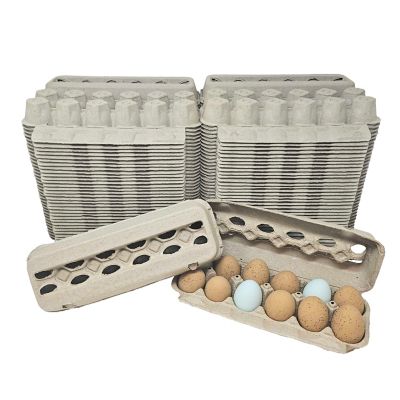
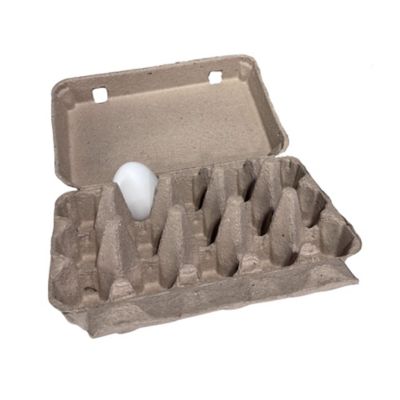
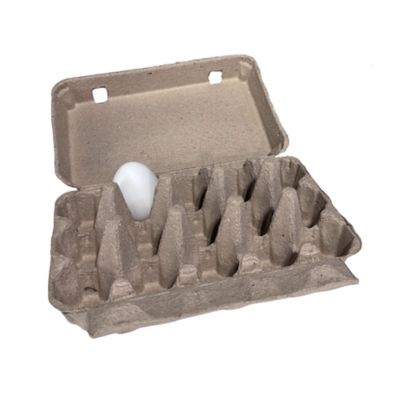
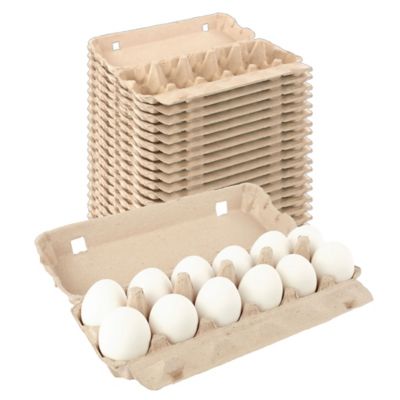
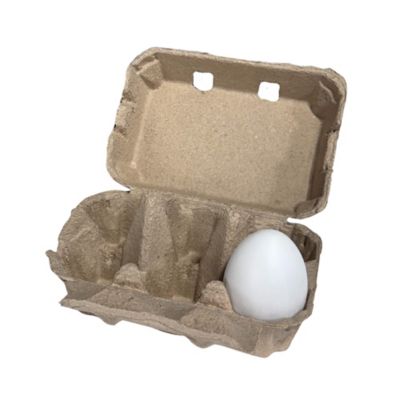
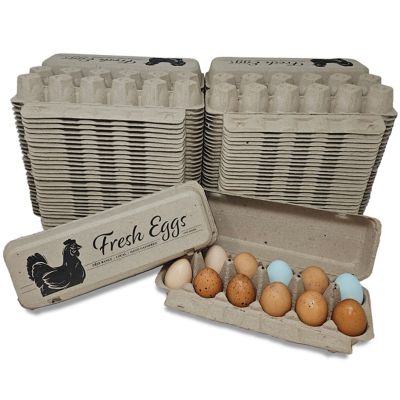
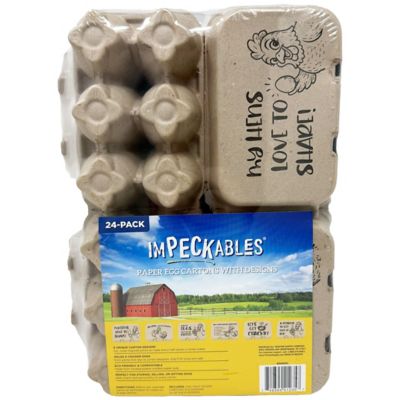
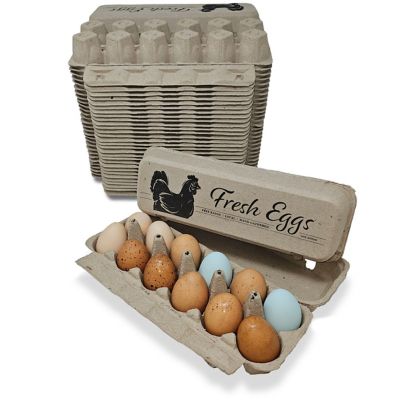
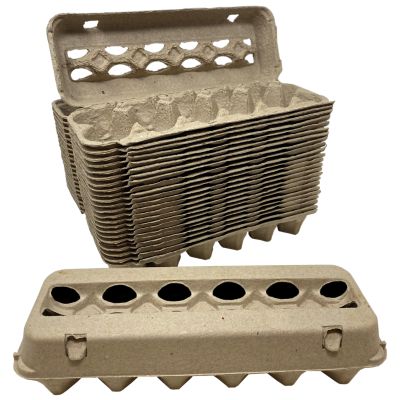
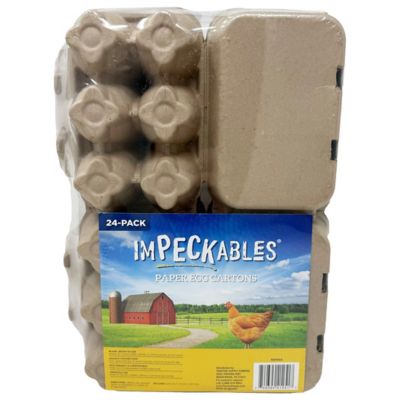
A cardboard egg carton earns its place wherever eggs make the trip from the nest box to the kitchen, a neighbor’s porch, or a farm stand. Those separate cups do more than keep a dozen eggs looking tidy: they help prevent shells from knocking together, while the lid adds a protective layer for carrying and storing them. For backyard chicken keepers, small flock owners, and families who share their extra eggs, the right carton makes an everyday chore a little easier to manage. Many cartons described as cardboard are formed from molded paper pulp, which creates the familiar rounded pockets and slightly textured surface. Some contain recycled paper fiber, though the material and recycled content depend on the carton. The molded shape provides light cushioning, but it does not make eggs unbreakable. A carton still needs gentle handling and a level place to ride, especially on the trip down a rutted lane. Fit matters just as much as the material. Eggs should settle into their pockets without rocking freely or sitting so high that the lid presses against the shells. A carton meant for chicken eggs may not suit tiny quail eggs or larger duck eggs, even when the overall package looks about the same size. For a flock that lays a mix of sizes, checking the stated egg size and compartment dimensions can help prevent a lid that refuses to close. Capacity is another practical consideration. A dozen-count carton suits many household routines, while smaller counts can make sense for sharing a few eggs at a time. Larger formats serve a different purpose when several eggs need to move together. The best match comes down to what the flock lays, how the eggs will travel, and how many the recipient can comfortably handle. A snug fit, a secure closure, and a shape that sits flat are worth more attention than appearance alone.
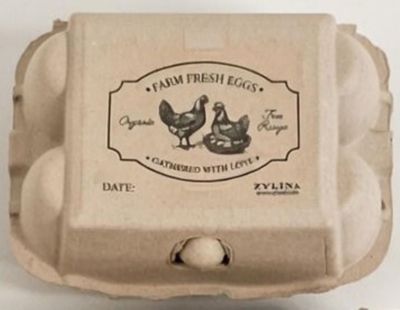
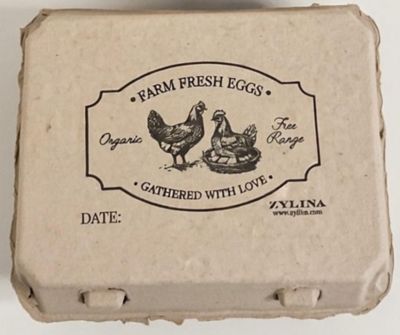
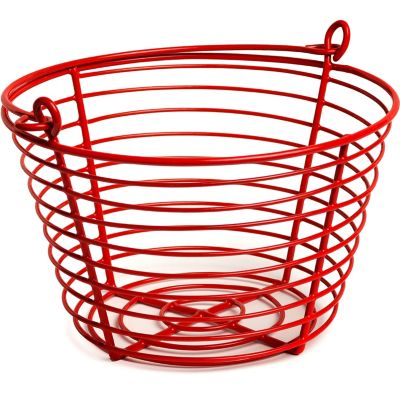
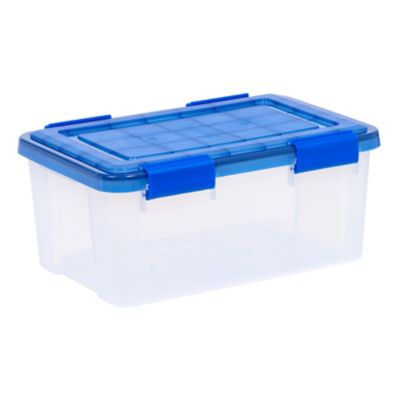
The details of a cardboard egg carton become especially noticeable when hands are full and the gathering basket is waiting on the counter. A lid that folds into place without a struggle helps keep packing straightforward, while tabs and slots should line up without needing to be forced. Pressing hard on a stubborn lid can put pressure on the eggs beneath it, so a carton should close easily once every egg is properly seated. Interior posts and dividers can help support the shape and separate the contents, but protection varies with construction. Look at how firmly the cups hold their form and whether the base rests evenly on a flat surface. If cartons will sit together in the refrigerator or travel in a carrying box, their outside dimensions matter, too. A wide lid or an extra-long footprint can take up more room than expected. Stacking deserves a little restraint: heavy loads on top can crush paper fiber and pass that pressure down to the shells. Keeping filled cartons level in a shallow carrying container can limit sliding during a short drive, though it cannot replace careful driving and handling. The outside surface also plays a useful role. Plain paper fiber often accepts pencil or marker, giving flock owners room to record a collection date or distinguish one group of eggs from another. Writing on the empty carton first avoids bearing down over filled pockets. For eggs headed to a farm stand or another sales setting, leave space for any information required by state and local rules. Egg labeling, grading, handling, and packaging requirements can differ, so a blank carton alone does not establish that eggs are ready for sale. Even when eggs are simply going home with a friend, clear labeling and a carton that stays shut make the handoff easier. There is something satisfying about sending someone off with eggs neatly settled in their own cups rather than loosely tucked into a bowl.
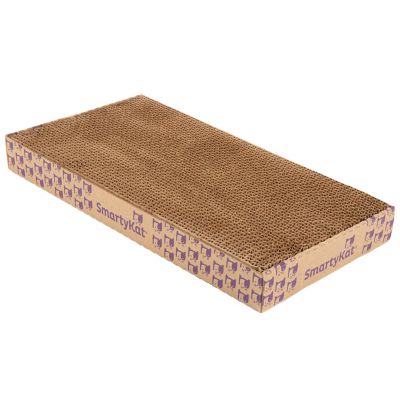
Care for cardboard egg cartons starts with keeping empty packaging clean, dry, and away from the dust and dampness that can collect around a coop or utility room. Paper fiber absorbs moisture, and a wet carton can soften, lose its shape, or tear at the hinge and closure. These cartons are not washable containers; rinsing them does not make them suitable for another round of food contact. A carton with leaked egg, visible dirt, mold, or a persistent odor belongs out of food-packing service. Starting with fresh, clean cartons for eggs that will leave the property is a sensible practice, and applicable rules may require new packaging. Check empty cartons before filling them, especially if they have been stored for a while. Crushed corners, torn cups, and bent fastening tabs can turn a routine carry into a mess across the kitchen floor. Once packed, eggs still need appropriate food-safety handling and refrigeration; the carton protects and organizes them but does not take the place of safe storage. Keeping eggs in their carton inside the refrigerator also keeps labeling with them and provides a barrier against everyday bumps. For the person tending a small flock, carton needs often follow the rhythm of gathering, sorting, and sharing rather than a single big task. Someone taking eggs to relatives may value compact packaging that fits easily into a carrying tote, while a farm-stand keeper may put more emphasis on consistent sizing and room for required labeling. A stack of empty cartons can also be a practical addition to a gift for a new chicken keeper, alongside other gathering supplies. Paper-based materials have plenty of roles around a rural household, from egg packaging to
Cardboard Cat Furniture, but each needs construction suited to its job. For egg cartons, that means shaped compartments, manageable weight, and enough structure for careful everyday handling. When a carton reaches the end of its service, check local recycling or composting rules rather than assuming every paper package belongs in the same bin. Coatings, labels, and food residue can affect disposal options. Thoughtful handling from the empty stack to the final handoff helps keep this simple piece of packaging doing its job.